Climate Change

From floods to wildfires, new ideas are helping Europe adapt to climate extremes

From floods to wildfires, new ideas are helping Europe adapt to climate extremes

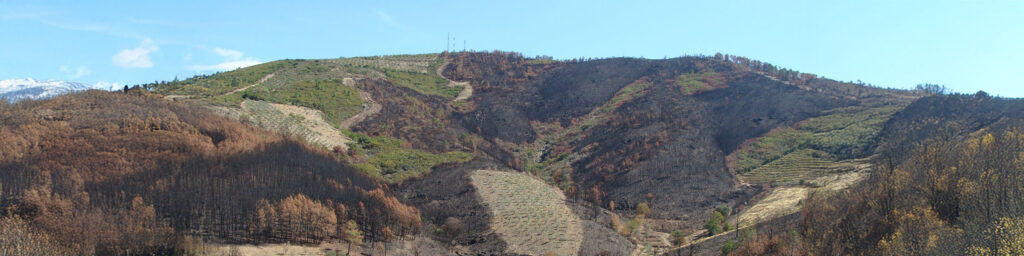
From wildfire-resistant landscapes in Spain to flood warning systems in Denmark, researchers are working with local communities to find, test and deploy practical ways to live with climate change – and to share what works across borders Many people expect a raging wildfire to leave a blackened, lifeless landscape in its wake. But after a…
Bringing marine biodiversity into focus with new technologies

Bringing marine biodiversity into focus with new technologies

Europe’s seas are under growing pressure from anthropogenic activity. New genomic and sensor technologies are transforming how we monitor marine biodiversity Currently, only 2 % of EU seas are covered by marine protected areas, whereas since 1970 there has been a decline of more than 70 % in the average size of wildlife populations. Despite…
Building a powerful EU-wide network for climate resilience

Building a powerful EU-wide network for climate resilience

The P2R project has chosen 62 new regions from across Europe to join it in the battle against climate change Since its launch in 2023, the EU-funded P2R(opens in new window) project has been supporting regions and communities throughout Europe on their journey to climate resilience. Now, 62 of the continent’s most climate-vulnerable regions have…
Proteger el patrimonio subacuático y costero europeo de las amenazas climáticas

Protecting Europe’s underwater and coastal heritage from climate-related threats

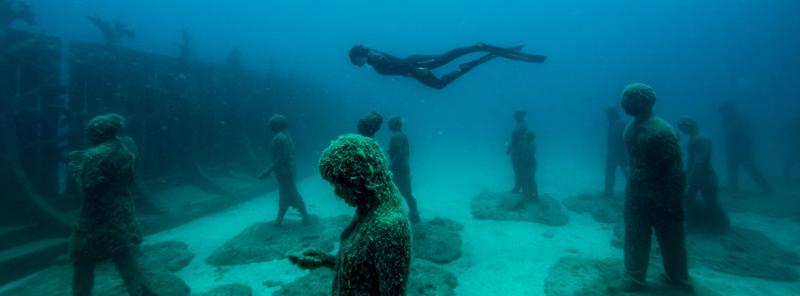
THETIDA combines innovative tools and strategies to safeguard fast degrading cultural heritage sites along Europe’s coastlines and beneath its seas Climate change and natural hazards are threatening Europe’s coastal and underwater heritage. Launched in 2023, the EU-funded THETIDA(opens in new window) project has been taking steps to protect it. Saving seven THETIDA is focusing on…
62 Regions Unite to Develop Climate Adaptation Plans for 55 Million Europeans

62 Regions Unite to Develop Climate Adaptation Plans for 55 Million Europeans

Launched in 2023, the programme now engages a total of 100 local and regional authorities – representing over 100 million people – in a range of trainings designed to enhance their approaches to adaptation and resilience to climate change  Sixty-two climate-vulnerable regions across Europe ( full list here and below) have been selected to strengthen…
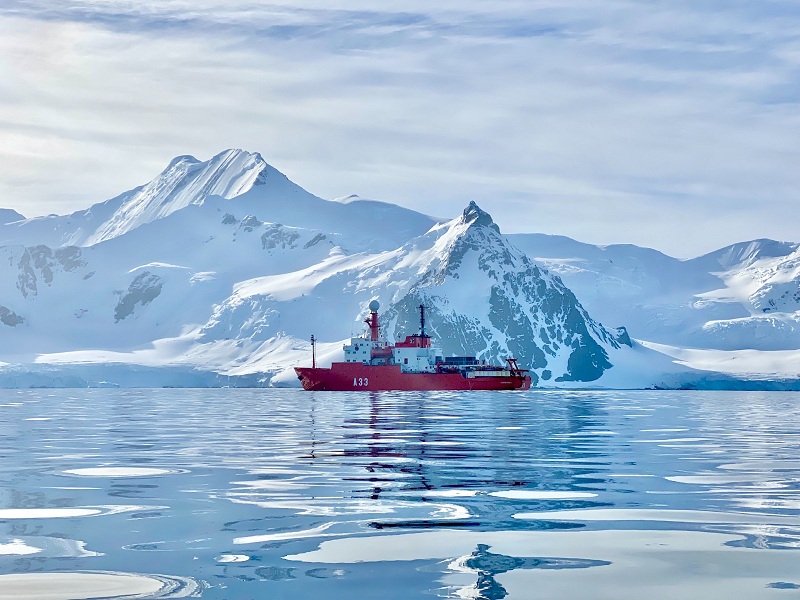
La Armada continúa su contribución a la comunidad científica con el inicio de la Campaña Antártica 2025-2026

The Spanish Navy Continues Its Contribution to the Scientific Community with the Launch of the 2025–2026 Antarctic Campaign

The oceanographic research vessel Hespérides begins its XXX Antarctic Campaign The mission of the Oceanographic Research Vessel (BIO) Hespérides forms part of the Spanish Antarctic Campaign 2025–2026, representing a model of cooperation between different public and private institutions in support of R&D&I within the framework of the National Plan for Scientific, Technical and Innovation Research. With a planned duration…
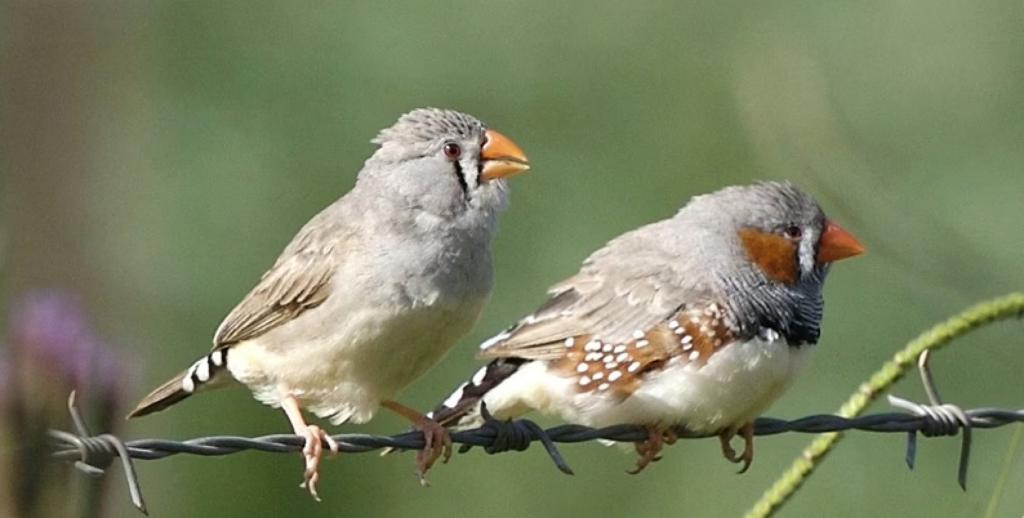
Stem Cell Technique Could Preserve Endangered Bird Species

Stem Cell Technique Could Preserve Endangered Bird Species

Caltech researchers have now developed technology to freeze and preserve stem cells from birds that can then be reconstituted to help propagate populations Birds are a critical part of the global ecosystem; they enable our food production through consumption of agricultural pests like aphids and rodents, and control the spread of diseases by eating insects…
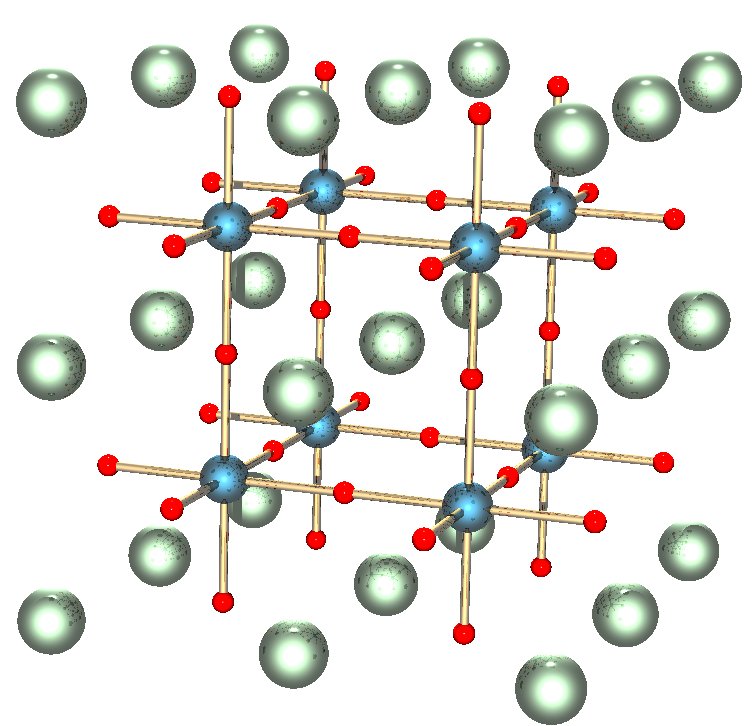
Impulsar la tecnología solar hacia el futuro de la perovskita

Propelling solar technology into a perovskite future

The EU-funded LOCAL-HEAT project is developing next-generation perovskite materials to make clean energy more accessible and affordable around the world A major challenge in photovoltaics is how to build high-performance solar cells that are cost-effective, reliable and sustainable. Perovskites – a unique class of semiconductor materials – show great promise to tackle this challenge and…
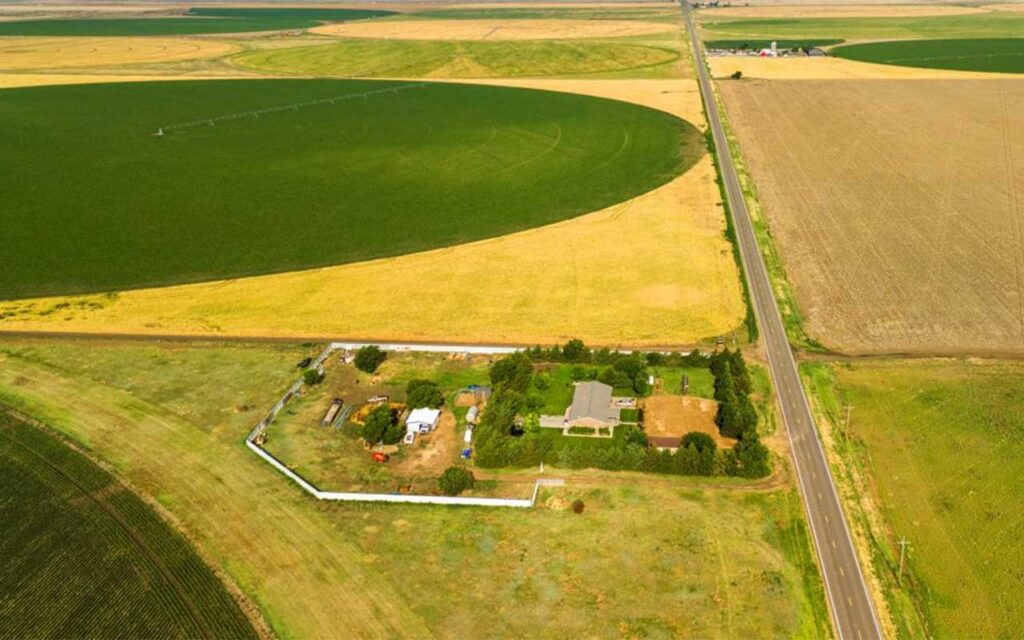
Global drought intensified by rising atmospheric evaporative demand due to climate change

Earth’s growing thirst is making droughts worse, even where it rains

New research led by Dr Solomon H. Gebrechorkos, Researcher in Climate Change Attribution, Smith School of Enterprise and the Environment, published in Nature, has found that this 'thirst' has made droughts 40% more severe across the globe Atmosphere's growing 'thirst' worsens global droughts Droughts are usually blamed on a lack of rain, but a team…
Researchers at the University of Exeter promote storytelling to address climate and biodiversity crises

Tell a story, protect the planet

Researchers propose creative storytelling in science to urgently act on the climate crisis Our planet faces several major threats. Near or at the top of the list are climate change and biodiversity collapse. In many cases, the approaches used to address such critical issues, especially by governments and the academic and scientific communities, don’t resonate…