Healthtech

Hacer frente al cáncer de cuello uterino mediante una comunicación específica

Tackling cervical cancer through targeted communication

Reaching vulnerable women with targeted screening and vaccination approaches can help to reduce cervical cancer deaths Comprehensive screening programmes and early diagnoses are critical elements in the fight against cervical cancer, the fourth most common cancer affecting women worldwide. Screening programmes can be used for example to detect the human papillomavirus (HPV), the virus that…
Desarrollar sistemas sanitarios pensados para las personas, no para las enfermedades

Building health systems designed for people, not diseases

BUILD promotes person-centred, integrated care across Europe with input from older adults requiring care, caregivers and other stakeholders How do we prevent inequalities in long-term care, especially given Europe’s ageing population? Launched in 2024, the EU-funded BUILD project set out to map care systems across Europe and study how social inequalities affect access and outcomes.…
Fusing genomics and AI to personalise heart care

Fusing genomics and AI to personalise heart care

The NextGen project integrates genomics and clinical data into AI systems to revolutionise the prevention, diagnosis and treatment of cardiovascular diseases The EU-funded NextGen(opens in new window) project is transforming cardiology by merging genomic sequences with clinical data into a secure ‘digital fabric’. This breakthrough enables AI models to deliver truly personalised therapies for heart…
Reconnecting body and brain: Europe’s breakthrough in reversing paralysis

Reconnecting body and brain: Europe’s breakthrough in reversing paralysis

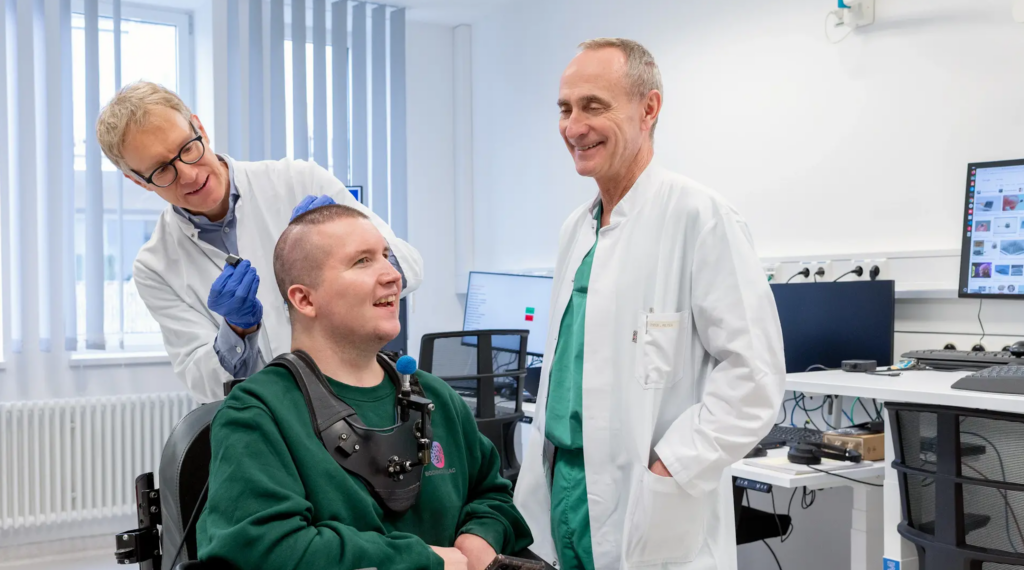
Once considered impossible, restoring movement after paralysis is becoming a reality thanks to EU-funded researchers who have developed a device that reconnects the brain to the body Spinal cord injury (SCI) remains one of the most devastating neurological conditions, severing communication between the brain and the body and leaving millions worldwide with permanent paralysis. Despite…
The power of the mind

The power of the mind

Michael Mehringer is paralyzed from the neck down. Together with a team of neuroscientists, neurosurgeons, robotics experts, and AI researchers, he is working to gain more autonomy through a brain-computer interface The arm on the computer screen looks like something out of a video game. The hand, joints, and arm bones are built from orange…
Mejorar el éxito de los trasplantes renales con medicina de precisión asistida por inteligencia artificial

Improving the success of kidney transplants with AI-supported precision medicine

With chronic kidney disease affecting over 100 million Europeans and costing around EUR 140 billion annually, EU-TRAIN helps address the urgent need for more accurate diagnostics For patients with end-stage kidney disease, an organ transplant can be their best hope for recovery. Yet despite medical advances such as immunosuppressive drugs, around 10 % of kidney…
Catching up with Impactor: Driving innovation in hip replacement surgery with ImpacTell’s smart hammer

Catching up with Impactor: Driving innovation in hip replacement surgery with ImpacTell’s smart hammer

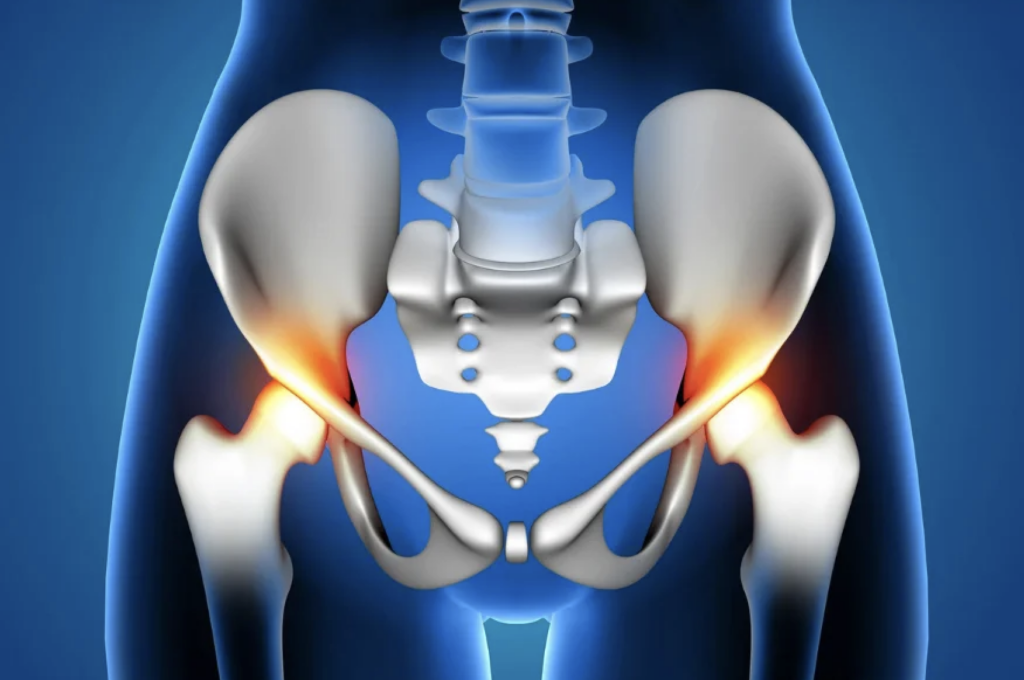
Thanks to the EU backing, French company ImpacTell is preparing to market its instrumented hammer that offers orthopaedic surgeons objective and reliable estimates of implant stability The EU-funded Impactor project was launched in 2022 to develop an instrumented hammer – a medical device that allows surgeons to assess the stability of orthopaedic implants used in…
New blood test for early detection of amyotrophic lateral sclerosis

New blood test for early detection of amyotrophic lateral sclerosis

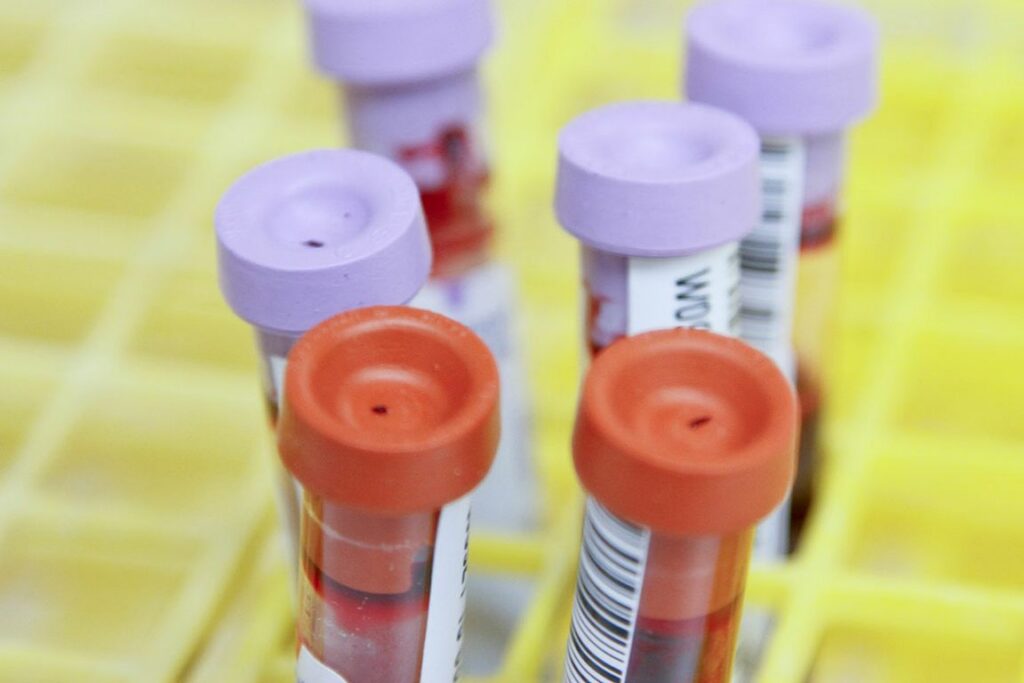
Researchers have identified proteins in the blood that can detect amyotrophic lateral sclerosis with great accuracy up to 10 years before symptoms appear. Research supported in part by the EU-funded BRAINTEASER and HEREDITARY projects has led to the identification of proteins in blood that can accurately detect amyotrophic lateral sclerosis (ALS) up to a decade…
Shaping the future of biomedicine with smart nanobot swarms

Shaping the future of biomedicine with smart nanobot swarms

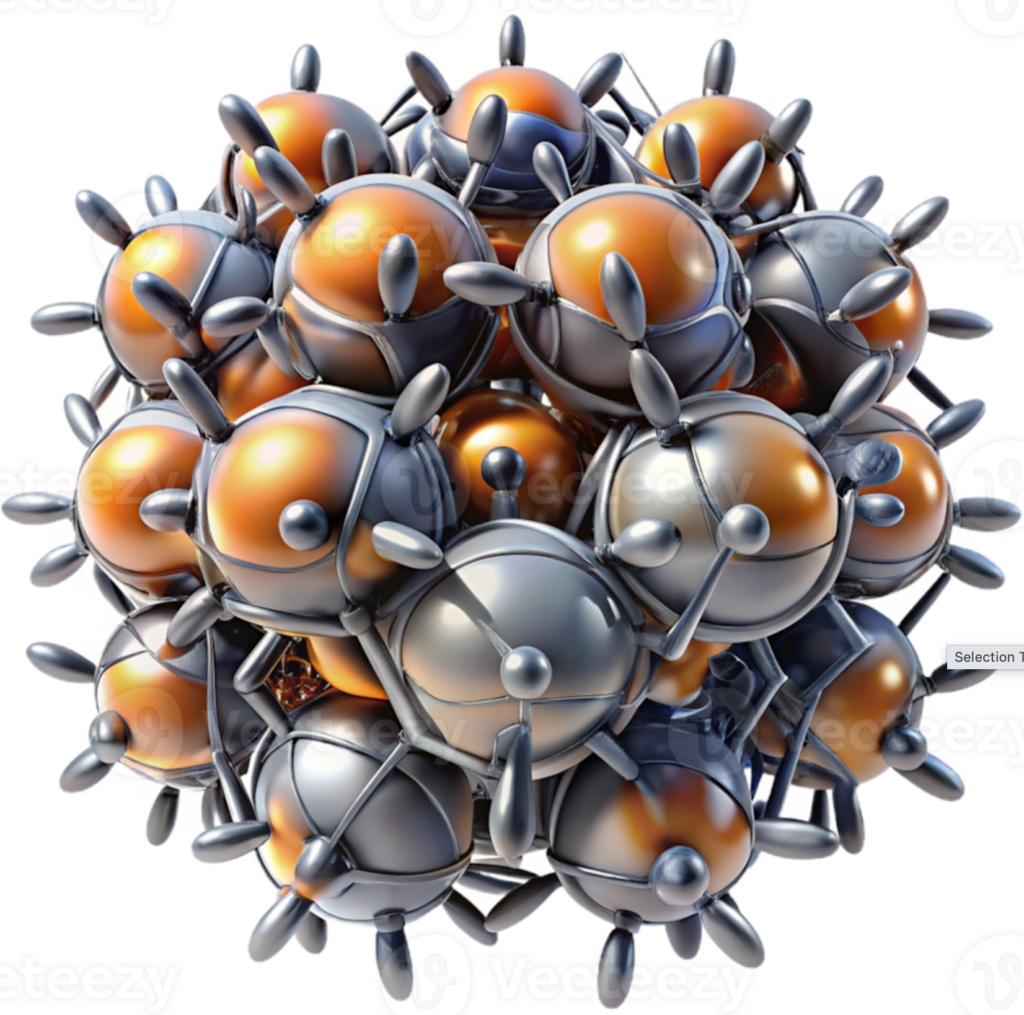
The EU-funded i-NANOSWARMS project is developing intelligent self-powered nanosystems that can cooperate, communicate and interact among themselves, promising novel biomedical applications Can nanobots be made to move collectively like flocks of birds and schools of fish? Replicating the complexity of movement and cooperative behaviour found in systems in nature is no small feat, but the…
Inteligencia artificial para dar sentido a grandes cantidades de datos biomédicos

Making sense out of vast amounts of biomedical data with AI

Researchers invent new artificial intelligence solutions to turn vast amounts of medical data into actionable insights Genomes, proteomes, metabolomes, exposomes – when it comes to human cells and tissues, there’s no shortage of data. The question is: ‘what do we do with it’? “We have vast amounts of data, but existing methods for dealing with…