Medical Innovation

Fusing genomics and AI to personalise heart care

Fusing genomics and AI to personalise heart care

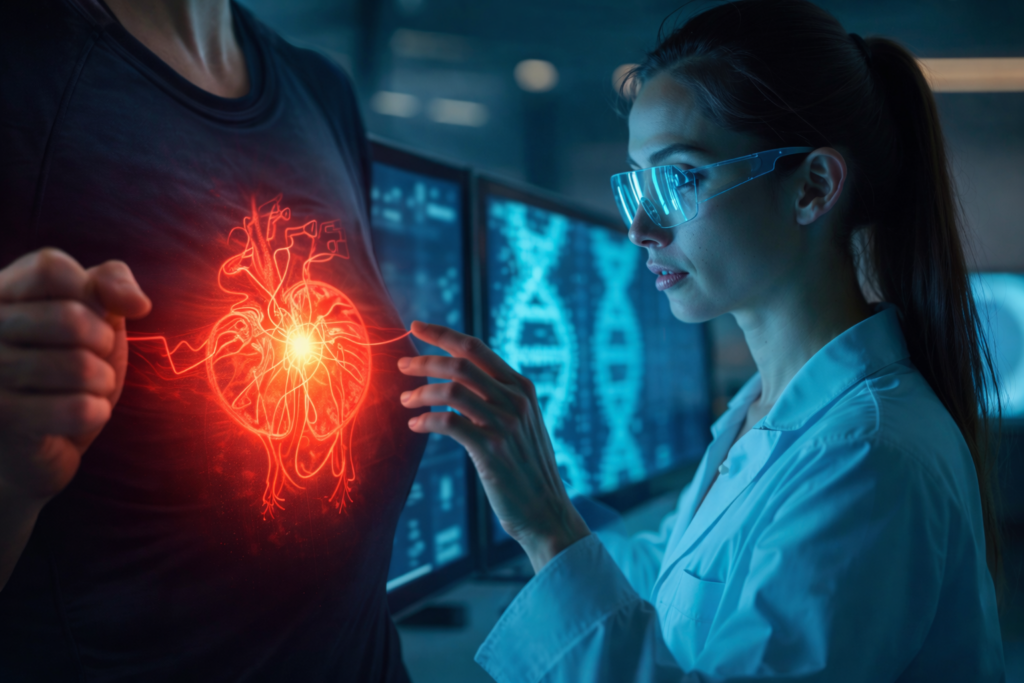
The NextGen project integrates genomics and clinical data into AI systems to revolutionise the prevention, diagnosis and treatment of cardiovascular diseases The EU-funded NextGen(opens in new window) project is transforming cardiology by merging genomic sequences with clinical data into a secure ‘digital fabric’. This breakthrough enables AI models to deliver truly personalised therapies for heart…
Reconnecting body and brain: Europe’s breakthrough in reversing paralysis

Reconnecting body and brain: Europe’s breakthrough in reversing paralysis

Once considered impossible, restoring movement after paralysis is becoming a reality thanks to EU-funded researchers who have developed a device that reconnects the brain to the body Spinal cord injury (SCI) remains one of the most devastating neurological conditions, severing communication between the brain and the body and leaving millions worldwide with permanent paralysis. Despite…
The power of the mind

The power of the mind

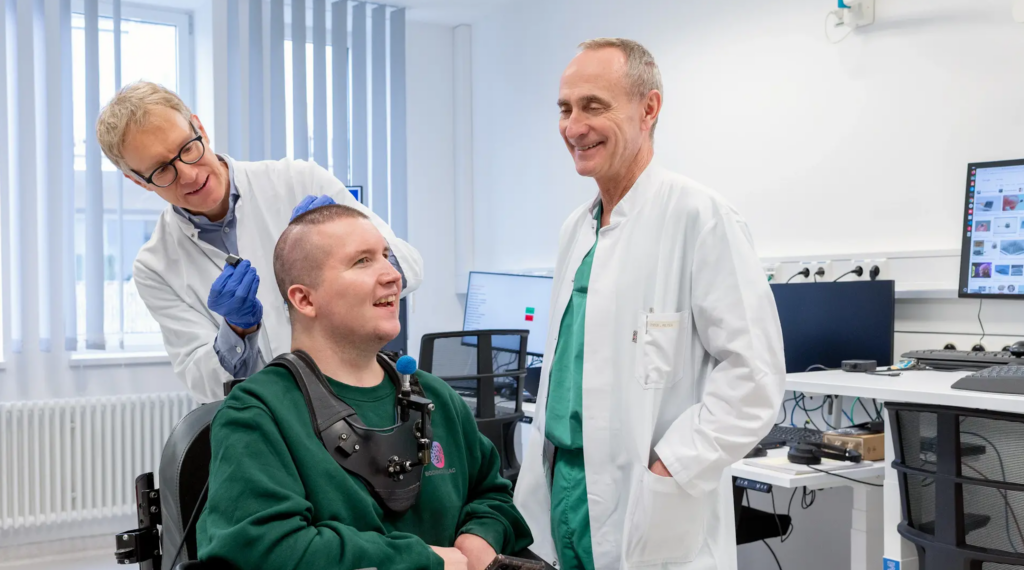
Michael Mehringer is paralyzed from the neck down. Together with a team of neuroscientists, neurosurgeons, robotics experts, and AI researchers, he is working to gain more autonomy through a brain-computer interface The arm on the computer screen looks like something out of a video game. The hand, joints, and arm bones are built from orange…
Mejorar el éxito de los trasplantes renales con medicina de precisión asistida por inteligencia artificial

Improving the success of kidney transplants with AI-supported precision medicine

With chronic kidney disease affecting over 100 million Europeans and costing around EUR 140 billion annually, EU-TRAIN helps address the urgent need for more accurate diagnostics For patients with end-stage kidney disease, an organ transplant can be their best hope for recovery. Yet despite medical advances such as immunosuppressive drugs, around 10 % of kidney…
Demystifying migraine

Demystifying migraine

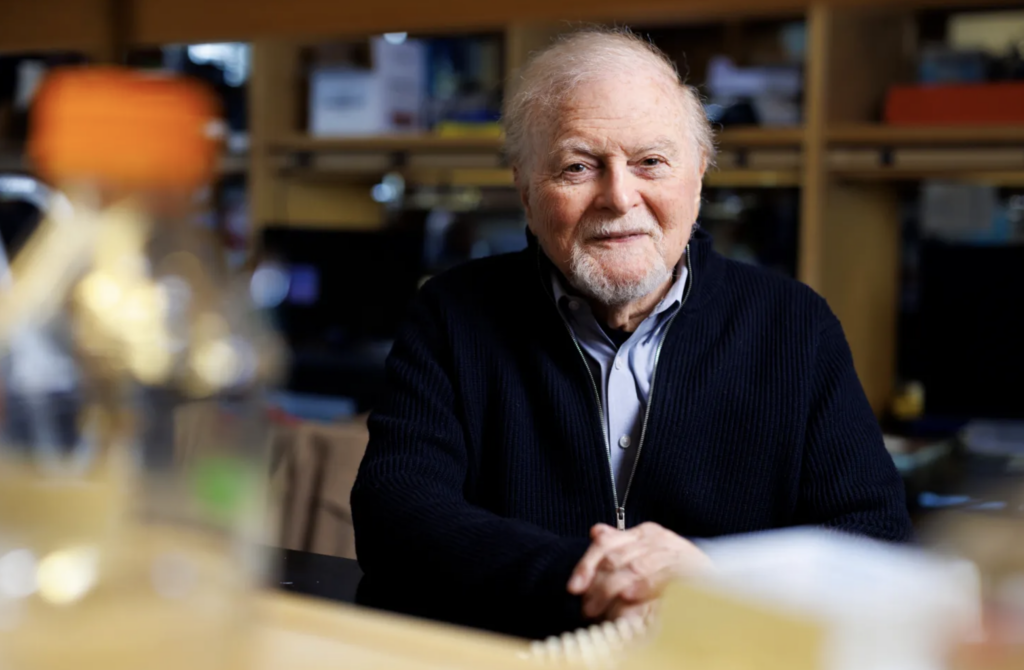
‘It’s not an imagined headache, and it’s not a mild condition,’ says Michael Moskowitz, Brain Prize recipient for his dogma-defying research About 15 percent of people worldwide suffer from migraine, a neurological condition that can cause headache, nausea, visual disturbances, and sensitivity to light and sound.  After stroke and neonatal brain injuries, migraine is the…
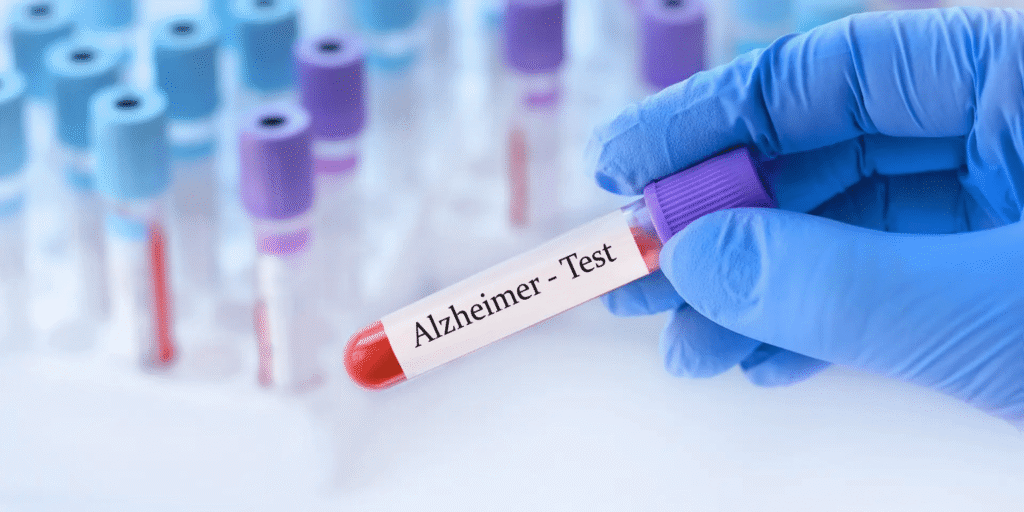
Spotting Alzheimer’s early with a simple blood test

Spotting Alzheimer’s early with a simple blood test

EU-backed researchers are pioneering a minimally invasive, graphene-based tool for detecting Alzheimer’s disease years before symptoms appear The early detection of Alzheimer’s disease remains one of the most pressing challenges in modern neurology. With current approaches relying on expensive imaging techniques or invasive cerebrospinal fluid analysis, patients frequently end up being diagnosed at advanced stages,…
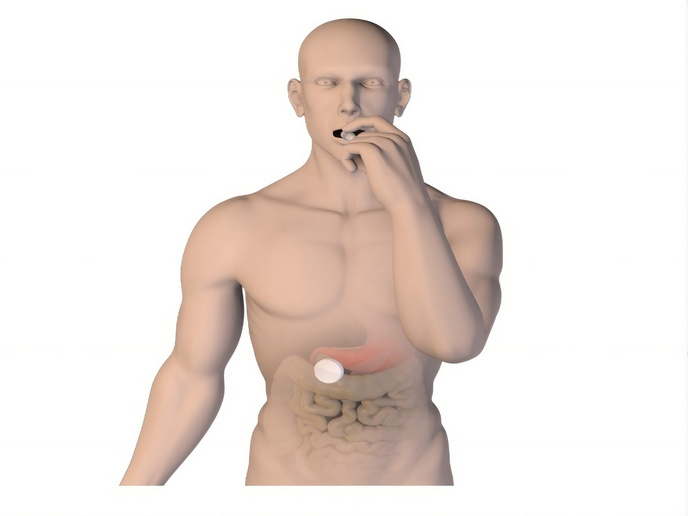
Páncreas artificial implantable para la diabetes de tipo 1

Implantable artificial pancreas for type I diabetes

A fully implantable device that mimics the pancreas could dramatically ease life for people with type I diabetes Type 1 diabetes is an autoimmune condition in which the pancreas can no longer secrete insulin. For millions of people, this translates into measuring glucose, monitoring carbohydrate consumption and injecting insulin on a daily basis. Hybrid closed-loop…
Building Europe’s frontline against future pandemics

Building Europe’s frontline against future pandemics

Dr Lennie Derde, newly appointed CEO of the Ecraid medical research network, explains how European collaboration and EU support are strengthening clinical research readiness By Horizon Magazine StaffBeing prepared for emerging infectious diseases is not only about responding to emergencies. It also means having the right research systems in place every day, so that new…
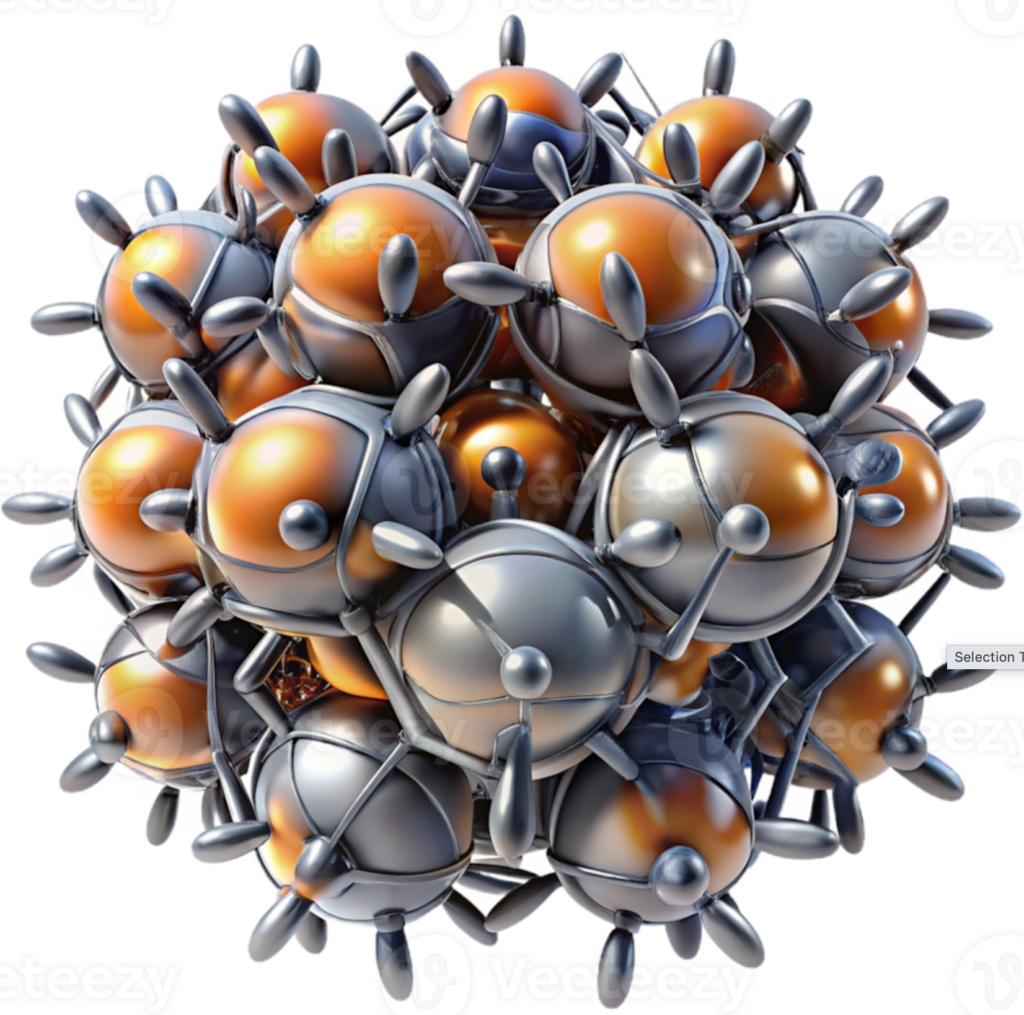
Shaping the future of biomedicine with smart nanobot swarms

Shaping the future of biomedicine with smart nanobot swarms

The EU-funded i-NANOSWARMS project is developing intelligent self-powered nanosystems that can cooperate, communicate and interact among themselves, promising novel biomedical applications Can nanobots be made to move collectively like flocks of birds and schools of fish? Replicating the complexity of movement and cooperative behaviour found in systems in nature is no small feat, but the…
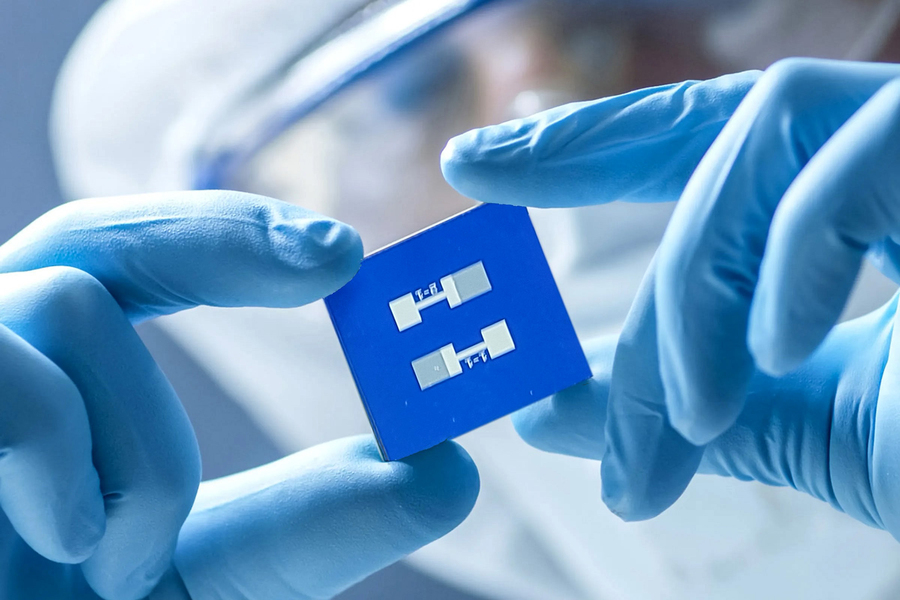
Startup’s biosensor makes drug development and manufacturing cheaper

Startup’s biosensor makes drug development and manufacturing cheaper

Protein sensor developed by alumna-founded Advanced Silicon Group can be used for research and quality control in biomanufacturing In the biotech and pharmaceutical industries, ELISA tests provide critical quality control during drug development and manufacturing. The tests can precisely quantify protein levels, but they also require hours of work by trained technicians and specialized equipment.…

Latest News