Healthtech

Un médico con inteligencia artificial ayudará en el tratamiento del cáncer de estómago

AI-powered clinician to aid stomach cancer treatment

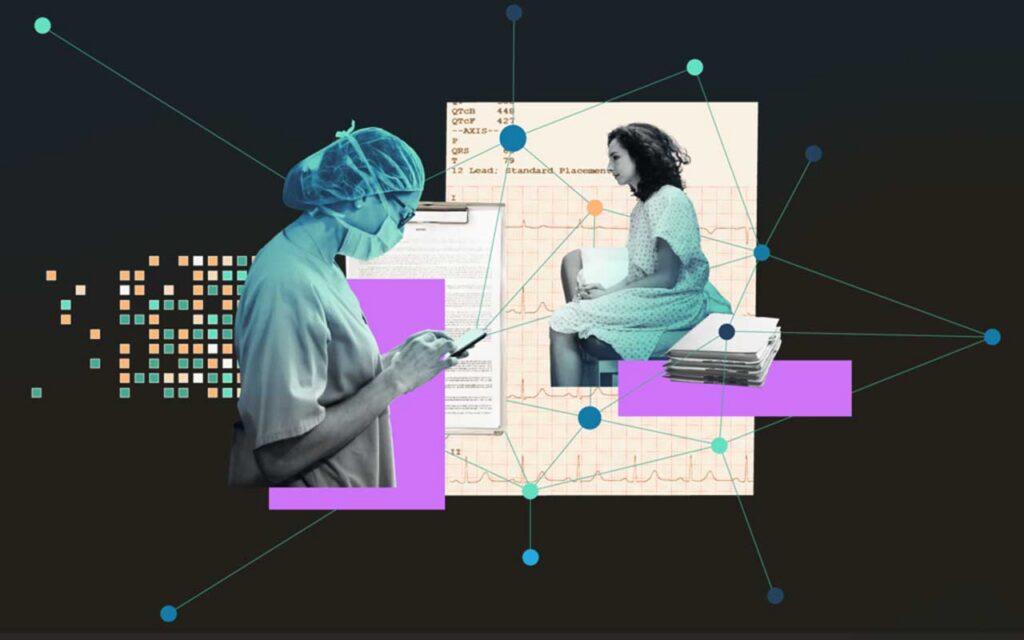
EU-backed researchers developed an AI system that personalises treatment for stomach cancer-causing bacterium An international team of researchers has developed a reinforcement learning-based AI-powered diagnostic assistant that can tailor treatment for Helicobacter pylori, a bacterium considered to be the leading cause of stomach cancer worldwide. Supported by the EU-funded AIDA(opens in new window) project, as…
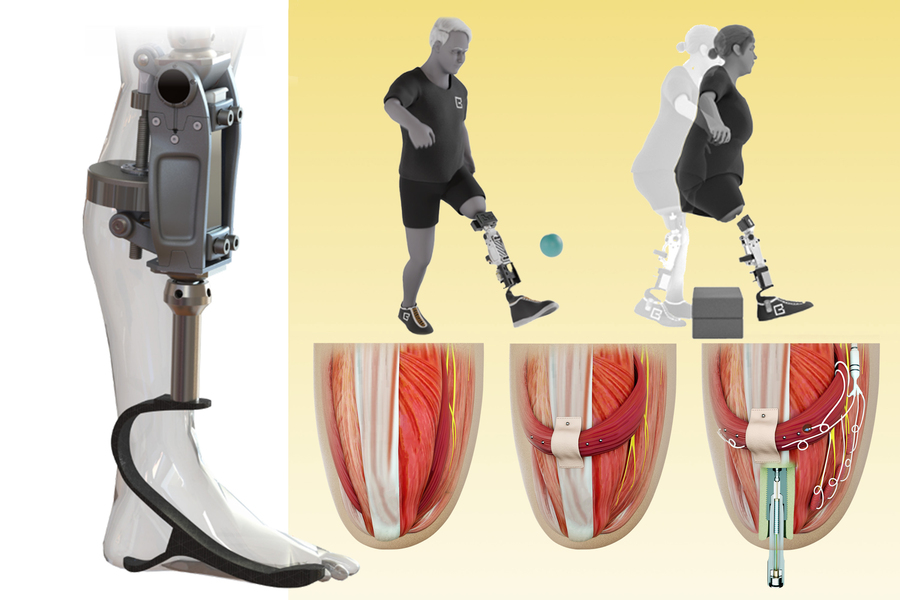
A bionic knee integrated into tissue can restore natural movement

A bionic knee integrated into tissue can restore natural movement

In a small clinical study, users of this prosthesis navigated more easily and said the limb felt more like part of their body MIT researchers have developed a new bionic knee that can help people with above-the-knee amputations walk faster, climb stairs, and avoid obstacles more easily than they could with a traditional prosthesis. Unlike…
La inteligencia artificial lleva la asistencia sanitaria al borde del mañana

AI brings healthcare to the edge of tomorrow

Tools developed by the AI-SPRINT project are helping healthcare researchers to integrate the power of data into patient care Artificial intelligence (AI) has the potential to have a major impact on the life sciences, especially healthcare. But delivering on that potential will require data – and lots of it. To get that data, developers must…
Prevenir las enfermedades transmitidas por mosquitos con inteligencia artificial y ciencia ciudadana

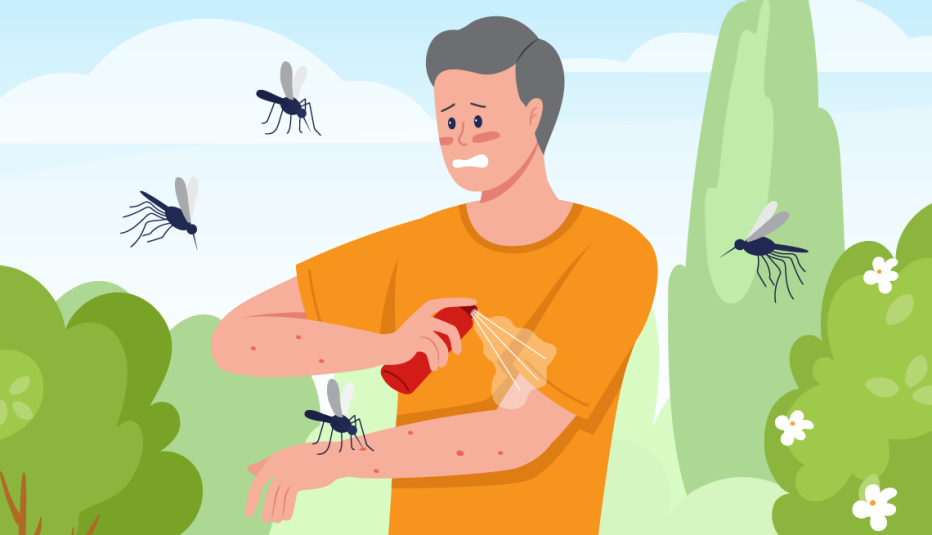
Preventing mosquito-borne diseases with AI and citizen science

Through combining citizen science and artificial intelligence, the EU-funded H-MIP project is helping to inform public health prevention strategies and increase understanding of mosquito-borne diseases. Whether it be dengue, chikungunya, Zika or malaria, mosquito-borne diseases are on the rise. In fact, every year mosquitoes are responsible for nearly 700 million infections and over 1 million…
Stanford researchers demonstrate the milli-spinner, a breakthrough device for removing blood clots without rupture

A game-changing way to treat stroke

Researchers at Stanford have developed a new technology for removing blood clots that is more than twice as effective as current techniques Breakthrough blood clot removal device doubles success rate When treating an ischemic stroke – where a clot is blocking the flow of oxygen to the brain – every minute counts. The more quickly…
Microfluidic smart bandage monitors chronic wounds and accelerates healing with real-time data

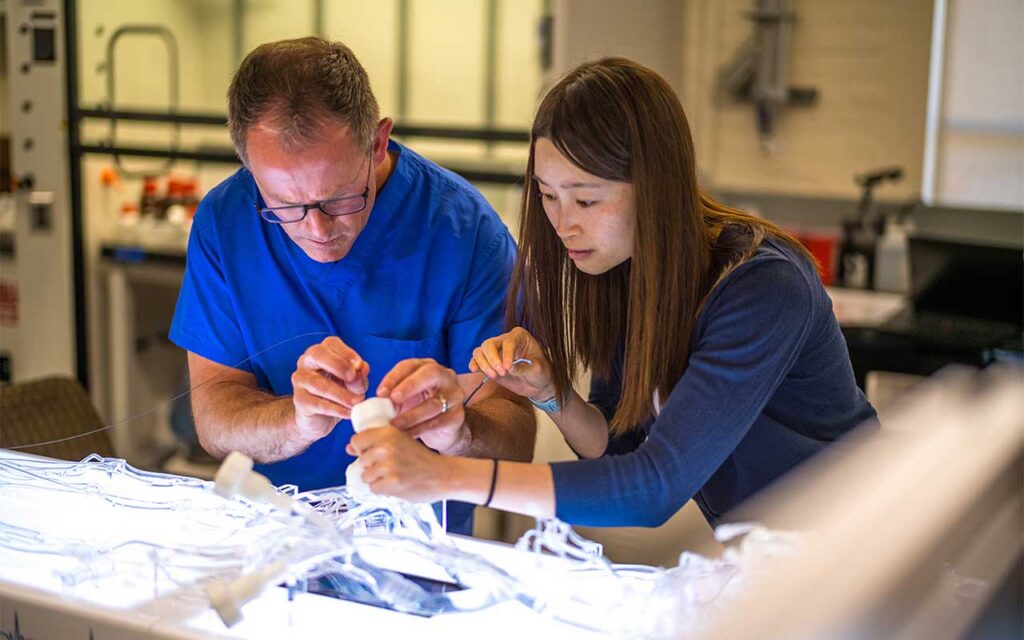
Smart Bandage Clears New Hurdle: Monitors Chronic Wounds in Human Patients

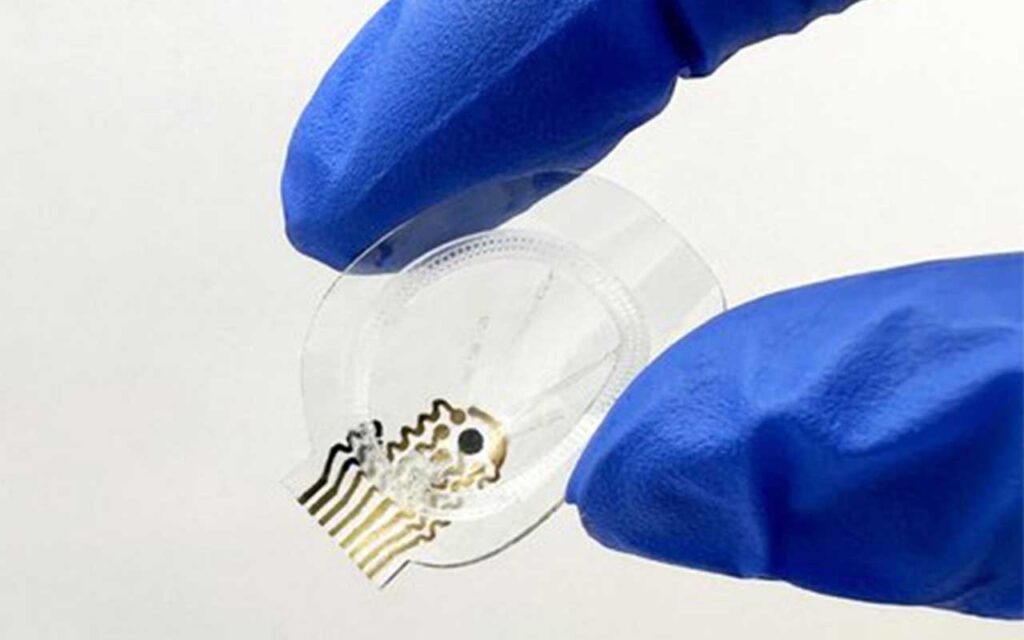
Outfitted with three different microfluidic components—miniature modules that channel and otherwise control the flow of liquids—clears excess moisture from wounds while providing real-time data about biomarkers present Caltech professor of medical engineering Wei Gao and his colleagues are envisioning a smart bandage of the future—a "lab on skin" that could not only help patients and…
AI transforming healthcare: medical experts discuss benefits, bias, and innovation in clinical settings and research labs

Machine healing

Artificial intelligence is up to the challenge of reducing human suffering, experts say. Are we? When Adam Rodman was a second-year medical student in the 2000s, he visited the library for a patient whose illness had left doctors stumped. Rodman searched the catalog, copied research papers, and shared them with the team. “It made a…
Are we ready for the next global pandemic? AI here to help

Are we ready for the next global pandemic? AI here to help

AI advances could tackle future disease outbreaks, says international study. The COVID-19 crisis may already be a few years behind us. But questions inevitably arise if we’re adequately prepared for a future pandemic. AI is radically changing the way we live and work. It’s also poised to change research in infectious diseases. Can AI also…
U of T researchers integrate crucial immune cells onto heart-on-a-chip platform

U of T researchers integrate crucial immune cells onto heart-on-a-chip platform

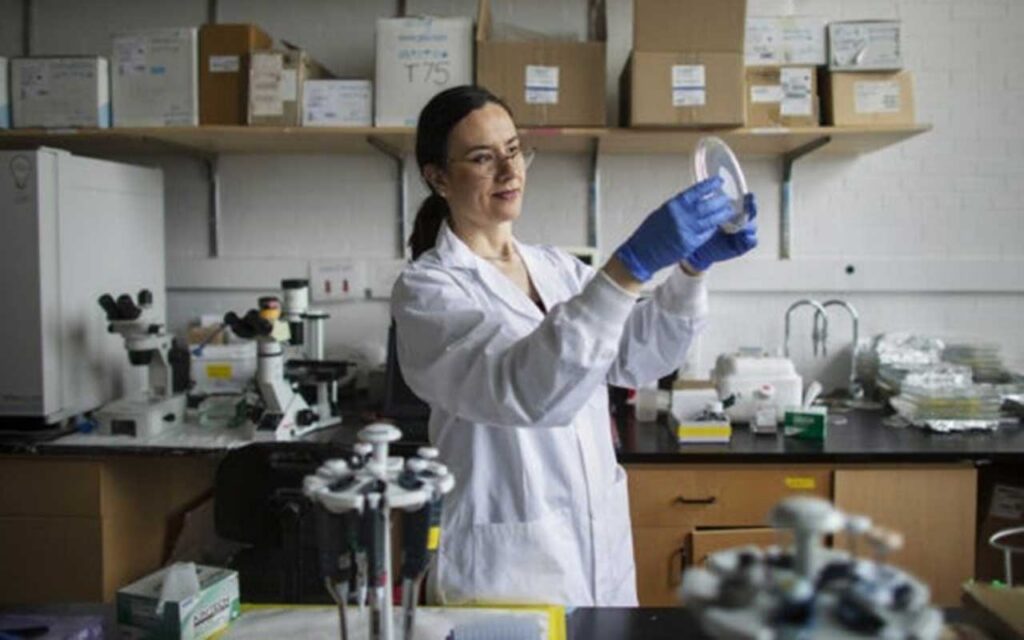
The immune cells, known as primitive microphages, were found to enhance heart tissue function and vessel stability Researchers at the University of Toronto have discovered a novel method for incorporating primitive microphages – crucial immune cells – into heart-on-a-chip technology, in a potentially transformative step forward in drug testing and heart disease modeling. In a…
Robots al rescate en casos de aislamiento hospitalario

Robots to the rescue in hospital isolation cases

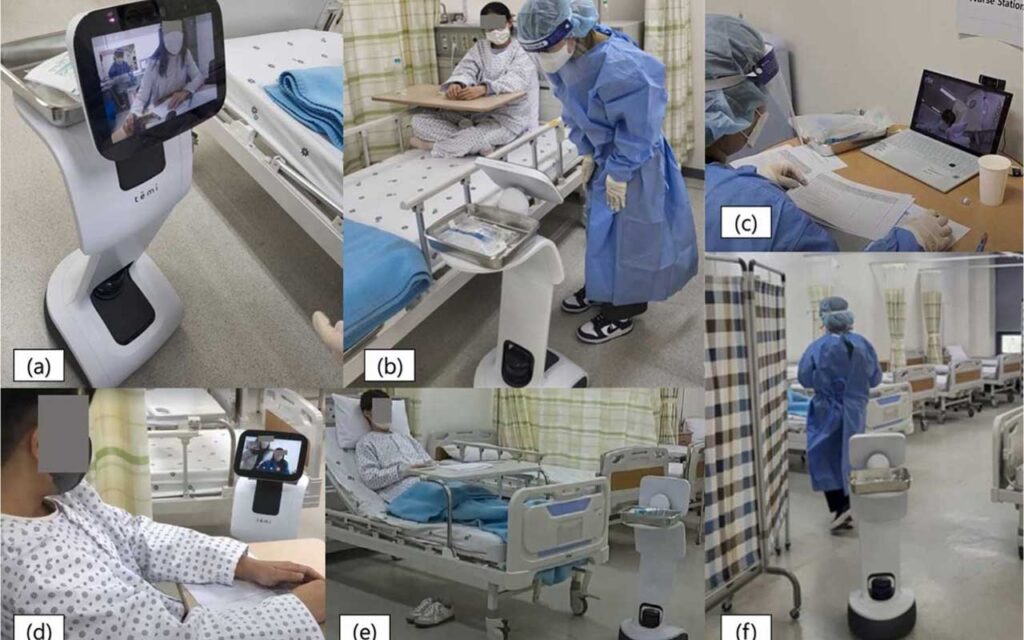
A robotic unit developed for the nuclear sector is now being tested for hospital patient isolation situations where staff are exposed to unnecessary risk A robot designed to inspect plastic pipes in nuclear power plants is now providing valuable assistance to hospital centres. Developed as part of the EU-funded El-Peacetolero project, the teleoperated mobile omnidirectional…