Environment

Eleven ways to improve climate resilience across the Mediterranean

Eleven ways to improve climate resilience across the Mediterranean

DRYAD selects 11 nature-based solutions for more resilient farming, grazing and woodland landscapes in Mediterranean regions The EU-funded DRYAD(opens in new window) project has selected the most fitting nature-based solutions (NbSs) to help agro-silvo-pastoral systems in the Mediterranean become more resilient to climate challenges. Initially numbering 40, then whittled down to 13 and finally 11,…
A wildfire management approach for more climate-resilient land systems

A wildfire management approach for more climate-resilient land systems

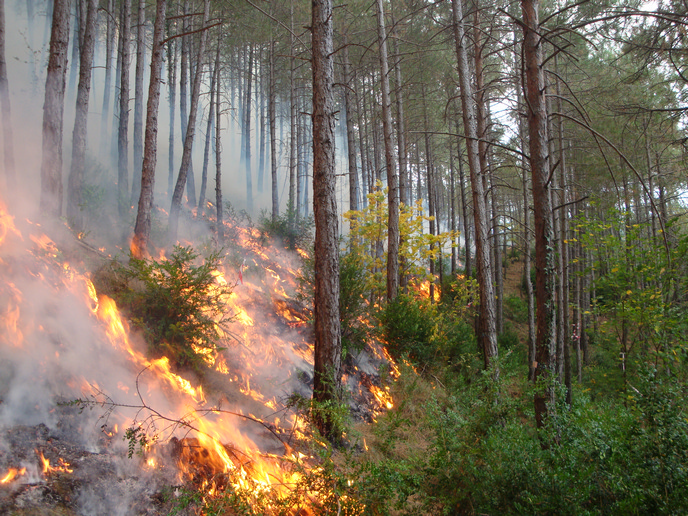
An interdisciplinary project is designing and testing solutions to strengthen EU resilience against extreme wildfires through better preparedness, monitoring and response In the summer of 2025, Europe experienced one of its worst seasons in terms of wildfire damage: a total burnt area of 1 034 552 hectares(opens in new window) was recorded, marking a significant…
EBENTO Unveils a New Model for Energy Efficiency Contracts, Making Building Renovation Smarter and More Comfortable

EBENTO Unveils a New Model for Energy Efficiency Contracts, Making Building Renovation Smarter and More Comfortable

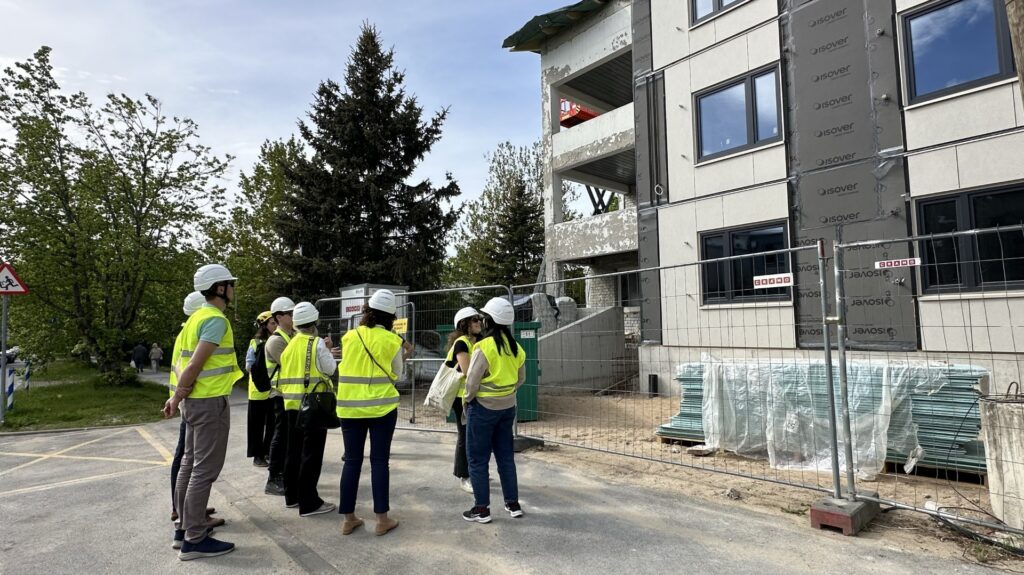
This model simplifies the renovation process while guaranteeing both energy savings and indoor comfort The EBENTO project, funded under the European Union’s Horizon Europe programme and led by ETRA I+D, has unveiled a groundbreaking new framework for Energy Performance Contracts (EnPCs) that redefines how energy renovation is delivered across Europe. Fully integrated into the EBENTO…
Pointing the way to climate resilience in south-east Europe

Pointing the way to climate resilience in south-east Europe

How effective are the nature-based solutions implemented in Bulgaria, Romania and Slovenia? A new report compares their climate adaptation strategies, highlighting challenges and opportunities The EU-funded ARCADIA(opens in new window) project has published a report(opens in new window) comparing the effectiveness of nature-based solutions (NbSs) across the regions of Plovdiv (Bulgaria), Centru (Romania) and Podravje…
Amid Record Heat and $320B in Disaster Losses, Leading Cities Opens QBE AcceliCITY Humanitarian Challenge 2025

Amid Record Heat and $320B in Disaster Losses, Leading Cities Opens QBE AcceliCITY Humanitarian Challenge 2025

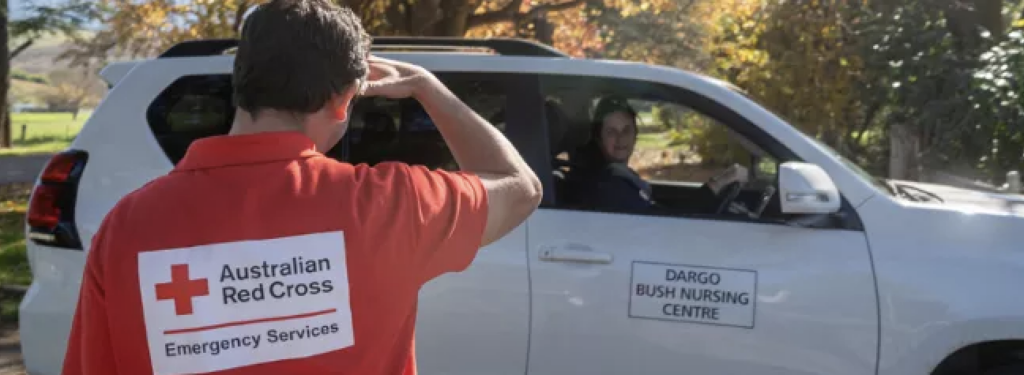
The QBE AcceliCITY Humanitarian Challenge is a unique cross-sector collaboration between Australian Red Cross, QBE Foundation and Leading Cities, focused on scaling community-led solutions for climate resilience Communities are facing the sharpest rise in climate-driven emergencies in modern records: 2024 was confirmed as the warmest year on record (≈1.55°C above pre-industrial), global disaster losses reached…
Recuperación inteligente de aguas residuales para una industria alimentaria más ecológica

Smart wastewater recovery for a greener food industry

The food and beverage industry spend large quantities of water in its streams. Digital tools can improve resource management and promote sustainable production systems Water is essential for the production of food and beverages, a sector that ranks among the most water- and energy-intensive globally. With climate change, rising water costs, and increasing pressure to…
Battling the heat: Europe takes action to protect health in a warming world

Battling the heat: Europe takes action to protect health in a warming world

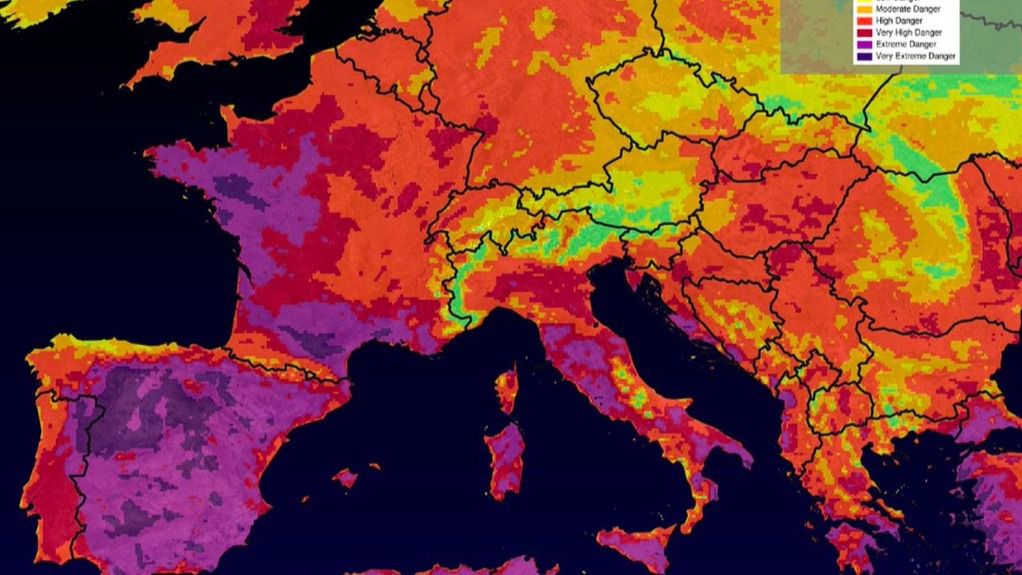
EU-funded researchers are developing strategies to protect people from rising temperatures, focusing on vulnerable groups and clearer climate-health communication.  By Vittoria D’Alessio The environmental impact of climate change – shifting weather patterns or vanishing biodiversity – is widely recognised. But do we truly understand the toll rising temperatures are taking on human health? Members of…
Removing greenhouse gases from the atmosphere

Removing greenhouse gases from the atmosphere

Greenhouse gases are warming our planet, causing extreme weather and harming the health of populations across the globe As we come ever closer to the 1.5°C global warming limit, set in the 2015 Paris Agreement, it's clear that it isn't enough to just limit the amount of new greenhouse gas emissions – we also need…
Fighting environmental pollution with microbes

Fighting environmental pollution with microbes

Two EU-funded projects met to promote collaboration, share progress and tackle common challenges in advancing bioremediation. Their goal is to combat environmental pollution The EU-funded BIOSYSMO(opens in new window) and MIBIREM(opens in new window) projects have a common goal: to sustainably remediate contaminated environments using microbes. On 19 and 20 March 2025, the two projects’…
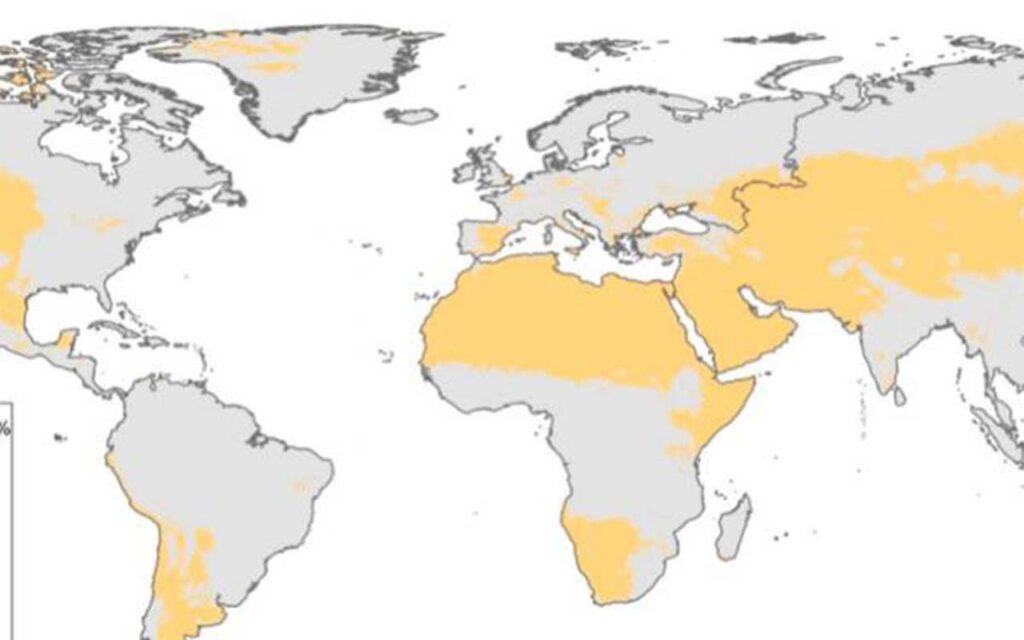
High-resolution global groundwater sulfate distribution map highlighting contamination hotspots and public health risks.

Advancing Water Quality Assessment

HKUST Researchers Introduce World’s First High-Resolution Global Groundwater Sulfate Distribution Map Uncovering Public Health Risks A recent study by the Hong Kong University of Science and Technology (HKUST) has revealed a startling public health threat: About 17 million people are at risk of gastrointestinal problems due to excessive sulfate levels in groundwater. This alarming finding…