Environment

New research on microbes expands the known limits for life on Earth and beyond

New research on microbes expands the known limits for life on Earth and beyond

Stanford study on microbes in extremely salty water suggests life may survive conditions previously thought to be uninhabitable New research led by Stanford University scientists predicts life can persist in extremely salty environments, beyond the limit previously thought possible. The study, published Dec. 22 in Science Advances, is based on an analysis of metabolic activity in…
Fungi and future forest health

Fungi and future forest health

New research from Stanford suggests climate change will disrupt many age-old partnerships between aspen trees and fungi that are essential to healthy forests Standing in an aspen grove, surrounded by slender white trunks and a canopy of leaves that rustle in the slightest breeze, it’s easy to think only of the trees.  Hidden in the…
Twenty-year study confirms California forests are healthier when burned — or thinned

Twenty-year study confirms California forests are healthier when burned — or thinned

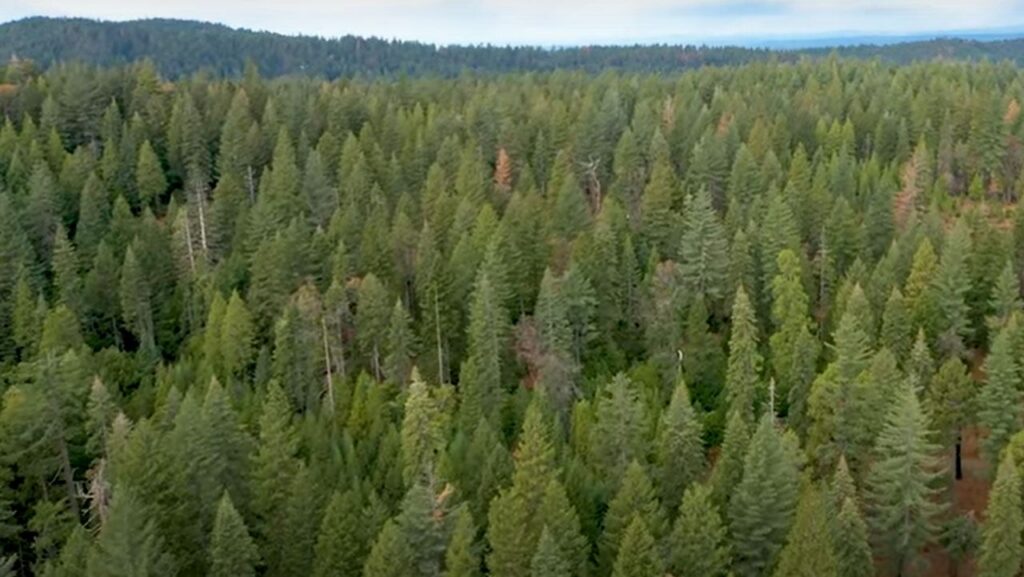
UC Berkeley researchers found that prescribed burning, restoration thinning can reduce wildfire risk and boost a forest’s resilience to climate change. And, using any combination of these treatments is far better than doing nothing A 20-year experiment in the Sierra Nevada confirms that different forest management techniques — prescribed burning, restoration thinning or a combination…
Learning from when the earth moves

Learning from when the earth moves

Indonesia plans to build a new capital city from scratch and protecting the new city from the effects of earthquakes will be crucial Professor Nick Rawlinson is fascinated by the shifting crust of the planet, the jostle of tectonic plates, the rupture of faults and the shaking of the earth. As a seismologist, he uses…
Lynxes and vultures offer insights into European wildlife conservation

Lynxes and vultures offer insights into European wildlife conservation

EU research is providing the most far-reaching analysis of efforts to boost wild-cat populations and aiding scavengers that help balance the ecosystem Anybody wondering about the hands-on challenges of wildlife conservation in Europe should consider a recent tale. It involves a wild cat, tracking signals and an eye-opening journey. In spring 2023, environmentalists captured an…
New study by the University of Oxford finds that sewage release is worse for rivers than agriculture

New study by the University of Oxford finds that sewage release is worse for rivers than agriculture

The sewage discharge into rivers has a greater impact on water quality, and the animals and plants that live in rivers, than surrounding land use Rivers are crucial parts of the global water cycle, contain important biodiversity, and are essential for human health. However, water companies in the UK are allowed to release treated wastewater…
Lack of evidence hampers progress on corporate-led ecosystem restoration

Lack of evidence hampers progress on corporate-led ecosystem restoration

A near total lack of transparency is making it impossible to assess the quality of corporate-led ecosystem restoration projects, a new study finds An international team of scientists has analysed publicly available sustainability reports released by 100 of the world’s largest companies and found that despite many businesses claiming to actively rebuild damaged ecosystems, very…
Preventing outer space from becoming a hazardous junkyard

Preventing outer space from becoming a hazardous junkyard

As the number of objects launched into orbit grows, the EU is working to prevent debris from getting out of hand An upsurge in worldwide rocket and satellite launches into space means collisions are an increasing danger that EU research projects are seeking to curb. The number of satellites in space may exceed 100 000…
Earth’s core, replete with oceans and cyclones, is being demystified

Earth’s core, replete with oceans and cyclones, is being demystified

Details are emerging about the protective magnetic field that’s key to sustaining life At the centre of Earth is a vast ball of metal, the planet’s core. While unreachable without the help of Jules Verne, it can be studied and plays a vital role for the world. The iron-nickel interior generates a magnetic field that…
Animal heredity sheds light on survival and extinction risks

Animal heredity sheds light on survival and extinction risks

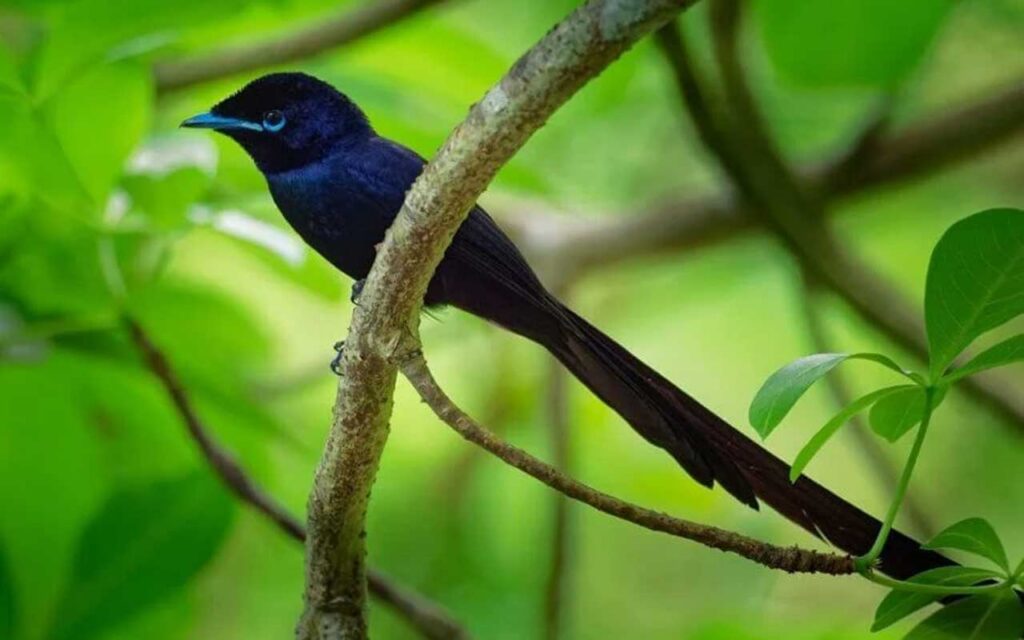
As biodiversity declines and causes reductions in the genetic variation of animals, historic genomes offer clues for conservation As recently as the early 1800s, thousands of Seychelles paradise flycatcher birds lived on at least five islands off the southeast coast of Africa. By the 1960s, just 28 of the winged creatures were left and all…