





From early economic activity along the Silk Road to modern-day Brazil. What are the unexpected impacts of the movement of labour and the flow of capital?
As the words ‘tariffs’, ‘economic growth’, ‘global trade’ and ‘sanctions’ fly around us, the economy and how markets are interlinked is something we are all growing more aware of.
What can antiquity tell us about the way networks of exchange evolve and the impact that has on inter-imperial economies – and can that shine a light on what we are experiencing now?
What can we learn from the movement of capital and labour in rural Brazil, from the agricultural sector to manufacturing.
Along with exploring movements of capital and labour, we also consider the economic characteristics of one market – healthcare. Is it fair and equitable – if not why? And how can that be improved?
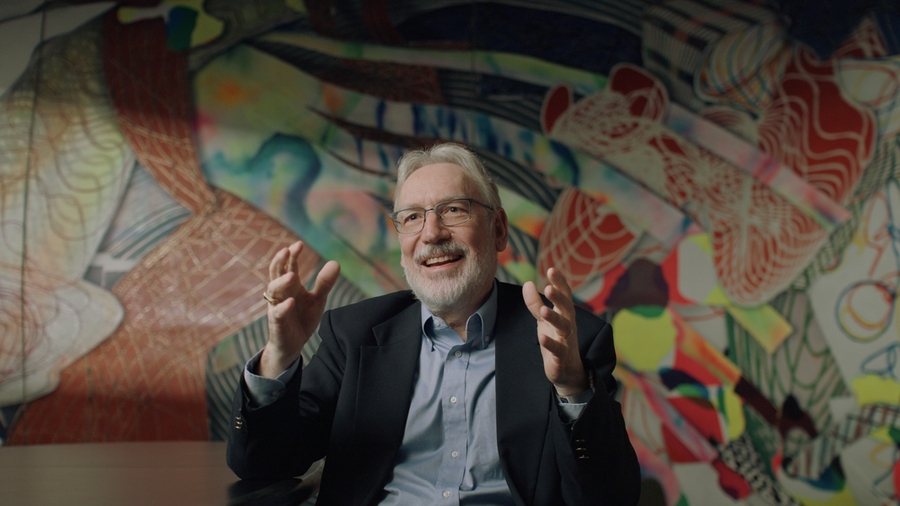
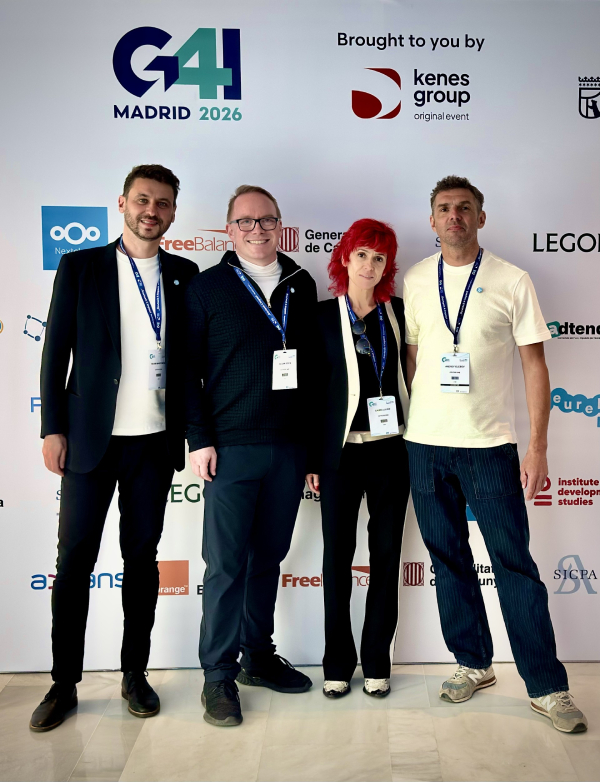
If these questions intrigue you, then our three guests may have some answers. Sitta von Reden(opens in new window) is professor of Ancient History at the University of Freiburg(opens in new window), Germany. She runs an interdisciplinary Graduate School on ‘Empires’ at the University, and her main interests are the ancient economy, money and ancient world history which she explored in the BaSaR project.
Paula Bustos(opens in new window) is research professor at Pompeu Fabra University(opens in new window), and affiliated professor at the Barcelona School of Economics(opens in new window). She conducts empirical investigations in economic development, guided by international trade theory, and coordinated the EDST project.
Susi Geiger(opens in new window) is professor of Markets, Organisations and Society at the College of Business, University College Dublin(opens in new window). Her research examines the organisation of markets, particularly in healthcare and technology. She focuses on alternative ways of improving public value and the common good. Geiger coordinated the MISFIRES project.