Articles

New study shows how the brain reacts emotionally to the real world

New study shows how the brain reacts emotionally to the real world

Scientists of Berkeley reveal how brain activity predicts a person's response — normal or abnormal — to an emotionally charged image In a new study, researchers were able to predict a person’s response to emotionally charged scenes using brain imaging and computer modeling alone — gauging not only whether the person’s reaction was positive, negative…
El efecto de la desconexión en el bienestar digital

The impact of disconnection on digital wellbeing

With a focus on digital inequalities and social norms, short and long-term studies explore how deliberate breaks from digital media impact wellbeing Society has been transformed by digital media. Constant access to the internet has affected how we work, socialise and stay informed. Many people choose to take breaks from digital media to protect their…
Why you like what you like

Why you like what you like

Your preferences aren’t as original as you may think, says behavioral scientist The Business School’s Michael I. Norton has explored the influence of social norms on individual choices in his research and in the books “Happy Money” and “The Ritual Effect.” We asked him about the process behind personal preferences. Our preferences vary from category…
When did fashion start?

When did fashion start?

From stone tools that prepared animal skins for humans to use as thermal insulation, to the advent of bone awls and eyed needles to create fitted and adorned clothing, Dr Ian Gilligan explores when we started to dress to impress. Clothing is understood as a significant component in shaping what makes us human. The emergence…
¿Cómo cambiará el clima en el lugar donde vives dentro de sesenta años?

How will the climate change where you live in 60 years?

New app offers a glimpse into the future for climate in thousands of cities, towns and suburbs around the world What will the climate be like five, 10 or even 50 years from now? How hot will summers be? Will it snow in winter? What could be reversed by reducing emissions? If climate continues to…
Brag about how busy you are at work? Don’t, says science

Brag about how busy you are at work? Don’t, says science

Highlighting work stress to demonstrate professionalism and commitment will likely backfire, reveals new study We’ve all had a co-worker who constantly talked about how busy they were, from bringing up their overloaded schedule to the late hours they put in. Or maybe it hits too close to home? Stress bragging has become the new workplace…
Do EU citizens feel less European?

Do EU citizens feel less European?

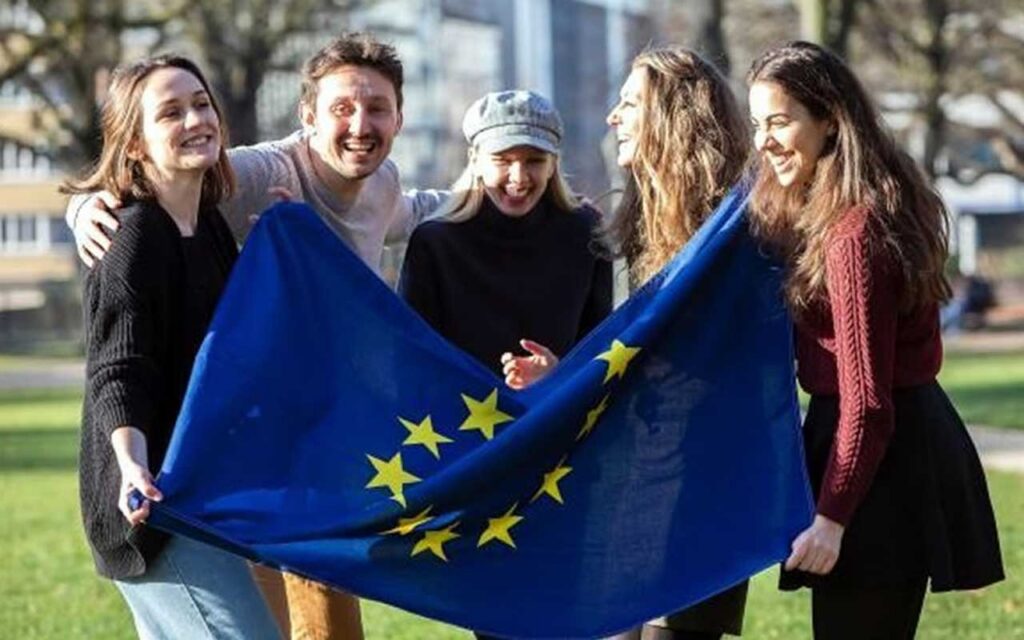
A team of researchers combined various opinion polls from 34 European countries over 41 years The 2024 European elections – the world’s largest multi-country vote – saw the rise of nationalist and Eurosceptic parties. Going back a few years, there was Brexit and the debt crisis. How have these and other major events negatively impacted…
The power of citizen science

The power of citizen science

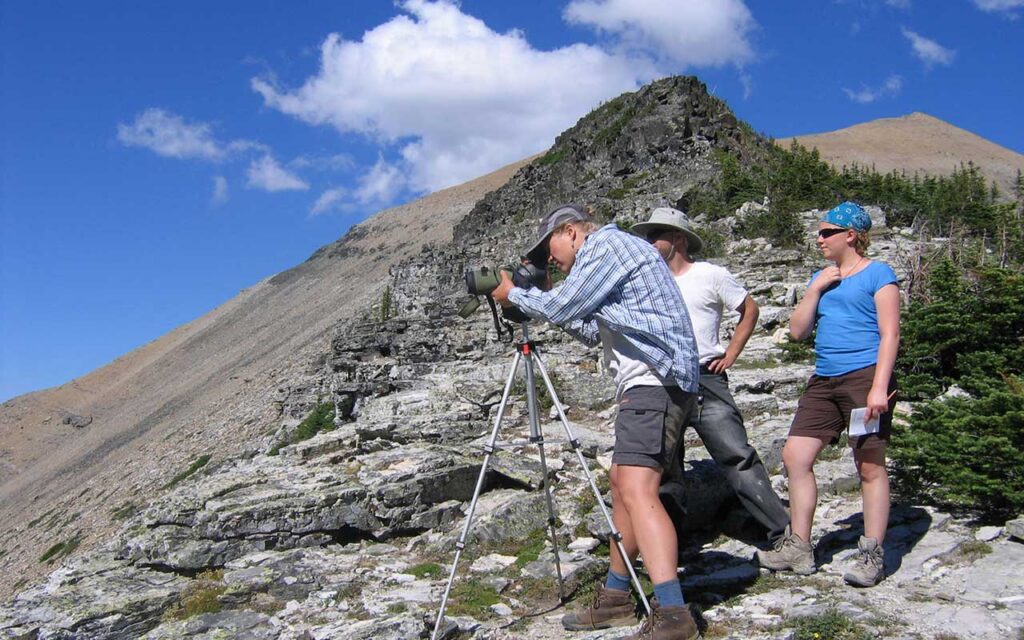
The team behind Stanford’s Our Voice citizen science research initiative explains the community-driven research practice being implemented in communities across the globe Scientific research isn’t just about laboratory work. With just a few quick photos or observations, anyone who is interested in working with others to improve their community can be a citizen scientist. Citizen…
The unexpected origins of a modern finance tool

The unexpected origins of a modern finance tool

Discounting calculations are ubiquitous today — thanks partly to the English clergy who spread them amid turmoil in the 1600s, an MIT scholar shows In the early 1600s, the officials running Durham Cathedral, in England, had serious financial problems. Soaring prices had raised expenses. Most cathedral income came from renting land to tenant farmers, who…
Better to be talented or lucky?

Better to be talented or lucky?

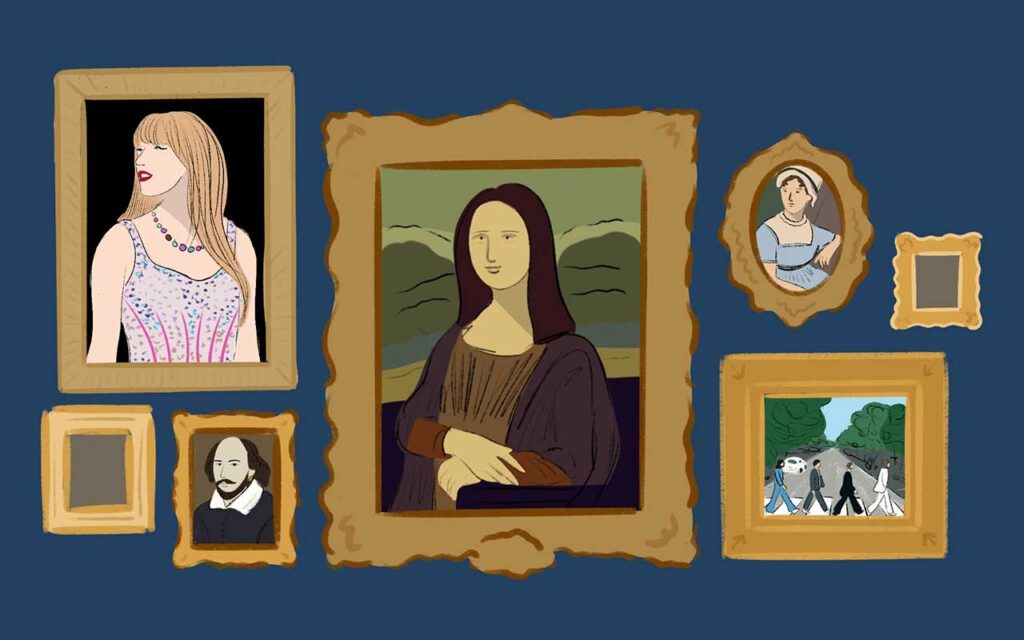
If you want fame, Cass Sunstein says, it typically requires some of both — and is no pure meritocracy The Beatles, William Shakespeare, or even Taylor Swift. The reason why these artists are so famous and admired surely must be because their talents are simply extraordinary and undeniable. Maybe … maybe not, says Harvard Law…