




Artificial Intelligence and new digital experiences are transforming culture into something closer, emotional and shareable, bringing masterpieces and historical heritage nearer to an increasingly connected society
For centuries, art waited in silence.
It lived behind the thick walls of museums, protected by distance, solemnity and sometimes even intimidation. Great masterpieces belonged to history, but not always to people. Many admired them from afar, as if culture itself required permission to be understood.
Today, that invisible barrier is beginning to disappear.
Technology is no longer knocking on the door of art: it already lives within it. Quietly. Elegantly. Naturally. Artificial Intelligence, immersive experiences, digital galleries and interactive applications are opening the doors of culture to a generation that no longer wants merely to observe the world, but to participate in it emotionally.
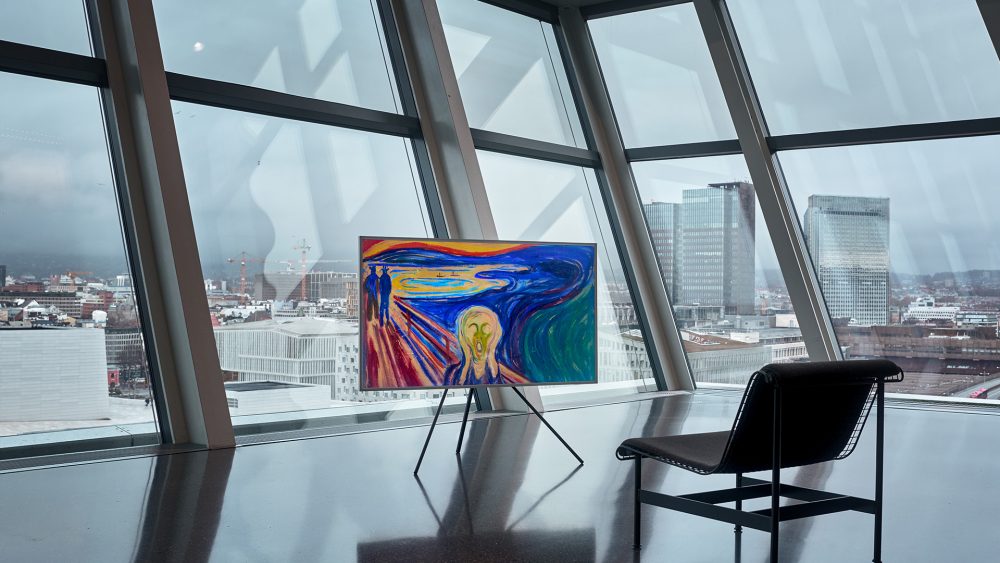
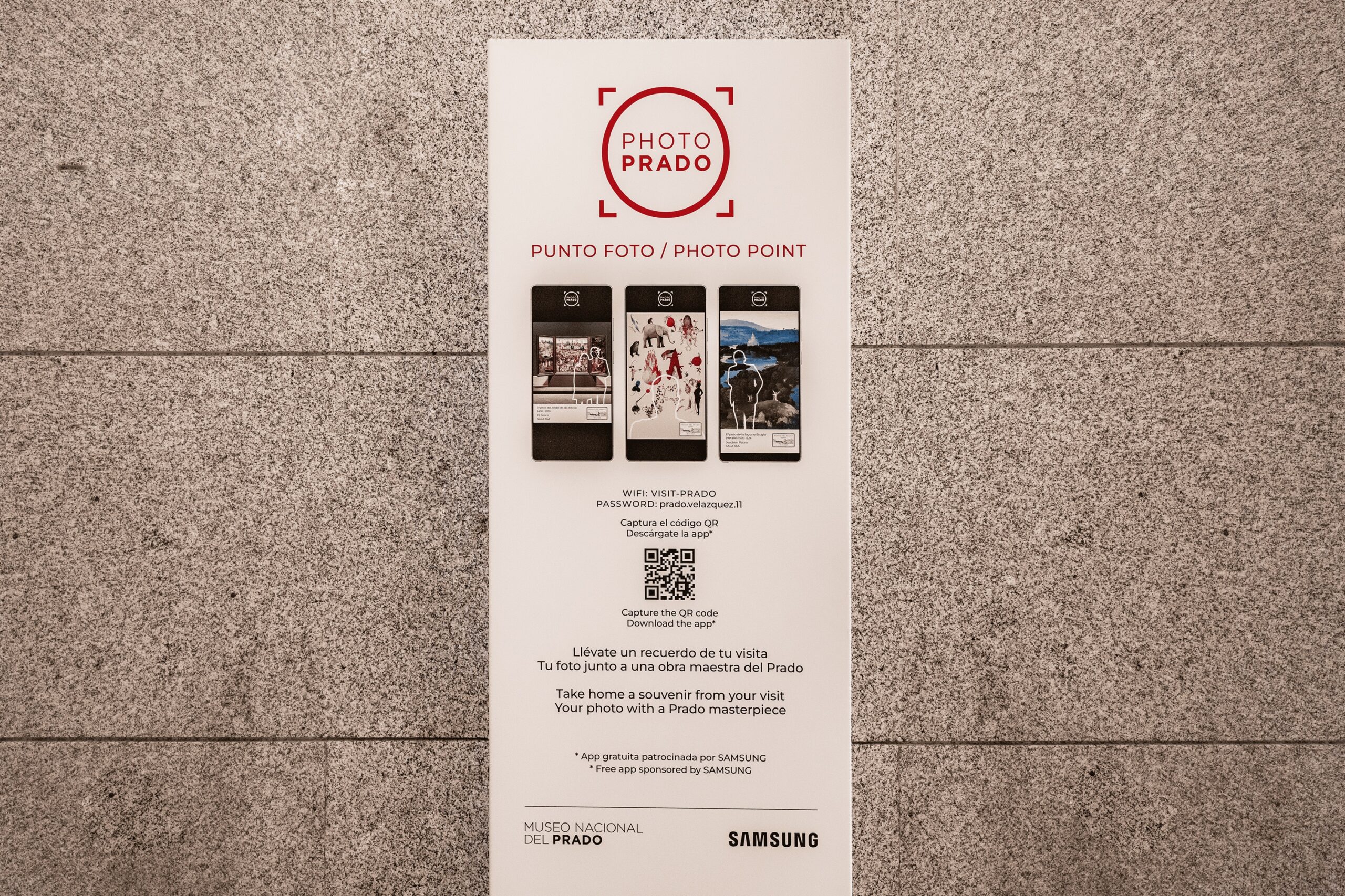
The collaborations between Samsung and institutions such as the Prado Museum or the MUNCH Museum in Oslo symbolize much more than a technological partnership. They represent a profound transformation in the relationship between humanity and artistic heritage.
Through initiatives such as “Photo Prado”, visitors can emotionally enter the universe of Velázquez, Goya or Bosch, transforming their museum visit into a personal and unforgettable memory. At the same time, Samsung Art Store allows audiences around the world to discover little-known masterpieces from Edvard Munch, bringing hidden artistic treasures from museum archives into living rooms, homes and everyday life.
This is perhaps the greatest cultural revolution of the digital age: art is no longer confined to walls.
For generations, museums displayed only a fraction of their collections due to physical limitations. Thousands of paintings remained stored in archives, invisible to the public. Today, technology is rescuing those forgotten works from silence and giving them a second life through screens, connected devices and digital experiences accessible from anywhere in the world.
Some fear that technology could trivialize culture. Reality suggests precisely the opposite.
When innovation is used intelligently, technology does not replace artistic contemplation; it amplifies it. The emotion of standing before a Velázquez painting or Munch’s existential universe remains irreplaceable. But digital tools create a second dimension: emotional continuity. They allow art to travel beyond the museum visit and remain alive in memory, conversation and everyday experience.
Culture is becoming “prêt-à-porter” in the noblest sense of the expression. Not superficial culture, but accessible culture. Human culture. A culture capable of adapting to contemporary life without losing its intellectual depth or emotional power.
New generations have grown up in a connected world shaped by images, interaction and immediacy. They build memories through digital experiences and communicate emotions through screens. Expecting art to remain isolated from this transformation would condemn it to irrelevance.
The true challenge is balance.
And this new generation of cultural initiatives seems to have understood it perfectly. Technology does not invade museums or transform masterpieces into entertainment attractions. Instead, it acts as a bridge between heritage and society, between history and the emotions of modern audiences.
Artificial Intelligence can now personalize cultural experiences, recommend artistic journeys, recreate atmospheres, translate emotions and even reveal details invisible to the human eye. For the first time, technology is not distancing people from culture — it is bringing them closer to it.
Perhaps future historians will remember this era as the moment when art finally ceased to belong exclusively to experts, collectors or intellectual elites and became something universal, emotional and profoundly human.
Because when technology truly serves culture, art does not lose its soul.
It finds millions of new ones.
Manuel Tarín Alonso
Owner & Founder
www.thesmartcityjournal.com