



How collaboration, citizen engagement, and cutting-edge technology are transforming Barcelona into a global model of smart city innovation
In our interview series, Smart Voices at Smart City Expo World Congress 2024, we bring you exclusive insights from the leaders shaping the cities of tomorrow.
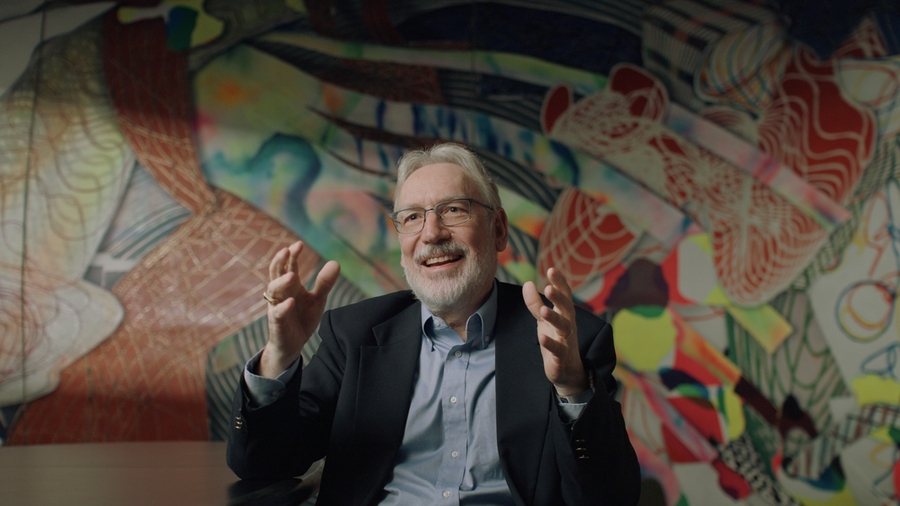
Today, we’re thrilled to feature Michael Donaldson, Chief Information Officer of Barcelona and a key voice in smart cities. As a pioneer in urban innovation, Michael has led efforts to make Barcelona a global model for smart city transformation. In this conversation, he shares how the city leverages collaboration, citizen engagement, and cutting-edge technology to tackle its most pressing challenges—from ambitious climate goals to fostering public trust in smart tech.
TSCJ.- Michael, what values does Barcelona hold that inspire such widespread admiration?
MD.- Good morning, Esther, and thanks for having me here—it’s a pleasure. Barcelona’s values are difficult to sum up in a single word or concept. We’re talking about technology, our way of working, various stakeholders, and the governance behind it all, so it’s complex. But if I had to highlight one key value, I’d say collaboration.
Collaboration through public-private partnerships and citizen participation is vital to how we make decisions at both political and technical levels. There’s a long-standing tradition in Barcelona of working together. A great example is the Olympic Games, which showcased how collaboration drives success. To tackle the challenges we face as a modern city, we need to harness the experience and knowledge of our innovation ecosystem. So, building trust and creating these collaborative environments are central to how we operate in Barcelona.
TSCJ.- What are Barcelona’s upcoming smart city projects for the next few years?
MD.- There are many projects, of course. But before discussing specific technologies, we first need to ask what we want to achieve or what problems we’re trying to solve. Technology is a powerful tool, but ultimately, it’s just an instrument to help us reach our goals.
One of our primary goals is to achieve climate neutrality by 2030, a commitment we’ve made at the European Union level. To meet this, we need to bring in all available innovations, even some that aren’t on the market yet, to reduce our carbon footprint and adapt to the impacts of climate change.
TSCJ.- We’re living in a time of significant political and social shifts worldwide. Why do smart cities have the potential to bridge ideologies and trends across borders?
MD.- That’s a great question. If we don’t incorporate democratic values and equality into our approach, then we’re just talking about gadgets and technology—cities are much more than that. Democracy itself has roots in cities, like the ancient polis, so it’s crucial that our innovation is human-centered and serves citizens.
We believe better public services enabled by technology can foster stronger trust between citizens and their city institutions. This strengthens democracy. Especially in today’s world, with misinformation and divisive debates on social media, we need to focus on the quality of our democracy when we integrate technology. Otherwise, technology can become more of a risk than a benefit to our communities.
TSCJ.- Thank you very much, Michael, for your insights. I’m truly proud to see Barcelona as a beacon of democracy and social cooperation.
MD.- Thank you!
By Esther Fuldauer, The Smart City Journal