



London, Paris and New York on the podium and Madrid and Barcelona in the top ten
The recent Best Cities 2026 report, produced by the consultancy Resonance Consultancy together with Ipsos, reveals the new urban map of the most coveted cities to live in, visit and invest in. Through its exclusive Place Power Score indicator, the study analyzes the performance of one hundred major cities around the globe and offers a detailed snapshot of their reputation, innovation capacity and quality of life.
The Place Power Score is made up of 46 metrics grouped into 30 categories that cover aspects as diverse as air connectivity, air quality, the presence of leading academic institutions, the concentration of global companies, green spaces and the richness of cultural heritage. But it is not just about data: the study complements this quantitative base with a survey of more than 21,000 people in 31 countries, who evaluate which cities they consider most desirable for living, working or visiting, balancing emotional perception with hard statistics.
The result is a portrait of cities that not only adapt to change but anticipate it. The leaders of the ranking stand out for their ability to combine modern infrastructure, resilience to climate change, a dynamic business ecosystem and a human appeal that inspires both visitors and residents. In this edition, the list is dominated by European and Asian metropolises with a strong focus on sustainability, innovation and quality of life.
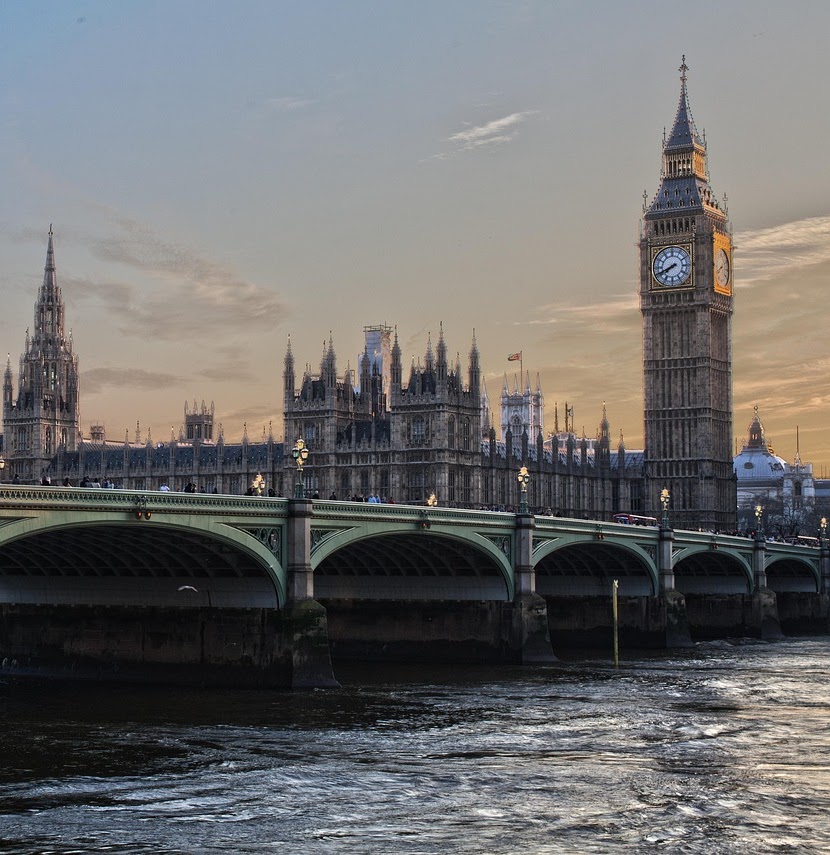
Topping the ranking are, in order: London (United Kingdom), Paris (France), New York (USA), Tokyo (Japan), Singapore, Dubai (United Arab Emirates), Barcelona (Spain), Madrid (Spain), Rome (Italy) and Doha (Qatar).
Beyond the Top 10, the report also looks closely at Latin American metropolises, allowing a clearer picture of the region’s position on the global stage. Among them, the standouts are São Paulo (18th), Mexico City (30th), Buenos Aires (39th), Rio de Janeiro (42nd), Bogotá (51st), Lima (65th), Santiago de Chile (75th) and Medellín (76th).
This ranking confirms that the big cities succeeding today are those that understand the urban environment as a living system of innovation, sustainability and human experience. These are cities capable of attracting talent, driving economic activity, offering spaces that promote health and well-being, and at the same time fascinating visitors with a strong cultural identity. When analyzing the Best Cities 2026 results, three distinctive elements stand out: first, the ability to adapt to and anticipate global shifts, such as those driven by climate change or transformations in the labor market; second, the capacity to integrate quality of life with economic appeal, making living there both desirable and viable; and third, the strength of the city’s brand, which turns it into a magnet for residents, businesses and visitors.
For officials in charge of planning, tourism or urban development, the report is a key strategic tool. It can inspire investment decisions as well as improvement actions in areas as varied as public transportation, access to education, management of public spaces or international promotion. The set of metrics used—the 46 variables feeding into the Place Power Score—shows that a city’s reputation is no longer based only on visible infrastructure, but also on its ability to generate human, social and economic value.
In this way, Best Cities 2026 not only reveals which cities are at the forefront of the global urban landscape, but also points toward the model of city that will be aspirational in the decades to come: urban, connected, sustainable and people-centered. In a world facing profound transformations, the commitment to cities as engines of well-being, opportunity and experience is consolidating as a crucial pillar of global competitiveness.