




Europe is on a bold mission to achieve climate neutrality by 2050, anchoring its commitment to the EU Climate Law. But how can this journey be accelerated, aligning green, digital, and resilient transitions?
Industrial clusters hold the key to Europe’s sustainable future. These vibrant ecosystems are catalysts for collaboration, innovation, and competitiveness, propelling the continent toward economic resilience and growth. By nurturing sustainable value chains, they illuminate the path for policy decisions and cultivate innovation, employment opportunities, and robust and diverse supply chains.
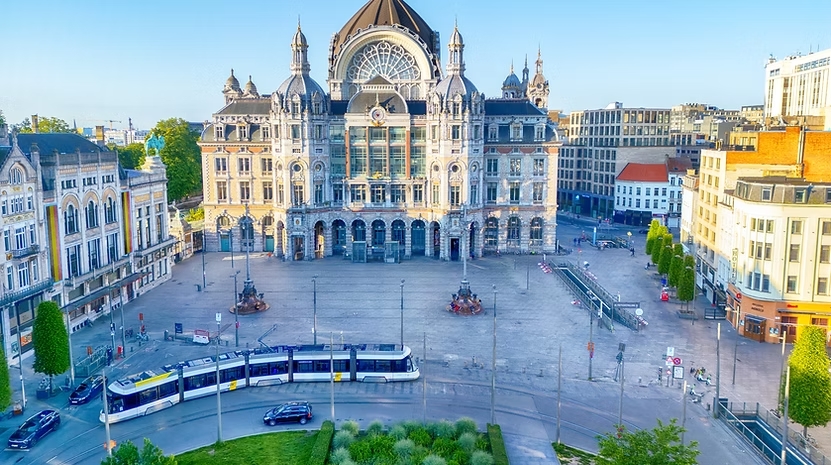
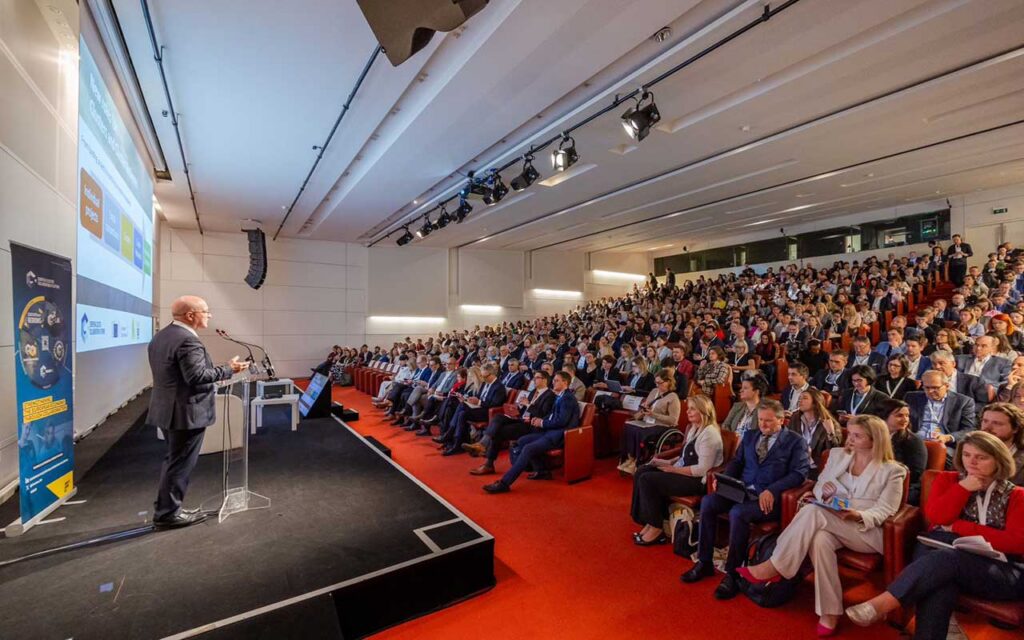
Last May, the European Cluster Conference, organized by the European Commission in collaboration with the Belgian Regions and supported by the European Cluster Collaboration Platform (ECCP), underscored clusters’ role in achieving Europe’s goals. Key figures like Thierry Breton, Commissioner for the Internal Market, and Kerstin Jorna, Director General of DG GROW, emphasized clusters as central to the EU’s industrial policy. Jorna remarked, “If there’s a problem, clusters are the solution,” highlighting their critical role in regional economic development and public-private partnerships.
The conference also showcased how clusters provide valuable feedback to policymakers. Various representatives from DG GROW engaged with the cluster community, gathering collective intelligence through workshops and discussions.
Clusters Foster Competitiveness and Regional Inclusiveness
For decades, knowledge has been unequally distributed among European regions. Clusters can mitigate this disparity by linking smaller, slower-growing regions with larger, innovation-rich hubs. This connection facilitates knowledge sharing, resource distribution, and access to advanced expertise and technologies. It enhances regional strengths, boosts market access, and fosters innovation networks, thereby promoting regional competitiveness.
Prof. Pierre-Alexandre Balland emphasizes, “Connecting smaller regions to larger hubs maximizes knowledge diffusion, making the entire system highly efficient.”
Clusters Informing Smart Specialization Strategies (S3)
Clusters and their policies offer critical insights and practical frameworks that inform the design and implementation of Smart Specialization Strategies (S3). These strategies aim to boost economic growth and competitiveness by leveraging regional strengths. The historical success of cluster policies provides concrete inputs into developing effective S3 frameworks, ensuring efficient harnessing of regional strengths and competitive advantages.
Clusters contribute to S3 by identifying priority intervention domains through quantitative and qualitative methods. Diverse cluster policies inform the creation of smart policy mixes tailored to regional needs.
Lessons from cluster evaluations refine policy portfolios, while experience with diverse funding sources aligns policies across different levels. Clusters also promote international cooperation essential for S3’s transnational strategies, fostering broad stakeholder participation and commitment.
Euroclusters: Strategic Initiatives for Industrial Strategy
Euroclusters are cross-sectoral, interdisciplinary, and trans-European initiatives uniting industry clusters, research organizations, and companies to implement the EU Industrial Strategy. These initiatives create new SME business opportunities and integrate them into global strategic value chains effectively.
Building upon the “European Cluster Partnerships” strands supported under COSME, Euroclusters enhance resilience in EU industrial ecosystems, foster strategic autonomy, promote green and digital transformation, and boost international market access.
Launched on September 1, 2022, 30 Euroclusters encompass 171 partners from 23 countries, covering all 14 industrial ecosystems. With an overall budget of €42 million, Euroclusters provide €30 million in funding to SMEs through cascade calls, driving innovation, technology adoption, and global competitiveness.
Beyond Energy and Cleantech: Clusters and the Green Transition
Clusters are pivotal for SMEs in the green transition, promoting sustainable practices across sectors. Antonio Novo, President of the European Clusters Alliance, notes, “Clusters are key players in European markets for innovation and solutions, not only for the Green Deal but also for transportation, employment, and the circular economy.”
This holistic approach ensures that sustainability is integrated into every business activity, aiming for ‘every job to be a green job.’ However, significant challenges remain, including securing long-term funding, overcoming climate change denial, and addressing resistance to change, as highlighted during discussions at the ECC conference.
The Great Potential of European Cleantech Clusters
As Professor Balland pointed out, Europe has a unique opportunity in the fight against climate change. While the continent’s CO2 emissions might be modest on a global scale, its pivotal contribution lies in the realm of clean technology.
Leveraging the power of clusters, Europe is poised to become a leader in clean tech innovation, driving competitiveness and fostering the creation of high-skilled employment opportunities. These clusters serve as incubators for transformative ideas and solutions, propelling Europe towards a sustainable future.
Flux50 and Europe’s Green Energy Future
During the conference, we visited Flux50‘s Green Energy Park at Zellig and heard from Frederik Loeckx, Managing Director. Loeckx highlights, “Flux50 unites stakeholders—businesses, knowledge institutions, governments, and society—facilitating collaboration within the quadruple helix model.” Their strategic roadmaps and innovator zones like Energy Communities and Positive Energy Districts underscore their commitment to transforming Flanders into a hub for sustainable energy solutions.
Flux50, the Flemish Smart Energy Cluster, leads in renewable energy and innovative technologies through mission-oriented approaches and S3. Their projects demonstrate the feasibility and social desirability of energy system transitions. By leveraging regional strengths and a multi-level perspective, Flux50 drives impactful innovations like large-scale energy storage and supply security, significantly impacting regional development. Their cross-sector collaborations ensure a technologically feasible and socially beneficial transition to sustainable energy.
Driving Europe’s Sustainable Future
Industrial clusters reshape and build value chains, driving Europe’s competitiveness and green economy transition. By fostering collaboration, innovation, and resilience, clusters bolster regional economies and achieve strategic goals. Robust cluster ecosystems secure value chains, ensuring Europe remains at the forefront of sustainable development and economic resilience. Integrating cluster policies into S3 further amplifies impact, providing a structured approach to regional innovation and growth.
By Esther Fuldauer, The Smart City Journal