 How to resolve AdBlock issue?

Renewables
Providing sustainable energy solutions for local communities
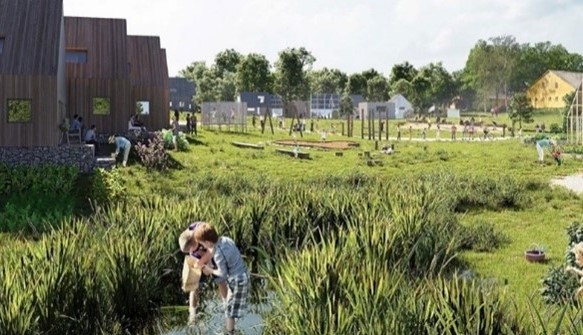
Two EU-backed projects show local energy communities the path to energy autonomy and sustainability
In 2021, the EU-funded SERENE and SUSTENANCE projects set out to develop sustainable energy systems that ensure a green transition for local communities. They sought to create more efficient, integrated, cost-effective and customer-centric solutions that could enhance communities’ energy autonomy. Today, the two projects show us how this approach can promote decarbonisation, not only in European countries such as Denmark, the Netherlands and Poland, but also in vastly different socioeconomic and political systems such as India.
Flexibility is key
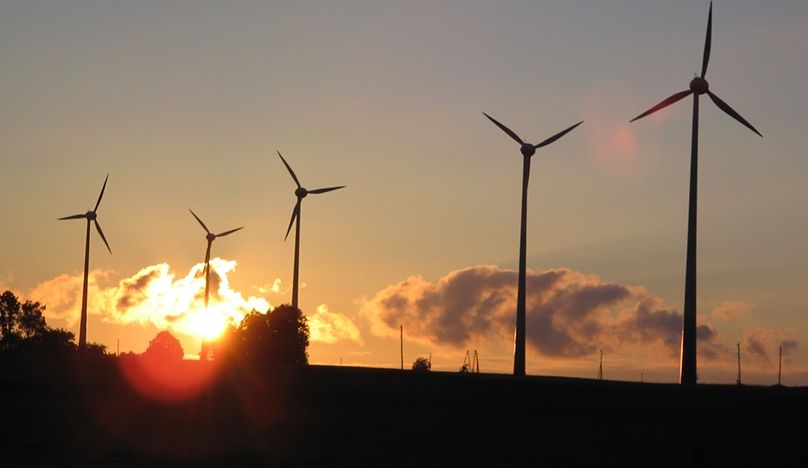
Focusing on local communities in these four countries, the project partners developed systems that integrate renewable generation, electric mobility, heat pumps, energy storage and intelligent control to balance supply and demand in real time. The goal is for these communities to operate as ‘energy islands’, balancing their own energy consumption with renewable generation and smart flexibility.
“The flexibility unlocked at the community level facilitates the operation of larger systems,” writes Birgitte Bak-Jensen, project lead for SERENE and SUSTENANCE, in an article(opens in new window) posted on ‘Innovation News Network’. “Local energy islands can act as partners to the grid, offering ancillary services such as peak shaving, voltage regulation, and demand response, services that were traditionally only available from large-scale providers,” adds Bak-Jensen, who is a professor at the projects’ coordinator Aalborg University (Denmark).
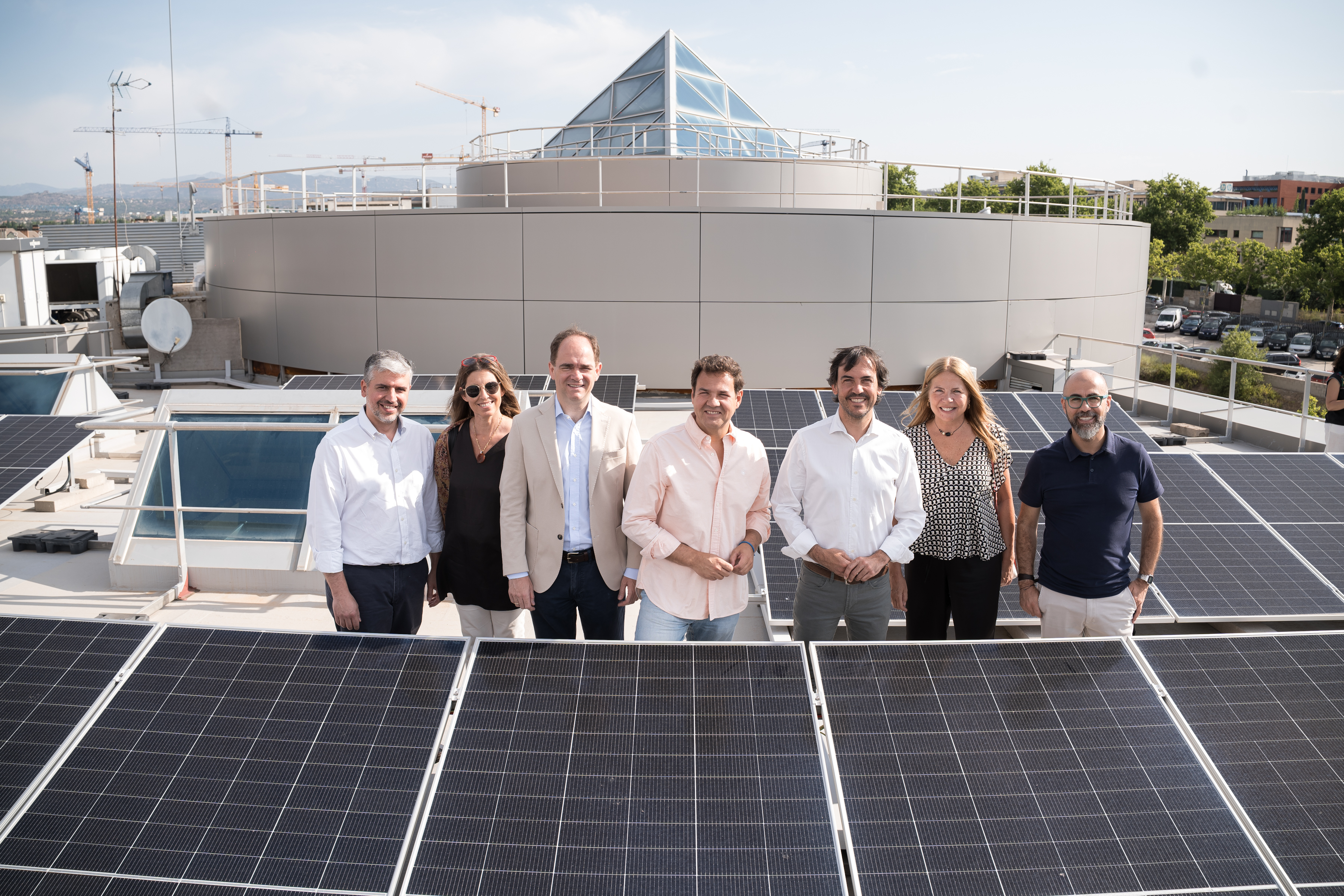
Researchers investigated the technologies in place promoting flexibility, such as energy management systems (EMSs), ambient loop systems and multi-utility heat pumps. In terms of electric vehicle (EV) charging that supports the grid, Aalborg University developed EV charging systems that adapt to both user preferences (e.g. departure time) and grid signals (e.g. voltage). At project partner University of Twente’s SlimPark Living Lab, nine smart charging stations align EV charging with locally generated electricity from the rooftop photovoltaic (PV) panels and battery storage. In India, EV charging is integrated into solar-powered and hybrid PV-wind direct-current microgrids in rural off-grid and weak-grid areas.
The projects also implemented thermal and battery storage solutions to ease grid strain and boost renewable energy use. These include thermal tanks using phase change materials to enhance heat retention (Denmark), and rooftop PVs combined with large battery systems to reduce peak loads, support off-grid operation and feed real-time data into EMS optimisation (Poland). In India, solutions include biogas-electric hybrids for both electricity and clean cooking, and battery banks of up to 290 kWh in remote villages replacing diesel generators and storing solar and wind power.
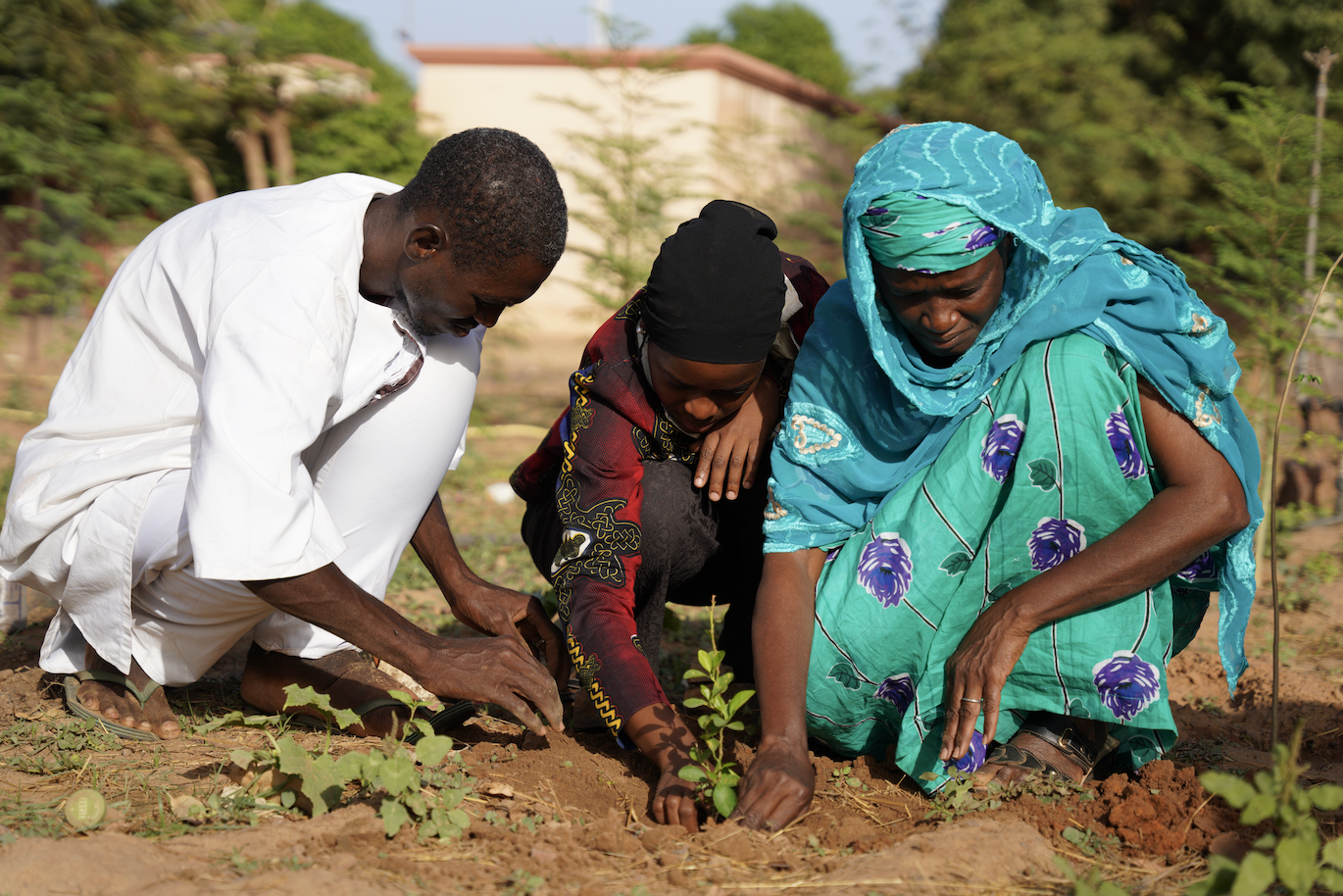
Acknowledging the importance of social innovation and community engagement in driving the energy transition, SERENE and SUSTENANCE took action to foster dialogue, trust and a sense of co-ownership in the projects, transforming passive energy consumers into engaged and empowered community actors. Engagement strategies were adapted to the social readiness levels of each community.
SERENE (Sustainable and Integrated Energy Systems in Local Communities) and SUSTENANCE (Sustainable energy system for achieving novel carbon neutral energy communities) further introduced a tiered roadmap towards energy autarky, ranging from off-grid independence in rural India to shared battery storage and communal PV in urban Europe. A study(opens in new window) on local energy autarky was published in the journal ‘Energy Research & Social Science’. “Replicability is promising,” concludes Bak-Jensen. “Despite local differences, key enabling factors include citizen trust, appropriate governance structures, legal flexibility, and financial mechanisms for shared infrastructure.”
Tags :