



An old idea for an increasingly complex world that could evolve into a hybrid model
In a world shaped by globalization, the climate crisis, and growing distrust of large nation-states, an uncomfortable question is re-emerging: would a system based on city-states work better?
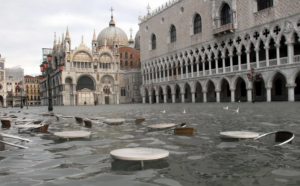
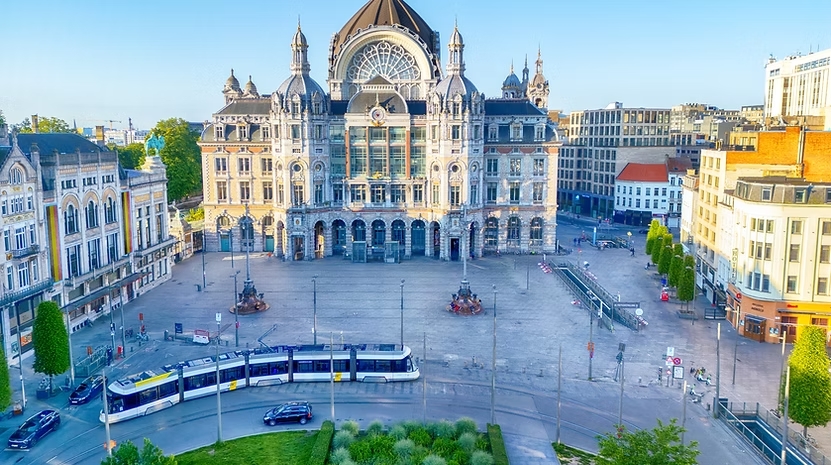
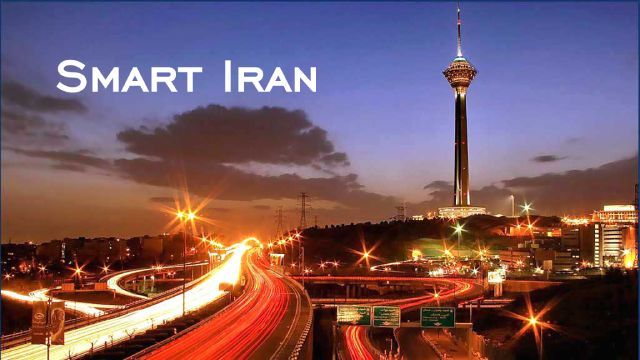
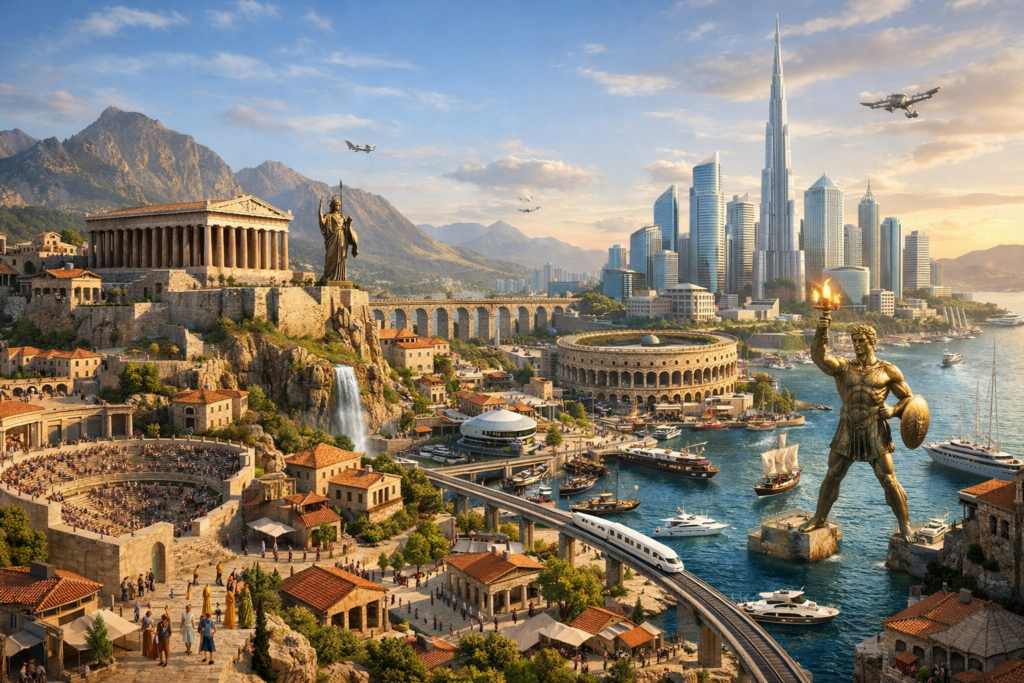
The idea is not new. Athens, Venice, Florence, or the Hanseatic cities showed that autonomous urban centers could become powerful engines of innovation, trade, and culture. Today, megacities such as Singapore, Dubai, London, or Seoul—and many others—operate, in practice, according to a logic close to that of a city-state. Or, more precisely, to what we now call smart cities.
Cities concentrate talent, capital, universities, and technology. They govern closer to citizens, allowing faster decision-making and public policies better aligned with local realities. Compared to nation-states, often slow and bureaucratic, a city-state can experiment, correct mistakes, and adapt with greater agility. Competition between cities would encourage efficiency, innovation, and the attraction of investment.
Moreover, many of today’s major challenges—mobility, housing, energy, digitalization—are essentially urban. Cities already cooperate through international networks, sometimes more effectively than states themselves. A city-state model could reduce territorial tensions and exclusionary nationalisms, replacing them with more open, civic-based identities.
However, this model also carries risks. Not all cities start from the same economic or social position. Fragmentation could increase inequalities between wealthy and poorer territories. Defense, fiscal redistribution, or the management of strategic resources would become more complex without strong state structures.
Perhaps the solution is not to return to the past, but to move toward a hybrid model. Lighter, more cooperative states, combined with highly autonomous cities connected through global networks. Not a world of isolated city-states, but a global ecosystem of smart, responsible, and supportive cities. In the end, the future may belong not to countries, but to cities that know how to govern themselves better.
Manuel Tarín Alonso