Technology

From protecting patients to predicting disasters: AI supercharges nuclear tech

From protecting patients to predicting disasters: AI supercharges nuclear tech

EU-funded researchers are using AI to transform nuclear technology, making medical scans safer, streamlining nuclear plant maintenance and allowing earlier prediction of earthquakes Whenever you have a scan at a hospital, both you and the operators are exposed to a small amount of radiation. For hospital staff, this means a slow trickle of exposure every…
Robots to the rescue: miniature robots offer new hope for search and rescue operations

Robots to the rescue: miniature robots offer new hope for search and rescue operations

EU-funded researchers have developed robust mini robots with advanced sensors to help search and rescue teams find survivors in the aftermath of earthquakes and other disasters In the critical 72 hours after an earthquake or explosion, a race against the clock begins to find survivors. After that window, the chances of survival drop sharply. When…
Brain-like chips are boosting computers and battling cybercrime

Brain-like chips are boosting computers and battling cybercrime

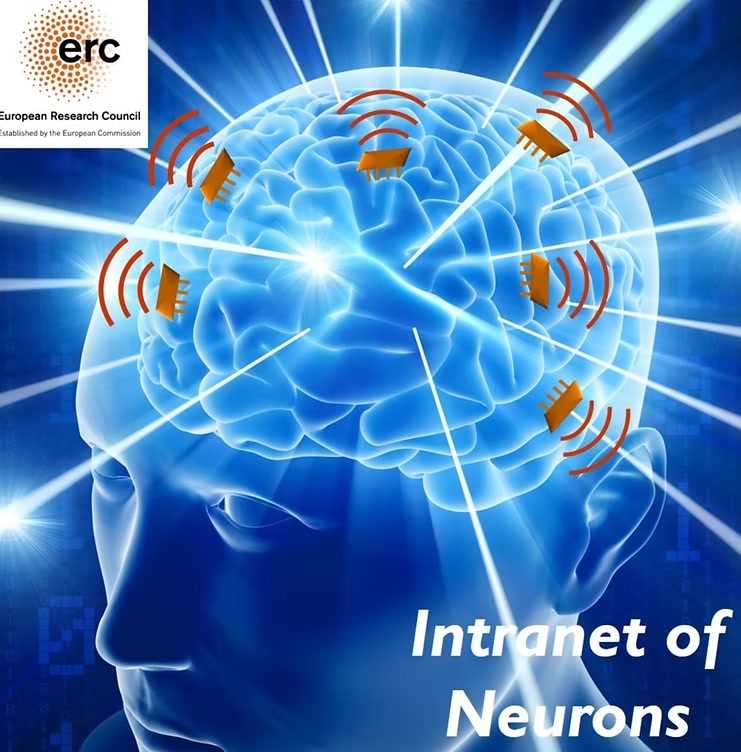
The human brain is more powerful and energy-efficient than any computer. Scientists are imitating the way it works to produce better computer chips and help deal with the growing amounts of data generated every day To prevent smart household devices from being hacked, researchers are developing ultra-fast, energy-efficient brain-like chips that can detect threats in…
Autonomous robots from the SMARTEDGE project collaborating using edge AI on a simulated factory floor

Creating advanced tools for smart robot swarms

The SMARTEDGE project is using edge AI to transform autonomous robot collaboration and communication in factories and more Since its launch in January 2023, the EU-funded SMARTEDGE project has been creating tools and methods that facilitate the development of edge intelligence solutions for real-world scenarios. Taking advantage of edge computing and the Internet of things…
MIT physicists discover a new type of superconductor that’s also a magnet

MIT physicists discover a new type of superconductor that’s also a magnet

The “one-of-a-kind” phenomenon was observed in ordinary graphite. Magnets and superconductors go together like oil and water — or so scientists have thought. But a new finding by MIT physicists is challenging this century-old assumption. In a paper published in Nature, the physicists report the discovery of a “chiral superconductor” — a material that conducts…
Panelistas del BCC25 debaten la implementación de la directiva NIS2 y los retos organizativos que supone su adaptación

NIS2 at BCC25: Navigating Fragmentation, Culture Shifts, and a Path to Cyber Resilience

A closer look at how Europe’s flagship cybersecurity directive is being translated from policy to practice. At the 2025 Barcelona Cybersecurity Congress, one directive resonated across keynotes, panels, and informal conversations: NIS2. Two standout sessions in particular—one focused on practical implementation experiences, and another offering a data-driven regulatory overview—captured the multi-layered challenges organizations face in…
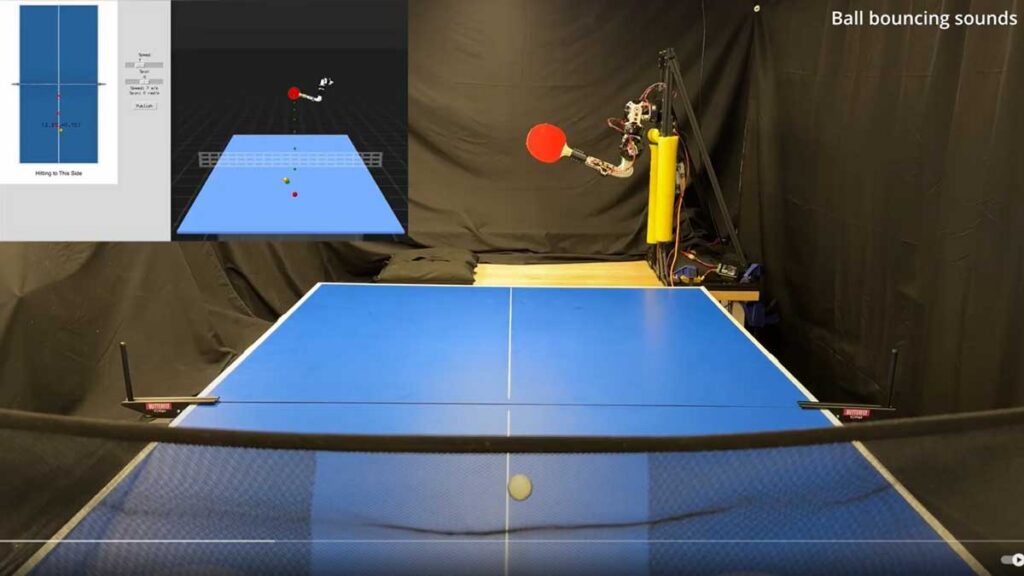
MIT’s ping pong robot performing real-time strikes and targeting with high-speed precision.

Ping pong bot returns shots with high-speed precision

In addition to training future players, the technology could expand the capabilities of other humanoid robots, such as for search and rescue MIT engineers are getting in on the robotic ping pong game with a powerful, lightweight design that returns shots with high-speed precision. The new table tennis bot comprises a multijointed robotic arm that…
MIT engineers advance toward a fault-tolerant quantum computer

MIT engineers advance toward a fault-tolerant quantum computer

Researchers achieved a type of coupling between artificial atoms and photons that could enable readout and processing of quantum information in a few nanoseconds In the future, quantum computers could rapidly simulate new materials or help scientists develop faster machine-learning models, opening the door to many new possibilities. But these applications will only be possible…
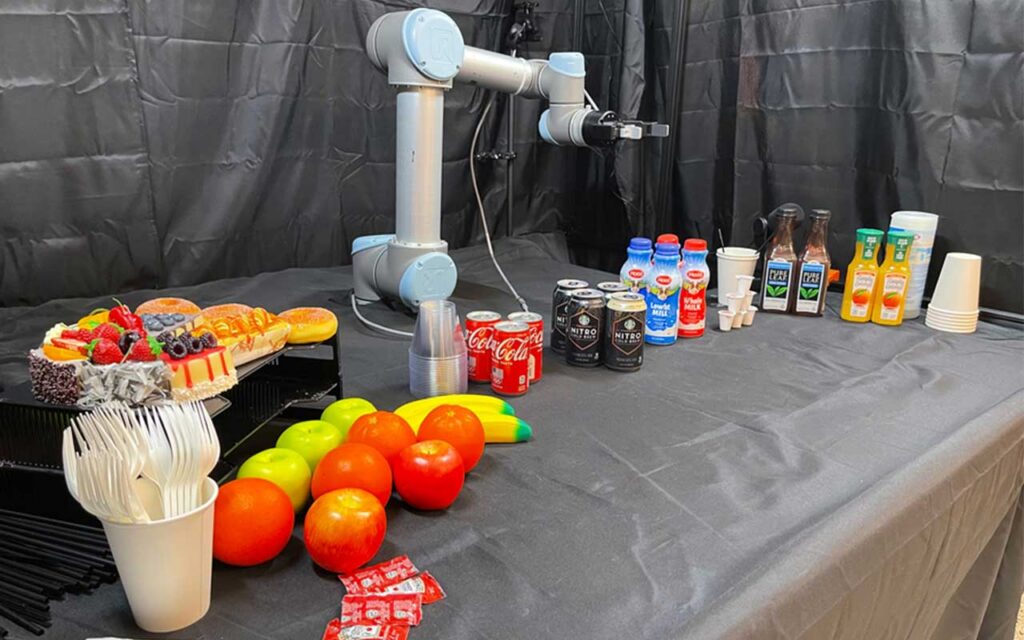
MIT robot using Relevance system to assist humans at a breakfast table

Robotic system zeroes in on objects most relevant for helping humans

A new approach could enable intuitive robotic helpers for household, workplace, and warehouse settings For a robot, the real world is a lot to take in. Making sense of every data point in a scene can take a huge amount of computational effort and time. Using that information to then decide how to best help…
AI-assisted consumer complaints research by Yale SOM

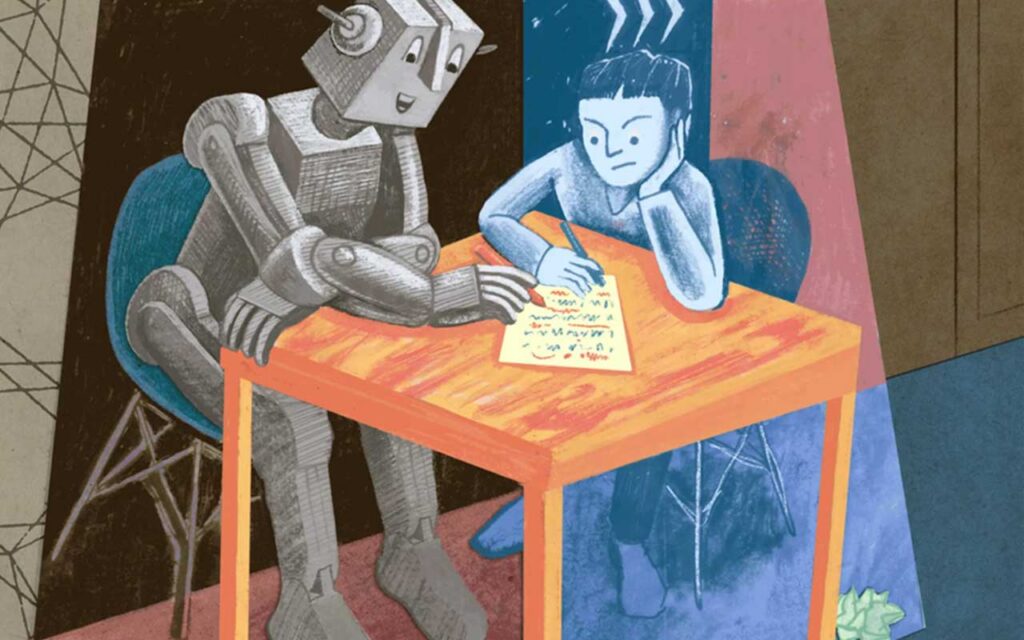
When AI Is the Editor, Consumer Complaints Are More Likely to Succeed‌

An analysis of complaints submitted to the Consumer Financial Protection Bureau reveals that consumers are using tools like ChatGPT to help them articulate their concerns. Those AI-edited grievances have a higher likelihood of receiving relief, according to new research co-authored by Yale SOM’s Jiwoong Shin. Consumers who want to submit a complaint to an agency…