Technology

La innovación ética podría convertir el escepticismo en aceptación de la robótica

Ethical innovation could turn scepticism into acceptance in robotics

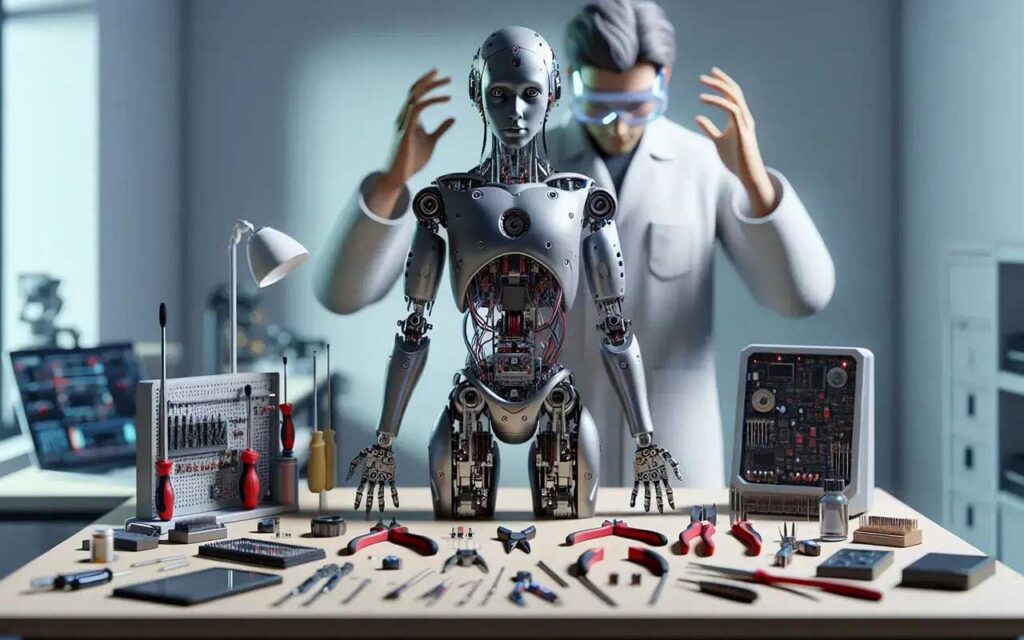
An innovative tool helped assess the non-technological aspects of responsible robotics Robotics serves as the physical extension of artificial intelligence, giving it the ability to affect its immediate environment. From automating repetitive tasks to enhancing complex operations, robotics holds immense potential to drive innovation across various sectors. The EU-funded Robotics4EU project was designed to address…
¿Cuál es la clave para trabajar en armonía con los robots?

What is the key to working harmoniously with robots?

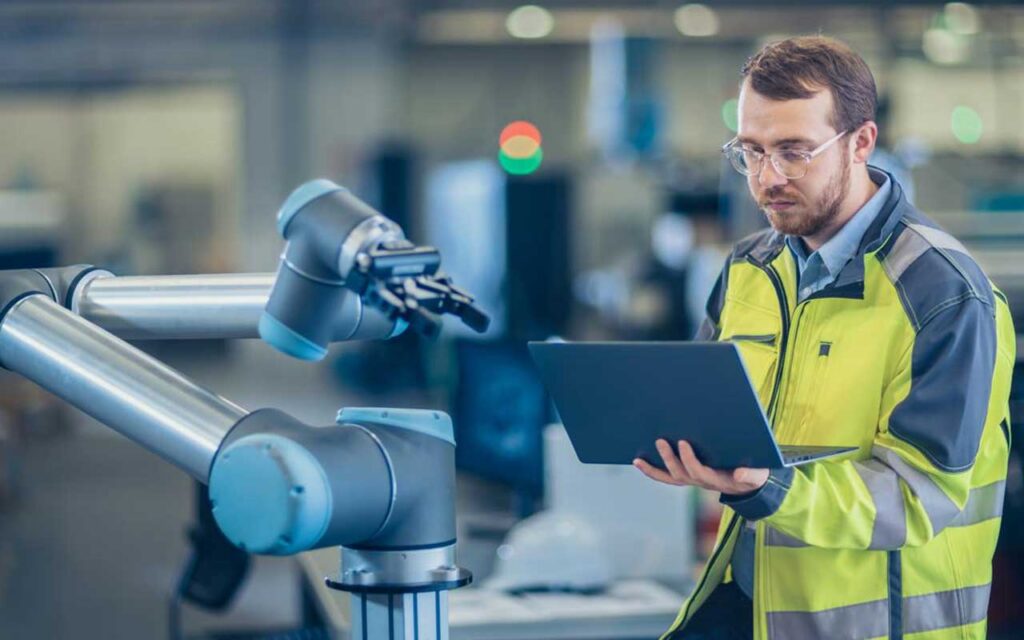
When carrying out collaborative tasks with humanoid robots, what do we need for proper teamwork?  A new EU-backed study investigates When we perform actions with other humans, we experience a sense of joint agency, a feeling of ‘We did that together’, rather than ‘I did that’ or ‘You did that’. But do we get the same…
Study: When allocating scarce resources with AI, randomization can improve fairness

Study: When allocating scarce resources with AI, randomization can improve fairness

Introducing structured randomization into decisions based on machine-learning model predictions can address inherent uncertainties while maintaining efficiency Organizations are increasingly utilizing machine-learning models to allocate scarce resources or opportunities. For instance, such models can help companies screen resumes to choose job interview candidates or aid hospitals in ranking kidney transplant patients based on their likelihood…
Movimientos maestros: cómo los robots pueden transformar la forma en que aprendemos a escribir y tocar música

Maestro movements: how robots can transform the way we learn to write and play music

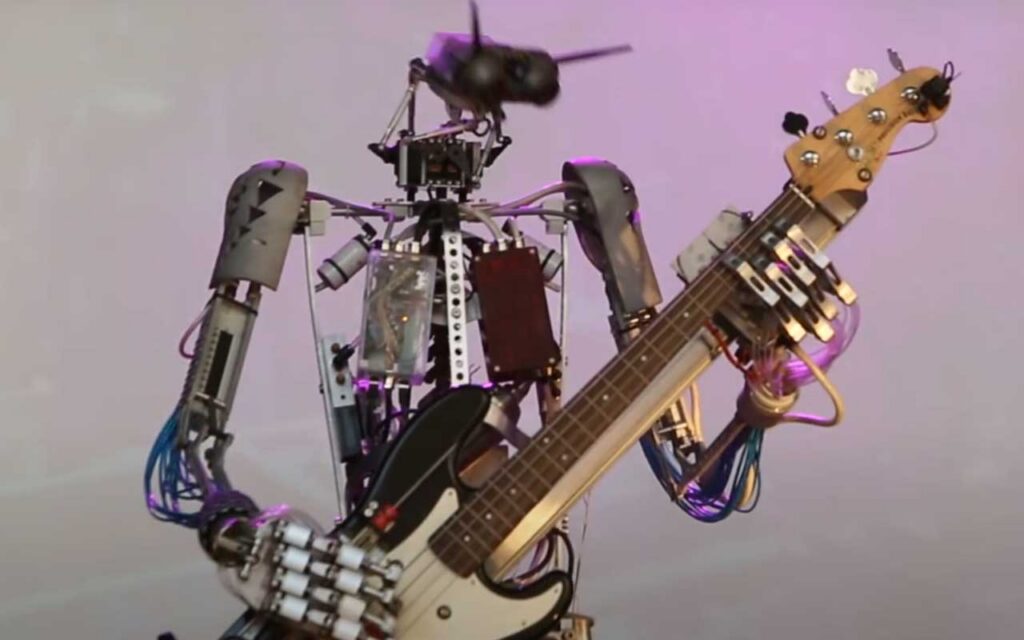
A new class of robotic devices proved to be efficient tutors of complex sensorimotor tasks, such as handwriting and playing the violin The advance of artificial intelligence and robotics has transformed robots in interactive partners that can make a difference in various aspects of our lives. Neuroscientific studies demonstrate the benefits of physical interaction in…
Artificial intelligence to analyze Dante’s “Divine Comedy”

Artificial intelligence to analyze Dante’s “Divine Comedy”

Thesis of the Mexican Fernando Avilés-García “Divining language: Unearthing medieval Italian through natural language processing (NLP),” In his final year at Princeton, Fernando Avilés-García tackled 700-year-old literature with an innovative approach: building an artificially intelligent tool to analyze the language of Dante Alighieri’s “Divine Comedy.” “The Comedy has been egregiously underserved by modern language models,…
Does AI help humans make better decisions?

Does AI help humans make better decisions?

One judge’s track record — with and without algorithm — surprises researchers While several sectors, including criminal justice, medicine, and even business, use AI recommendations, humans are typically the final decision-makers. The researchers took this into account by comparing criminal bail decisions made by a single judge with recommendations generated by an AI system. Specifically…
Want to make robots more agile? Take a lesson from a rat

Want to make robots more agile? Take a lesson from a rat

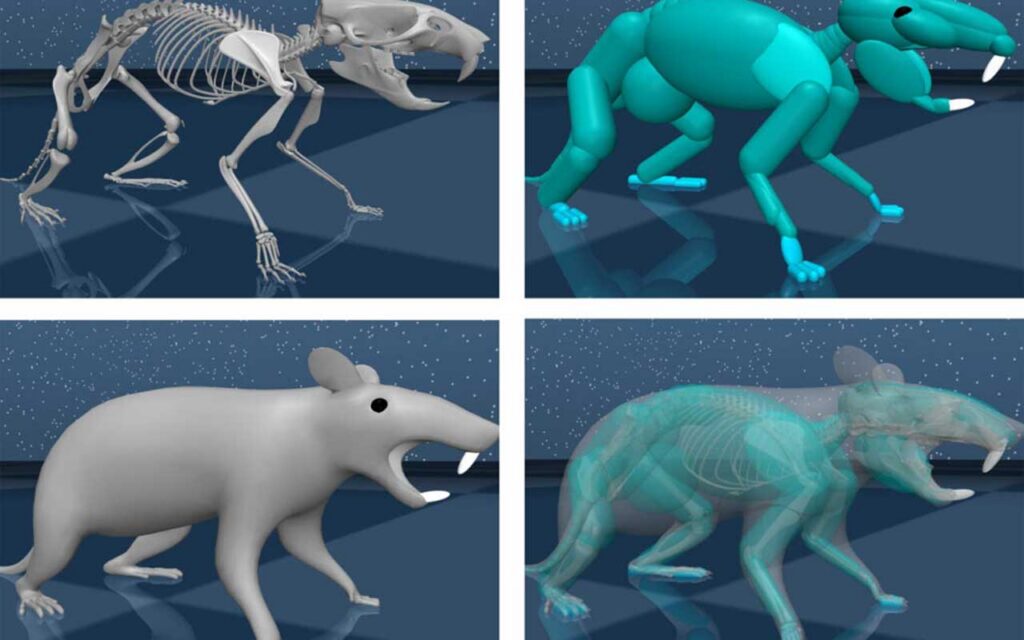
Scientists create a realistic virtual rodent with digital neural networks to study how the brain controls complex, coordinated movement The effortless agility with which humans and animals move is an evolutionary marvel that no robot has yet been able to closely emulate. To help probe the mystery of how brains control and coordinate it all,…
Researchers demonstrate the first chip-based 3D printer

Researchers demonstrate the first chip-based 3D printer

Smaller than a coin, this optical device could enable rapid prototyping on the go Imagine a portable 3D printer you could hold in the palm of your hand. The tiny device could enable a user to rapidly create customized, low-cost objects on the go, like a fastener to repair a wobbly bicycle wheel or a…
Aiding the displaced with data

Aiding the displaced with data

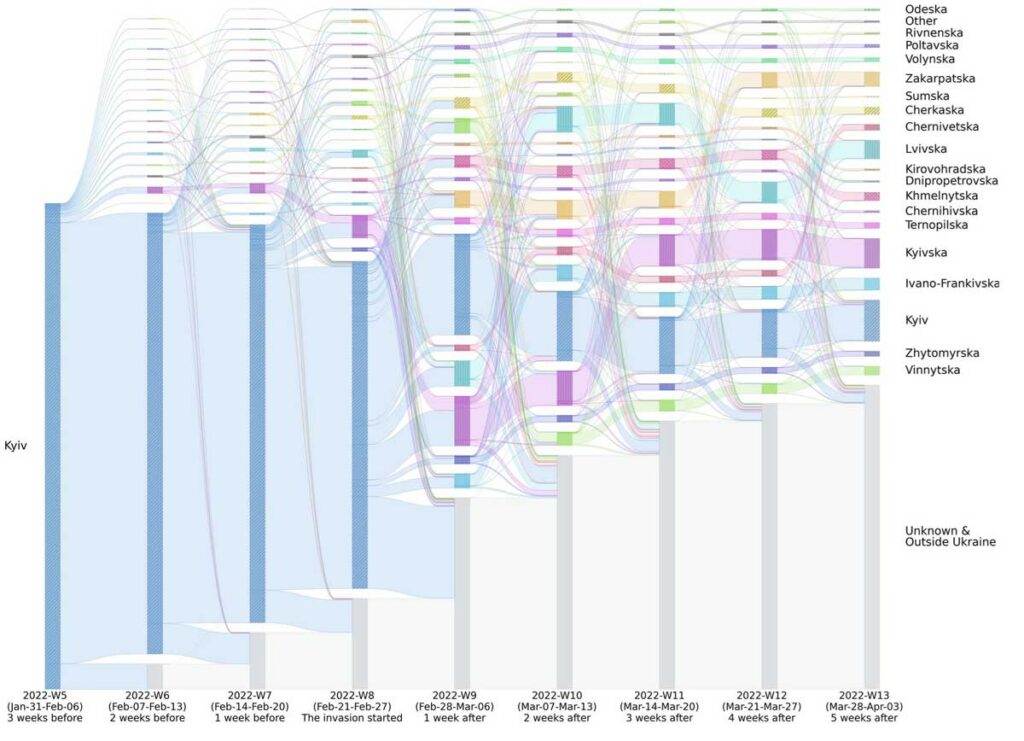
Data scientists aim to improve humanitarian support for displaced populations In times of crisis, effective humanitarian aid depends largely on the fast and efficient allocation of resources and personnel. Accurate data about the locations and movements of affected people in these situations is essential for this. Researchers from the University of Tokyo, working with the…
New open-source platform allows users to evaluate performance of AI-powered chatbots

New open-source platform allows users to evaluate performance of AI-powered chatbots

Researchers have developed a platform for the interactive evaluation of AI-powered chatbots such as ChatGPT A team of computer scientists, engineers, mathematicians and cognitive scientists, led by the University of Cambridge, developed an open-source evaluation platform called CheckMate, which allows human users to interact with and evaluate the performance of large language models (LLMs). The…