Food Tech

De residuo a recurso: un proceso ecológico para reciclar aceites de cocina usados

From waste to value: a green process for recycling waste cooking oils

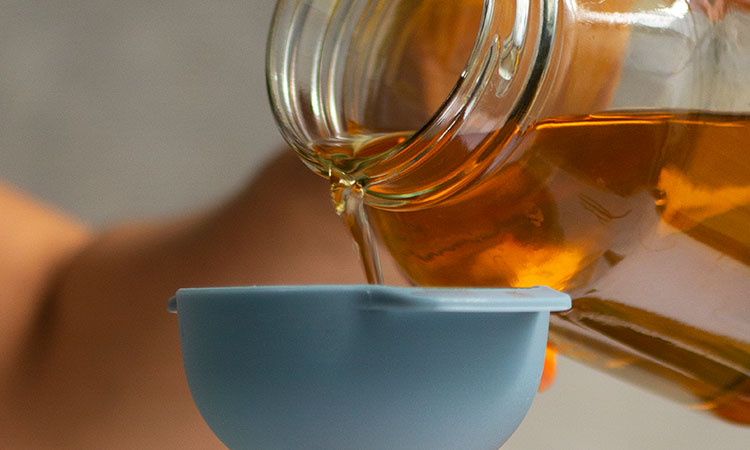
An EU-funded project encourages domestic waste circularity by advancing recycling methods and exploring new starting materials for chemical transformation Cooking oil is one of the most used products globally, with households and the restaurant industry depending on it for the preparation of food. In Europe alone, it is estimated that just one person goes through…
Facilitating the production of sustainable proteins

Facilitating the production of sustainable proteins

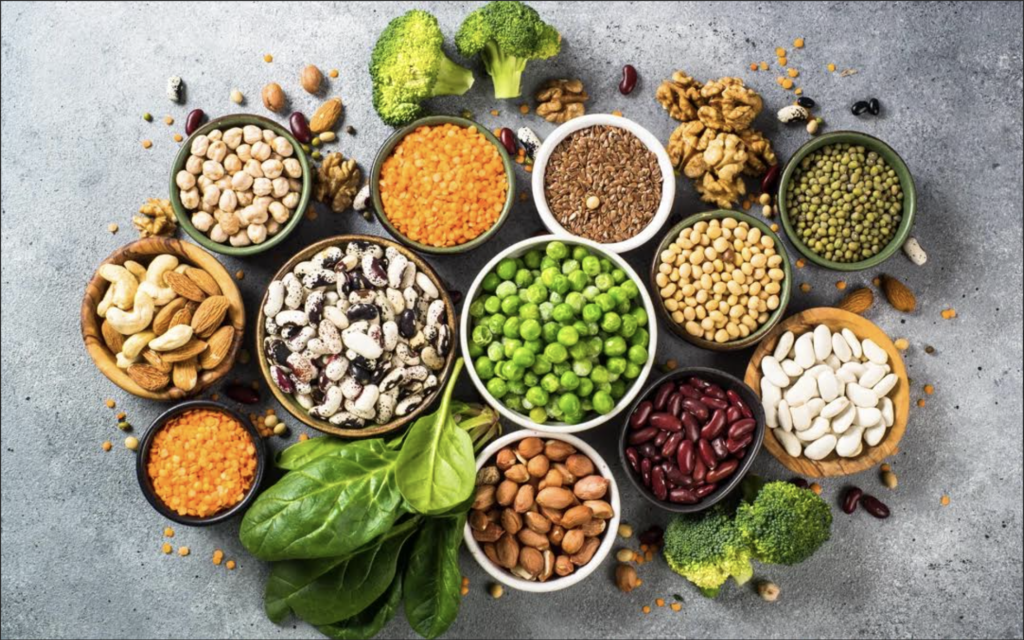
A new production process shows that it is possible to sustainably produce bio-based alternatives to animal protein at scale Occupying nearly 80 % of the world’s agricultural land, the production of livestock and animal feed is a leading cause of greenhouse gas emissions, deforestation and biodiversity loss. As the world population grows, so too will…
The virtues of sourdough bread

The virtues of sourdough bread

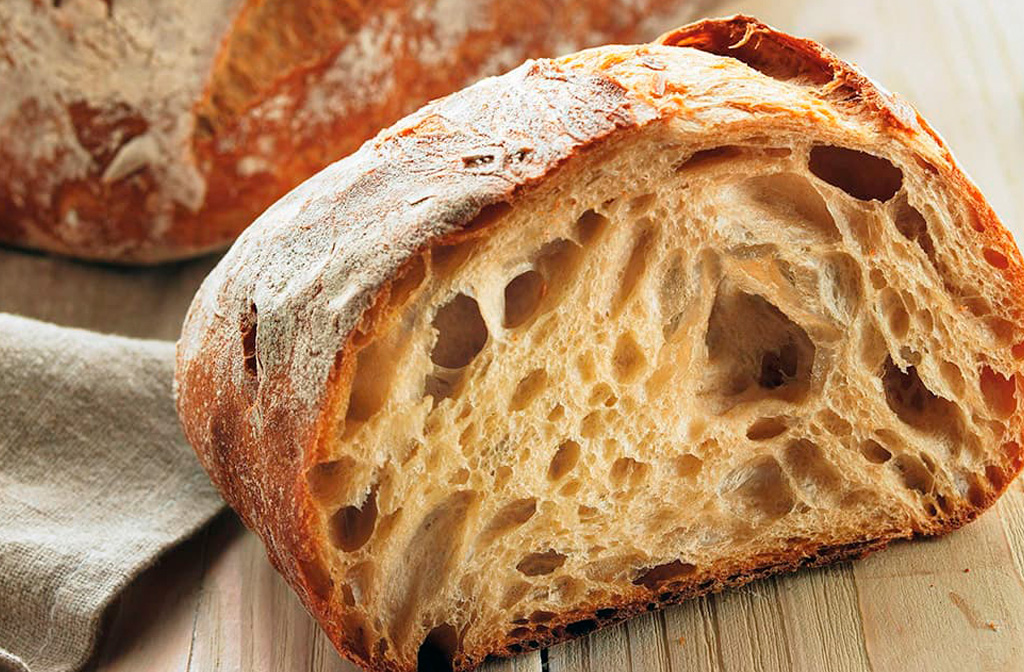
New research highlights nutritional and several other advantages of sourdough bread made with pulse flour, justifying the growing consumer trend towards plant-based fermented foods A research team from Belgium, Italy and Finland joined forces under the EU-funded HealthFerm(opens in new window) project to demonstrate the health benefits of pulse-based sourdough bread. Their study(opens in new…
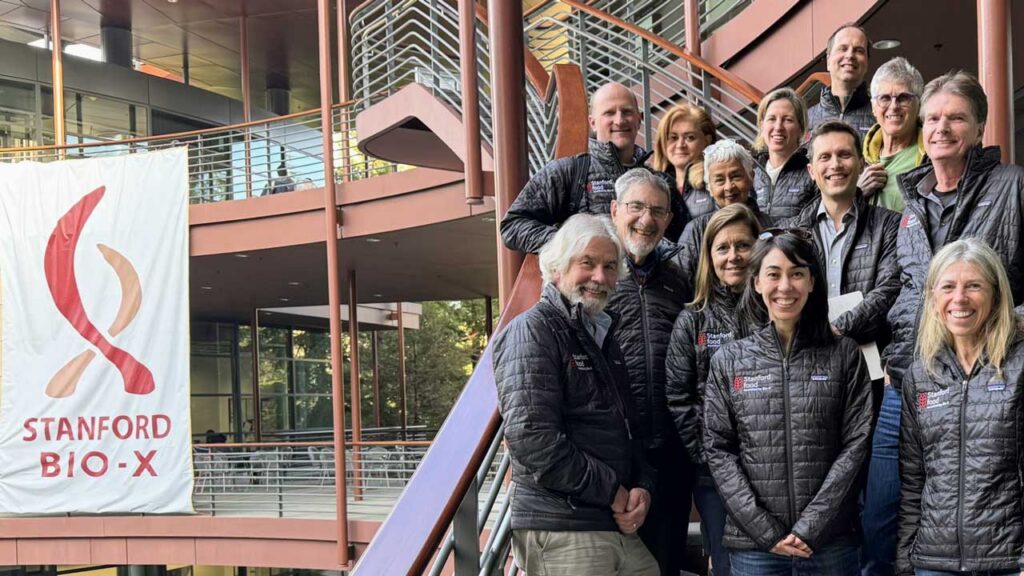
Stanford launches Food@ to reshape food systems through science and innovation

‘Re-Thinking Food’ symposium launches interdisciplinary effort to reimagine global food systems

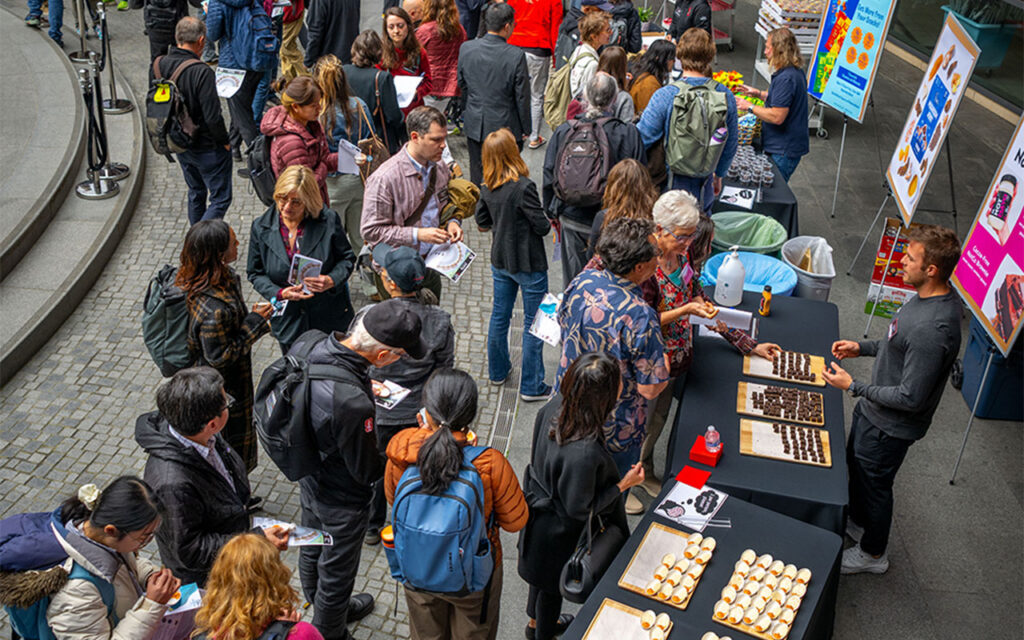
At the kickoff symposium, researchers discussed topics including optimal diets, climate resilience, and AI “We’re not here to simply talk about food, we’re here to reshape its future,” Lily Sarafan, incoming chair of the Stanford University Board of Trustees and a member of the Interdisciplinary Life Science Council, told more than 250 people who gathered…
Stanford faculty and researchers collaborating on food sustainability and innovation

Stanford researchers reimagine the future of food

Dozens of faculty members at Stanford are working to transform the way the world grows, distributes, and consumes food, with research and scholarship spanning topics including sustainable food systems, food security, health equity, culture, and diet. A bite of food is about more than calories. Food production involves energy, water, and other resources and is…
e-Taste device simulating virtual flavours

e-Taste: Fancy some virtual food?

Pioneering device lets users remotely experience flavours From an ocean’s depth to a distant planet’s surface, we can immerse ourselves in many different experiences with virtual reality (VR) and augmented reality (AR). But taste? Scientists at The Ohio State University (OSU) in the United States invented a device called e-Taste that lets you taste things…
How agriculture drones can enhance production

How agriculture drones can enhance production

Despite the prevailing skepticism surrounding their effectiveness, recent studies underscore the significant role that drones play in enhancing agricultural outcomes The increasing reliance on drones is attributed to their ability to minimise production expenses and optimise farm yields by reducing cultivation losses and limiting wheeled vehicle passes across farmlands. An intriguing aspect emerging from this analysis…
Vineyards of the future will produce more than wine

Vineyards of the future will produce more than wine

Europe is seeking to use emissions and residues from winemaking for new products ranging from animal feed to antibiotic alternatives In Palmela, a wine region near Portugal’s capital Lisbon, Miguel Cachão is focused on an unusual aspect of the autumn harvest. He’s developing a technology for wineries to capture carbon dioxide and use it to…
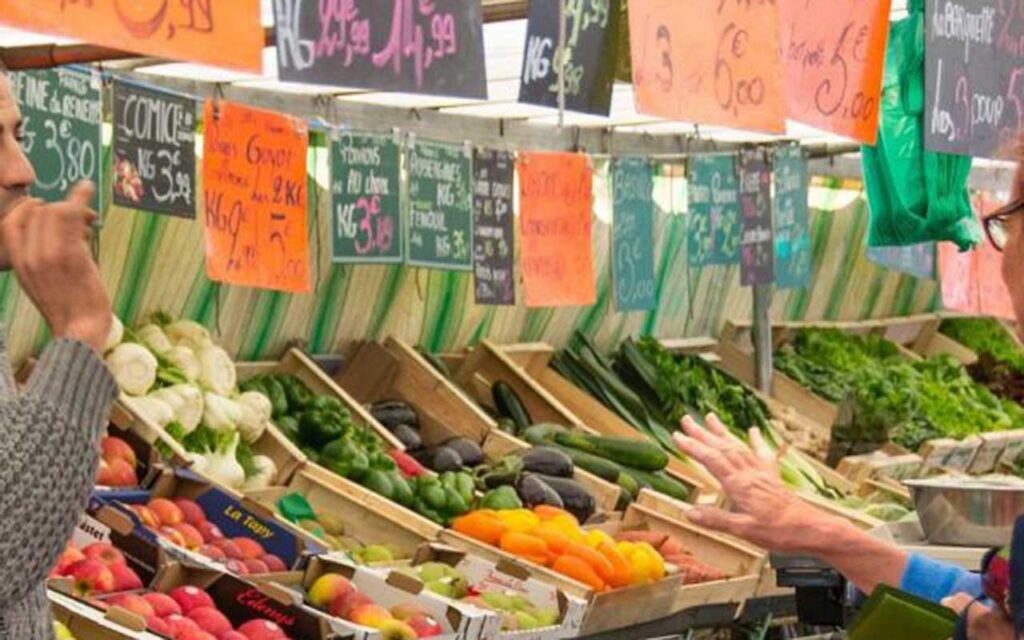
Small farms take centre stage in European push to bolster local food trade

Small farms take centre stage in European push to bolster local food trade

Amid international supply-chain disruptions, the EU is stepping up efforts to ensure the European food system benefits family farmers, Europe’s regions and its consumers When Paolo Colzi left his job in an Italian textile company 23 years ago to take over the family wheat farm, he decided to turn it organic. Colzi says it was…
No biodiversity – no future for food, or why we need more nature in agricultura

No biodiversity – no future for food, or why we need more nature in agriculture

The monoculture production system, which became widespread over the last century, has greatly contributed to the loss of the positive services offered by biodiversity Biodiversity is key to providing farmers with the services of nature such as pollination and water purification and also pest and disease control. However, the monoculture production system, which became widespread…