



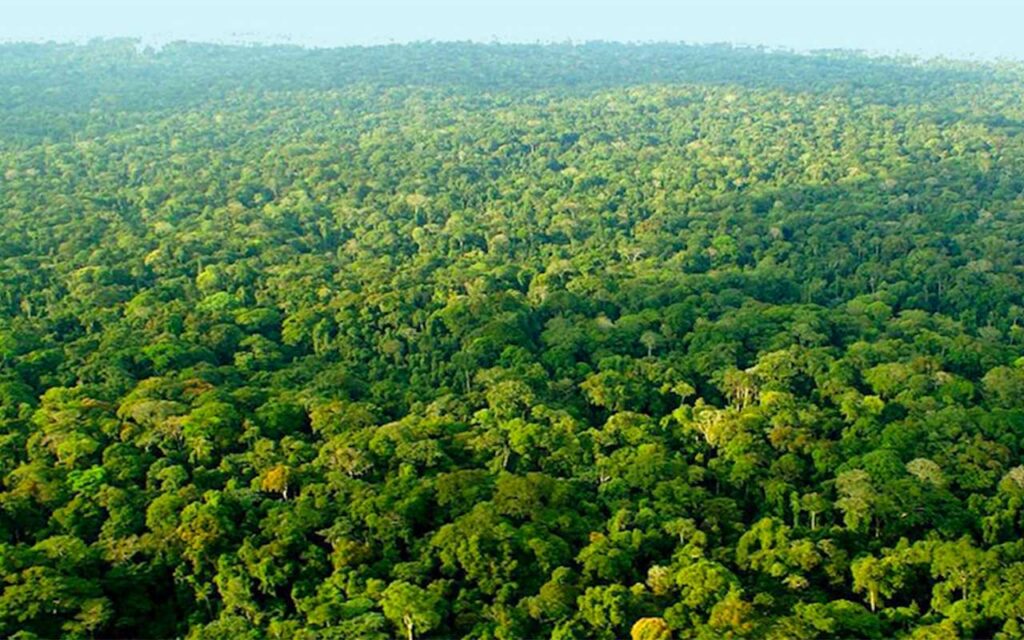
A study led by the University of Oxford reveals that tropical forests across the Americas are not adapting quickly enough to climate change.
Tropical rainforests play a vital role in global climate regulation and biodiversity conservation. However, a major new study led by Dr. Jesús Aguirre-Gutiérrez from the University of Oxford’s Environmental Change Institute (ECI) reveals that forests across the Americas are not adapting quickly enough to keep pace with climate change, raising concerns about their long-term resilience.
Key Findings of the Study
- Forest adaptation is lagging: While climate change is altering temperature and precipitation patterns, tree communities are changing too slowly to remain in equilibrium with their environment.
- Different survival strategies: Some tree species are thriving, while others struggle. Factors such as wood density, leaf thickness, and drought tolerance influence their ability to adapt.
- Elevation matters: Mountain forests show faster adaptation than lowland forests, likely due to greater climate variability.
- Differences in recruitment: Younger trees show the most noticeable trait shifts, yet the overall forest composition remains largely unchanged.
- Future risks: By 2100, regional temperatures could rise by up to 4°C, with rainfall decreasing by as much as 20%, pushing tropical forests further out of balance and increasing their vulnerability to extreme climate events.
A Call for Action
Dr. Aguirre-Gutiérrez explained: “Tropical forests are among the most diverse ecosystems on Earth, yet their ability to adapt to climate change is limited. Understanding which traits help trees survive can guide conservation efforts and policy decisions.”
The study highlights the urgent need for further research and conservation strategies to support the resilience of these critical ecosystems.