



Through a combination of nature-based solutions and advanced digital tools, the URBREATH project is transforming how cities across Europe tackle climate challenges
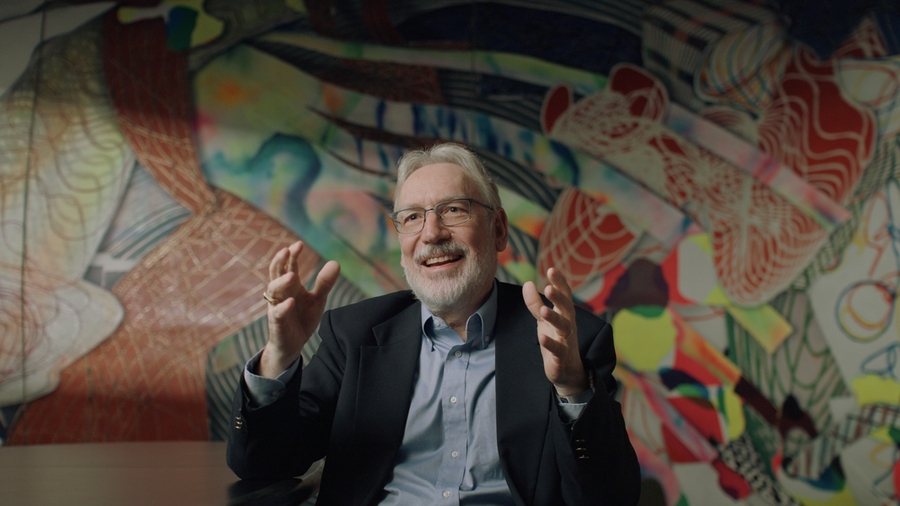
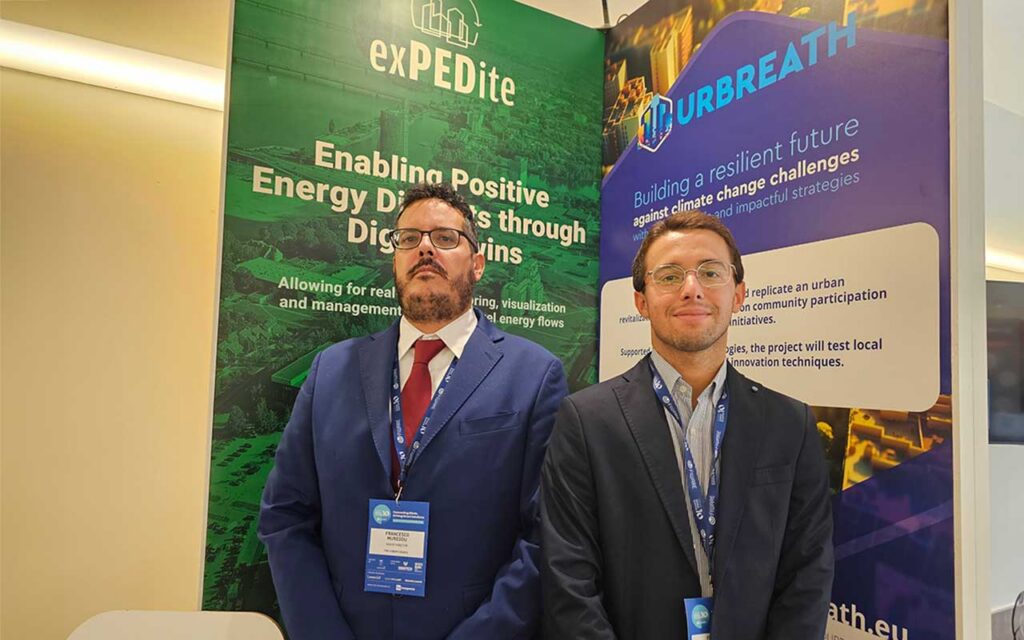
At the FIWARE Global Summit in Naples, I had the pleasure of interviewing Francesco Mureddu, Senior Director at The Lisbon Council, a Brussels-based think tank focused on advancing digital innovation and policy to address societal challenges. Francesco is a leading expert in digital transformation, and his work on the URBREATH project exemplifies the Council’s mission to leverage technology and policy for the greater good. URBREATH is aimed at helping cities become more resilient, sustainable, and adaptive in the face of climate risks.
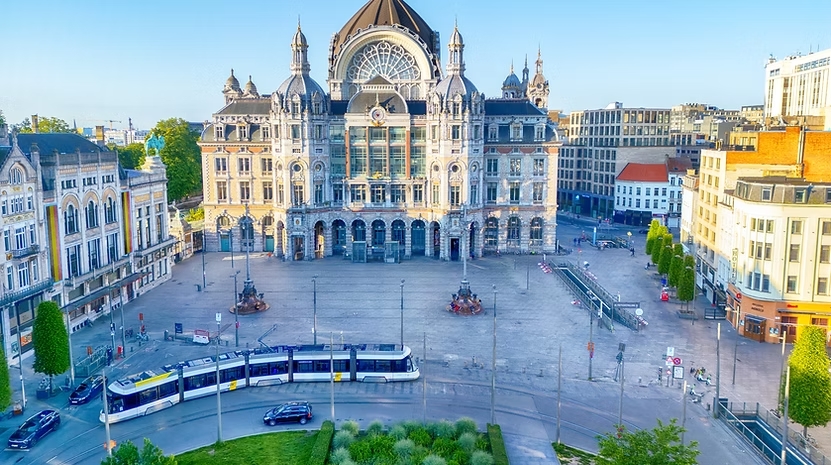
As the project progresses, cities like Madrid, Tallinn, Cluj-Napoca, and Leuven are poised to become leading examples of how innovative, nature-based solutions can drive urban transformation. Francesco reflects on the broader impact: “Our real success will be when these cities not only survive climate challenges but thrive in a way that makes them greener, healthier, and more resilient for future generations.”
Francesco is excited about the potential of URBREATH to scale beyond its initial cities. “One of our long-term goals is to create an open-source framework that other cities can easily adopt,” he says. “We’re working on developing business models and consultancy services that will help cities implement these solutions, allowing them to adapt the URBREATH methodology to their specific challenges.” Francesco is also exploring the integration of URBREATH with the FIWARE platform, which could further boost the project’s scalability. “FIWARE offers an open-source infrastructure that could help us deploy our digital twin technology and data models more efficiently across other cities,” he notes. This would allow URBREATH to become a powerful tool for cities worldwide, providing them with the technology and strategies they need to combat climate risks.
From Nature-Based Solutions to Digital Transformation
URBREATH relies on both and advanced digital tools to address the growing threats cities face from climate change. Francesco is clear about the vision: “It’s about rethinking how cities can regenerate themselves using sustainable, long-term solutions that not only reduce carbon emissions but also improve resilience to climate hazards.” The project integrates Nature-Based Solutions like green roofs, urban forests, and permeable surfaces with advanced technology to enhance climate neutrality and urban regeneration.
The pilot cities involved in URBREATH, including Madrid, Cluj-Napoca, Tallinn, and Leuven, each face unique challenges. “In Madrid, we’re focusing on mitigating heatwaves and reducing urban heat bubbles,” Francesco explains, while in other cities like Tallinn and Leuven, flooding is a major concern. By downscaling IPCC climate models to the district level, the project provides a localized assessment of climate hazards, allowing for the development of targeted solutions such as rain gardens or urban tree planting. “Each city has its own set of challenges, and the nature-based solutions we propose are tailored to those specific risks,” he adds.
A critical component of URBREATH is the use of Local Digital Twins, which Francesco sees as transformative for urban planning. “With the digital twins, we can simulate how different nature-based solutions will impact a city’s climate and socio-economic factors in real-time,” he explains. “It allows planners, and even citizens, to see the effects of these interventions—whether it’s reducing heat bubbles, improving air quality, or preventing floods.” This tool is designed to empower policymakers by providing them with accurate, actionable data on the potential impacts of their decisions.
Francesco emphasizes the importance of community engagement in the project. “We’re not just offering top-down solutions,” he says. “We involve local communities in a co-design process through our Living Labs. Residents get to play a role in shaping their neighborhoods, ensuring that the solutions we implement are not only effective but also aligned with their needs.” This participatory approach fosters trust in local institutions and encourages public involvement in urban regeneration efforts.
Measuring and Expanding URBREATH’s Impact
When it comes to monitoring the effectiveness of these solutions, URBREATH uses a comprehensive, data-driven system. “We are developing a set of KPIs to track everything from carbon sequestration to improvements in public health,” Francesco explains. The project doesn’t stop at climate mitigation; it also measures socio-economic benefits, such as reducing urban inequalities and creating healthier living environments. “It’s about making cities not just greener but also more livable,” he adds. Last but not least, the URBREATH methodology and tools will be replicated in five follower cities: Athens, Parma, Aarhus, Kajaani, and Plzeň.
With its innovative blend of digital tools, community-driven approaches, and nature-based solutions, URBREATH is setting a new standard for sustainable urban living.
By Esther Fuldauer, The Smart City Journal