Smart Health

How memories are made – and preserved

How memories are made – and preserved

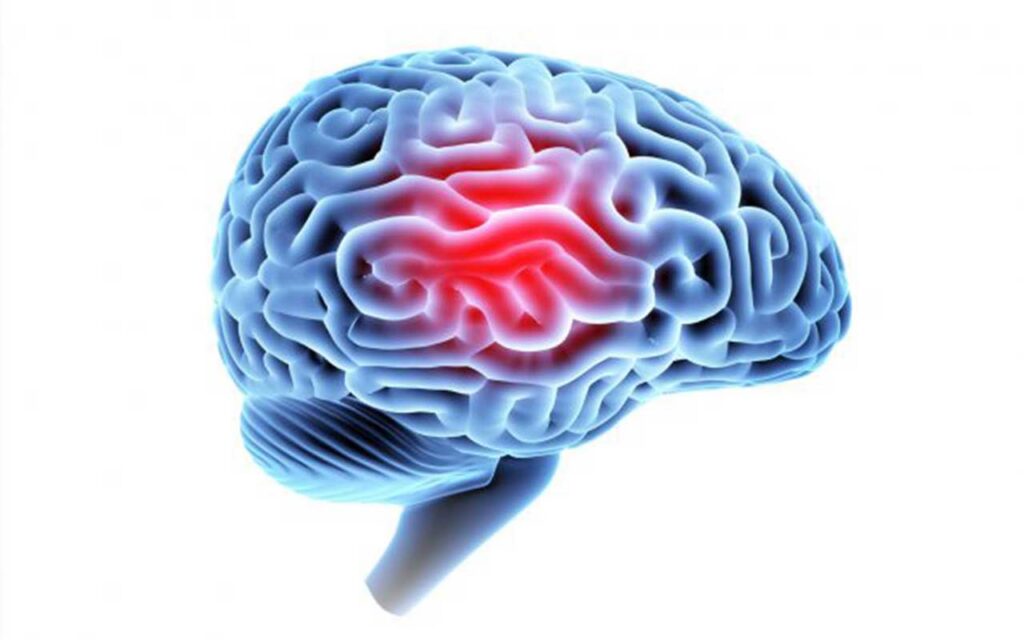
Research into how the human brain stores information could lead to treatments for people who struggle with everyday tasks Professor Jan Buitelaar, an expert in neurodevelopmental illnesses, is intrigued by a possible link between attention deficit hyperactivity disorder – or ADHD – and memory. While genes play a big part in ADHD, Buitelaar thinks the…
The Future of Healthcare Fits on Your Wrist

The Future of Healthcare Fits on Your Wrist

Experts Foresee Explosive Growth in Healthcare With AI-powered Wearables Dr. Hon Pak, SVP and Head of Digital Health Team, MX Business at Samsung Electronics sat down with Samsung Health Advisory Board members in early spring 2024 at the Samsung Medical Center in Seoul to discuss the future of health and how wearables powered by AI…
Drink with your partner, it’s good for you

Drink with your partner, it’s good for you

Couples who drink together have a longer life, says new study A healthy diet and exercise can help us live longer. But who knew that drinking with your significant other could be linked to a greater life expectancy? Alcohol and relationships may actually be a good mix, after all. Savour together, stay together Findings published…
Imagining virtual reality as a simple tool to treat depression  

Imagining virtual reality as a simple tool to treat depression  

Some of the 17 million Americans afflicted with major depressive disorder each year may soon receive a surprising new prescription from their clinician: Have fun on a virtual reality device Engaging in activities that make you feel good may seem like overly simplistic advice, especially when directed at people with severe depression. But the science…
For diabetes patients, needle-free insulin injections are on the way

For diabetes patients, needle-free insulin injections are on the way

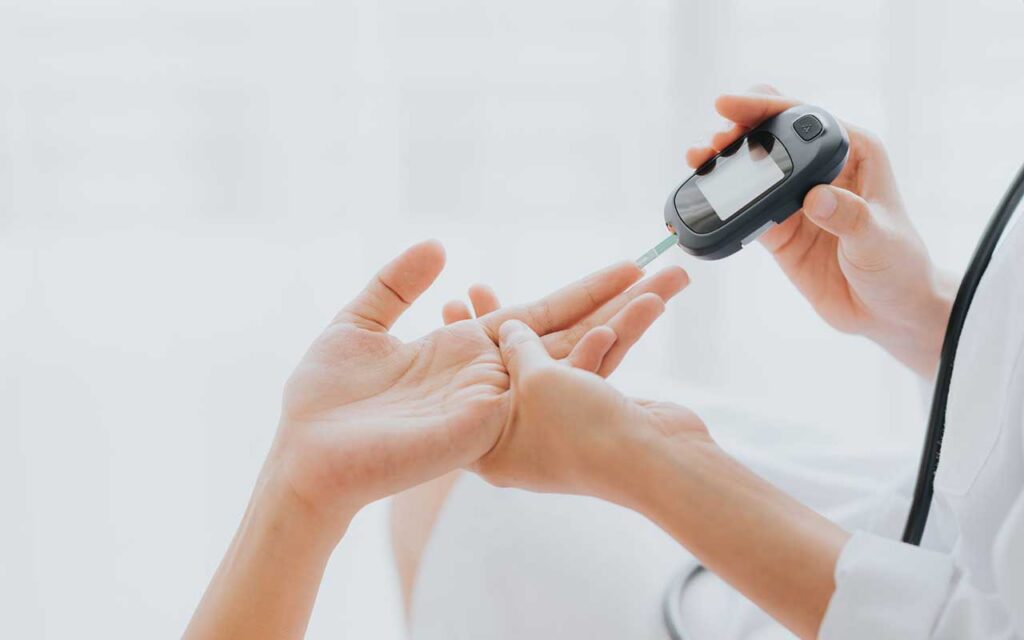
Professor David Fernandez Rivas, a bioengineer at the University of Twente, leads the team developing a method to deliver insulin using compression. The team is refining the technology in the hopes of turning it into a reality. Lee Calladine pricks his skin with a needle up to eight times a day to give himself an…
Aspirin cuts liver fat in trial

Aspirin cuts liver fat in trial

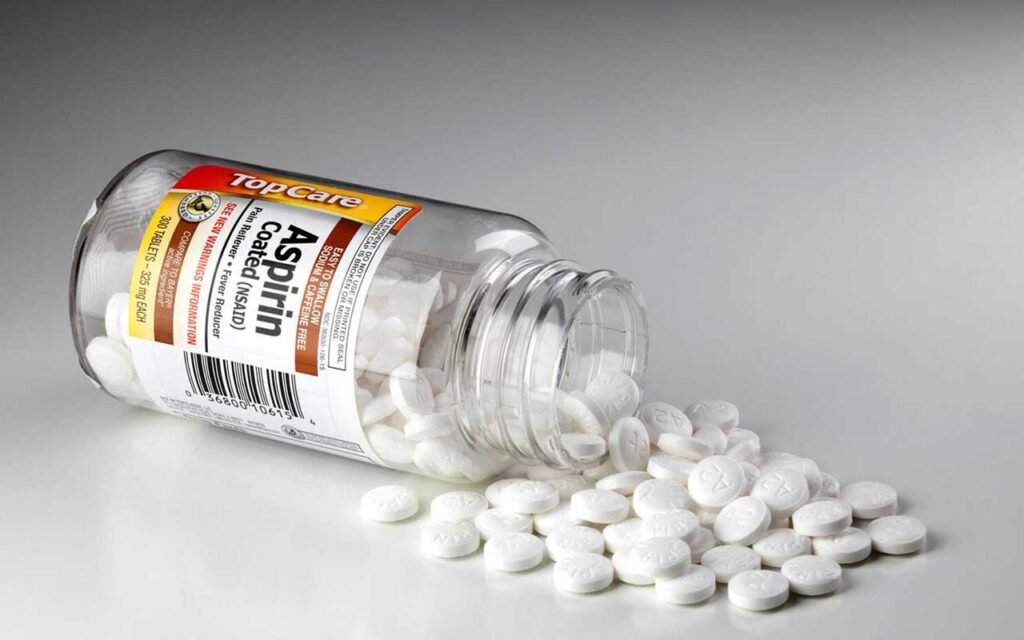
At the end of the study, Harvard showed that low-dose aspirin reduced the average liver fat content by 10.2 percent compared with placebo. The aspirin was found to be safe and well-tolerated and also improved various markers of liver health The most common chronic liver disease — metabolic dysfunction–associated steatotic liver disease (MASLD) — is…
How to deliver very bad news

How to deliver very bad news

It’s hard to be a doctor. This is when it’s really hard Fernando Rodriguez-Villa, an assistant professor of psychiatry at Harvard Medical School and a faculty member in the MGH-McLean Adult Psychiatry Residency Training Program, is the director of a course called “The Developing Physician,” which includes instruction on sharing difficult diagnoses with patients. We…
A win for science, and patients, against brain injury ‘nihilism’

A win for science, and patients, against brain injury ‘nihilism’

Hope for progress even after a 450-foot fall, trial shows, defying pessimism that hurts research and families New research may upend the widely held view of traumatic brain injury as a permanently debilitating condition. The findings indicate that electrical stimulation can reawaken quiescent brain circuitry, leading to functional improvements that have the potential to restore…
The miracle of ‘dog’

The miracle of ‘dog’

Study illuminates complex cognitive steps behind even the simplest words, with implications for the treatment of neurological disorders Using advanced brain recording techniques, a new study led by researchers from Harvard-affiliated Massachusetts General Hospital demonstrates how neurons in the human brain work together to allow people to think about what words they want to say…
The updated WHO Benchmarks for Strengthening Health Emergency Capacities expanded to include public health and social measures (PHSM)

The updated WHO Benchmarks for Strengthening Health Emergency Capacities expanded to include public health and social measures (PHSM)

The updated WHO Benchmarks for Strengthening Health Emergency Capacities was published to support the implementation of the International Health Regulations (IHR) and the health emergency prevention, preparedness, response, and resilience capacities Taking on board the lessons from the COVID-19 pandemic and other recent health emergencies, the benchmarks expanded to reflect closer alignment with the International Health Regulations…