Smart Health

Microfluidic smart bandage monitors chronic wounds and accelerates healing with real-time data

Smart Bandage Clears New Hurdle: Monitors Chronic Wounds in Human Patients

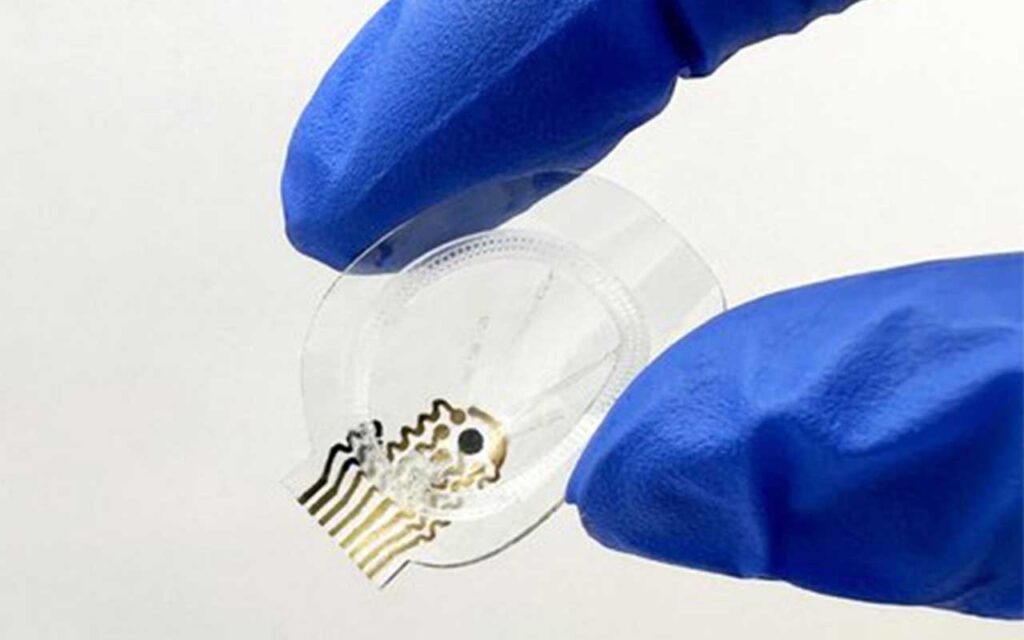
Outfitted with three different microfluidic components—miniature modules that channel and otherwise control the flow of liquids—clears excess moisture from wounds while providing real-time data about biomarkers present Caltech professor of medical engineering Wei Gao and his colleagues are envisioning a smart bandage of the future—a "lab on skin" that could not only help patients and…
Brain Care Score research by Mass General Brigham on reducing brain disease risk

Researchers ID 17 risk factors shared by age-related brain disease

Study finds that modifying one factor can reduce risk of stroke, dementia, and late-life depression. Seventeen modifiable factors have been identified that can lower people’s risk of age-related brain diseases such as stroke, dementia, and late-life depression, according to researchers at Harvard-affiliated Mass General Brigham. The study found a reduced risk of all three conditions…
AI transforming healthcare: medical experts discuss benefits, bias, and innovation in clinical settings and research labs

Machine healing

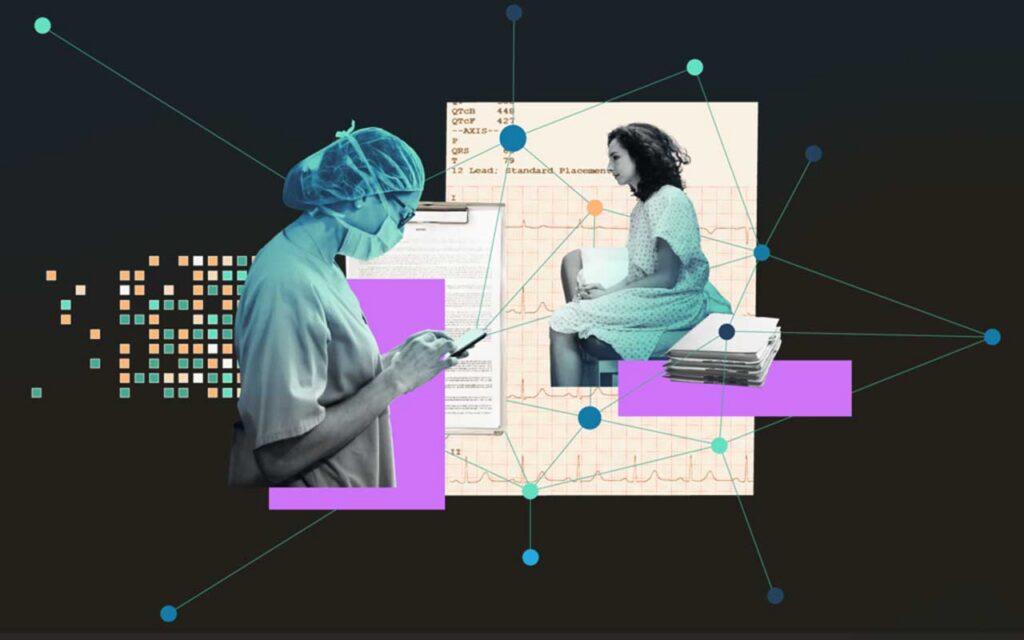
Artificial intelligence is up to the challenge of reducing human suffering, experts say. Are we? When Adam Rodman was a second-year medical student in the 2000s, he visited the library for a patient whose illness had left doctors stumped. Rodman searched the catalog, copied research papers, and shared them with the team. “It made a…
MIT's neuron conversion process enhances spinal cord and ALS treatments

MIT engineers turn skin cells directly into neurons for cell therapy

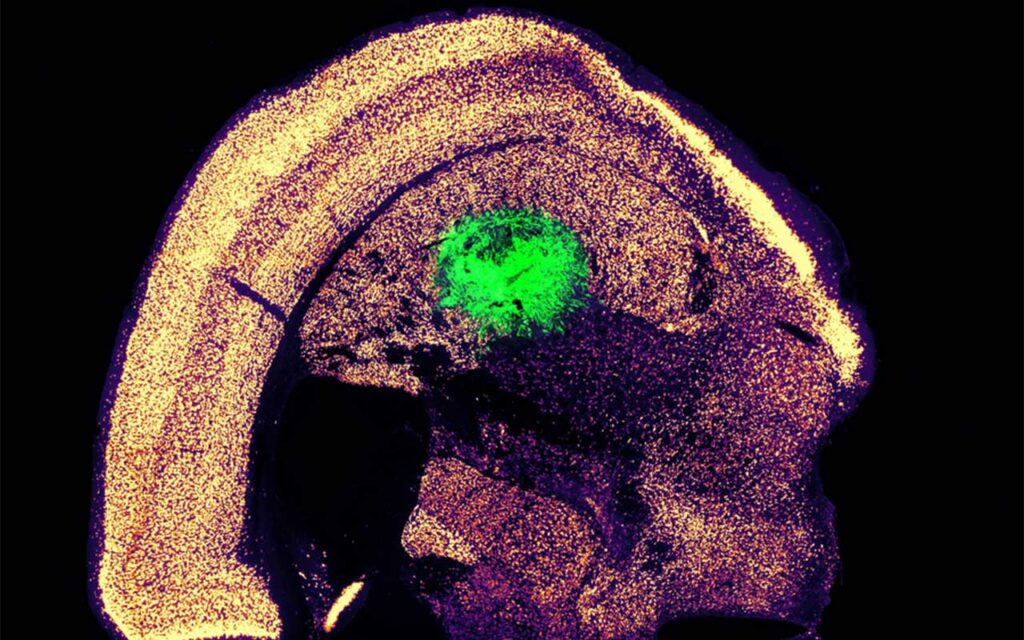
A new, highly efficient process for performing this conversion could make it easier to develop therapies for spinal cord injuries or diseases like ALS Converting one type of cell to another — for example, a skin cell to a neuron — can be done through a process that requires the skin cell to be induced…
Are we ready for the next global pandemic? AI here to help

Are we ready for the next global pandemic? AI here to help

AI advances could tackle future disease outbreaks, says international study. The COVID-19 crisis may already be a few years behind us. But questions inevitably arise if we’re adequately prepared for a future pandemic. AI is radically changing the way we live and work. It’s also poised to change research in infectious diseases. Can AI also…
Oxford researchers develop blood test to enable early detection of multiple cancers

Oxford researchers develop blood test to enable early detection of multiple cancers

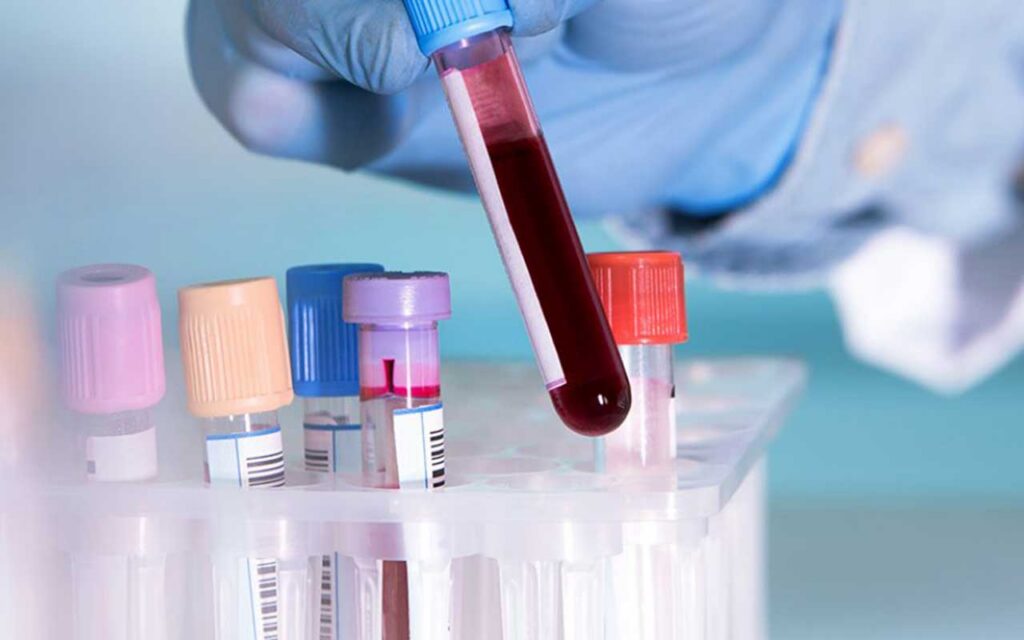
Oxford University researchers have unveiled a new blood test, powered by machine learning, which shows real promise in detecting multiple types of cancer in their earliest stages when the disease is hardest to detect Named TriOx, this innovative test analyses multiple features of DNA in the blood to identify subtle signs of cancer, which could…
Cartographers of the human body: The Human Cell Atlas

Cartographers of the human body: The Human Cell Atlas

The Human Cell Atlas is an ambitious project to map every cell in the human body. As it releases a suite of new studies, its co-lead, Professor Sarah Teichmann, explains how the initiative is already changing our understanding of our bodies Ozempic – the ‘weight loss jab’ everyone is talking about – has a strange…
Assistive robots redefine routine hospital care

Assistive robots redefine routine hospital care

Could now assist hospital staff with everyday tasks, expanding their roles beyond typical functions like surgery or patient care, thanks to advances in their mobile and manipulation capabilities The demand for efficient, reliable and flexible automation in hospitals is crucial. Current systems only automate parts of hospital processes, creating ‘islands of automation’ that are limited…
Financiación de temas independientes de investigación sanitaria que la industria ignora

Funding independent healthcare research topics that industry ignores

EU-backed scientists explore why we need to support multinational clinical studies carried out by independent researchers, and how to do it A new paper published in the journal ‘Trials’ takes a close look at investigator-initiated clinical studies (IICSs), non-commercial studies conducted by independent clinicians and researchers with the ultimate goal of improving healthcare. The result…
¿Funcionan de verdad las recomendaciones sanitarias?

Does health advice actually work?

New study explores the effectiveness of advising patients on lifestyle changes Guidelines normally recommend that health professionals advise patients on behaviour changes, or lifestyle interventions. Lose weight, watch your diet, stop smoking, get some exercise. We’ve all heard these at some point in our lives. But how many of us really follow through with them?…