Smart Health

Mediterranean diet offsets genetic risk for dementia, study finds

Mediterranean diet offsets genetic risk for dementia, study finds

Greatest benefit for those with highest predisposition to Alzheimer’s disease New research suggests that following a Mediterranean-style diet may help offset a person’s genetic risk for developing Alzheimer’s disease. The study, published in Nature Medicine and led by investigators from Mass General Brigham, Harvard T.H. Chan School of Public Health, and the Broad Institute of…
Major autism study uncovers biologically distinct subtypes, paving the way for precision diagnosis and care

Major autism study uncovers biologically distinct subtypes, paving the way for precision diagnosis and care

Researchers at Princeton University and the Simons Foundation have identified four clinically and biologically distinct subtypes of autism, marking a transformative step in understanding the condition’s genetic underpinnings and potential for personalized care Analyzing data from over 5,000 children in SPARK, an autism cohort study funded by the Simons Foundation, the researchers used a computational model…
Novel cancer-killing mechanism opens path to new treatments

Novel cancer-killing mechanism opens path to new treatments

Researchers at Stanford have identified a new mechanism of cell death linked to the cancer drug candidate tegavivint, calling it a potential “new weapon in the battle against cancer” A cancer drug currently undergoing clinical trials in human patients may work in a different way than previously understood. A Stanford-led research team has discovered a…
AI brings healthcare to the edge of tomorrow

AI brings healthcare to the edge of tomorrow

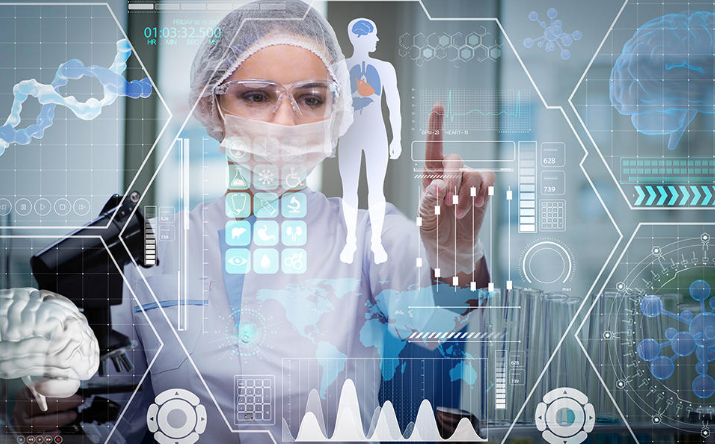
Tools developed by the AI-SPRINT project are helping healthcare researchers to integrate the power of data into patient care Artificial intelligence (AI) has the potential to have a major impact on the life sciences, especially healthcare. But delivering on that potential will require data – and lots of it. To get that data, developers must…
A bionic knee integrated into tissue can restore natural movement

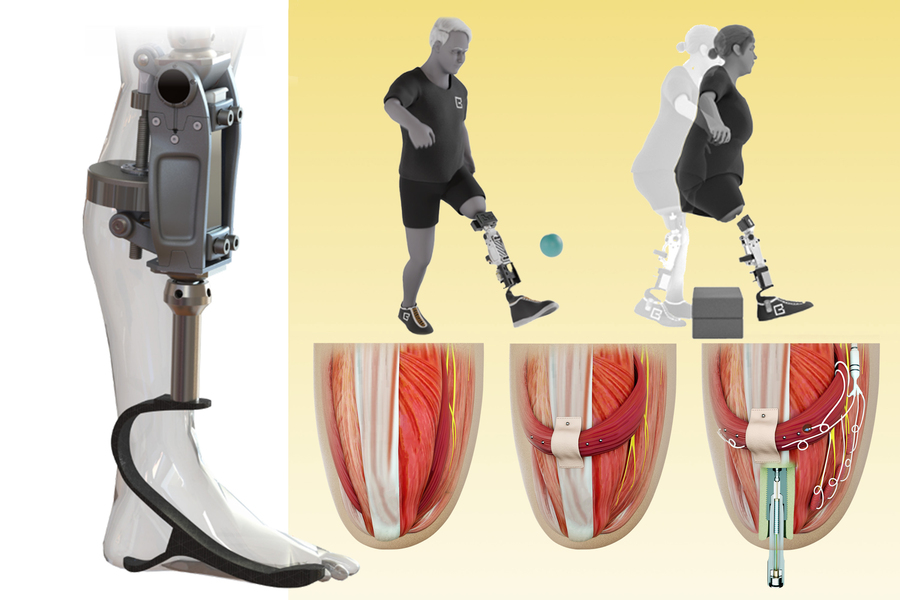
A bionic knee integrated into tissue can restore natural movement

In a small clinical study, users of this prosthesis navigated more easily and said the limb felt more like part of their body MIT researchers have developed a new bionic knee that can help people with above-the-knee amputations walk faster, climb stairs, and avoid obstacles more easily than they could with a traditional prosthesis. Unlike…
La inteligencia artificial lleva la asistencia sanitaria al borde del mañana

AI brings healthcare to the edge of tomorrow

Tools developed by the AI-SPRINT project are helping healthcare researchers to integrate the power of data into patient care Artificial intelligence (AI) has the potential to have a major impact on the life sciences, especially healthcare. But delivering on that potential will require data – and lots of it. To get that data, developers must…
Prevenir las enfermedades transmitidas por mosquitos con inteligencia artificial y ciencia ciudadana

Preventing mosquito-borne diseases with AI and citizen science

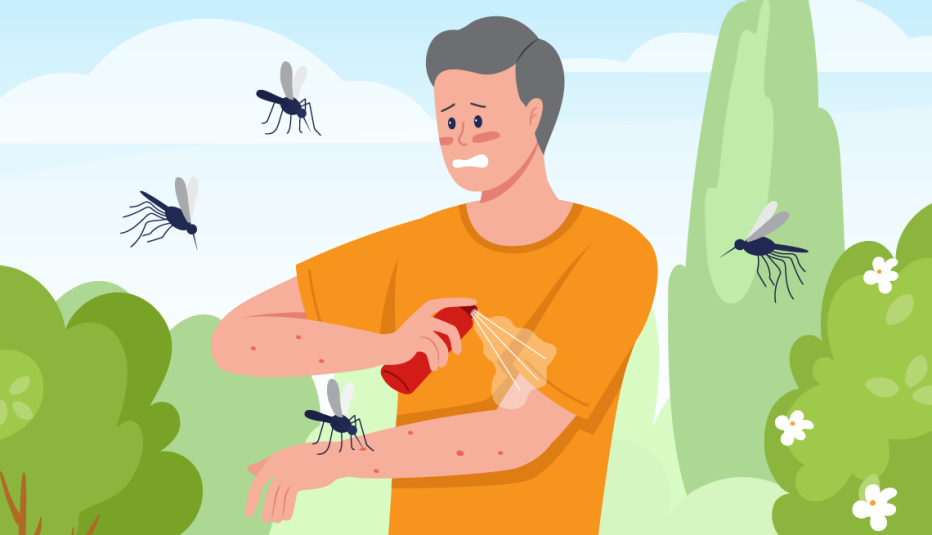
Through combining citizen science and artificial intelligence, the EU-funded H-MIP project is helping to inform public health prevention strategies and increase understanding of mosquito-borne diseases. Whether it be dengue, chikungunya, Zika or malaria, mosquito-borne diseases are on the rise. In fact, every year mosquitoes are responsible for nearly 700 million infections and over 1 million…
Study on genetics and sex differences in health outcomes published by Queen Mary University of London

Why do diseases affect men and women differently?

New research looks into factors beyond genes to explain what is causing the differences between the sexes It’s no secret that men and women face unique health challenges because of their genes. But to truly understand and address these challenges, are we relying too much on genetic factors that affect diseases, symptoms and health results?…
Stanford researchers demonstrate the milli-spinner, a breakthrough device for removing blood clots without rupture

A game-changing way to treat stroke

Researchers at Stanford have developed a new technology for removing blood clots that is more than twice as effective as current techniques Breakthrough blood clot removal device doubles success rate When treating an ischemic stroke – where a clot is blocking the flow of oxygen to the brain – every minute counts. The more quickly…
Rolf-Detlef Treede explica el papel del dolor y la nocicepción en la salud humana

Could we live without pain?

Pain is unpleasant, and can be debilitating for some. The expert Rolf-Detlef Treede tackles the thorny reality of a pain-free life. “There are people that live without pain,” says Treede, a neurophysiologist at the University of Heidelberg. “They have been known for centuries to exist.” Insensitivity to pain, known as analgesia, can be caused by…