Smart Health

Sweet, sweet dreams

Sweet, sweet dreams

A new animation, based on research by Oxford Professor Colin Espie,  explains 5 principles of good sleep health The start of a new year prompts many of us to reflect on our bad habits and instil better ones, particularly with regards to our health. While the longer evenings leave many wanting to curl up and sleep,…
Study reveals promising diet for managing Crohn’s disease

Study reveals promising diet for managing Crohn’s disease

Stanford Medicine researchers found a calorie-restrictive diet significantly alleviates symptoms of mild-to-moderate Crohn’s disease, offering new guidance for patients “What should I eat?” is perhaps the most common question patients with inflammatory bowel disease ask their doctors. It’s notoriously difficult to answer. There have been few large studies of dietary interventions for IBD, a group…
In the future, substances can be identified by miniature devices based on metalenses – Photonics project paves the way for sustainable measurement technologies in industry and medicine

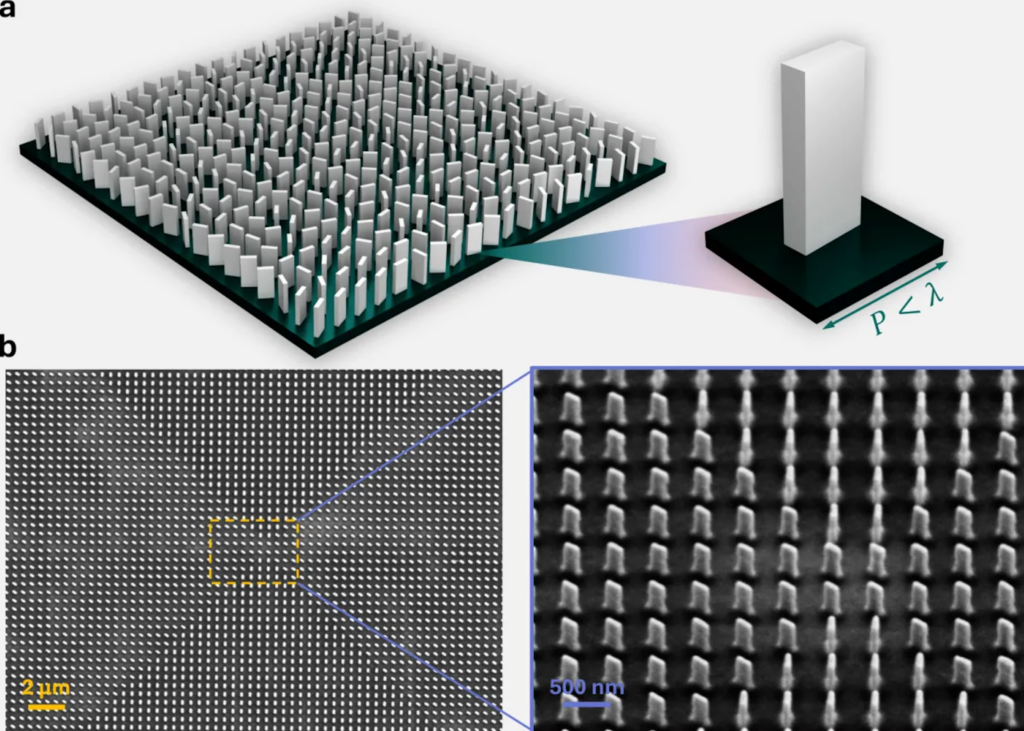
In the future, substances can be identified by miniature devices based on metalenses – Photonics project paves the way for sustainable measurement technologies in industry and medicine

A VTT led research project is developing compact spectral imaging and gas measurement technologies for industries and medical diagnostics. Innovations based on the science of light, i.e. photonics, use, for instance, infrared light to identify gases. With the new optical MEMS solutions, instruments and sensors are easier and cheaper to manufacture from readily available and…
Avances hacia las inyecciones sin agujas

Developments towards needle-free injections

An innovative team improved the control of fluid jets to streamline the development of needle-free injections Roughly 44 million needles are used each day. Needles are fundamental for vaccination, blood sampling and drug delivery. And they have inked millions of tattoos. Yet they must be used correctly, instil fear among many people and create a…
New blood test for early detection of amyotrophic lateral sclerosis

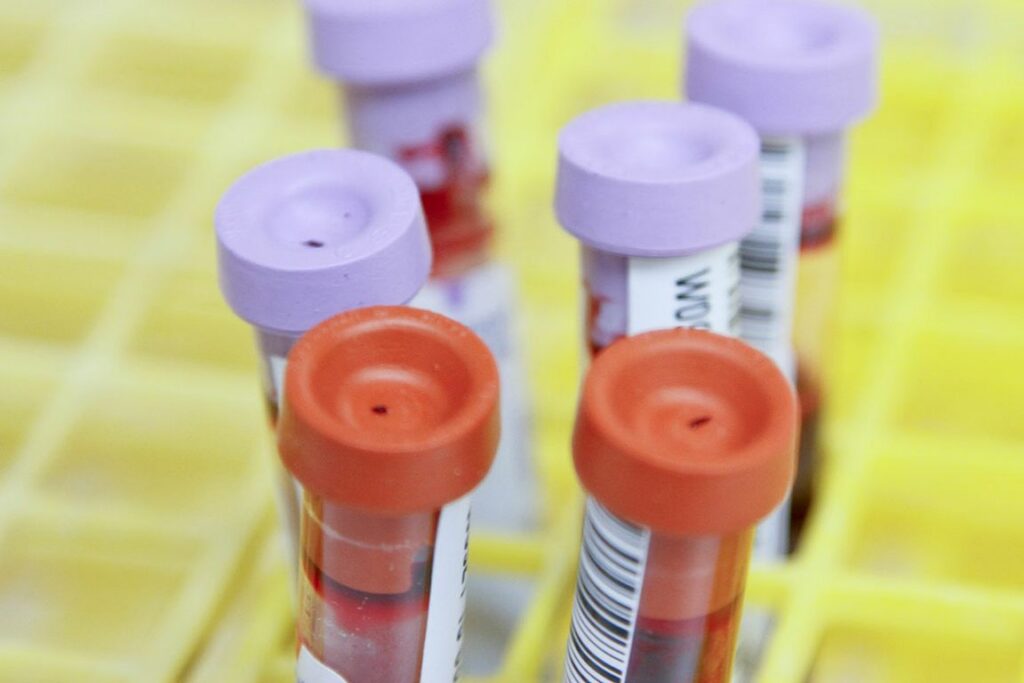
New blood test for early detection of amyotrophic lateral sclerosis

Researchers have identified proteins in the blood that can detect amyotrophic lateral sclerosis with great accuracy up to 10 years before symptoms appear. Research supported in part by the EU-funded BRAINTEASER and HEREDITARY projects has led to the identification of proteins in blood that can accurately detect amyotrophic lateral sclerosis (ALS) up to a decade…
Shaping the future of biomedicine with smart nanobot swarms

Shaping the future of biomedicine with smart nanobot swarms

The EU-funded i-NANOSWARMS project is developing intelligent self-powered nanosystems that can cooperate, communicate and interact among themselves, promising novel biomedical applications Can nanobots be made to move collectively like flocks of birds and schools of fish? Replicating the complexity of movement and cooperative behaviour found in systems in nature is no small feat, but the…
What comes next for your health, and when?

What comes next for your health, and when?

New AI model maps the risk of certain diseases years in advance AI is transforming medicine. With more and more accuracy, it’s helping doctors diagnose patients. Our medical history offers valuable insight into potential health issues. But what if AI could reliably estimate our next diagnosis, complication or even the timing of death? A research…
Inteligencia artificial para dar sentido a grandes cantidades de datos biomédicos

Making sense out of vast amounts of biomedical data with AI

Researchers invent new artificial intelligence solutions to turn vast amounts of medical data into actionable insights Genomes, proteomes, metabolomes, exposomes – when it comes to human cells and tissues, there’s no shortage of data. The question is: ‘what do we do with it’? “We have vast amounts of data, but existing methods for dealing with…
Nuevos métodos pioneros para combatir la inflamación crónica

Pioneering new approaches to tackling chronic inflammation

A new generation of researchers have been trained to tackle chronic inflammation, a condition that impacts the lives of millions In response to an infection or physical injury, the human body often triggers an inflammation. At some point, this response needs to be shut down to avoid chronic inflammation, which can lead to persistent fatigue,…
Un médico con inteligencia artificial ayudará en el tratamiento del cáncer de estómago

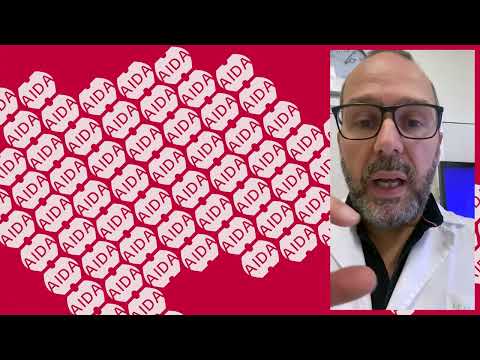
AI-powered clinician to aid stomach cancer treatment

EU-backed researchers developed an AI system that personalises treatment for stomach cancer-causing bacterium An international team of researchers has developed a reinforcement learning-based AI-powered diagnostic assistant that can tailor treatment for Helicobacter pylori, a bacterium considered to be the leading cause of stomach cancer worldwide. Supported by the EU-funded AIDA(opens in new window) project, as…