



Initiatives like this help lay the foundations for a more integrated, resilient and citizen-centric European energy system.
The energy transition is no longer just about adding more renewable generation, it is increasingly about how energy systems are managed, connected and used. Digitalization now plays a central role in making this transition efficient, secure and truly user-oriented.
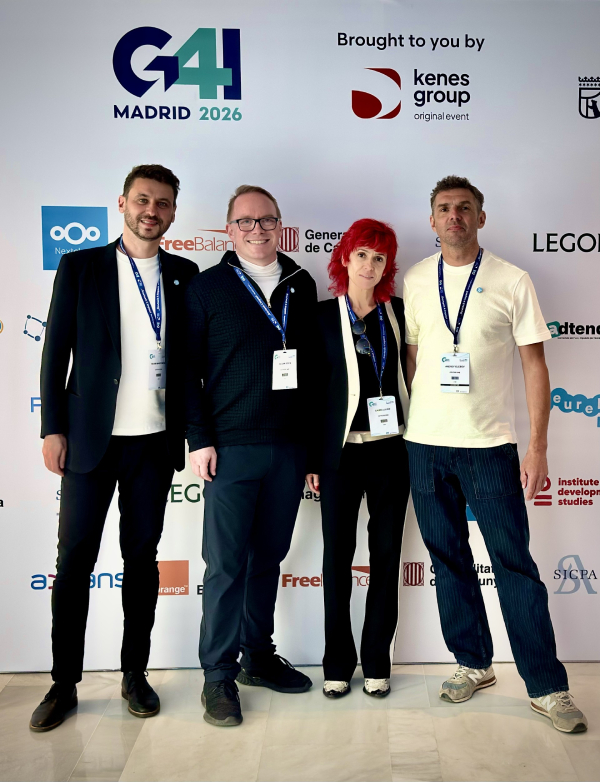
In a big step toward a more independent and sustainable energy future,, the ECLIPSE DIGITAL EUROPE project, coordinated by ETRA I+D, recently organised the workshop “From Data to Action: How Digitalisation Accelerates the Energy Transition”. The event brought together several European initiatives to exchange practical experiences on how digitalization can support the evolution of Europe’s energy system.
Building a European digital backbone for energy
The workshop opened with a keynote from Ms. Patricia Arsene (European Commission, DG CONNECT), which highlighted the growing need for a shared digital backbone for the energy sector. Rather than relying on isolated platforms and fragmented solutions, Europe is moving towards a more coordinated model where energy data can flow securely and efficiently between stakeholders.
This approach is closely linked to recent policy developments, including the Data Act and the European Data Strategy, which promote common governance models and sectoral data spaces. In the energy domain, these frameworks aim to make data more accessible and reusable, while ensuring trust, security and interoperability across borders.
ECLIPSE: bringing energy data to the user
Within this broader ecosystem, ECLIPSE DIGITAL PROJECT is developing the Common European Reference Framework (CERF) for energy consumer applications. During the workshop, the project team presented a first version of the ECLIPSE energy app, designed to turn complex energy data into clear and actionable information for end users.
The app allows users to monitor their energy consumption in near real time, receive flexibility signals (for example, alerts to reduce demand during peak periods) and access tailored energy-saving tips. As discussed during the session, while other initiatives focus on building the data infrastructure, ECLIPSE DIGITAL PROJECT aims to be the point where this data finally becomes useful and understandable for citizens.
How European projects are modernising the grid
Four other flagship projects shared during the workshop concrete examples of how digitalisation is already reshaping the energy landscape:
- OPENTUNITY focuses on software solutions across low- and high-voltage networks. One of its key developments is an open-source topology converter that helps DSOs standardise grid data using the CIM model. The project also applies AI-based Non-Intrusive Load Monitoring (NILM), enabling households to understand appliance-level consumption without installing additional hardware.
- ODEON addresses the transition from centralised, fossil-based systems to decentralised renewable environments. By combining IoT technologies with cloud and edge platforms, the project has developed a catalogue of AI tools to support energy communities and prosumers, with a strong focus on improving grid observability and resilience.
- BEGONIA, a Coordination and Support Action, looks at the digital infrastructure needed to support emerging energy use cases, such as electric mobility or data centre optimisation. Its work shows that technical solutions are often already available, but regulatory misalignment and slow policy implementation remain major barriers to scaling them across Europe.
- INSIEME is developing the Common European Energy Data Space, bringing together 54 partners from across the sector. Its deployments span seven different domains, from energy communities to heavy-duty electric transport, ensuring that the data space is shaped by real operational needs.
Common challenges: interoperability, policy and people
The final panel discussion highlighted several shared challenges that continue to shape the digital energy transition:
- Interoperability remains essential. Projects increasingly rely on common standards and data models such as CIM and SAREF to avoid duplicating efforts and to ensure that platforms can work together.
- Policy alignment is still uneven. While European legislation is advancing, differences in national implementation and data access rules often slow down the deployment of cross-border solutions.
- User acceptance cannot be taken for granted. Speakers agreed that digital energy tools must be affordable, transparent and easy to use, offering clear benefits, whether economic, environmental or both, to encourage widespread adoption.
The workshop closed with a shared understanding that collaboration across projects is not just beneficial, but necessary. By aligning technical approaches, sharing lessons learned and engaging with policymakers, initiatives like ECLIPSE DIGITAL PROJECT are helping to lay the foundations for a more integrated, resilient and citizen-centred European energy system.
About ECLIPSE DIGITAL PROJECT
Coordinated by a consortium of 22 partners and involving 15 pilot sites across Europe, ECLIPSE DIGITAL PROJECT is a 24-month project funded under the Digital Europe Programme. It aims to define and demonstrate a common framework for energy applications to foster interoperability and empower consumers in the energy transition.
Further information:
Lola Alacreu (Project coordinator) – [email protected]
Twitter: https://x.com/Eclipse_DigiEU
LinkedIn: https://www.linkedin.com/company/eclipse-digital-project