



With NVIDIA’s AI innovations, from ‘little helpers’ in city management to real-time disaster response, urban life and resilience are set for transformation
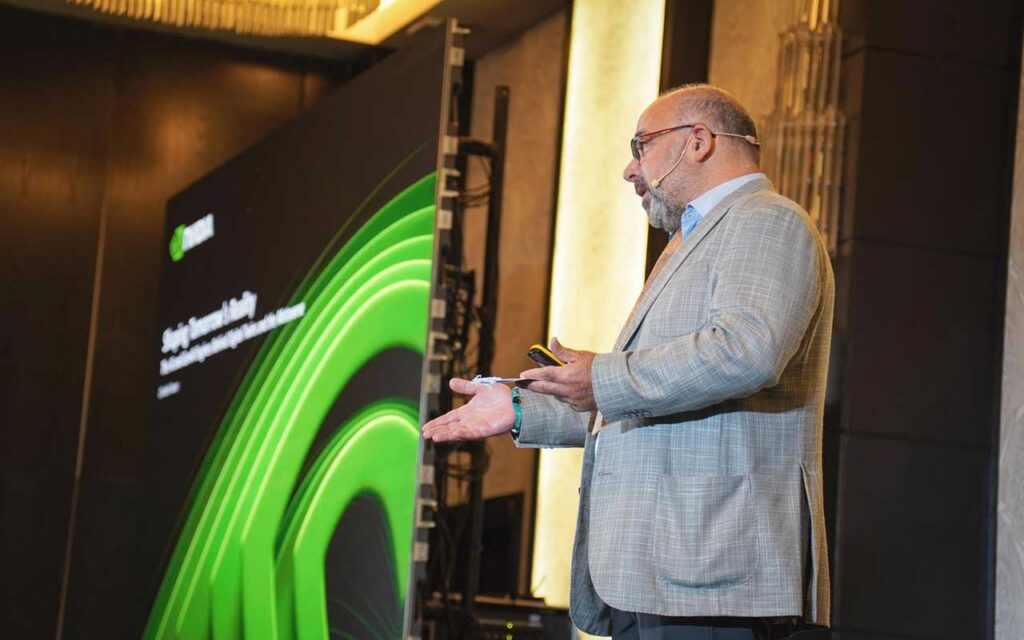
At the Urban Metaverse and Smart Cities event organized by BizzTech in Tenerife thought leaders gathered to explore how advanced technologies are reshaping urban environments. Among the standout voices was Charbel Aoun, who leads Smart Cities and Spaces for EMEA at NVIDIA and is a thought leader in the Smart City and AI space. Aoun’s insights highlighted how AI and accelerated computing are driving the future of smart cities, focusing on operational efficiency, real-time decision-making, and infrastructure optimization. In this interview, he explores AI’s evolving role in urban management, NVIDIA’s innovations, and how these advances will transform city planning and resilience.
TSCJ: How do you see AI’s role evolving in the next decade in transforming urban environments, and what key challenges must be addressed for AI to reach its full potential in cities?
CA: AI’s potential in cities is clear—it’s about delivering operational efficiency and enhancing safety. We’re already seeing evidence of this today, and as we move forward, I believe we’ll see more AI-driven tools—what we like to call “little helpers”—that assist with specific tasks across various domains. These AI agents will allow city officials to focus on higher-level decision-making while AI handles routine, repetitive work. The key challenge will be productizing these solutions to make them accessible and adaptable for different city needs.
TSCJ: You’ve mentioned AI democratizing decision-making in city planning. How does AI support city officials in real-time decision-making, and how can it further involve citizens beyond simulations?
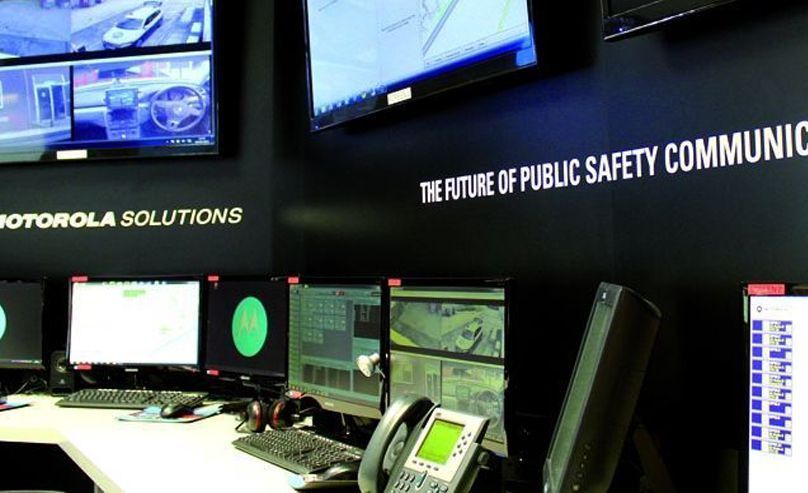
CA: We’re on a mission to democratize AI, making it more accessible and user-friendly. AI can help cities make decisions in real-time by processing vast amounts of data—from IoT sensors to social media and video footage. Picture a control room where decision-makers need to respond to an accident or a public event. AI can quickly process the data, present clear facts, and enable faster, more informed decisions. It’s about turning data into action, and AI is the key to making that happen. In terms of involving citizens, AI’s role in offering real-time feedback and data to city officials could expand, creating a two-way channel for citizens to participate in shaping their cities.
TSCJ: Speaking of decision-making, how can AI optimize existing city infrastructure without the need for costly overhauls? Can you give us practical examples?
CA: AI can dynamically address issues like traffic flow, waste management, and even visual pollution. For example, instead of sticking to a scheduled cleaning route, AI can detect a full trash bin or graffiti and prompt immediate action. It allows cities to respond in real time rather than waiting for planned maintenance. This not only saves time but also reduces the need for costly infrastructure upgrades. It’s about using technology to identify and solve problems on the spot, with minimal disruption to everyday operations.
TSCJ: In addition to optimizing infrastructure, can you share specific real-world cases where AI has improved city operations?
CA: Absolutely. One of the most common examples is traffic management. Cities can now use AI to understand what’s happening on the streets and allocate resources accordingly. We also see AI being used in public space management—helping city planners allocate space between cars, bikes, and pedestrians based on real data. Another area is healthcare, where digital assistants monitor routine health tasks for elderly citizens, allowing healthcare workers to focus on critical cases. These are just a few examples of how AI is already delivering efficiency in various sectors.
TSCJ: Let’s talk about NVIDIA’s role. How is NVIDIA pushing the frontier of AI applications for urban management, and what’s next in terms of innovation?
CA: At NVIDIA, we are constantly innovating. Right now, our focus is on AI microservices– NVIDIA AI Blueprints—small, packaged AI recipes that cities and system integrators can adopt and tailor for specific tasks. These microservices can be combined and customized to meet the needs of any urban environment. Our role is to solve the complex technological challenges so that cities can focus on using these tools to drive real impact. We’re not just building tools—we’re building an ecosystem that allows cities to innovate on top of our solutions.
TSCJ: AI is also making strides in disaster recovery. How do you see AI contributing to urban resilience in the face of growing environmental challenges?
CA: AI is crucial for disaster recovery, whether it’s managing floods, fires, or other crises. With AI, cities can predict and mitigate disasters more effectively by analyzing global data and identifying trends. For instance, AI can simulate wildfire behavior, giving officials the insights they need to act quickly and minimize damage. The goal is to provide cities with the tools they need to anticipate and respond to environmental challenges in real-time. This is where AI shines—by transforming vast amounts of data into actionable insights that improve resilience.
TSCJ: Finally, what stood out to you most during the Urban Metaverse and Smart Cities event, and how do you feel the event has shaped the conversation around AI and the metaverse?
CA: One moment that struck me was when a panelist talked about the possibility of creating an avatar of his late father. It was touching and showed how personal and emotional technology can be. It also made me think about the challenges of making that a reality—the data, the technology, and the ethics involved. It’s a great example of how AI and the metaverse can merge to create deeply impactful experiences. Overall, the event has been very focused and productive. I’ve had the chance to meet interesting individuals and hear about some truly fascinating challenges. Events like this are important because they give us a platform to exchange ideas and discuss how AI can solve real-world problems in cities. I’m looking forward to seeing how these conversations evolve.
By Esther Fuldauer, The Smart City Journal