Smart Health

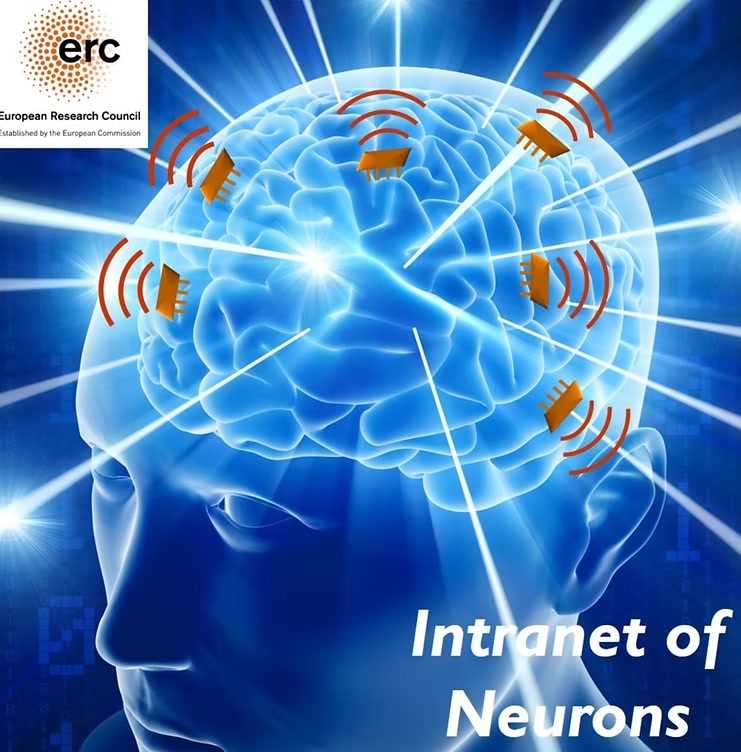
Ilustración del proyecto Intranet of Neurons con chips inalámbricos conectados al cerebro

The smart chip revolutionising brain implants

The IoN project unlocks a major breakthrough in brain-computer interfaces, enabling wireless transmission of complex neural data at unprecedented speeds while safely minimising heat through smart compression
Hacer frente al cáncer de cuello uterino mediante una comunicación específica

Tackling cervical cancer through targeted communication

Reaching vulnerable women with targeted screening and vaccination approaches can help to reduce cervical cancer deaths Comprehensive screening programmes and early diagnoses are critical elements in the fight against cervical cancer, the fourth most common cancer affecting women worldwide. Screening programmes can be used for example to detect the human papillomavirus (HPV), the virus that…
Desarrollar sistemas sanitarios pensados para las personas, no para las enfermedades

Building health systems designed for people, not diseases

BUILD promotes person-centred, integrated care across Europe with input from older adults requiring care, caregivers and other stakeholders How do we prevent inequalities in long-term care, especially given Europe’s ageing population? Launched in 2024, the EU-funded BUILD project set out to map care systems across Europe and study how social inequalities affect access and outcomes.…
Explorar los pilares de los sistemas sanitarios flexibles

Exploring the pillars of flexible health systems

FLASH highlights the path to dynamic resilience in European healthcare financing The EU-funded FLASH(opens in new window) project is exploring solutions to tackle the rigidity of healthcare financing models and their inability to adequately handle sudden, large-scale disruptions. A stark reminder is the COVID-19 pandemic. While European nations responded by injecting emergency funds and reallocating…
Una contratación pública más inteligente para mejorar la asistencia sanitaria en Europa

Smarter procurement for better European healthcare

By building a network of procurement of innovation stakeholders, the EU-funded Procure4Health project is helping European healthcare systems move from reactive buying to a more demand-driven approach Across Europe, healthcare faces the challenge of doing more with limited resources. “Procurement usually focuses on buying finished products,” says project coordinator Carlos Larrañeta Gómez-Caminero, from the Andalucian…
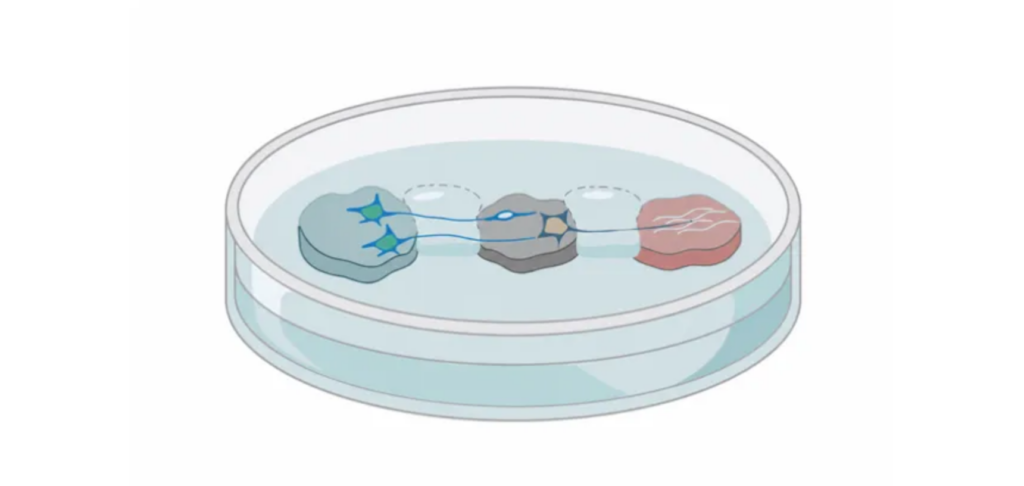
Lab-grown brain-spinal cord model shows ‘irreversible’ nerve damage may be reversed

Lab-grown brain-spinal cord model shows ‘irreversible’ nerve damage may be reversed

Cambridge scientists have grown miniature circuits in the lab that mimic how the brain and spinal cord connect up, which underlies our movements. They used this model to show how damage to these connections previously considered ‘irreversible’ could, in fact, be reversible As we develop and grow from embryo to fetus to infant, our nerve…
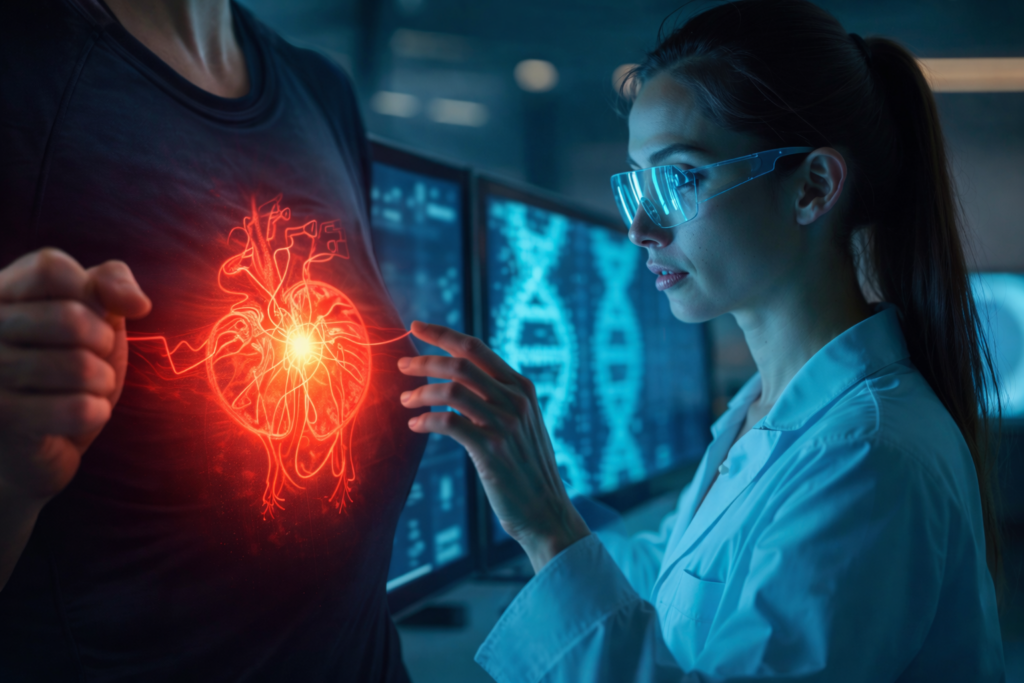
Fusing genomics and AI to personalise heart care

Fusing genomics and AI to personalise heart care

The NextGen project integrates genomics and clinical data into AI systems to revolutionise the prevention, diagnosis and treatment of cardiovascular diseases The EU-funded NextGen(opens in new window) project is transforming cardiology by merging genomic sequences with clinical data into a secure ‘digital fabric’. This breakthrough enables AI models to deliver truly personalised therapies for heart…
Reconnecting body and brain: Europe’s breakthrough in reversing paralysis

Reconnecting body and brain: Europe’s breakthrough in reversing paralysis

Once considered impossible, restoring movement after paralysis is becoming a reality thanks to EU-funded researchers who have developed a device that reconnects the brain to the body Spinal cord injury (SCI) remains one of the most devastating neurological conditions, severing communication between the brain and the body and leaving millions worldwide with permanent paralysis. Despite…
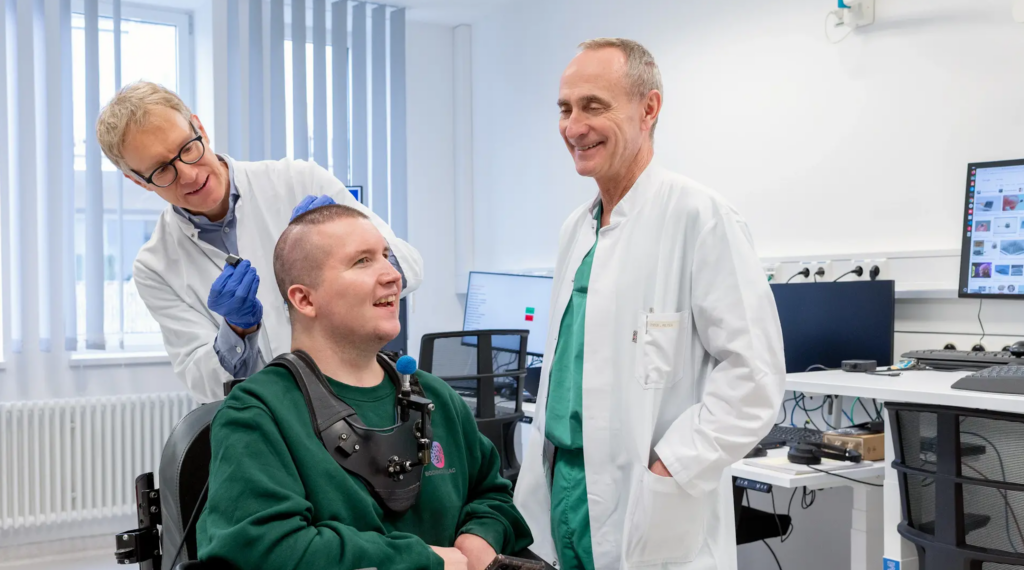
The power of the mind

The power of the mind

Michael Mehringer is paralyzed from the neck down. Together with a team of neuroscientists, neurosurgeons, robotics experts, and AI researchers, he is working to gain more autonomy through a brain-computer interface The arm on the computer screen looks like something out of a video game. The hand, joints, and arm bones are built from orange…
Mejorar el éxito de los trasplantes renales con medicina de precisión asistida por inteligencia artificial

Improving the success of kidney transplants with AI-supported precision medicine

With chronic kidney disease affecting over 100 million Europeans and costing around EUR 140 billion annually, EU-TRAIN helps address the urgent need for more accurate diagnostics For patients with end-stage kidney disease, an organ transplant can be their best hope for recovery. Yet despite medical advances such as immunosuppressive drugs, around 10 % of kidney…