Green New Deal

Preservar nuestro patrimonio cultural con eficiencia energética

Preserving our cultural heritage the energy efficient way

To guarantee the preservation of museum collections while also optimising energy consumption, the EU-funded SMARTMUS-E project is proposing a sound methodology for analysing temperature and humidity fluctuations in museums There is a whole unseen story behind the exhibits we get to enjoy inside museums. Many exhibits’ survival is dependent on the indoor temperature and humidity…
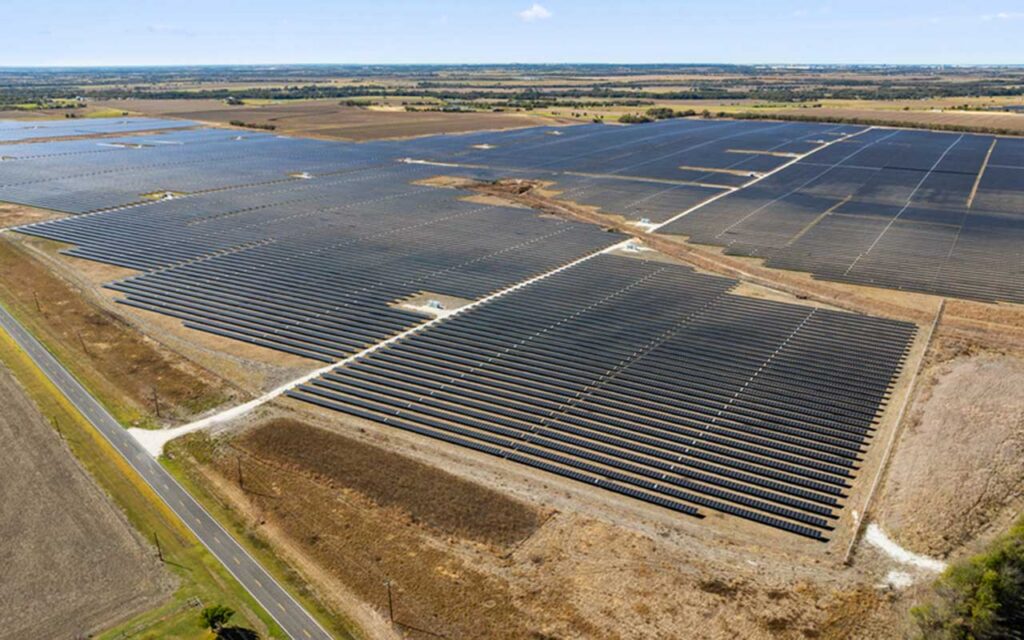
Consortium led by MIT, Harvard University, and Mass General Brigham spurs development of 408 MW of renewable energy

Consortium led by MIT, Harvard University, and Mass General Brigham spurs development of 408 MW of renewable energy

Projects in Texas and North Dakota support clean energy transition as MIT moves closer to 2026 net-zero goal MIT is co-leading an effort to enable the development of two new large-scale renewable energy projects in regions with carbon-intensive electrical grids: Big Elm Solar in Bell County, Texas, came online this year, and the Bowman Wind…
Accelerating carbon dioxide release from rocks in Arctic Canada with global warming

Accelerating carbon dioxide release from rocks in Arctic Canada with global warming

Researchers from the Department of Earth Sciences at the University of Oxford have shown that the weathering of rocks in the Canadian Arctic will accelerate with rising temperatures, triggering a positive feedback loop that will release more and more CO2 into the atmosphere For sensitive regions such as the Arctic, where surface air temperatures are…
Nature’s own chemistry could help reduce waste and improve health

Nature’s own chemistry could help reduce waste and improve health

EU-funded researchers are studying chemical processes in nature to develop new, cleaner means of chemical production and computers that can communicate with the human body When Dr Andrés de la Escosura, an organic chemistry researcher at the Institute for Advanced Research in Chemical Sciences (IAdChem) in Madrid, Spain, set out to fundamentally change the way…
Effectiveness of 1,500 global climate policies ranked for first time

Effectiveness of 1,500 global climate policies ranked for first time

New research has revealed that the world can take a major step toward meeting the goals of the Paris Climate Accord by focusing on 63 cases where climate policies have had the most impact. The findings have been published today in Science. The study, led by Climate Econometricians at the University of Oxford, the Potsdam Institute…
Reducing greenhouse gases produced by heating and industry

Reducing greenhouse gases produced by heating and industry

e-CODUCT is setting up a pilot plant with an electrothermal catalytic reactor powered by renewable energy sources. The goal is to produce industrially valuable fuels and chemicals from carbon dioxide and hydrogen sulfide The EU-funded e-CODUCT project is developing a breakthrough technology to produce marketable green end products carbon monoxide (CO) and sulfur (S) from…
University of Toronto researchers design new method of recycling steel that could reduce industry's carbon footprint

University of Toronto researchers design new method of recycling steel that could reduce industry’s carbon footprint

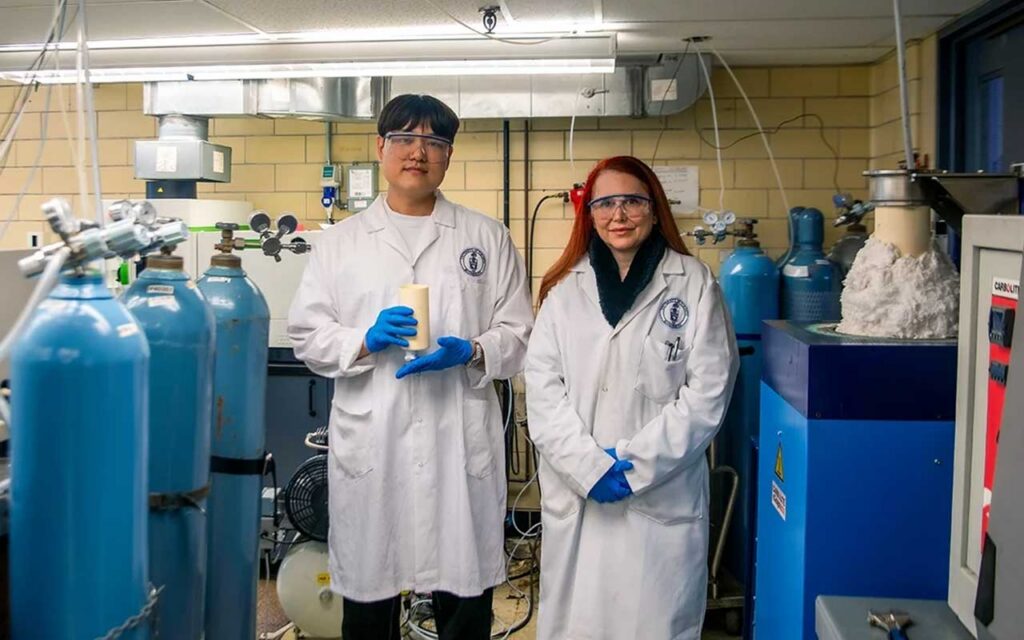
“Our study is the first reported instance of electrochemically removing copper from steel and reducing impurities to below alloy level” Researchers at the University of Toronto’s Faculty of Applied Science & Engineering have designed a novel way to recycle steel that could help decarbonize several manufacturing industries and usher in a circular steel economy. The…
Para aliviar el estrés, mira los árboles

For stress relief, look at the trees

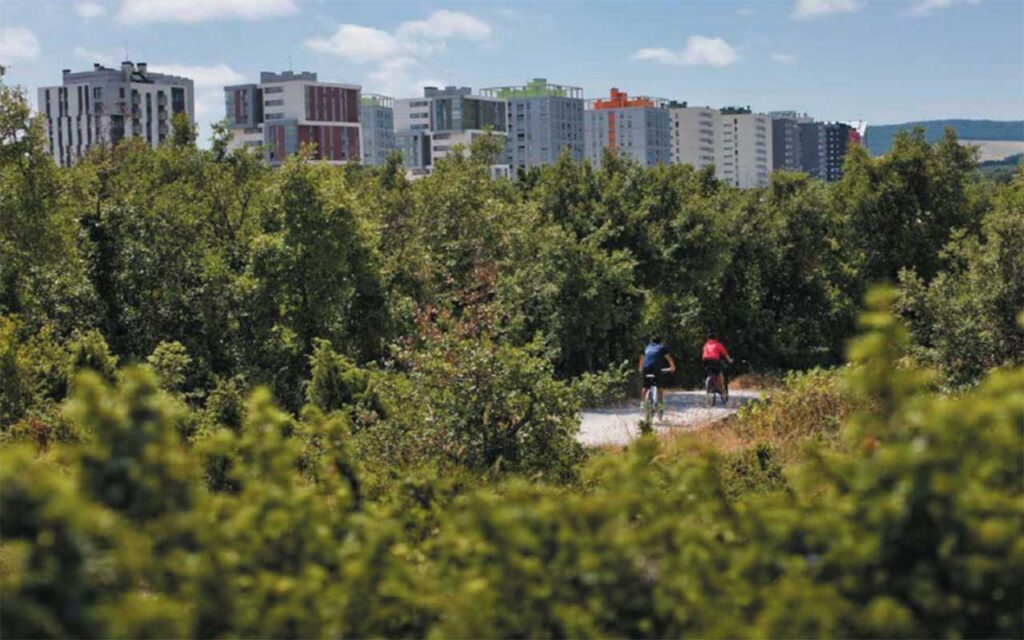
New research shows that introducing more natural features in urban landscapes can help improve city dwellers’ well-being It is no secret that the urban lifestyle affects mental health, and that nature could help ease mental health burdens. But how exactly can we make this happen? According to a new study conducted as part of the…
Clusters: Making Europe Greener, More Resilient, and Competitive

Clusters: Making Europe Greener, More Resilient, and Competitive

Europe is on a bold mission to achieve climate neutrality by 2050, anchoring its commitment to the EU Climate Law. But how can this journey be accelerated, aligning green, digital, and resilient transitions? Industrial clusters hold the key to Europe's sustainable future. These vibrant ecosystems are catalysts for collaboration, innovation, and competitiveness, propelling the continent…
How to increase the rate of plastics recycling

How to increase the rate of plastics recycling

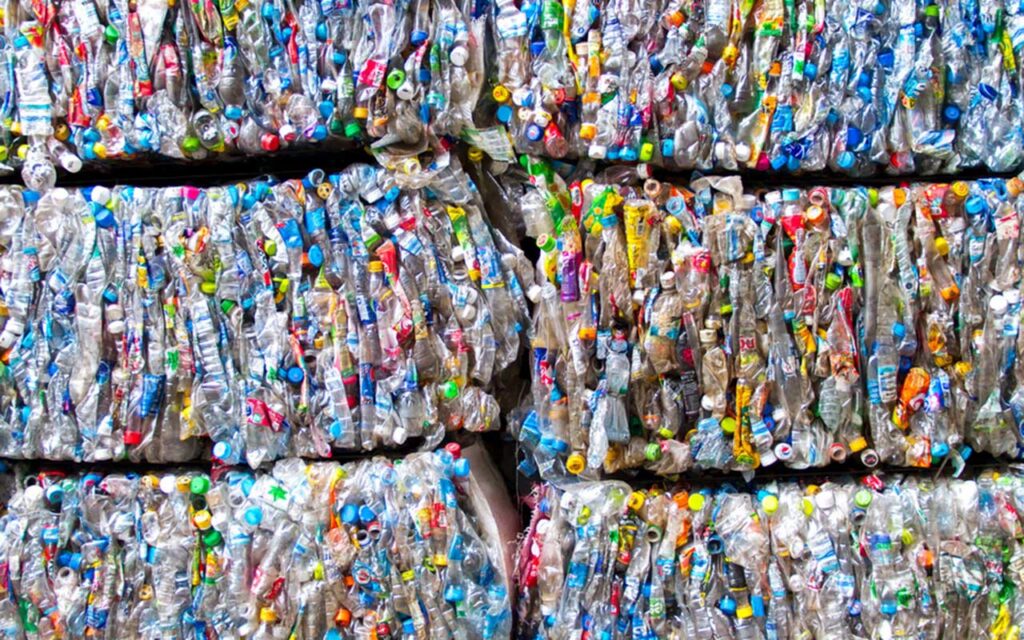
A national bottle deposit fee could make a dramatic difference in reducing plastic waste, MIT researchers report While recycling systems and bottle deposits have become increasingly widespread in the U.S., actual rates of recycling are “abysmal,” according to a team of MIT researchers who studied the rates for recycling of PET, the plastic commonly used…