


See the untapped potential of smart cities with digital signage displays, unlocking a new era of communication and connectivity. From interactive information hubs to dynamic advertising, witness the revolution unfold before your eyes.
Few things symbolize a smart city more than a digital signage display. You know the type—brightly lit but energy-efficient monitors that are managed remotely. These displays show much more than static billboards and lightboxes can. They also utilize earth-friendly practices that prove advertising doesn’t have to be wasteful.
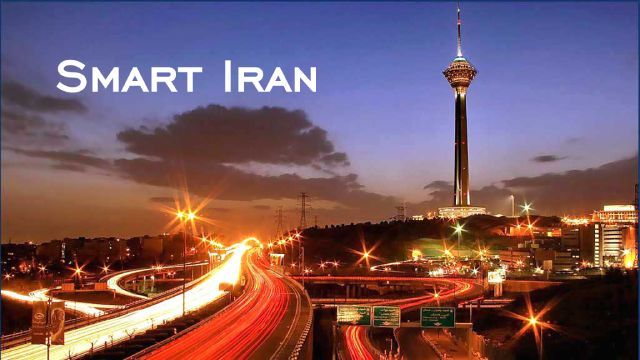
Smart cities aren’t just monuments of technological triumphs. They’re self-sustaining communities that use digital technology to provide basic services to their residents. Smart cities are digital natives and information-heavy, and they thrive on environmental initiatives. As such, they utilize transportation systems that run on renewable energy and offer government services that encourage online transactions.
It’s only natural that when allowing outdoor advertisements, local governments want environmentally friendly and efficient digital signage displays.
How Digital Signage Displays Contribute to Lower Carbon Footprint
Modern digital signage displays typically use LED technology for their screens. LEDs, or light-emitting diodes, are some of the most energy-efficient lighting systems in the world today.
For digital devices, using LED displays provide numerous benefits. From brighter and more vivid displays to less energy consumption, LED-powered digital signage displays get the job done better than any other light source.
Compared to previous technologies such as cathode-ray tubes (CRT) or liquid crystal displays (LCD), LEDs require a lot less energy to work. This is mainly because LEDs don’t form heat while creating light. In addition, LEDs consume about 40% less energy than their LCD predecessors.
Smart cities concerned with their carbon footprint can heave a sigh of relief. LED digital signage display devices are a viable communication option that offers a reduced impact on the environment.
Driving Corporate Sustainability: Fulfilling Goals Through Digital Signage Deployment
By adopting eco-friendly and sustainable technological trends, many companies contribute positively to global initiatives promoting earth-saving measures. For instance, using LED displays in corporate events doesn’t just lower a company’s electric bills. It also helps them save on frequent replacements of display devices or the costs of hanging up and removing printed media.
More importantly, showing messages via digital displays avoids the use of tarpaulin-based advertising that consumes tarps, printer ink, and electricity. With this method of signage, companies or their agency reps spend time, money, and resources printing campaign materials and transporting these items to designated display areas.
In contrast, digital signage displays only require the image or video file to be uploaded to the display unit’s storage drive. In many cases, this can be done remotely. Even if digital signage displays consume energy, responsible companies can choose to use renewable energy only.
Thanks to digital displays, there’s no need to pepper cities and streets with repetitive posters and banners. A single, billboard-sized digital signage display can command a view of several blocks. Plus, installing these large displays on elevated posts along a major highway increases the visibility several times.
Empowering Efficient Communication and Engagement in Smart Cities
Smart cities will always aim for efficiency when tasked with accomplishing a goal. For instance, local leaders want to deliver messages in a way that’s effective and covers the most ground. Similarly, when the government wants a more environmentally proactive citizenry, the medium should support the message.
Distributing leaflets, putting up posters, or sending individual messages are far more wasteful. Instead, leaders can simply broadcast messages in full view of the public via digital signage display devices.
Strategically placed displays can deliver messages at the optimum time and location. For example, a large LED display signage can time the showing of important announcements at public transport terminals during rush hour. In public places, it’s very difficult for people to ignore a brightly lit digital signage display.
Enabling Dynamic and Contextual Information Delivery for Sustainable Urban Living
Smart cities are the way for communities to move forward. They promote the idea that modern, digital living doesn’t need to be wasteful or inefficient. As long as local leaders engage in long-term, sustainable planning, smart cities will thrive.
Among the initiatives these communities should pursue is the use of cost-efficient but highly effective mediums to get the message across. Whether it’s a community-driven campaign to prevent wastefulness or companies promoting their own brands, digital signage display devices get the job done.
Compared to printed media or older technology displays, modern digital signage consumes fewer resources. Whether you’re playing a single advertisement repeatedly or rotating different videos, digital devices can do both efficiently. Should campaigns need to cover more ground faster, digital signage displays mounted on wheels can make repeated broadcasts.
Finally, the remote capabilities of Android TV-powered digital signage displays mean operators can take the controls no matter where the device is located.
Android TV Digital Signage Displays Lead the Way
Managing, maintaining, and securing digital signage displays are easier thanks to modern remote technology. Running under the Android TV operating system allows operators to administer all fleet display devices remotely. This includes wirelessly connecting to each device to perform software updates, install applications, or perform fixes. In addition, admins can lock devices into certain features such as kiosk mode or energy-saving mode.
Operating the display program is easy as well. Turning displays on and off, uploading source files, and changing display sequences can all happen remotely. Strict access controls and assigned user levels minimize the possibility of unauthorized users taking control of devices.
When faced with security breaches, such as someone trying to copy files or capture the device itself, admins can execute security measures to prevent data or device theft. Specifically, they can lock, freeze, or disable controls for all devices remotely. In case of attempts to copy data, admins can remotely wipe the internal drive of all files, user profiles, and documents.
Once campaigns are over, admins can hand over the administration of digital signage displays to stakeholders to collect data and gather insights. Depending on access levels, stakeholders such as C-suite executives, marketing staff, or sales managers can collect user data and use analytics to draw insights. This allows them to learn from previous campaigns and apply lessons to future programs.
Author

Nadav Avni, CMO of Radix Technologies