Picture of Redacción de The Smart City Journal

Redacción de The Smart City Journal

The Smart City Journal editorial team.
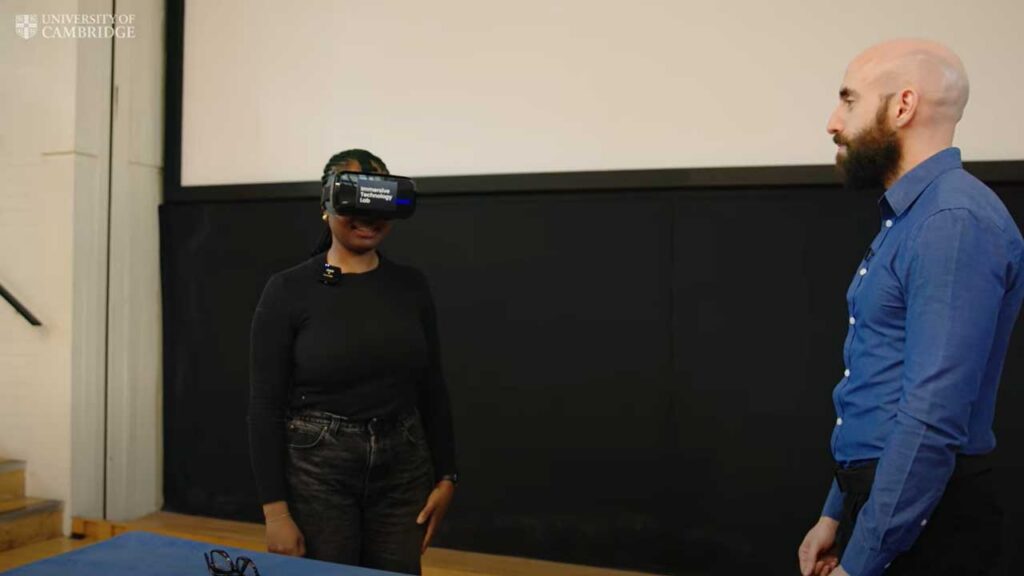
AI-powered VR platform helps users overcome public speaking anxiety and build confidence with photorealistic training environments

Free tech eliminates the fear of public speaking

Cambridge scientist launches free AI-enabled virtual reality platform that transforms users into skilled and confident public speakers Presenting in front of an audience is an important and unavoidable part of education and career progression, yet it’s also among the most feared activities, with surveys reporting as high as 80% of students finding this a source…
AI transforming healthcare: medical experts discuss benefits, bias, and innovation in clinical settings and research labs

Machine healing

Artificial intelligence is up to the challenge of reducing human suffering, experts say. Are we? When Adam Rodman was a second-year medical student in the 2000s, he visited the library for a patient whose illness had left doctors stumped. Rodman searched the catalog, copied research papers, and shared them with the team. “It made a…
Microalgae for the megacity

Microalgae for the megacity

Technical University of Munich (TUM) research and teaching is contributing to a sustainable future for the city state of Singapore. A visit on site Two centimeters of research data: the tiny green plants sprouting behind glass are soybeans. They are growing in climate chambers on the ground floor of the CREATE Tower on the campus…
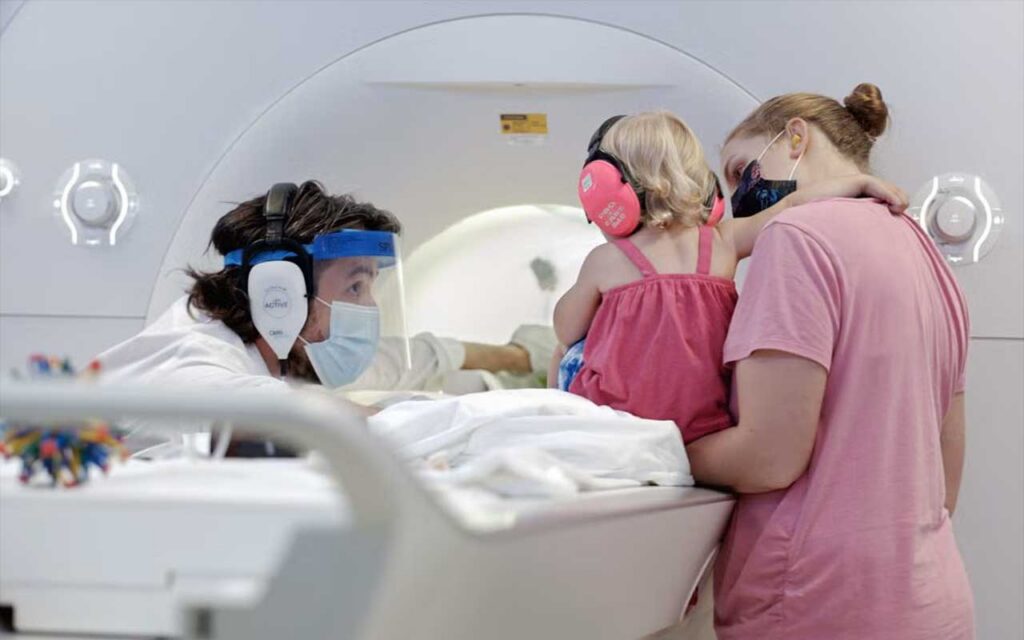
Nick Turk-Browne prepares infant participant for memory encoding MRI study at Yale

Why don’t we remember being a baby? New study provides clues

Infants can encode specific memories, a new Yale study shows, suggesting “infantile amnesia” might be a memory retrieval problem Though we learn so much during our first years of life, we can’t, as adults, remember specific events from that time. Researchers have long believed we don’t hold onto these experiences because the part of the…
Stanford faculty and researchers collaborating on food sustainability and innovation

Stanford researchers reimagine the future of food

Dozens of faculty members at Stanford are working to transform the way the world grows, distributes, and consumes food, with research and scholarship spanning topics including sustainable food systems, food security, health equity, culture, and diet. A bite of food is about more than calories. Food production involves energy, water, and other resources and is…
Proyecto tExtended para la circularidad y reciclaje textil en Europa

Developing a master plan for textile circularity

tExtended enters phase two in the development of a blueprint for optimised recovery, reuse, and recycling of discarded textiles. The EU-funded tExtended project is launching the second phase of its plan to optimise textile flows and ensure materials retain their value in a safe and sustainable way. Its innovations are helping to meet the need…
e-Taste device simulating virtual flavours

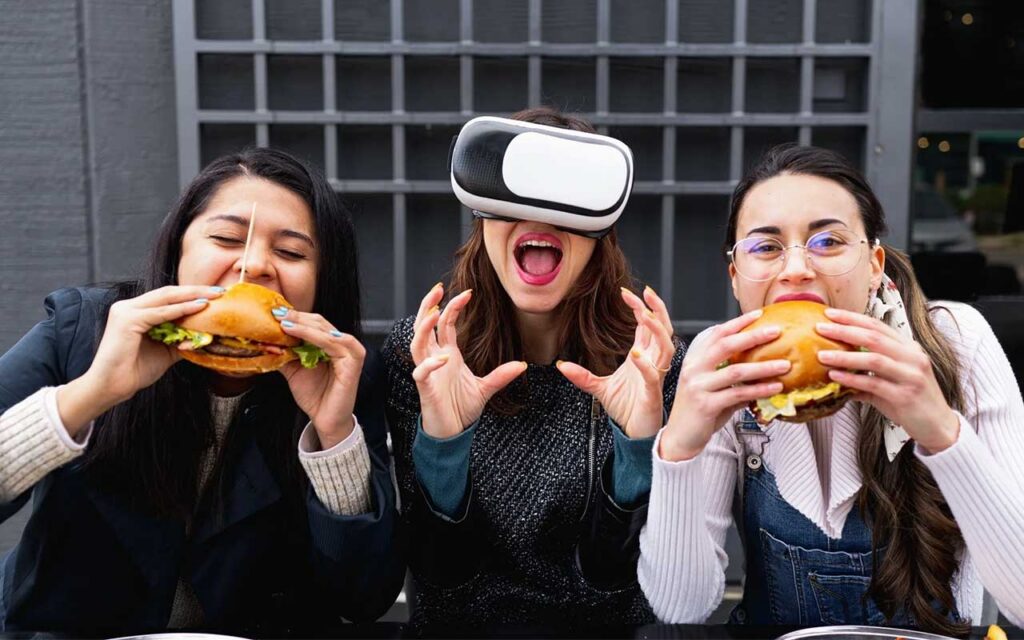
e-Taste: Fancy some virtual food?

Pioneering device lets users remotely experience flavours From an ocean’s depth to a distant planet’s surface, we can immerse ourselves in many different experiences with virtual reality (VR) and augmented reality (AR). But taste? Scientists at The Ohio State University (OSU) in the United States invented a device called e-Taste that lets you taste things…
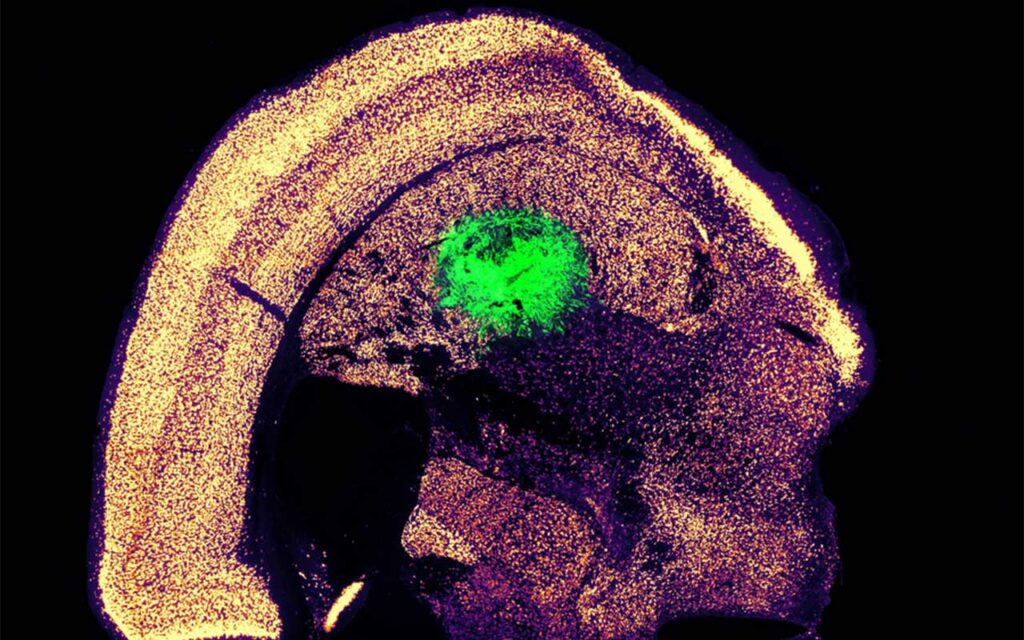
MIT's neuron conversion process enhances spinal cord and ALS treatments

MIT engineers turn skin cells directly into neurons for cell therapy

A new, highly efficient process for performing this conversion could make it easier to develop therapies for spinal cord injuries or diseases like ALS Converting one type of cell to another — for example, a skin cell to a neuron — can be done through a process that requires the skin cell to be induced…
UC Berkeley professor discusses AI and language learning in a 101-second video

With AI and linguistics, this professor is decoding how animals and humans communicate

Watch a UC Berkeley linguistics professor explain his work in just 101 seconds. When Gašper Beguš began studying linguistics, he spent his time deciphering ancient, largely dead languages. “Nobody cared about linguistics,” he says in this episode of 101 in 101, a series from UC Berkeley that challenges professors and other experts to distill the…
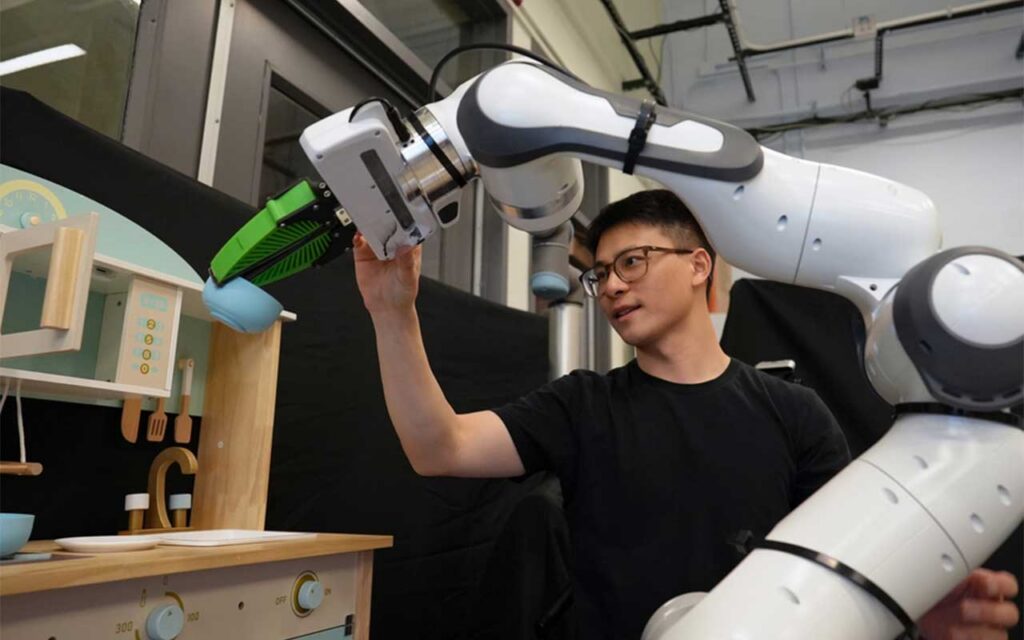
A robot assisting a person in picking up a bowl.

Robotic helper making mistakes? Just nudge it in the right direction

New research could allow a person to correct a robot’s actions in real-time, using the kind of feedback they’d give another human. Imagine that a robot is helping you clean the dishes. You ask it to grab a soapy bowl out of the sink, but its gripper slightly misses the mark. Using a new framework…

Latest News