Agro Smart

Innovation and sustainability in agriculture. Explore practical and digital solutions transforming farming into a more efficient and responsible future.

Researchers tap the power of microbial fuel cells to generate a continuous, clean and maintenance-free power supply for precision agriculture

Farms of the future will have to source more sustainable energy supplies for distributed low-power applications, such as precision irrigation and environmental monitoring.

“Current solutions typically rely on conventional batteries or external power sources. These have limited lifetimes, are high maintenance and come with negative environmental impacts. Meanwhile, renewable alternatives, such as solar or wind, remain intermittent, unstable or costly,” explains Naroa Uria, coordinator of the SOIL2POWER(opens in new window) [DB1.1]project which was funded by the European Innovation Council(opens in new window).

Driven by the needs of small and medium-sized farms for accessible, reliable and low-maintenance energy, SOIL2POWER tapped into the metabolic activity of soil microbes to generate electricity.

“Our demonstration of optimised soil-based bioenergy systems operating in real agricultural settings, offers a pathway to scalable nature-based energy solutions,” says Uria, from Agròpolis – Polytechnic University of Catalonia(opens in new window), an experimental agricultural site used for field validation.

Leveraging bioelectrochemical systems

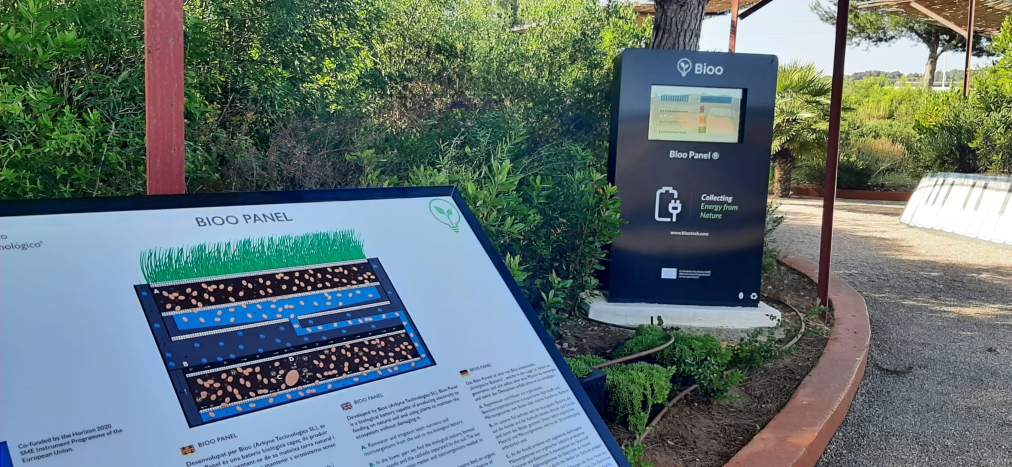
SOIL2POWER created electricity-generating microbial fuel cells by exploiting the natural metabolic activity of soil microorganisms.

Microorganisms consume organic matter, releasing electrons as part of their metabolism. These electrons are transferred to an anode(opens in new window), then flow through an external circuit reaching a cathode(opens in new window), where they react with oxygen and protons, forming water and completing the electrical circuit.

A key project innovation was the creation of electrogenic bacterial coatings on the surface of the anode electrodes, based on the immobilisation of selected electrogenic bacteria. These facilitate, and stabilise, the transfer of electrons from the microorganisms to the anode.

“Controlling the formation and structure of these biofilms improves the efficiency and reproducibility of the microbial fuel cell, overcoming the variability associated with naturally formed biofilms,” adds Uria.

Meanwhile, work on substrate characterisation provided insights into the factors affecting biobattery performance. “Analysing the microbial communities and physicochemical composition of different substrates helped identify the parameters influencing performance, and facilitated substrate selection for microbial fuel cells,” notes Uria.

To overcome the low and variable energy production of microbial fuel cells, system components were optimised individually – using ultra-low-power designs, before optimising the system’s overall architecture.

“This approach revealed each element’s contribution to power enhancement, and the difference integrating the full system makes to reliable operations,” adds Uria.

Integrating the components resulted in BIOOCELL, a functional prototype for precision agriculture applications, which underwent both laboratory and on-site validation.

On-site trials at Agròpolis generated data on system behaviour under a realistic agricultural scenario, essential to understanding the influence of external variables such as temperature and moisture.

“Overcoming the inherent challenges of working at the cutting edge of microbiology and engineering, we successfully demonstrated the system’s capability to generate and manage energy directly from the soil, supporting low-power applications like irrigation control,” remarks Uria.

Deploying digital technologies in rural and remote areas

SOIL2POWER’s biological battery supports the transition to more efficient water use and smarter agricultural practices, central to EU strategies related to climate adaptation(opens in new window), sustainable land management and food systems(opens in new window), as well as the circular economy.

While BIOOCELL’s most immediate application is likely to be powering irrigation valves for precision agriculture, it will also be of interest for other low-energy devices, such as environmental monitoring systems.

“Making reliable, in situ energy-generating devices available to small and medium-sized farms increases their access to agricultural innovations, for more resilient food production with less environmental impact,” says Uria.

Focused on real-world deployment, the team is currently developing commercialisation plans which include direct market entry and strategic partnerships to scale production and distribution.

Image: https://ibizabotanicobiotecnologico.com/baterias-biologicas/
New circular systems in Sweden, Germany and Spain are converting urban waste streams into fertiliser and reclaimed irrigation water for local agriculture

Vast amounts of nutrient-rich wastewater disappear daily into urban sewers, while farms relying on conventional fertilisers struggle to maintain yields and cope with water scarcity. What cities have in excess agriculture often lacks. Bridging this gap is emerging as a practical route to cleaner water, stronger food systems and a more circular European economy.

Turning local problems into circular opportunities

The EU-funded P2GreeN(opens in new window) project is showing how cities and rural areas can reconnect resource flows by transforming wastewater, urine and faeces into safe agricultural inputs.

“For too long, nutrients from human excreta have been treated as waste in cities and were not recognised as a valuable resource for agriculture. Our aim was to reconnect these two systems through safe, circular resource flows,” explains project coordinator Isabell Szallies.

Pilot regions in Germany, Spain and Sweden implemented nutrient recovery systems(opens in new window) tailored to specific local environmental pressures. On the Swedish island of Gotland, seasonal tourism places heavy pressure on wastewater systems, contributing to nitrogen and phosphorus releases into the Baltic Sea. These nutrients fuel algal blooms and oxygen-poor waters that damage marine ecosystems. By recovering nutrients before they enter conventional wastewater systems, local authorities could reduce nutrient leakage.

In the North German Plain, nutrient losses from agriculture and wastewater affect groundwater, rivers and coastal zones. In Spain’s Axarquía region, water scarcity creates competition between agriculture, residents and tourism, making efficient water reuse increasingly important.

Rather than treating these as separate issues, P2GreeN approached them as one connected challenge. This challenge focused on how to reduce pollution while recovering valuable resources.

Putting circular approaches into practice

Across the pilot regions two main circular approaches were implemented in real operating conditions. The first captures nutrients before they enter conventional sewage systems. The second reclaims water and nutrients from treated wastewater for agriculture.

In Sweden, urine was collected at festivals and event sites, then stabilised and processed into dry fertiliser which was used in agriculture. In Germany, dry separation toilets installed at festivals and public spaces collected urine and faeces separately. Urine was converted into concentrated liquid fertiliser, while faecal matter was composted into soil improvers. Both these examples demonstrated how public events can become local nutrient collection points instead of sources of wastewater pollution.

In southern Spain, wastewater received additional filtration and disinfection before reuse. A smart fertigation tool then adjusted nutrient content to crop needs, allowing reclaimed water to irrigate mango and avocado orchards while also supplying fertiliser.

Collectively, these practices reduced the amount of nitrogen and phosphorus entering wastewater treatment plants and lowered nutrient leakage into rivers and coastal waters. The recovered nutrients also reduced dependence on synthetic fertilisers and pressure on scarce freshwater resources while maintaining agricultural productivity.

Beyond environmental gains, the pilots demonstrated new local value chains linking urban waste streams with nearby farms. This creates opportunities for circular business models and regional innovation.

Replicating local success stories

Many European territories face similar pressures from water scarcity, nutrient pollution or fertiliser dependency. P2GreeN’s methodologies are designed for replication, and the consortium has already started to explore how its models could be adapted elsewhere(opens in new window).

The pilots showed that nutrients recovered from cities can already be reused safely in nearby agriculture, reducing pollution, saving water and creating new regional value chains. Nonetheless, the concept requires regulatory frameworks(opens in new window) and social acceptance(opens in new window).

According to Dr. Stefan Karlowksy from the Leibniz Institute of Vegetable and Ornamental Crops (IGZ): “Our pilots showed that circular nutrient systems can work in very different local settings, from festivals in Sweden to drought-affected farms in Spain. But long-term adoption depends on cooperation between municipalities, farmers and citizens.”

© Jenna Senecal-Smith, Santiation360; Enno Schröder, Goldeimer

An EU-funded project encourages domestic waste circularity by advancing recycling methods and exploring new starting materials for chemical transformation

Cooking oil is one of the most used products globally, with households and the restaurant industry depending on it for the preparation of food. In Europe alone, it is estimated that just one person goes through approximately 8 litres of cooking oil per year(opens in new window), which then becomes waste, and, consequently, a significant source of pollution.

One solution to the environmental concerns raised by discarded cooking oil is its recycling; however, existing technology (except for biodiesel production) has not been able to fully support progress in this area until now. The EU-funded WORLD(opens in new window) project aimed at developing a reliable system for the valorisation of waste cooking oil (WCO) that would surpass existing limitations, opening the door to sustainable by-products.

“When WORLD started, we saw that most WCO recycling was based on simple decantation and filtration. This can remove only part of the impurities, but it is not enough for real high-quality reuse of the oil in new products such as bio-lubricants,” says project coordinator Andrea Mele. “The sector had recycling, but not yet a well-designed, zero-waste, industrially robust system,” he stresses.

A clean and green process

In order for WCO to be repurposed, it first needs to be purified. For this, Alberto Mannu of the WORLD team introduced a two-step method using simple, natural means. First, WCO is washed with water under controlled temperature and pH conditions. Then, if necessary, it is treated with bentonite, a natural, abundant and highly absorbent clay of volcanic origin. This cleaning process provides a regenerated oil that is suitable as a raw material for bio-lubricants as well as for the fabrication of other useful products.

Wastewater from the process is managed, recovered and used in a new recycling cycle. Also, solid residues are collected to be assessed for reuse or valorisation.

From spin-off ideas to new applications

While WORLD initially focused on turning WCO into bio-lubricants, project work soon led to other promising applications. One was to use WCO as a material to capture volatile organic compounds (VOCs) from polluted air. These carbon-based chemicals are responsible for a plethora of adverse effects on human health and the environment(opens in new window); therefore, removing them from air or water is of paramount importance.

Another application involved the chemical conversion of WCO to glycerol and a mixture of free fatty acids such as oleic acid through acid hydrolysis and further basification: both these plant-derived by-products were tested as components of so-called deep eutectic solvents (DESs), a class of compounds that are less toxic and also cheaper than traditional solvents. DES use in chemical processes is fully consistent with the green chemistry principle of using reactants and solvents from renewable rather than fossil sources.

“Some of these ideas are already at practical proof-of-concept level, especially VOC capture; others are still at an earlier stage, but they show strong future potential,” Mannu and Mele say.

From public awareness to policy action

A significant part of the project work involved understanding the market, delivering training initiatives and encouraging public engagement.

On a broader level, WORLD outcomes can support better EU-level decisions on WCO collection and treatment based on real technical evidence of its circularity potential. The results can also find application outside Europe, especially in areas producing large amounts of WCO.

“The long-term vision is to make this technology replicable: suitable for different regions, different scales and different industrial contexts,” Mele concludes.

A cutting-edge manufacturing platform is turning agricultural waste into sustainable farming solutions

European farmers face mounting pressure to produce more with fewer resources. Skyrocketing costs and regulations target synthetic fertilisers that rely heavily on fossil fuels and energy-intensive production processes.

Meanwhile, Europe produces huge amounts of underused agricultural and organic waste that represent an untapped resource for the circular bioeconomy.

Building more sustainable agriculture from residues

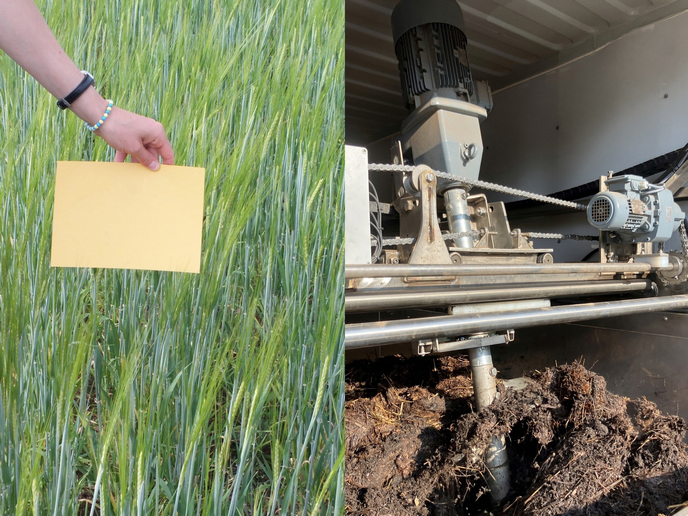
To tackle this issue, the N-Spire(opens in new window) project, which was funded by the European Innovation Council(opens in new window), developed an innovative and scalable manufacturing platform. It uses heat and beneficial microorganisms to convert agricultural waste into natural products that improve plant growth and health. The tech solution offers farmers more sustainable alternatives to conventional chemical inputs.

“The project addressed a key challenge facing European agriculture: how to reduce dependency on synthetic fertilisers while maintaining crop productivity and resilience,” explains Branwen Miles, project manager at Zymofix, the Belgium-based biotech research company that coordinated the project.

N-Spire demonstrated how agricultural side streams – the useful leftovers from farming and food production – can be converted into valuable bio-based products that support a more circular and regenerative agricultural system.

The science behind cleaner, smarter crop production

The researchers successfully demonstrated the integrated pilot-scale manufacturing process, combining thermal pre-treatment and solid-state fermentation into one coupled production platform. This was a critical step in proving that agricultural residues can be reliably converted into high-quality microbial products under real-life conditions.

One of the researchers’ biggest challenges was keeping the entire production process clean and free from contamination. By developing a fully connected system with advanced cleaning methods, carefully controlled transfer conditions and optimised fermentation strategies, they succeeded in producing high-quality microbial products suitable for industrial use.

This marked a major step towards large-scale production, moving the technology closer to practical commercial use while reducing the challenges associated with future manufacturing. “The milestone demonstrated that the technology is not only scientifically feasible, but also scalable and industrially relevant,” says Miles.

The researchers also successfully optimised the microbial growth process, producing highly pure and stable microbial products at pilot scale at commercially relevant titres. In addition, they introduced different formulation strategies for use in agriculture, including granules, liquid formulations and seed coating concepts. This showed that the platform can be adapted for a wide range of crops and farming practices.

Greenhouse and field tests delivered encouraging results, showing better seed germination and the potential for higher crop yields, even with lower fertiliser use.

From start-up to scale-up

N-Spire enabled Zymofix to begin its scale-up initiative and mature from an early-stage start-up to a rapidly growing company with pilot infrastructure, an intellectual property portfolio, strategic partnerships and a clear commercial roadmap. During the project, the company expanded from 4 employees to 22, and secured a EUR 2 million seed investment round to support scale-up and commercial development.

“The added value of N-Spire lies in its innovative approach to microorganism cultivation, transforming agricultural residues into high-value microbial products through a manufacturing platform,” concludes Miles. “By combining continuous pre-thermal treatment and solid-state fermentation, the project demonstrated a more circular, lower-cost and potentially lower-carbon alternative to conventional fertiliser and microbial production systems.”

Image: © Zymofix

A new production process shows that it is possible to sustainably produce bio-based alternatives to animal protein at scale

Occupying nearly 80 % of the world’s agricultural land, the production of livestock and animal feed is a leading cause of greenhouse gas emissions, deforestation and biodiversity loss.

As the world population grows, so too will demand for animal protein.

“That’s a problem considering that current levels of production and consumption cannot be sustained without severe consequences for the planet,” explains Craig Johnston, co-founder of ENOUGH.

Helping to answer this challenge are novel proteins such as ABUNDA(opens in new window), a sustainable, nutrient-dense protein derived from fungus being developed by ENOUGH.

However, before such alternative proteins can reach your kitchen table, they need to be produced at scale – and that requires building an entirely new bio-based value chain.

Enter the PLENITUDE(opens in new window) project, which received funding from the Circular Bio-based Europe Joint Undertaking(opens in new window), a public-private partnership.

New facility to increase availability of sustainable food protein

Bringing together partners from across the entire supply chain, from SMEs to large industrial players, the EU-funded project built a first-of-its-kind facility to sustainably produce ABUNDA protein at scale. The facility is based in the south of the Netherlands and is co-located with project partner Cargill.

The innovative facility integrates a mycoprotein fermentation plant with a conventional first-generation biorefinery, and uses a circular, minimal-waste production process.

“It’s one thing to develop ideas in a lab, but it’s another to scale up in a real industrial setting,” says Johnston, who coordinated the project. “Seeing something move from concept to an operational, large-scale reality is a huge step forward for the sector.”

With a potential output capacity of 10 000 tonnes per year, this flagship facility will increase the availability of sustainable, high-quality food protein.

The technology can be implemented anywhere there is demand for more sustainable protein and bio-based products.

A viable, bio-based alternative to animal protein

With the world facing major challenges around food security, climate change and resource availability, projects such as PLENITUDE are particularly timely.

“Not only did we demonstrate that there are viable, bio-based alternatives to animal protein, we showed that these alternatives can be produced sustainably, at scale, and using existing industrial systems,” concludes Johnston.

The project team is now working to further optimise its facility and secure the funding needed to move it towards wider commercial deployment.

The EU-funded ECONUTRI project’s nutrient management technologies are helping to reduce fertiliser dependency, eliminate pollution of aquifers and pave the way for more resilient agricultural systems

One of agriculture’s most pressing environmental challenges is nutrient pollution. Excess nitrogen and phosphorus from manure, slurry and synthetic fertilisers are over-fertilising soils and contaminating water and air, contributing to biodiversity loss, eutrophication and climate change. The ECONUTRI(opens in new window) project is tackling this problem with 24 technologies and nature-based solutions that minimise or even eliminate nitrogen and phosphorus losses from soil. The outcomes align with the European Green Deal’s goal to cut nutrient losses by 50 % by 2030.

Halting nutrient losses

Since its launch in 2022, the project has successfully developed and validated 10 different technologies designed to reduce nitrogen and phosphorus losses from organic biowastes. “A key achievement is the systematic coverage of all critical stages of nutrient loss along the agricultural production and biowaste management chain, including manure and slurry storage, anaerobic digestion, digestate separation, composting processes and soil application,” comments Dimitrios Savvas, professor at the Agricultural University of Athens (AUA) that is coordinating the project. “Through this integrated approach, we show that nutrient emissions can be significantly reduced while simultaneously recovering, stabilising and valorising nutrients from biomass waste by converting them into agronomically valuable products.”

With respect to management of biomass occurring from barns, key results include acidifying animal slurry with sulfur to reduce ammonia emissions, with reductions between 30 and 35 % recorded during storage and composting, while also enhancing nitrogen retention. High nutrient recovery efficiencies were also achieved, particularly for phosphorus and ammonium, through struvite precipitation from the liquid fraction of biodigestate, with recovery rates of up to 92 % for phosphate and 66 % for ammonium. Other achievements include improved nutrient stabilisation during composting with selected beneficial microbial inocula and the correction of unbalanced nitrogen/phosphorus ratios in biowaste-derived fertilisers – a critical issue in regions with high livestock density.

To mitigate nitrate and phosphorus losses from fertiliser, ECONUTRI developed nine novel technologies. These include the NUTRISENSE decision support system (DSS) developed by the AUA team, the Veg-Sys DSS developed by the University of Almería, and the Virtual Lysimeter developed by Wageningen University & Research. The three DSSs deployed by ECONUTRI are aimed at supporting growers in applying economically viable and environment-friendly fertilisation practices in soil-grown and soilless horticultural crops through data and sensor-driven nutrient management. By dynamically adjusting fertiliser inputs to crop demand, in pilot tests the three DSSs contributed to substantial reductions in water, nitrogen and phosphorus use, which, indicatively, in soil-grown cucumber crops managed with the NUTRISENSE DSS reached 45 and 54 %, respectively. Furthermore, the same DSS improved the nitrogen and phosphorus use by 16 to 21 % and 5 to 46 % in soilless cucumber crops that took place during two consecutive years. Overall, the technologies demonstrated significant reductions in irrigation and fertiliser use and increases in water and nutrient use efficiency.

Reducing emissions

Eight ECONUTRI tools and technologies focused on mitigating greenhouse gas and ammonia emissions in barns, manure storage systems and fields. In dairy barns, biochar and frequent floor cleaning lowered ammonia emissions, while frequent manure removal from the pit in pig barns was found to cut methane emissions. In manure storage and composting, biochar treatment, and especially nanobiochar, showed significant potential for reducing nitrogen losses. Fertiliser alternatives and additives were also tested in arable fields, variable cropping systems and greenhouses, leading to measurable reductions in ammonia and nitrous oxide emissions ranging from 20 to 60 %.

ECONUTRI (Innovative concepts and technologies for ECOlogically sustainable NUTRIent management in agriculture aiming to prevent, mitigate and eliminate pollution in soils, water and air) is now focusing on integrating the tools into a cohesive nutrient management system and upscaling the technologies for commercial deployment. “A next step is to make the tools fully available and accessible to growers,” states Savvas. Through these efforts, the project will help reduce dependence on mineral fertilisers and make agricultural systems more resilient to volatile markets.

Image: © ECONUTRI Project / Agricultural Research Institute

Improved connectivity is transforming daily life in rural Europe, from safer school runs to cleaner energy, while supporting local economies and cutting emissions

Getting children ready and on time for school can be stressful. In Finnish Lapland, where winters are long and snowy and some students travel long distances by bus, the challenge is even greater.

In two Lapland communities, a school transport app developed through an EU-funded initiative called AURORAL has streamlined school bus pick-ups, reducing morning stress for parents and making life easier for bus drivers.

Behind the app lies a digital backbone developed by the AURORAL team. This shared foundation allows all kinds of rural services – from school buses to dairy farms and local energy schemes – to plug in, share data securely and work together, without each community having to build its own system.

Using the Koulukyyti app, parents in the municipalities of Kemi and Tornio can see at a glance if their children, aged 6 to 15, have arrived safely at school. Bus drivers get instant alerts if a child is absent or needs to be picked up from a different address, avoiding unnecessary trips.

The system is a clear improvement over previous methods: ticking off pupils on paper or sending early morning WhatsApp messages, said Seppo Ahola, project manager of the Lapland pilot.

“For parents, there’s an added sense of safety. For the transport operator, they know exactly when their responsibility starts and ends,” Ahola explained.

Safer school runs in Lapland

Around 90 children in Kemi and 120 in Tornio are signed up to the app, and Ahola hopes more municipalities will follow. Beyond convenience and safety, the system also benefits the environment. By reducing unnecessary journeys, it cuts energy use and emissions.

“We estimate annual savings of around 25%,” said Ahola. “But peace of mind for everyone is the biggest gain.”

The Lapland smart transport app is just one example of how improved connectivity can improve rural life. Christoph Hrdinka, an Austrian entrepreneur and AURORAL coordinator, points out that rural areas face many challenges not experienced in big cities: fewer jobs, limited infrastructure, less public transport and slower digital development.

Encouraging smart communities, which use digital tools to enhance energy, water, transport and communication services, is one way the EU hopes to improve daily life while supporting long-term goals such as the European Green Deal.

Building smart communities on shared tech

The COVID-19 pandemic, combined with a huge shift towards remote working, highlighted the need for better rural connectivity. The AURORAL team developed a technological solution to address the digital divide between rural and urban areas through the creation of smart communities.

The researchers developed middleware – software that links operating systems to user applications. They also worked with the participating communities on business plans, funding and stakeholder engagement.

“If you create smart communities with collaboration in mind, everyone can build on their strengths,” said Hrdinka. “It’s like European cooperation, but in a digital environment.”

Hrdinka, CEO of LuxActive and non-profit research centre SWISDATA, has lived in a rural area himself and understands the importance of connectivity.

“With this digital backbone, rural communities can share data with neighbours, but also with similar projects in other countries, all learning from each other.”

Dairy cows and wine for energy

The initiative brings together 25 organisations from 10 European countries, combining the expertise of tech developers, researchers and local authorities to show what smarter rural connectivity can really deliver on the ground.

The technology was tested in seven rural regions across Europe, from Finland, Norway and Sweden to Austria, Italy and Spain. It showed that one shared digital infrastructure can flex to support very different local needs, from healthcare and tourism to energy and transport.

Built to be open and interoperable, it allows services developed in one region to be adapted and reused in another, helping rural communities innovate without starting from scratch.

The possibilities go far beyond school buses. AURORAL’s platform can support a wide range of rural services. What that looks like in practice depends entirely on local needs.

In northern Italy, for example, dairy farmers are using the system to monitor the health and milk production of their cows. By sharing data securely with neighbouring farms, they can spot trends earlier, improve herd management and strengthen their businesses.

Further south in Catalonia’s Penedès region, the technology is helping to power a different kind of collaboration. Here, waste from centuries-old wineries is being transformed into biomass for renewable energy.

The digital platform helps connect winegrowers with the bioenergy sector, ensuring that the origin and processing of grape waste is well documented, so it can be turned into a reliable energy source.

“During the COVID-19 pandemic, we saw how digitalisation could help businesses adapt to new consumer habits and navigate growing administrative and regulatory requirements,” said Conrad Pagà Bordes, project manager at the Catalonia Bioenergy Cluster.

In both cases, the same digital foundation allows very different rural communities to build solutions that work for them – strengthening local economies while supporting greener ways of working.

Keeping the platform alive and growing

The four-year AURORAL project finished in March 2025, but the work carried out will continue to support rural communities, notably through the SmarTomorrow platform.

Through this online forum, participants can exchange knowledge and lessons learnt, get help with maintaining existing services or accessing public and private funding, and link up with like-minded people or technology providers to discuss future ideas.

“It’s important to have a digitalisation strategy that also favours smart rural environments and communities and can boost them in the future,” Pagà Bordes said.

From school runs in Lapland to dairy barns and vineyards further south, AURORAL shows how this digital backbone can give rural communities the tools they need to thrive on their own terms. The hope now is that more regions will plug in and adapt the technology to their needs.

Text: Helen Massy-Beresford

This article was originally published in Horizon the EU Research and Innovation Magazine.

A platform for farmers to integrate biodiversity into their practices can bring numerous ecosystem benefits and strengthen the resilience of European agriculture.

Biodiversity can improve soil health, reduce the need for external inputs and support climate adaptation. However, farmers often lack the tools and information needed to manage these complex systems effectively. PATH2DEA(opens in new window) aims to tackle this gap directly.

The EU-funded project explores how digital technologies can make agroecology more practical, helping farmers understand ecosystem dynamics, monitor biodiversity and make informed decisions in real time. As project coordinator Stefan Pfeiffer from the Austrian Institute of Technology(opens in new window) explains: “Agroecology is a truly sustainable way of farming because it works with entire ecosystems. But that also makes it far more complex, and farmers need support tools that help them understand and manage it.”

Identifying obstacles to adoption of nature-based solutions

PATH2DEA began by examining what prevents farmers from adopting digital tools for agroecology. A nine-language survey gathered 533 responses across eight countries from farmers, advisors and farmers’ organisations already working with or transitioning towards agroecological or organic systems.

The results showed a lack of accessible information, tools that are often too complex and concerns about data use and privacy. “There is not enough easily accessible knowledge about the digital tools that could support agroecology,” notes Pfeiffer. “And many are still too complicated for everyday use. Farmers need clarity, trust and tools that actually match their reality.”

Putting digital agroecology to the test

To understand how digital tools work in practice, PATH2DEA collaborated with six agroecological showcase farms across Europe, including greenhouse vegetable production and vineyard systems in Spain, vineyard systems in Catalonia, cooperative mixed farming in France, agroforestry in Belgium, smallholder olive farming in Tuscany Italy and organic grazing in Hungary. “We made sure to include very different types of farms in very different climatic regions so that we gained a complete picture,” says Pfeiffer.

The pilots produced several positive outcomes for both biodiversity and climate. In Tuscany, a biodiversity-oriented decision support tool showed farmers how changes in management affected insects and pollinators, giving them ecological feedback they could act on. In Belgium, agroforestry modelling helped farmers understand shading and water needs in walnut-based systems, supporting more informed planning of tree–crop combinations. The diversity of the showcase sites demonstrated that digital tools must be adapted to specific climatic, soil and production contexts for agroecological approaches and nature-based solutions to be genuinely useful in practice.

A foundation for nature-based farming

One of PATH2DEA’s most notable deliverables is its Open Source Repository of digital tools and technologies, combining a searchable database, an evaluation framework co-developed with farmers and practical examples from the showcases. The repository uses an AI-assisted mechanism to gather up-to-date information from technology providers and will be maintained long term by the European AGROECOLOGY Partnership(opens in new window). As Pfeiffer explains: “We realised that a simple list of tools would not be enough, so we designed a platform that could actually support farmers and would not disappear when the project ends.”

PATH2DEA is also finalising a 10-year roadmap that identifies priority areas for digital support to agroecology, including better access to technology, stronger knowledge exchange, farmer-controlled data governance and business models that make nature-based solutions in sustainable farming more viable.

Together, these outputs show how digital tools can reinforce ecological knowledge, help farmers respond to biodiversity signals and make agroecological management more practical. In doing so, they help lay the groundwork for a nature-based resilient future for European agriculture.

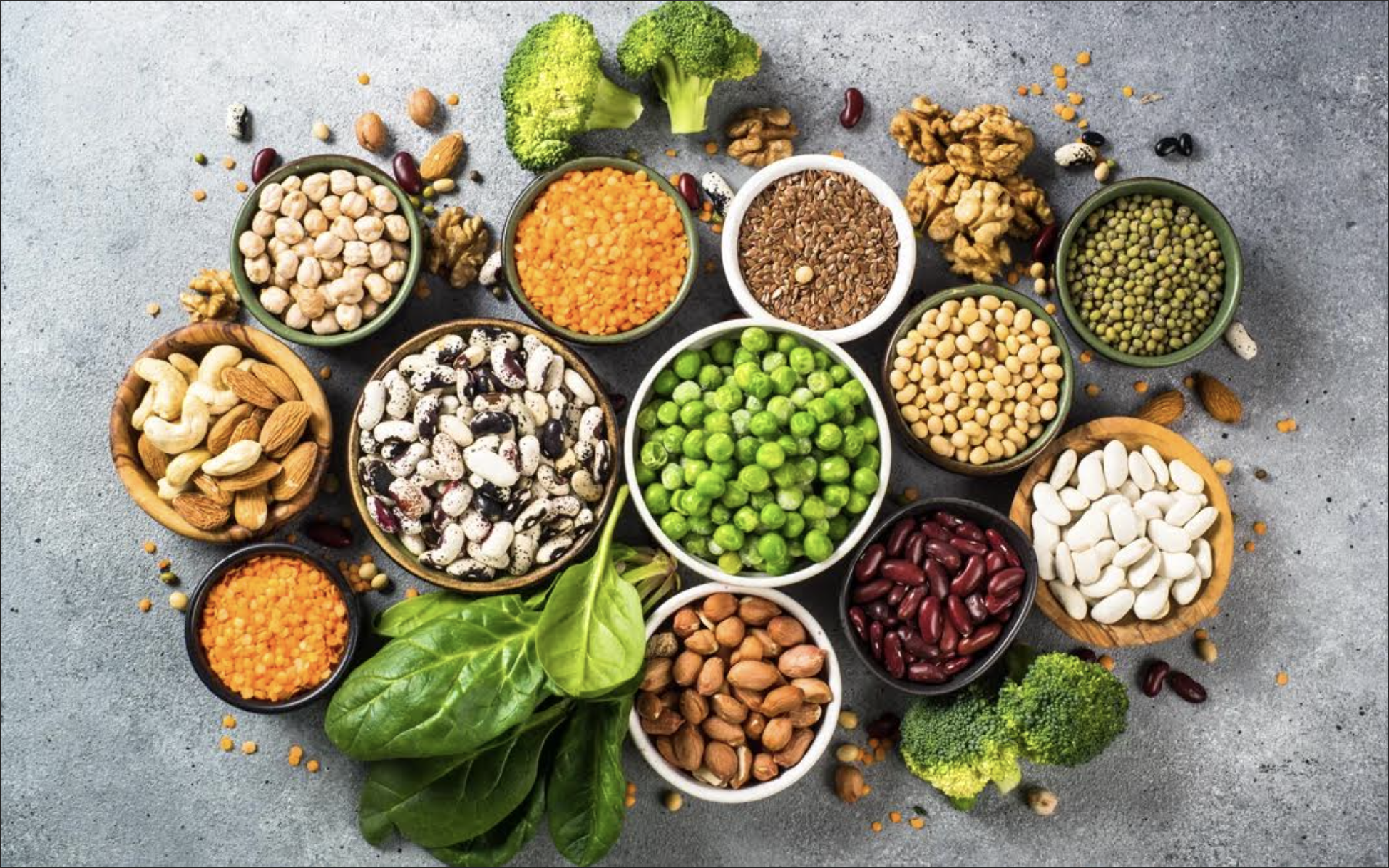
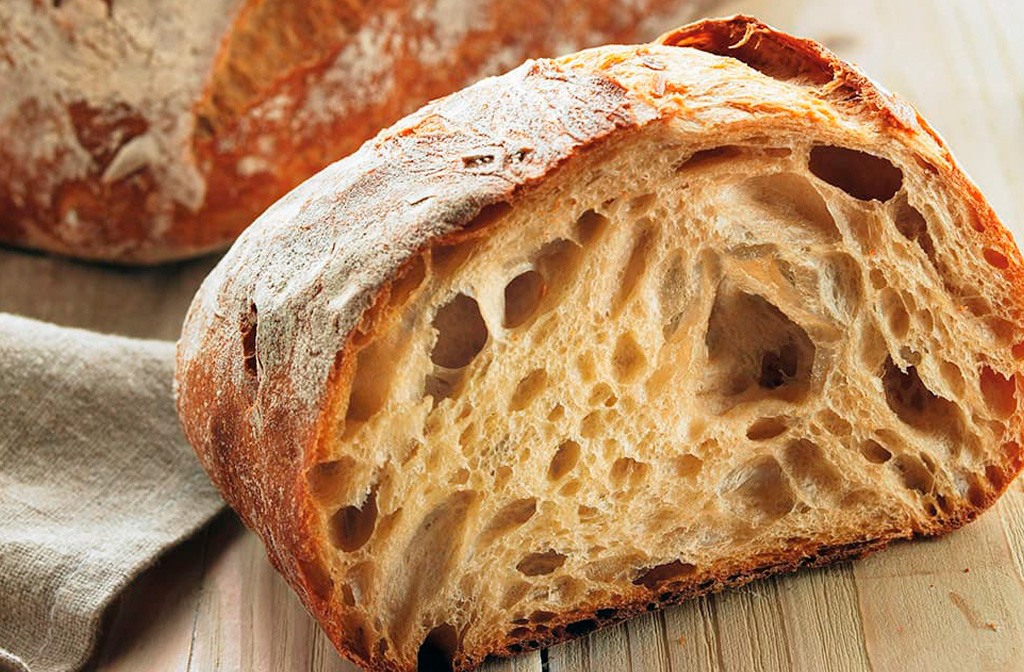
New research highlights nutritional and several other advantages of sourdough bread made with pulse flour, justifying the growing consumer trend towards plant-based fermented foods

A research team from Belgium, Italy and Finland joined forces under the EU-funded HealthFerm(opens in new window) project to demonstrate the health benefits of pulse-based sourdough bread. Their study(opens in new window) reveals how using flour made from broad beans and yellow peas and applying optimised fermentation techniques can improve the bread’s protein content and boost gut health.

Nutritional benefits and beyond

The HealthFerm partners compared pulse-based sourdough bread to traditional whole wheat bread made with baker’s yeast. They found that the pulse-based bread had 45 % more protein. Besides higher protein content, this bread also showed a superior amino acid profile. This included higher concentrations of amino acids such as gamma-aminobutyric acid and lysine, which are said to enhance metabolic and cognitive health.

Improvements in the pulse-based bread’s aroma and flavour were achieved through fermentation with lactic acid bacteria and yeasts. The overall taste of the sourdough bread therefore remained high, comparable to that of the whole wheat bread.

Fermentation also led to other benefits. Pulses naturally contain anti-nutritional factors that hinder nutrient absorption, presenting challenges in food production. The inclusion of pulse-based sourdoughs – particularly doughs made with yellow pea flour – reduced these factors, making the nutrients easier to absorb and the protein more digestible.

Pulse-based sourdoughs further boosted the breads’ phenolic content, leading to antioxidant and anti-inflammatory benefits. Broad bean flour showed higher levels than whole wheat and yellow pea, not only increasing existing phenolic compound levels but also enriching the bread with new polyphenols such as catechin and rutin.

The groundbreaking nature of these results was highlighted by study co-author Marco Gobbetti, professor at HealthFerm project partner Free University of Bozen-Bolzano, Italy, according to a news item(opens in new window) posted on ‘Milling Middle East & Africa’. Pointing out that sourdough has traditionally been considered low in protein, Gobbetti remarked on this innovation’s potential to lead to new fermentation and plant-based strategies in bakery production.

Citizen scientists keep their finger on the pulse

To further its goal of advancing fermented food research, HealthFerm invited citizen scientists to take part in its sourdough initiative. Over a period of 12 months or so, the project collected sourdough samples and information about participants’ sourdough maintenance practices from all over Europe. At the end, the 661 HealthFerm sourdough sample contributors received personalised sourdough microbiome reports.

Participants were also asked to share feedback on their experience with HealthFerm, the reports received and their interaction with the AI assistant Dough-Pro(opens in new window). “When asked to describe their HealthFerm experience in just one single word, participants chose terms like ‘interesting’, ‘exciting’ and ‘excellent’,” a HealthFerm blog(opens in new window) reports.

In September 2025, HealthFerm (Innovative pulse and cereal-based food fermentations for human health and sustainable diets) held its 6th progress meeting since the project began in 2022. Researchers and industry partners gathered in Umeå, Sweden, for two days to share their knowledge and expertise on plant-based fermented foods. The sessions provided insights into ongoing progress in microbial resources, fermentation technologies, intervention studies and consumer research. They also explored strategies related to project management, dissemination and exploitation. In-depth discussions by the project partners focused on publication practices, data management and HealthFerm’s next steps.

Featured

Most Read

We use cookies

We use cookies on our website. Some of them are essential for the operation of the site, while others help us to improve this site and the user experience (tracking cookies). You can decide for yourself whether you want to allow cookies or not. Please note that if you reject them, you may not be able to use all the functionalities of the site.