Renewables

All data gathered is integrated in real time into the city's Smart City Platform, enabling monitoring of both energy production and consumption

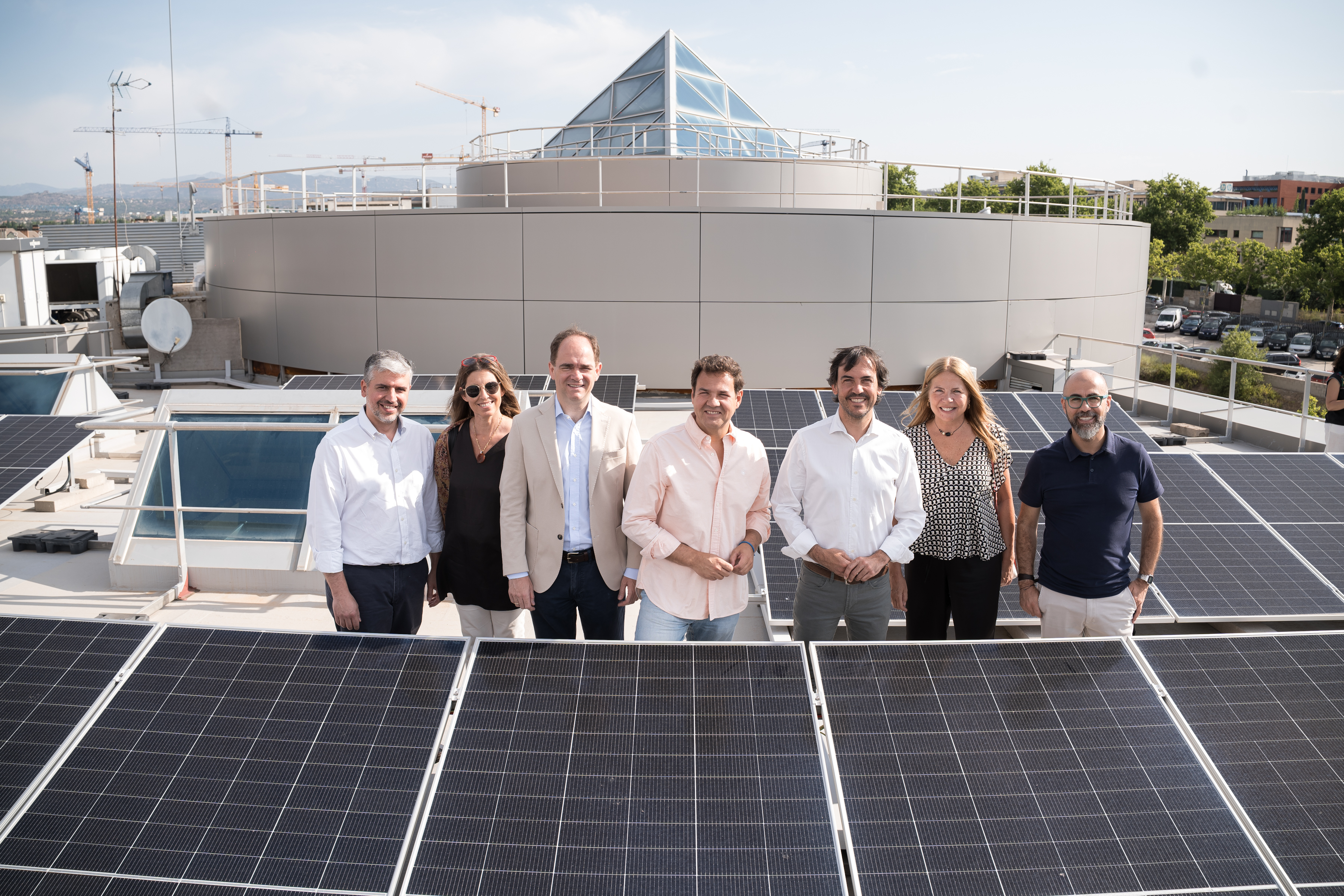
The Las Rozas City Council has reached one of the major milestones in its strategy as a smart city and a benchmark in energy efficiency. The city has just taken a huge step forward in its Energy Efficiency Plan, successfully completing the project—launched in 2023—to install solar panels across all municipal buildings. This comprehensive project, carried out by Las Rozas Innova, the Municipal Company for Innovation and Technological Development, has brought solar energy to 30 municipal buildings, with more than 3,000 photovoltaic panels now generating 2.4 gigawatt-hours a year, equivalent to the annual consumption of 700 households.

With this milestone, Las Rozas ranks among one of the first cities in Spain to achieve full solar coverage of its public infrastructure, reinforcing its leadership in sustainability, innovation, and the energy transition.

This is a project that Las Rozas City Council, through Las Rozas Innova, has carried out over three years, divided into two phases. In the first phase, which began in summer 2023, 1,800 photovoltaic panels were installed across all municipal schools and sports centres: 11 public schools and 4 sports facilities. 

In the second phase, which has just been completed, 1,200 photovoltaic panels have been installed at another 15 municipal facilities, including the City Hall, the El Abajón Municipal Centre, El Baile and Las Matas senior centres, the Las Matas Civic and Social Centre, SAMER-Civil Protection and Local Police headquarters, La Cigüeña María and Juan Ramón Jiménez nursery schools, Joaquín Rodrigo Auditorium, León Tolstoi, Ortega y Gasset and Marga Gil Roësset libraries, as well as, Youth Centre and Pérez de la Riva Cultural Centre.

A more sustainable and efficient city

"With the completion of this major municipal building self-consumption project, we continue moving toward our goal of turning Las Rozas into a more efficient, innovative and sustainable city. Thanks to Las Rozas Innova, we are not only generating clean energy but also applying technology to management, thereby cutting costs, reducing emissions and improving the services we provide to residents," said the Mayor of Las Rozas and Chairman of Las Rozas Innova, José de la Uz, who has visited the solar installation at León Tolstoi Library together with Rafael García, Deputy Minister for the Environment of the Madrid Region. 

The results obtained to date further confirm the project's positive impact. On average, municipal buildings are already saving 30% on energy costs thanks to an investment of close to 2 million euros made over the past three years. In addition, the Public Building Self-Consumption Plan will help avoid the emission of approximately 600 tons of CO₂ per year, a reduction equivalent to the absorption capacity of nearly 30,000 trees, directly contributing to the municipality's climate goals.

Las Rozas Public Building Self-Consumption Project is part of the city's Energy Efficiency Plan, which also includes a series of other energy-related actions carried out by the Department of Infrastructure and Public Works that will allow the municipal coffers to save two million euros in 2026. Notable actions include the analysis and monitoring of all consumption (water, gas and electricity) at public facilities, and the modernization of municipal infrastructure, outdoor lighting and the lighting of sports facilities and municipal buildings.

Smart management and real-time monitoring

One of the key differentiators of the Public Building Self-Consumption Plan is the integration of all data from the photovoltaic installations into the Las Rozas Smart City Platform, which enables Las Rozas Innova, as the city's energy manager, to monitor both energy production and consumption across all municipal buildings in real time. This information facilitates energy audits, the analysis of consumption patterns and the identification of new savings and efficiency opportunities, optimizing the management of public resources through advanced technological tools.

A comprehensive strategy to reduce the carbon footprint

Las Rozas Energy Efficiency Plan is part of the City Council's strategy known as Las Rozas Objetivo Cero 2030 (Net Zero Target 2030), which brings together initiatives carried out by the various areas of the municipal government and Las Rozas Innova aimed at reducing the city's environmental footprint, such as the Sustainable Urban Mobility Plan (SUMP), Las Rozas Recarga the public charging network for electric vehicles of Las Rozas, the renovation of street lighting with LED technology, the reforestation of natural areas, and smart climate control and irrigation systems. Thanks to this combined set of actions, the municipal carbon footprint has already been reduced by more than 67%.

LUMINOSITY develops the first-ever flexible perovskite solar roof tile

The EU-funded LUMINOSITY(opens in new window) project recently reached a groundbreaking milestone in renewable energy technology. Coordinated by the Netherlands Organisation for Applied Scientific Research (TNO), this initiative has successfully delivered what is believed to be the world’s first electrically functioning flexible perovskite solar roof tile. The innovation marks a significant leap forward in building-integrated photovoltaics, offering a pathway to the generation of sustainable electricity without compromising architectural aesthetics or taking up additional land.

Efficiency, even on a curve

Traditional solar panels often face limitations regarding their placement and visual integration, particularly in urban environments and heritage sites. The LUMINOSITY project addresses these challenges by developing lightweight, flexible perovskite solar modules that can conform to curved surfaces. Researchers at TNO successfully applied a flexible perovskite solar module onto a curved composite roof tile, achieving an energy efficiency of 12.4 %. Remarkably, individual flexible modules demonstrated efficiencies of up to 13.8 % before being integrated, proving that the bending process required to fit the module to the tile’s shape has only a minimal impact on performance. This confirms the viability of flexible perovskite technology for real-world applications.

“To the best of my knowledge, this is the world’s first electrically functioning solar roof tile concept based on flexible perovskite solar cells,” comments Ilker Dogan, Senior Scientist at TNO Solar, in a recent press release(opens in new window). The project’s success extends beyond mere functionality, it demonstrates industrial readiness. The materials and production processes employed are fully compatible with large‑scale roll‑to‑roll (R2R) manufacturing under standard industrial conditions. This aligns perfectly with LUMINOSITY’s core objective to strengthen Europe’s position in next-generation solar manufacturing by closing the efficiency gap between small-scale lab processing and large-scale R2R production.

The development represents a complete innovation pathway, progressing from laboratory test cells to 10 X 10 cm flexible modules and, lastly, to a fully integrated solar roof tile. One of the key performance indicators for LUMINOSITY was enabling large-area uniform perovskite solar cell deposition via R2R techniques. The project has shown that minimal efficiency loss is achievable even when scaling up by a factor of 1 000 from a lab-scale cell (about 20 mm) to a module system (up to 400 cm). Furthermore, the use of R2R-compatible flexible substrates, materials and solvents proves that efficient perovskite cells can be produced using scalable methods. Roland Valckenborg, Senior Project Manager at TNO Solar, explains: “This technology allows roofs and infrastructure to produce sustainable electricity without compromising design.”

Communities and spin-offs

Looking ahead, LUMINOSITY will focus on improving the lifetime, reliability and scalability of these flexible modules to prepare for market deployment. To speed up the transition to commercialisation, TNO recently launched the spin-off company Perovion Technologies. LUMINOSITY (Large area uniform industry compatible perovskite solar cell technology) is also providing open and long‑term access to its growing collection of scientific publications, public deliverables, presentations and other resources through its recently launched Zenodo community(opens in new window)

ECOLOOP’s innovative tools and processes are tackling the challenges of energy, biodiversity and social development in rural areas

The EU-funded ECOLOOP(opens in new window) project is demonstrating how rural areas can help drive Europe’s transition to a green economy. By developing solutions that optimise the combined use of renewable energy sources (RESs) in agricultural areas, the project plans to positively impact air quality, biodiversity and soil health, while also supporting farmers and empowering local communities.

Meeting farmer needs, benefiting the environment

ECOLOOP is combining energy sources like biogas, biomass, agrophotovoltaics and geothermal energy to meet rural areas’ needs for electricity, heating, cooling, transport and waste management. The focus is on boosting self-consumption and using RESs to help farmers and foresters reduce emissions and increase carbon sequestration, while also improving biodiversity and soil health and decreasing groundwater contamination.

As Sheila Sánchez of ECOLOOP project coordinator ETRA, Spain, explains in a recent news item(opens in new window), the goal is “to foster a green energy transition and circular economy in rural regions, creating jobs, advancing gender equality, restoring biodiversity, and improving resilience to climate change.” To achieve this, ECOLOOP is promoting seven tools and procedures that are being demonstrated in four diverse pilot sites in Bulgaria, Estonia, Spain and Slovenia, all with different climates, soils and farming practices.

One of the project’s key innovations is the efficient conversion of agricultural and forestry waste into biomethane – a renewable, low-carbon energy source. ECOLOOP researchers are also testing the use of advanced hydrophobic membrane technology to produce vehicle-grade biomethane, with further assessments being made on the potential of currently underutilised fruit and vegetable waste as a raw material.

ECOLOOP’s steps to optimise the distribution and interaction of RESs in rural areas is helping to ensure a reliable and sustainable energy supply. When integrating biogas, solar photovoltaics and geothermal energy, it is not only considering energy potential but also the local reality – soil conditions, climate, topography, land use and socio-economic factors.

Additional support

Another solution offered by the project is a digital tool to help farmers improve productivity and efficiency. The decision support system allows users to monitor and manage crop production and energy consumption remotely, reducing their farm’s carbon footprint, production time and costs. It is currently being refined and updated with new measurements for better accuracy and functionality.

Besides biomethane production, RES integration and its decision support tool, ECOLOOP is supporting Europe’s green transition through another four innovations. One is a tool used to protect soil health, biodiversity and ground water quality. The tool is used to test three sustainable and economic processes to replace traditional fertilisers with other bio-based products. Another tool helps forest and landowners select the best tree species on a given soil type to maximise CO2 sequestration.

ECOLOOP (ECOLOOP) also offers farmers economic and social support as renewable energy prosumers through innovative and community-based solutions. Last but not least, it supports co-creation and knowledge exchange through its Soil Living Lab, where stakeholders, researchers, and agricultural and renewable energy communities can work together to test, adapt and scale up sustainable practices related to soil health and renewable energy.

This is the second phase of the Energy Efficiency Plan, which will involve the total installation of more than 3,000 panels in 30 public buildings

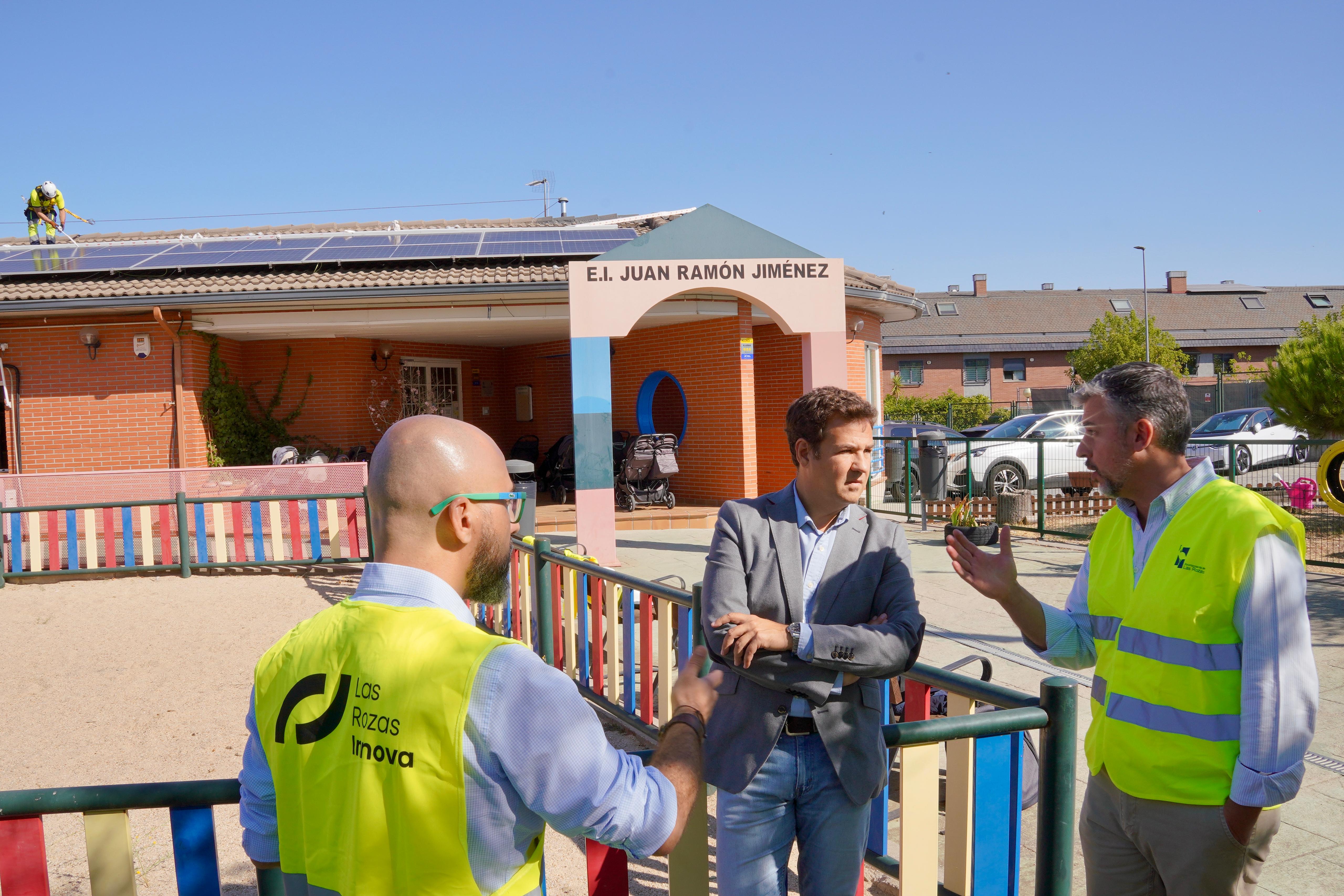
Las Rozas takes a new step on its way to a zero-emissions commitment with the start of work on the second phase of the Las Rozas Solar Plan, the ambitious energy efficiency project, carried out by Las Rozas Innova, to install photovoltaic panels on the roofs of a total of 30 public buildings and thus generate clean energy that allows their self-consumption.

After successfully completing the first phase, which has made it possible to equip the 15 public schools and the four municipal sports centers with photovoltaic panels, the project is now entering its second stage with the installation of solar systems in another 15 public buildings in the city.

The works have begun this September at the Juan Ramón Jiménez nursery school and will extend throughout this year to the Town Hall, centers for the elderly, the civic and social centers, the headquarters of the Local Police, others nursery schools, as well as in the Auditorium, the libraries,  the Youth Center and the cultural centers. 

"The start of this second phase of our Energy Efficiency Plan reinforces our commitment to a modern, efficient and environmentally friendly city. Thanks to technological innovation and sustainable urban planning, we continue to make progress towards the goal of zero emissions," said the mayor of Las Rozas and president of Las Rozas Innova, José de la Uz.

Although on average the panels are saving 30% of energy in buildings, in the case of schools the energy generated is already offsetting all the energy consumed in the centers.

 With a total planned investment of almost 2 million euros, the Las Rozas Solar Plan contemplates the total installation of nearly 3,000 solar panels with a total power of 1.7 megawatts, generating more than 2 gigawatt hours per year, equivalent to the consumption of 700 homes and a reduction in emissions of 600 tons of CO₂ per year – the equivalent of what 30,000 trees absorb.

Real-time results and citizen engagement

All the consumption and energy generation data of the panels can be seen in real time in the public centers where the photovoltaic panels are already operating (those corresponding to the first phase). 

This data is integrated into the Las Rozas Smart City Platform, a space from which the data obtained from all the IoT and sensorisation systems deployed in different public facilities is analyzed and optimized. The information obtained and collected in the City Platform will be used by Las Rozas Innova to carry out energy audits and establish new proposals and savings strategies. 

"Las Rozas Innova is the tool with which we are contributing to the transformation of our city through technology and innovation. Thanks to its work, we are implementing technological solutions that allow us to 

“They allow progress to be made in reducing the carbon footprint, optimizing the use of public resources and improving the quality of life in the city. This ambitious project is a clear example of the city model we want: smart, environmentally friendly and people-centred", adds De la Uz.

This project is part of the Las Rozas Goal Zero 2030 Plan, which includes initiatives such as the Sustainable Urban Mobility Plan (SUMP), Las Rozas Recharge, the replacement of public lighting with LEDs, the reforestation of natural spaces, the intelligent management of the air conditioning of public buildings and the irrigation of green areas, among other measures aimed at reducing the carbon footprint of the city, which has already been reduced by more than 67%.
REFORMERS receives the 2025 World Hydrogen Award for its innovative contributions to regional energy resilience and autonomy

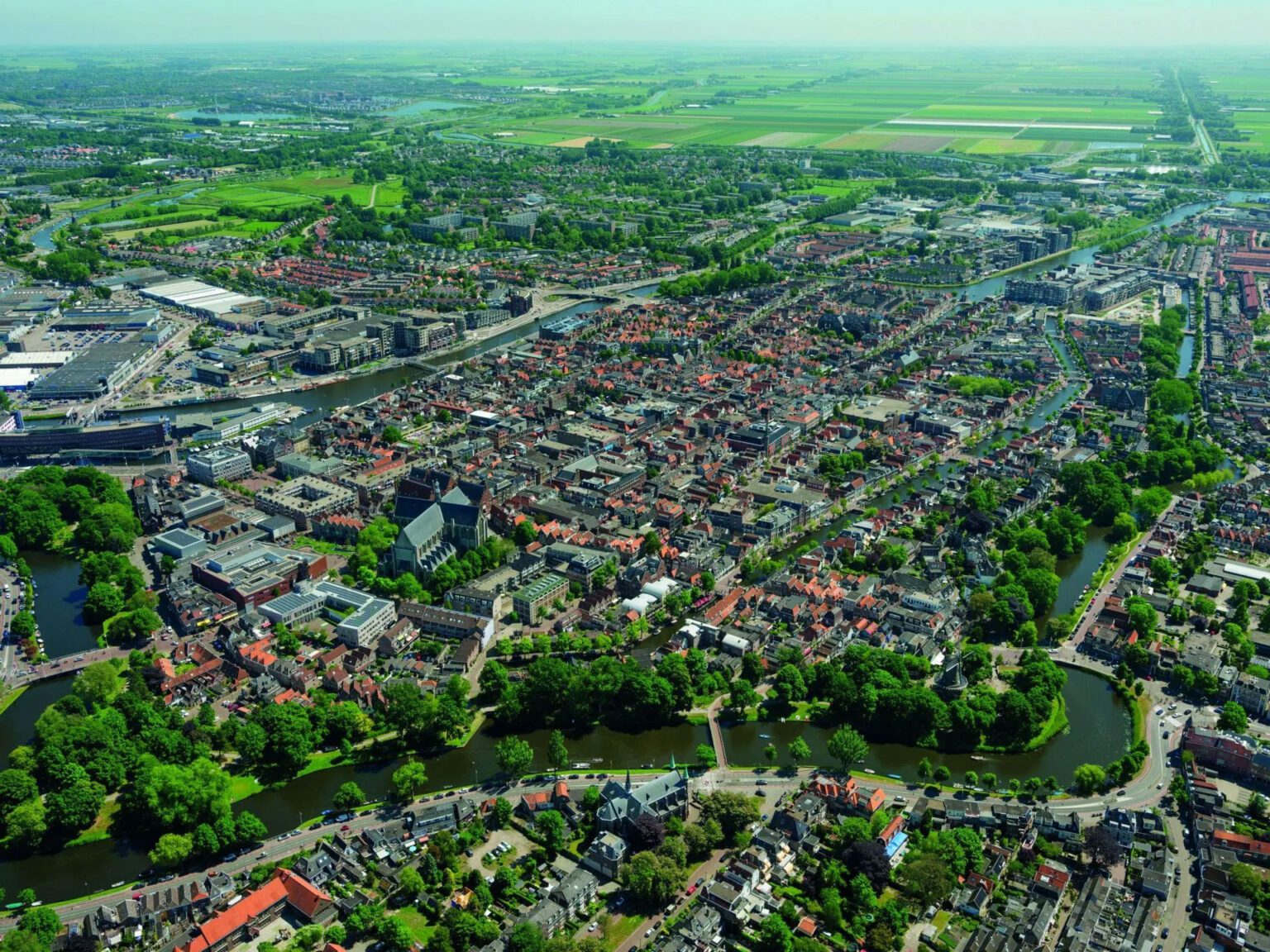
The EU-funded REFORMERS(opens in new window) project was recently bestowed the 2025 World Hydrogen Award for its clean hydrogen initiative. Presented at the World Hydrogen 2025 Summit & Exhibition held in Rotterdam, the Netherlands, the award recognises the REFORMERS consortium’s innovative work in establishing Europe’s first renewable energy valley in Dutch municipalities Alkmaar and Heiloo.

REFORMERS was launched in 2023 to speed up the deployment of clean hydrogen technologies in Europe and help build a resilient, decentralised and sustainable hydrogen ecosystem. To achieve this goal, it is developing a new model for local, circular hydrogen production and use, with the renewable energy valley in Alkmaar and Heiloo as its flagship.

Renewable energy valleys are decentralised systems that employ renewable energy sources, storage technologies and intelligent management algorithms to achieve energy autonomy. Through its flagship valley, the project is providing a blueprint for creating self-sufficient energy valleys throughout Europe, in this way playing a part in diversifying the EU’s energy supply and reducing its dependence on fossil fuels.

Spanning 4 km², the REFORMERS flagship valley in Alkmaar and Heiloo hosts over 300 business facilities and 3 000 households, all of which are connected to a shared energy grid. It demonstrates how green hydrogen can be integrated into regional energy systems, powering local communities, supporting energy independence and furthering climate neutrality goals. It also serves as a blueprint for six replication valleys in Belgium, Greece, Spain, the Netherlands, Austria and Poland.

The technologies driving success

Two breakthrough technologies were deployed in the flagship valley. The first is HYNOCA®, a carbon-negative hydrogen production process developed by French company Haffner Energy, which converts residual biomass into hydrogen through patented biomass thermolysis technology. HYNOCA® is already commercially available in Belgium, Luxembourg, the Netherlands and North Rhine-Westphalia.

The second technology contributing to the flagship’s success is Zinc Intermediate Step Electrolysis, developed by REFORMERS partner STOFF2 (Germany). The technology enables 24/7 green hydrogen generation from intermittent renewables such as solar and wind power, with the renewable energy stored as solid zinc. This ensures a continuous hydrogen supply, even when solar or wind power is unavailable. Together, the two technologies ensure flexible, low-carbon and on-demand hydrogen supply to local users, as well as industrial sites and hydrogen refuelling stations operated by Dutch project partner NXT Mobility.

“REFORMERS represent the essence of European collaboration for a clean energy future,” remarks Joep Sanderink of flagship valley coordinator New Energy Coalition (the Netherlands) in a recent press release(opens in new window). “We are proud to coordinate this project and are deeply impressed by the technologies it brings together. STOFF2’s electrolyser and Hynoca’s biomass process are both highly flexible and sustainable—two core requirements for future energy systems. This award recognizes not only technological innovation, but also the strength of European cross-border cooperation.”

According to the press release, by the end of 2026, the REFORMERS (Regional Ecosystems FOR Multiple-Energy Resilient Systems) system will be able to supply mobility-grade green hydrogen while substantially reducing CO₂ emissions, demonstrating a scalable model for regional energy autonomy. The project ends in 2028.

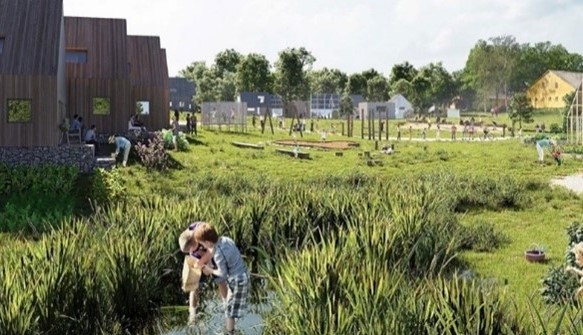
Image: Reformers2026

Two EU-backed projects show local energy communities the path to energy autonomy and sustainability

In 2021, the EU-funded SERENE and SUSTENANCE projects set out to develop sustainable energy systems that ensure a green transition for local communities. They sought to create more efficient, integrated, cost-effective and customer-centric solutions that could enhance communities’ energy autonomy. Today, the two projects show us how this approach can promote decarbonisation, not only in European countries such as Denmark, the Netherlands and Poland, but also in vastly different socioeconomic and political systems such as India.

Flexibility is key

Focusing on local communities in these four countries, the project partners developed systems that integrate renewable generation, electric mobility, heat pumps, energy storage and intelligent control to balance supply and demand in real time. The goal is for these communities to operate as ‘energy islands’, balancing their own energy consumption with renewable generation and smart flexibility.

“The flexibility unlocked at the community level facilitates the operation of larger systems,” writes Birgitte Bak-Jensen, project lead for SERENE and SUSTENANCE, in an article(opens in new window) posted on ‘Innovation News Network’. “Local energy islands can act as partners to the grid, offering ancillary services such as peak shaving, voltage regulation, and demand response, services that were traditionally only available from large-scale providers,” adds Bak-Jensen, who is a professor at the projects’ coordinator Aalborg University (Denmark).

Researchers investigated the technologies in place promoting flexibility, such as energy management systems (EMSs), ambient loop systems and multi-utility heat pumps. In terms of electric vehicle (EV) charging that supports the grid, Aalborg University developed EV charging systems that adapt to both user preferences (e.g. departure time) and grid signals (e.g. voltage). At project partner University of Twente’s SlimPark Living Lab, nine smart charging stations align EV charging with locally generated electricity from the rooftop photovoltaic (PV) panels and battery storage. In India, EV charging is integrated into solar-powered and hybrid PV-wind direct-current microgrids in rural off-grid and weak-grid areas.

The projects also implemented thermal and battery storage solutions to ease grid strain and boost renewable energy use. These include thermal tanks using phase change materials to enhance heat retention (Denmark), and rooftop PVs combined with large battery systems to reduce peak loads, support off-grid operation and feed real-time data into EMS optimisation (Poland). In India, solutions include biogas-electric hybrids for both electricity and clean cooking, and battery banks of up to 290 kWh in remote villages replacing diesel generators and storing solar and wind power.

Acknowledging the importance of social innovation and community engagement in driving the energy transition, SERENE and SUSTENANCE took action to foster dialogue, trust and a sense of co-ownership in the projects, transforming passive energy consumers into engaged and empowered community actors. Engagement strategies were adapted to the social readiness levels of each community.

SERENE (Sustainable and Integrated Energy Systems in Local Communities) and SUSTENANCE (Sustainable energy system for achieving novel carbon neutral energy communities) further introduced a tiered roadmap towards energy autarky, ranging from off-grid independence in rural India to shared battery storage and communal PV in urban Europe. A study(opens in new window) on local energy autarky was published in the journal ‘Energy Research & Social Science’. “Replicability is promising,” concludes Bak-Jensen. “Despite local differences, key enabling factors include citizen trust, appropriate governance structures, legal flexibility, and financial mechanisms for shared infrastructure.”

Dr Alycia Leonard, Senior Research Associate in Energy Systems, and Professor Stephanie Hirmer, Associate Professor in Climate Compatible Growth, both from Oxford University’s Department of Engineering Science, discuss the challenges and opportunities in using community energy systems to bring energy access to areas that the grid cannot reach.

In the UK, we often take access to energy for granted. Yet it underpins virtually every aspect of daily life—from food and healthcare, to communication and transport. Globally, it enables sustainable development by improving educational outcomes, increasing clean water availability, and building climate adaptation capacity. Its centrality in the UN Sustainable Development Goals underscores a shared understanding: equitable development hinges on universal energy access.

Achieving this goal, however, is far from straightforward. Though policy-making and planning tends to focus on national-scale grid extension, this is not a panacea. The estimated 750 million people who remain without electricity access globally are predominantly located in rural, remote areas, where traditional grid expansion is neither technically nor financially viable. Even where grids are present, households may lack the means or motivation to connect, or the appliances to make use of their connection. Alternative solutions are needed to close this gap.

Community energy systems – the opportunity

Community energy systems are seen as a promising way to expand access where the grid cannot reach. Decentralised energy technologies, such as isolated mini-grids and stand-alone renewables, co-locate generation with consumption and can be designed to specifically match local needs. Using renewable energy, they can often be greener and cheaper than grid or diesel alternatives. In contexts where grids are unreliable – such as Ghana, which has suffered years of regular power outages - they can also offer a more dependable alternative.

In addition, community energy systems often have decentralised governance, where local people actively participate in operating and managing the energy system. This can include the establishment of community energy cooperatives, democratic planning committees, and local maintenance structures – all of which can enhance community ownership and agency.

The social and environmental co-benefits of energy access provided via community systems are considerable. Yet such systems are not a silver bullet. To deliver on their potential, community energy initiatives must learn from both the strengths and shortcomings of previous projects, particularly in a context of tightening aid budgets.

Challenges and barriers

We have conducted research on the decentralisation of energy systems in Kenya and Zambia since 2022, including over 80 in-depth interviews and eight workshops with sub-national energy policymakers, planners, and mini-grid developers. From this, alongside previous practical experience implementing community-scale hydro schemes in Uganda, we have noted the following key challenges and barriers to the implementation of community systems to expand energy access.

Not all communities are equipped to govern local energy systems. This is a concern shared by mini-grid developers working across Africa that we have spoken with. In practice, decentralised energy technologies and decentralised energy governance don’t always go together. Not every community is a “good fit” for a self-governed community energy project, at least not without support. The local governance of community energy projects requires citizens with adequate time, capacity, skills, and interest to manage them; poor and marginalised citizens may not prioritise this.

It is difficult for community energy to balance affordability and cost recovery. Many decentralised systems struggle to recover costs while maintaining equitable tariffs. Unlike national grids, where cross-subsidies from urban and industrial users help keep rural tariffs low, mini-grids typically lack the customer diversity required to do the same. The result is an energy poverty penalty, where rural customers may end up paying more per unit of electricity than their urban counterparts.

Conventional value-for-money assessments overlook long-term distributional impacts. Often focused on short-term efficiency or infrastructure proximity, they fail to account for long-term social returns or a community’s actual ability to benefit from access. This undervalues inclusive, community-led approaches that may require higher upfront investment or have a longer-term return but deliver more sustainable and trusted services.

There are persistent equity gaps in decentralised energy planning. Disaggregated data on how energy systems affect women, disabled people, or other marginalised groups is limited. Even where inclusion is mentioned in energy policy or planning, it is often tokenistic or weakly implemented. Participation in energy decision-making remains sparse, often due to a lack of understanding, particularly among technical stakeholders, of how vulnerability intersects with local energy access.

Solutions and key considerations

To address these issues, we recently contributed to the UK Parliament International Development Committee Inquiry on Aid for Community-led energy. Our evidence highlighted the following solutions to common pitfalls which can increase sustainability and inclusivity of decentralised energy services supported by UK aid.

Adopt context-appropriate governance models. There is no universal template for successful community energy governance. Capacity-building within communities and local governments is essential to ensure that technical and managerial responsibilities are appropriately supported.

Foster productive uses of energy. Promoting context-appropriate income-generating appliances such as grain mills, refrigeration, welding tools, or sewing machines can help stabilise demand and subsidise household consumption, supporting long-term financial viability.

Provide patient capital. Long-term, concessional finance—whether via grants, blended finance, or impact investment—can recognise the broader developmental value of energy access and allow projects time to mature.

Redefine value-for-money. Assessment frameworks should include long-term and distributional impacts, such as emissions reductions, conservation, and social return on investment. Incorporating such metrics also opens opportunities for carbon crediting and co-financing.

Embed inclusive practices. Clear, measurable inclusion standards developed with input from vulnerable groups should guide all project stages. This requires improved data collection, participatory research, and deliberate inclusion of marginalised voices in energy planning processes.

Despite the challenges, when done right community energy projects can be transformative. The Mpeketoni microgrid in Kenya, for instance, enabled local enterprises to access electrical equipment and tools, boosting worker productivity and leading to corresponding income growth in the order of 20–70% while simultaneously improving key infrastructure (e.g., schools, markets, and water pumps) and agricultural productivity.

The key is to learn from past experiences – both the successes and the failures – and to replicate what has worked at scale. In doing so, UK policymakers have an opportunity to craft an aid-funded energy portfolio which promotes holistic, efficient, and effective development.

This commentary incorporates perspectives from both written and oral evidence provided to the UK International Development Committee in the Inquiry on Aid for Community-led energy. Alycia Leonard provided oral evidence and led one written piece, while Stephanie Hirmer led the other written piece, both alongside co-authors (Oxford University unless otherwise clarified): Beatrice Stockport, Miguel Sanchez-Lopez, Pu Yang (UCL), Amelia Standing, Tonny Kukeera (Manchester), Malcolm McCulloch, Marissa Bergman (UCL), Gerald Arhin (UCL), Aura Soriano (UNOPS), and Geoff Morgan (UNOPS).

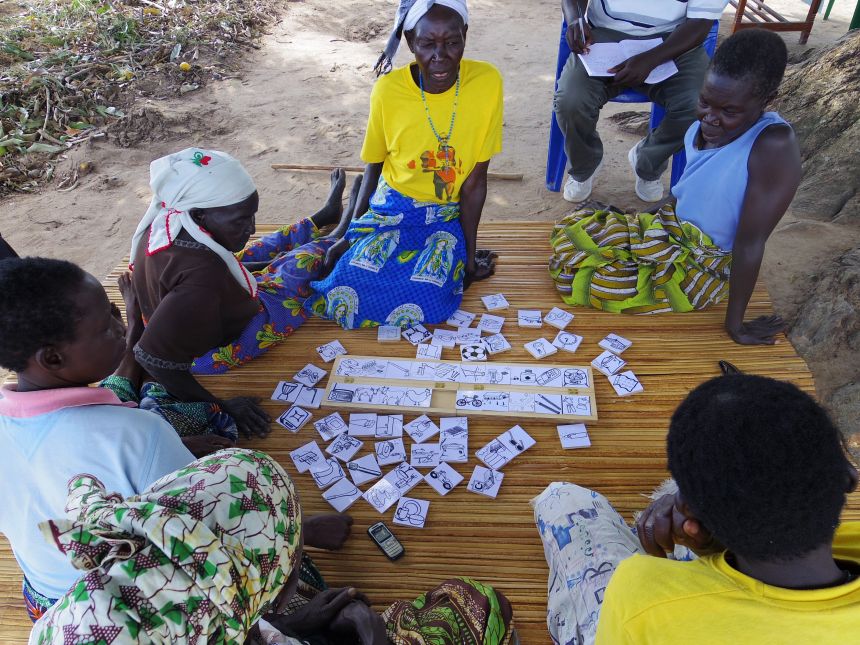
Photo: A focus group in rural Uganda to understand community needs for an electrification project. Photo credit: Professor Stephanie Hirmer.

INTERSTORE presents a new framework to accelerate the integration of data spaces in the energy industry

An energy data space framework developed within the EU-funded INTERSTORE project is expected to play a pivotal role in accelerating the integration of data spaces within the energy sector. The framework is described in a recent article posted on ‘Enlit’, an inclusive, end-to-end forum addressing all aspects of the energy agenda.

The energy sector needs secure and efficient data sharing now more than ever. Challenges such as the rapid growth of renewable energy sources and smart grid technology and the rising demand for energy flexibility all point to the need for real-time, data-driven collaboration. “Sharing data across organisations allows for a more coordinated approach to energy production, distribution and consumption,” write the article authors Ferdinando Bosco and Marcantonio La Franca of INTERSTORE project partner Engineering - Ingegneria Informatica S.p.A. Italy. “This collaboration is essential to balance supply and demand, integrate renewable sources smoothly, predict and mitigate outages and optimise energy use across the grid.”

Seamless and secure

However, as the energy sector becomes more digitalised, robust data sharing mechanisms become more necessary. We need secure systems that can guarantee the seamless integration of distributed storage while also protecting sensitive information and maintaining grid reliability.

“One of the primary goals of the energy dataspace framework is to establish an environment of trust and security. Through advanced data governance and authorisation protocols, each participant retains control over its own data, choosing what information to share and with whom, while ensuring compliance with privacy and security standards,” the article explains.

The framework uses International Data Space and FIWARE standard architectures and building blocks. In addition, it has two core elements: the data space middleware and the energy dataspace connector. These features enable a complete end-to-end data exchange among energy stakeholders, enabling them to collaborate through standardised, secure and trusted data-sharing mechanisms. “The data space adoption is expected to have a transformative impact on the energy sector in the coming years. By creating a unified market for energy data, the data space will facilitate better data sharing and interoperability across the EU, enhancing the efficiency and reliability of energy systems.”

The energy data space framework, which is currently being tested in real-life environments in Germany, Italy, Austria and Portugal, was among the innovative solutions advancing energy technology that INTERSTORE presented at the 2024 Enlit Conference held in Milan, Italy. As part of the event, Antonello Monti of project coordinator RWTH Aachen University, Germany, moderated an engaging session on collaborative efforts for interoperability and participated in a podcast interview, offering insights into the objectives and impacts of the INTERSTORE (Interoperable opeN-source Tools to Enable hybRidisation, utiliSation, and moneTisation of stORage flExibility) project.

Published in the Journal of the American Chemical Society (JACS) on May 15, this study has been selected as a supplementary coverage image

A groundbreaking technology has been developed to address the limitations of current catalyst electrodes, resulting in the production of green hydrogen on a large scale and at a relatively low cost.

Led by Professor Han Gi Chae in the Department of Materials Science and Engineering and Professor Jong-Beom Baek in the School of Energy and Chemical Engineering at UNIST, the team collaborated with Professor Kafer T. Tavuz at King Abdullah University of Science and Technology (KAUST) to develop carbon fabric electrocatalysts embedded with highly functional catalysts using a conventional carbon fiber/fabric manufacturing process.

This innovative design allows for stable operation across large areas by utilizing a carbon fiber catalyst, as opposed to a powder-type catalyst that is prone to detachment. Notably, this advanced electrode boasts a lifespan 100 times longer than conventional electrodes while maintaining optimal performance through the use of ruthenium instead of the more expensive platinum, resulting in significantly reduced manufacturing costs.

Traditionally, electrochemical electrodes were manufactured by spraying a powder catalyst like carbon powder onto the electrode for fixation. However, this method posed challenges related to uneven application, leading to issues such as clumping or detachment of the powder. Conversely, carbon fiber-based electrochemical electrodes are gaining attention for their high thermal and electrical conductivity properties, as well as their ease of use across large surfaces.

Taking a step further, the research team integrated ruthenium (Ru) into the polymer precursor fiber during the manufacturing process, thereby enhancing catalyst stability. By utilizing polyacrylonitrile (PAN) as the precursor polymer, the team was able to effectively express the catalyst’s characteristics in a stable manner. Moreover, ruthenium was selectively affixed to the surface as a chemical catalyst in lieu of platinum.

Their ruthenium surface-embedded fabric electrocatalysts (Ru-SFECs) demonstrated a low overvoltage of 11.9 mV at a current density of 10 mA cm–2, indicating low energy consumption during the hydrogen generation process. The developed electrode showed a negligible overvoltage increase of 6.5% even after 10,000 operations, a notable improvement over commercialized platinum powder catalysts.

The new carbon fiber electrode with a functional catalyst attached was designed to operate at a significant cost advantage compared to traditional electrodes dependent on expensive platinum-based catalysts. By utilizing ruthenium instead of platinum and incorporating it into the polymer precursor fiber early in the manufacturing process, the team was able to create Ru-SFECs with a low overpotential of 11.9 mV at a current density of 10 mA cm–2, showcasing remarkable stability and efficiency.

The team’s innovative approach leverages the exceptional mechanical and electrical properties of carbon fibers, showcasing their potential as a versatile material for future electrochemical reactions. Through meticulous control of catalyst metal separation and microcarbon structure, the researchers achieved maximum stability and activity, enabling the continuous production of catalyst fibers for direct industrial applications.

“This study lays a foundation for developing stable, binder-free, and flexible electrocatalytic electrodes,” stated Professor Chae. “In addition, this technique holds potential for other catalytic reactions with different metals. Future research should focus on enhancing mechanical durability, electrical conductivity, and cost-effectiveness.”

This groundbreaking electrode, not only offers energy-efficient manufacturing processes, but also reduces waste production. The research team successfully validated their findings through the commercial manufacturing process used in the carbon fiber industry.

The continuous production of catalyst-supported carbon fibers on a semi-pilot line achieved in this study represents a technological maturity level suitable for real-world implementation. “The flexible fiber form factor of this study facilitates immediate applications as an electrochemical, thermochemical, or photocatalyst,” noted Research Professor Seok-Jin Kim at KAUST, Co-first-author of the study.

The findings of the groundbreaking research were officially published in the prestigious Journal of the American Chemical Society (JACS) on May 15, and were selected as a supplementary coverage image. With related patents and PCT applications finalized earlier this year, the technology developed by the research team at UNIST is poised for rapid adoption and integration across a range of applications. This research was supported by the Creative Research Initiative (CRI) and Basic Science Research Programs through the National Research Foundation (NRF) of Korea, funded by the Ministry of Science, ICT (MSIT) and the Ministry of Education.

Journal Reference
Seok-Jin Kim, Ga-Hyeun Lee, Jung-Eun Lee, et al., “Scalable Design of Ru-Embedded Carbon Fabric Using Conventional Carbon Fiber Processing for Robust Electrocatalysts,” JACS, (2024).


Page 1 of 3

Featured

Most Read

We use cookies

We use cookies on our website. Some of them are essential for the operation of the site, while others help us to improve this site and the user experience (tracking cookies). You can decide for yourself whether you want to allow cookies or not. Please note that if you reject them, you may not be able to use all the functionalities of the site.