Artificial Intelligence

Europe has the science. Now it needs the scale. An EU-backed start-up summit is trying to close that gap

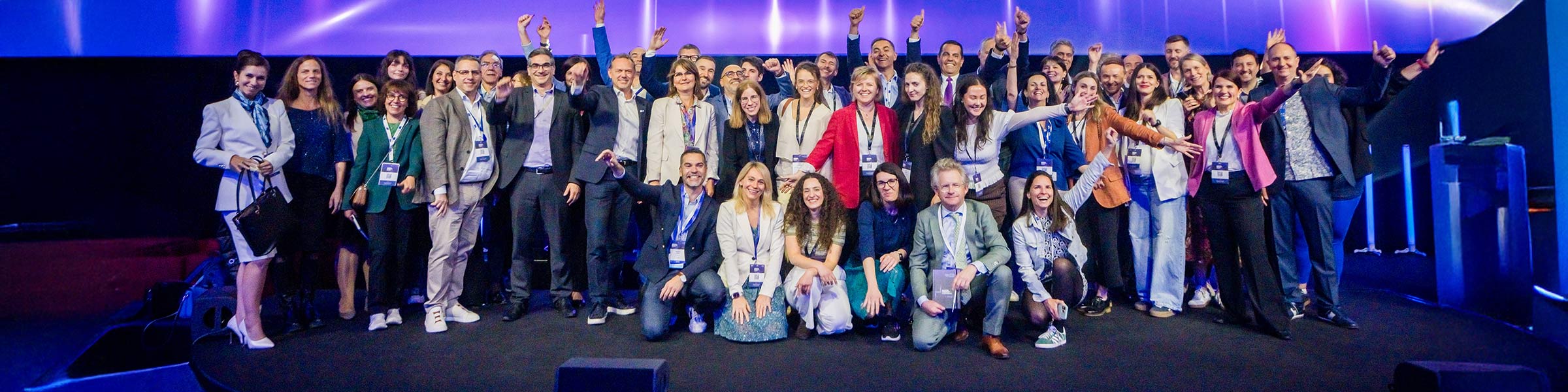
In a conference space at the edge of Brussels, networking reaches a crescendo as a DJ plays music in the background. On the floor, everyone is showcasing their work – from semiconductor chips to advanced renewable energy technologies and eco-friendly materials.

This is the European Innovation Council (EIC) Summit, a yearly event where venture capitalists and scientists meet EU officials and start-up founders building their first products.

For Pierre Cherelle, founder and CEO of the Belgian start-up Axiles Bionics, it was a chance to show what his team has built: new types of prosthetics for amputees that incorporate technologies from robotics.

“What we do combines financial return with social impact,” he said.

“Our prosthetics make a huge difference for patients. They often say that it is as if they were walking on their own legs again.”

Nearby, another company presented a new kind of renewable energy technology that uses the motion of waves.

“It was very hard to get to this point,” said Patrik Möller, co-founder and CEO of CorPower Ocean, the Swedish start-up building these buoy-like devices. “Now, however, the technology is ready. And Europe is leading in it.” Europe hosts several of the world’s main wave energy test sites and companies, particularly in the North Atlantic.

All of these people were brought together by the EIC, which supports researchers and entrepreneurs with high-risk ideas that might not get funded otherwise. It offers everything from accelerator programmes to venture funding, and has already supported the growth of many of the companies present, such as Axiles Bionics and CorPower Ocean.

Set up in 2021, the EIC has been expanding its activities. On the first day of the Summit, 3 June, the Scaleup Europe Fund was announced.

This €5 billion venture capital fund may grow to €20 billion in the coming years. It is meant to help European startups raise very large capital rounds, which today they often look for in the US.

Next tech giant

One of the start-up founders who travelled to Brussels was Anita Schjøll Abildgaard, the Norwegian co-founder and CSO of Iris.ai, an AI company. She credits the EIC with keeping the company alive.

“If it wasn’t for the EIC, our company would no longer exist,” she said. “We entered the EIC Accelerator at just the right time, in 2023. This provided much-needed financial backing and gave us the push to take our product to the market.”

Iris.ai builds software that sits between a company’s raw data and the AI systems that use it. It helps transform massive amounts of difficult-to-handle and often sensitive company data into a format that AI systems can use.

Usually, this would require intense and time-consuming human labour, but Iris.ai automates the process.

“Some companies are sitting on decades’ worth of company data, from patents and memos to safety manuals,” said Schjøll Abildgaard. “Processing that is one of the biggest barriers for AI at the moment.”

Iris.ai is gearing up to enter a field heavily dominated by companies from the US, but she is unfazed by that.

“Founding a company in Europe, compared to the US, used to be a disadvantage,” she said. “But that is now changing. Companies need absolute guarantees about security, sovereignty and privacy. In Europe, we can guarantee that.”

Today, Iris.ai is growing rapidly. “We want to become one of the next European tech champions,” said Schjøll Abildgaard. “What we have is unique, and if we play our cards right, we can be the next tech giant coming out of Europe.”

Scaling quantum

Another venture that has worked with the EIC is the Finnish company IQM Quantum Computers. With more than 400 people employed across Europe, IQM is one of a small number of companies in the world capable of delivering usable quantum computers.

These machines exploit quantum physics to tackle specific problems that are extremely hard, or impossible, for today’s conventional computers to solve.

“We are the world leader in selling and shipping quantum computers to data centres,” said Jan Goetz, CEO and co-founder of IQM. “We are shipping more quantum computers than anyone else.”

In this market, IQM is holding its own against large household names from the US such as Google and IBM, and that matters for a Europe seeking greater digital sovereignty. Quantum computers could be a game-changer.

“Quantum computers aren’t just faster regular computers,” said Goetz. “By using quantum physics, they can do calculations that aren’t possible for regular, transistor-based computers.”

Quantum computers, for example, allow us to compare millions of possible material combinations, which might lead to stronger, lighter and more sustainable materials, a task that pushes the limits of regular computers. In a similar way, they might help us develop new drugs.

“This is like the early internet,” said Goetz. “We just don’t know what they might allow us to do yet.”

Early support from the EIC was crucial in IQM’s growth, and Goetz said the EIC fills in an important gap in the European economy.

“Europe is good at cutting-edge science. What we are bad at is commercialising and scaling that,” he said. He sees the EIC as one way to change this, especially with the new Scaleup Europe Fund.

“It needs to be easier for European companies to raise rounds in the hundreds of millions or even billions of euros.”

One tool that should help inventors bring their ideas to market is the EU Innovation Platform, launched during the Summit. It is designed to help EU‑funded innovators find funding opportunities, receive tailored recommendations, join events and make their work more visible. The hope is that it will make it easier to turn European ideas into real‑world impact.

From waste to paper

Not everything at the EIC Summit, however, was hardware and software. At one of the booths, Valentyn Frechka was showing visitors different kinds of fibres, papers and packaging materials.

“I found a way to make paper out of fallen leaves,” said the Ukraine-born Frechka, who runs Releaf from its Paris-based factory. This idea landed him the 2024 European Patent Office’s Young Inventor Prize.

“Every year, cities spend time and money collecting hundreds of thousands of tonnes of fallen leaves.” According to Frechka, it’s a huge waste. “We see them as a raw material that can be turned into things like paper and packaging.”

Frechka got the idea as a 16‑year‑old in Ukraine, started it there and later grew Releaf into a France‑based leaf‑materials company. It has gained visibility in European and French innovation circles, including Bpifrance, Station F and the LVMH innovation ecosystem. Today it is growing rapidly, making packaging paper for brands such as Uber Eats, Rituals and LVMH.

This year, Releaf was invited by the EIC to showcase its core paper route and newer material developments, including hydrophobic coatings and moulded applications. He described it as a major milestone for the company.

“We are getting lots of interest here,” Frechka said. “It’s our first edition, and I’m already excited for next year.”

These stories show the range of projects gathered under the EIC umbrella. Taken together, they highlight how its support can help turn promising ideas into companies that grow in Europe.

Text: Tom Cassauwers

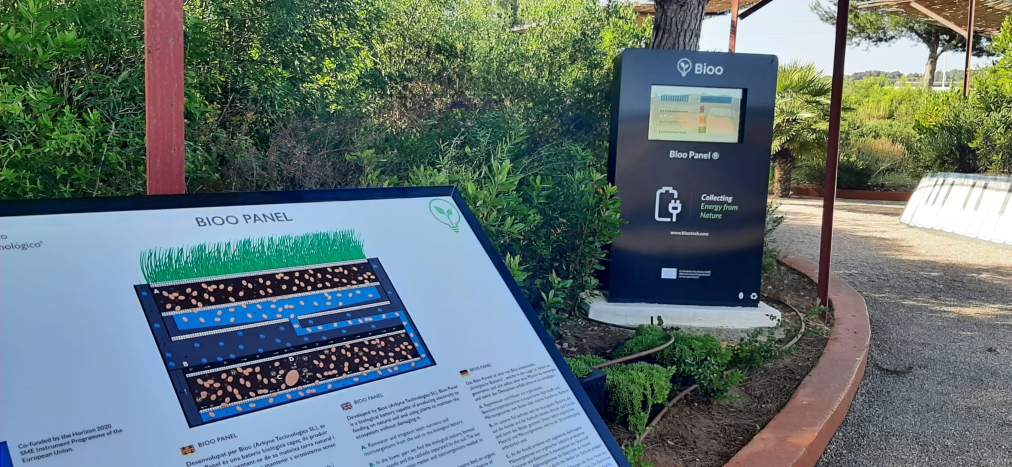
Image: The European Innovation Council Summit helps turn research into real‑world products by backing European start‑ups. © Lumentio/EIC, 2026

This article was originally published in Horizon the EU Research and Innovation Magazine.

Artificial Intelligence and new digital experiences are transforming culture into something closer, emotional and shareable, bringing masterpieces and historical heritage nearer to an increasingly connected society

For centuries, art waited in silence.

It lived behind the thick walls of museums, protected by distance, solemnity and sometimes even intimidation. Great masterpieces belonged to history, but not always to people. Many admired them from afar, as if culture itself required permission to be understood.

Today, that invisible barrier is beginning to disappear.

Technology is no longer knocking on the door of art: it already lives within it. Quietly. Elegantly. Naturally. Artificial Intelligence, immersive experiences, digital galleries and interactive applications are opening the doors of culture to a generation that no longer wants merely to observe the world, but to participate in it emotionally.

The collaborations between Samsung and institutions such as the Prado Museum or the MUNCH Museum in Oslo symbolize much more than a technological partnership. They represent a profound transformation in the relationship between humanity and artistic heritage.

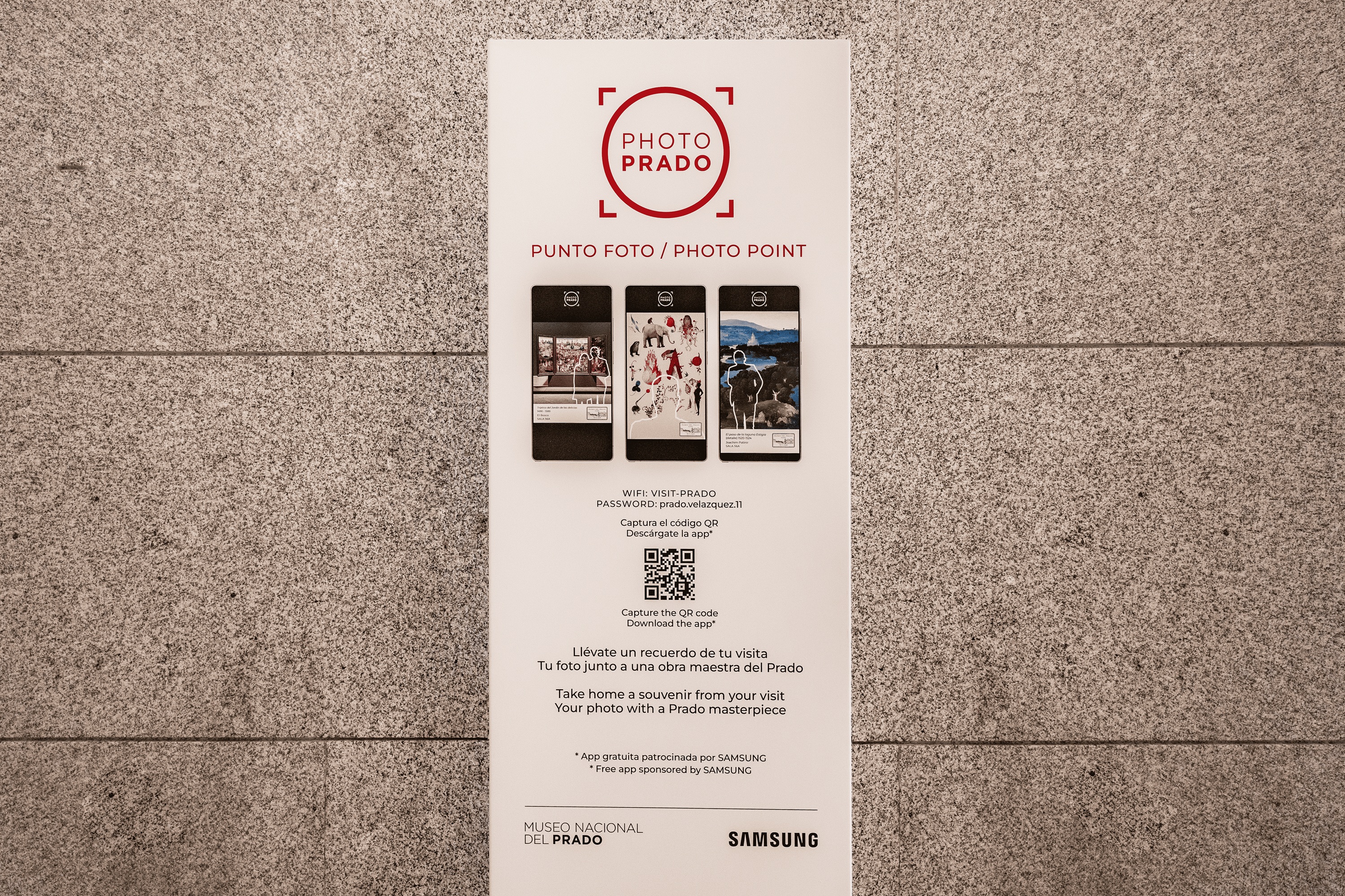
Through initiatives such as “Photo Prado”, visitors can emotionally enter the universe of Velázquez, Goya or Bosch, transforming their museum visit into a personal and unforgettable memory. At the same time, Samsung Art Store allows audiences around the world to discover little-known masterpieces from Edvard Munch, bringing hidden artistic treasures from museum archives into living rooms, homes and everyday life.

This is perhaps the greatest cultural revolution of the digital age: art is no longer confined to walls.

For generations, museums displayed only a fraction of their collections due to physical limitations. Thousands of paintings remained stored in archives, invisible to the public. Today, technology is rescuing those forgotten works from silence and giving them a second life through screens, connected devices and digital experiences accessible from anywhere in the world.

Some fear that technology could trivialize culture. Reality suggests precisely the opposite.

When innovation is used intelligently, technology does not replace artistic contemplation; it amplifies it. The emotion of standing before a Velázquez painting or Munch’s existential universe remains irreplaceable. But digital tools create a second dimension: emotional continuity. They allow art to travel beyond the museum visit and remain alive in memory, conversation and everyday experience.

Culture is becoming “prêt-à-porter” in the noblest sense of the expression. Not superficial culture, but accessible culture. Human culture. A culture capable of adapting to contemporary life without losing its intellectual depth or emotional power.

New generations have grown up in a connected world shaped by images, interaction and immediacy. They build memories through digital experiences and communicate emotions through screens. Expecting art to remain isolated from this transformation would condemn it to irrelevance.

The true challenge is balance.

And this new generation of cultural initiatives seems to have understood it perfectly. Technology does not invade museums or transform masterpieces into entertainment attractions. Instead, it acts as a bridge between heritage and society, between history and the emotions of modern audiences.

Artificial Intelligence can now personalize cultural experiences, recommend artistic journeys, recreate atmospheres, translate emotions and even reveal details invisible to the human eye. For the first time, technology is not distancing people from culture — it is bringing them closer to it.

Perhaps future historians will remember this era as the moment when art finally ceased to belong exclusively to experts, collectors or intellectual elites and became something universal, emotional and profoundly human.

Because when technology truly serves culture, art does not lose its soul.

It finds millions of new ones.

Manuel Tarín Alonso
Owner & Founder
www.thesmartcityjournal.com

Top AI systems show bias towards rewarding overly complex prose styles and only match human examiners for grade bands around half the time, research finds

Researchers have used top Generative AI models to grade hundreds of undergraduate essays and found that AI only matched human-awarded degree classification around half the time, with AI often failing to assess the best and worst submissions accurately.

A University of Cambridge-led team of psychologists and AI experts tested three “frontier” systems, including the latest versions (as of April 2026) of Claude and ChatGPT, on over 750 student essays from three UK universities submitted as part of a psychology degree.

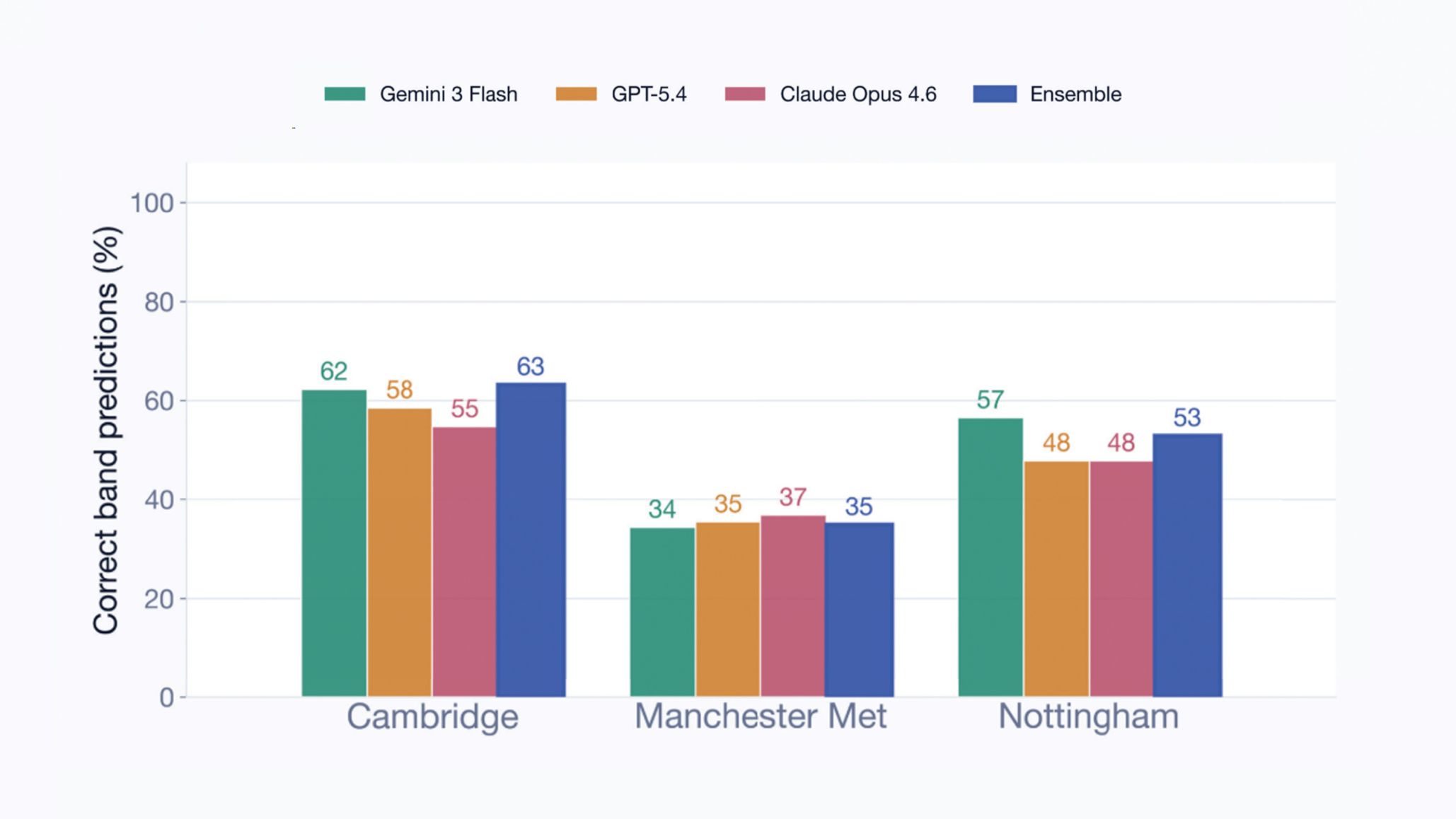
While accuracy of AI in grading the essays, from coursework to exam answers, was “not uniformly high”, say researchers, it did manage to match the broad grading bands – a first, 2:1, 2:2 and so on – given out by human examiners between 35-65% of the time.

However, major stumbling blocks for AI include routinely undervaluing work awarded top marks by humans, or overvaluing essays ranked among the lowest.

Unlike human examiners, all the AI systems were “oversensitive to linguistic features”: giving out higher marks based on essay length, vocabulary range and sentence complexity, which are often unrelated to academic standards.

In the latest report, researchers suggest that AI could be valuable for aspects of student assessment such as error detection and consistency checks – a “second pair of eyes” – as well as triaging feedback for students.

For example, large discrepancies between AI and human marks could help flag assignments requiring further review by a human assessor.

However, the team cautions that AI alone is far too shallow and inconsistent to grade undergraduate work, and a human should always determine the final mark.

“Universities are under huge pressure to reduce staff workload and improve efficiency, all while meeting rising student expectations, and some may start to lean on AI for assessment,” said Dr Deborah Talmi, the Cambridge psychologist who leads the OpRaise project behind the new report. 

“AI could perhaps automate some of the labour-intensive aspects of marking, freeing academics up for direct student engagement.”

“We find that leaning heavily on the best current AI models would see student grading that is homogenised, underestimates brilliance, and favours linguistic style over the substance of sound academic judgement,” said Talmi.  

“Assessment is not just a system for distributing marks. It is part of how educational meaning is made, so students feel seen, standards are upheld, and trust is maintained. Use of AI in assessment poses a risk to these values.” 

The report, ‘AI in University Assessment: Evaluating the Opportunities and Risks of Automated Marking’, is supported by ai@cam, Cambridge University's flagship mission to develop AI for the benefit of society, and the Accelerate Programme for Scientific Discovery, made possible by a donation from Schmidt Sciences. It is launched at an event with the British Psychological Society.

For the study, AI was also asked to provide student feedback, and it churned out reflections between three and eight times longer than those provided by the original assessors.

However, when AI responses were kept to a word count comparable to those from humans, focus groups of staff and students found it difficult to distinguish between human and AI feedback. Once the identity of the writer was revealed, not everyone appreciated AI-generated insights.

University staff and students who took part in the study told researchers that, while current assessment practices are not perfect, being graded and receiving feedback from humans is fundamental to the “social contract” between academics and students.

“Many students said they would feel cheated if AI marked their work, and staff warned that relying on AI risks weakening trust, motivation, professional judgement, and the human engagement at the heart of higher education,” said Dr Yael Benn, a collaborator on the project from Manchester Metropolitan University.

The study used 761 undergraduate essays in psychology submitted and marked between 2022 and 2025 from a total of 125 students from the universities of Cambridge, Manchester Metropolitan and Nottingham.

The researchers chose to focus on psychology as essays are central to degree results in the subject. “Academic psychology is an ideal testing ground for AI assessment as it values evidence synthesis and critical judgement over single correct answers,” said Talmi.

Researchers tested AI systems with the same essays at different times, and found AI gave the same or similar marks each time. The different AI models were much closer to each other than to humans in their marking.

The AI managed to match the right UK degree classification band of the five available (First, 2:1, 2:2, Third, Fail) some 63% of the time for Cambridge essays, while for Nottingham it was 53% and for Manchester Metropolitan it was 35%.

Researchers suspect that the difference in AI accuracy across institutions is due to the range of grades, which was narrowest among Cambridge students, whose essays were all written in invigilated exam halls, and widest at Manchester Metropolitan, where all analysed essays were coursework. Nottingham essays were a mixture of both.

This illustrates the heart of the problem when relying on AI to assess students: inconsistent performances across institutions, types of prompting, and work that sits near grading boundaries, say the report’s authors, who describe AI as having a “central tendency bias”.

All papers are scored out of 100, standard practice in higher education. An essay marked 75 – a solid first – by a human is, on average, scored several points lower by every AI system. While an essay marked 50 – a low 2:2 – is scored several points higher.

The range on the marking scale where AI and humans most frequently align across institutions lies in the upper-50s to low-60s, so around a low 2:1, near the centre of the grade distribution.

"Human assessors judge each essay on its own argumentative and conceptual merits while AI marks are based on statistical predictions,” said co-author Dr Alexandru Marcoci, from Cambridge’s Institute for Technology and Humanity.

“Across models, the same pattern emerges. The AI assigns middling marks to all submissions, resulting in particularly inaccurate marking of the best and worst essays, whereas humans are more willing to distinguish genuinely exceptional or weak work.”

“The practical consequence of this bias is that the AI is least accurate precisely where assessment decisions matter most, at the boundaries that distinguish Firsts from Upper Seconds, or passes from fails,” he added.

Researchers tested the performance of three frontier LLMs: Claude Opus 4.6 (Anthropic), GPT-5.4 (OpenAI), and Gemini 3 Flash (Google).

The dataset: 125 students in 3 UK universities volunteered 761 authentic long-form undergraduate psychology essays (University of Cambridge: 133, University of Nottingham: 172, Manchester Metropolitan University: 456). All essays were submissions to formal assessments between 2022-2025.

They spanned 50 modules and 87 distinct assignments across all years of study. Assessments spanned coursework, open book at-home examinations and invigilated examinations. Essay marks, on a 0-100 scale, were moderated formal marks provided by expert human assessors who followed routine institutional processes.

Prompt design: Rather than committing to a single prompt, the team systematically varied the prompt under three dimensions - criteria specificity, calibration intervention, and scoring strategy - to isolate each component's influence on scoring accuracy and identify the best prompt for each model.

At the most basic level, models were prompted by the following statement: “You are an experienced <University name> examiner marking <degree name> undergraduate assignment.”

At the other end, models were given the full marking rubric, information about the expected mark distribution, and asked to justify aspects of the evaluation prior to providing a mark.

Best-performing prompts per model were selected on a 20% calibration subset (n = 153); the same prompt configurations were then applied to the full corpus for the analyses reported here

Experts predict how close AI is to passing the hardest test in the world

Can you provide a translation of an ancient Palmyrene script found on a Roman tombstone? How many paired tendons are supported by a particular sesamoid bone in a hummingbird?

These are just two of the many varied and challenging questions submitted to Humanity’s Last Exam(opens in new window), or HLE, the apparently unsolvable test reserved only for the best and brightest. But it’s not meant for us.

Ultimate academic test for AI

Don’t let the apocalyptic name fool you. HLE isn’t about humans becoming irrelevant. It’s about celebrating what we know that AI can’t even touch yet. It was created to determine if AI models such as ChatGPT and Gemini can answer the most difficult questions experts could come up with.

Basically, HLE was specifically designed to see exactly where today’s AI fails and what remains out of reach for existing AI technology. This new benchmark was introduced in a study published in the journal ‘Nature’(opens in new window).

HLE is a truly collaborative effort, with about 2 500 questions from close to 1 000 contributors affiliated with over 500 institutions across 50 countries. Contributors are mainly experts in the sciences, humanities and arts, covering more than 100 highly specialised fields.

“What made this project extraordinary was the scale,” commented Tung Nguyen, associate professor in the Department of Computer Science and Engineering at Texas A&M, in a news release(opens in new window). “That diversity is exactly what exposes the gaps in today’s AI systems — perhaps ironically, it’s humans working together.”

AI systems didn’t exactly ace this tough test – at least not early on. Initial results in 2025 showed that many of the AIs scored less than 10 % on the exam. However, in March of this year, Gemini 3.1 Pro achieved 45.9 % accuracy, followed closely behind by GPT-5.4 at 40.3 %.

Surpassing the boundaries of human knowledge

“When AI systems start performing extremely well on human benchmarks, it’s tempting to think they’re approaching human‑level understanding,” explained Nguyen. “But HLE reminds us that intelligence isn’t just about pattern recognition — it’s about depth, context and specialized expertise.”

Nguyen contributed 73 of the questions – the second-highest number – and wrote the most questions in math and computer science. “For now, Humanity’s Last Exam stands as one of the clearest assessments of the gap between AI and human intelligence, and despite rapid technological advances, it remains wide.”

Nguyen emphasised that when AI surpasses traditional metrics, the resulting gap creates challenges that are more than just academic. “Without accurate assessment tools, policymakers, developers and users risk misinterpreting what AI systems can actually do. Benchmarks provide the foundation for measuring progress and identifying risks.”

HLE is a reality check for AI, proving that our unique knowledge still sets the bar higher than any algorithm can reach. “This isn’t a race against AI,” Nguyen concluded. “It’s a method for understanding where these systems are strong and where they struggle. That understanding helps us build safer, more reliable technologies. And, importantly, it reminds us why human expertise still matters.”

Satellite and citizen data feed scalable biodiversity indicators, helping planners, consultants and managers compare risks, target surveys and act sooner

Biodiversity decisions often depend on incomplete data. A site might have a few surveys conducted in different years by different teams using different methods. This makes it difficult to compare locations, spot trends early and explain trade-offs when new infrastructure, land use or conservation measures are being considered.

The EU-funded GUARDEN project(opens in new window) set out to improve the situation with a practical monitoring toolbox. By combining satellite-based indicators, AI modelling, citizen-science platforms, acoustic sensors and augmented reality tools, it aims to enable more frequent updates to biodiversity and ecosystem services information and to support the application of that information in real-world planning.

Satellite and AI indicators that scale across landscapes

GUARDEN’s most consistent results came from combining Earth observation with AI-based ecological modelling. As project coordinator Pierre Bonnet explains, “In real-world conditions, the combination of Earth observation data with AI-based ecological modelling proved to be one of the most robust and scalable monitoring approaches within GUARDEN.” Those satellite-derived habitat indicators were designed to be repeatable across different landscapes and governance contexts, supporting comparisons between areas and scenarios.

To make the outputs easier to use, GUARDEN made its map set accessible through the GeoPl@ntNet web mapping tool(opens in new window). The approach works best for landscape-scale patterns and trend tracking, while fine-scale local features and rare species can still be hard to capture without targeted fieldwork.

Blending methods to reduce blind spots

GUARDEN treated monitoring as a combination problem, because each method breaks in a different way. Citizen science observations via specific platforms, namely MINKA and Pl@ntNet, can provide valuable field records; however, they are sensitive to uneven sampling effort and observer bias. Acoustic sensors can be highly repeatable, but performance drops when recordings are masked by wind, rain and machinery or when target species are rare.

The project’s takeaway is blunt: “One key lesson was that no single monitoring method is sufficient on its own. The most reliable results emerged when tools were explicitly combined, with each one compensating for the blind spots of the others.” Before data entered models, GUARDEN added quality-control layers including duplicate and anomaly checks, confidence scoring for identifications, uncertainty thresholds, and cross-validation using reference datasets and expert-reviewed samples.

Ground validation, benchmarking and what changed on the ground

Validation was iterative, mixing targeted field surveys, existing monitoring programmes, expert assessments and citizen observations. A notable technical step was benchmarking GUARDEN’s deep learning framework through the GeoLifeCLEF(opens in new window) and PlantCLEF(opens in new window) international challenges, providing external performance benchmarks and helping calibrate models.

When the maps and field observations diverged, the response was to diagnose and adjust rather than discard. Bonnet notes, “When discrepancies emerged between field observations and model outputs, they were treated as signals for improvement rather than failures.” Causes included training data gaps, scale effects and local management factors, with local refinements made where needed, including for legal expectations.

In practice, GUARDEN outputs informed route option reviews for transport infrastructure, helped concentrate field surveys on model-flagged hotspots, supported management prioritisation in peri-urban habitats and enabled quicker flagging of potentially invasive species using citizen data.

Will AI really replace teachers? Does it stifle creativity? Is more AI better? Stanford experts weigh in on common assumptions

When you think about AI in classrooms, what emotions come up? Skepticism? Amazement? Curiosity? Fear?

As AI increasingly infuses every aspect of our lives, educators, students, parents, policymakers, and researchers are returning to fundamental questions about learning and school.

In the winter of 2025-2026, the Stanford Accelerator for Learning hosted five events convening leaders to discuss how AI can support learning, how to develop effective AI tools, how to protect young people from AI’s risks, and what should remain fundamentally human. The conversations challenged five common myths about AI and education.

  1. Myth: AI will replace teachers.

Reality: In an increasingly tech-centered world, human connection is indispensable.

One of the most persistent fears about AI and education is that technology will eventually replace teachers. But speakers said the opposite: in an increasingly digital world, the classroom is more vital than ever as a space for human relationships and peer communities.

“We know that learning is fundamentally cultural and social,” said Daniela Di Giacomo, associate professor at the University of Kentucky, at the fourth annual AI+Education Summit, co-hosted with the Stanford Institute for Human-Centered Artificial Intelligence (HAI). “[When] we think about how people learn in a digital age and hyperpartisan age, that should actually amplify the need for better pedagogical instruction.”

Teacher Mike Taubman, who serves as AI innovation lead at Uncommon Schools, agreed. “The classroom is taking on an almost sacred dimension for me now, where people are gathering together to be young and human together, and grow up together and learn to argue in a very complicated country together.”

Teachers also play a key role in students getting value from AI tools when they are used. At the Youth-Powered AI Day of Learning, a gathering of teachers and middle and high schoolers hosted by the Accelerator’s Equity in Learning initiative, Nathan Pierce, a teacher at Design Tech High School, suggested the idea that teachers may eventually play more of a coaching role.

“Getting an adult to work with [a learner] can get them to work on that platform better … the adult needs to be there to motivate and engage them,” said Susanna Loeb, faculty director of the Accelerator’s SCALE initiative.

  1. Myth: AI makes it too easy to cheat.

Reality: We need to rethink assessment.

At the Accelerator’s conference on Responsible Assessment in the AI Era, in collaboration with ETS, speakers reframed cheating concerns as an opportunity to fundamentally rethink what and how we assess.

“We have to move beyond just thinking about a test as something we do at the end,” said Amit Sevak, CEO of ETS, one of the world’s largest educational testing organizations, which designs and administers the TOEFL, Praxis, and GRE. Emerging approaches include regular, data-driven formative assessments; scenario-based design that tests adaptability; and AI-powered personalization of tests. Best practices for any assessment that involves AI include co-design with educators and continuous human oversight.

“I think the days of us testing on sheer rote knowledge in a homework question is probably over. But these more delicate questions about synthesis, analysis, and integrating, that you can answer in a layered, multi-stage framework – these are the things that [AI] tools are effectively useless for,” said Paul Nuyujukian, assistant professor of neuroscience at Stanford, at the Accelerator’s third annual Accelerate Edtech Impact Summit. “The beautiful thing is that that’s the intuition you actually want to impart in your classroom.”

Dan Schwartz, dean of the Stanford Graduate School of Education (GSE) and faculty director of the Accelerator, agreed. “Our knowledge bases, our tools, our circumstances, our jobs, continue to change, so we need instruction that produces adaptive learners and assessments that can tell.”

  1. Myth: AI stifles creativity.

Reality: With intentional design, AI can be a tool to spark creativity, but we need to be careful about potential drawbacks.

At the AI+Education Summit, Mehran Sahami, chair of Stanford’s computer science department, challenged the assumption that AI kills creativity. “A lot of critics say AI [is] just trained on certain information and [it] can only regurgitate that information … what do we do for most of education? Exactly the same thing. And somehow we expect students to be able to generate novel results.” The question, he argued, is finding ways that AI can help humans produce novel ideas, and crafting learning experiences that focus on the process of creation rather than the product.

Hari Subramonyam, faculty affiliate of the Accelerator, showed how AI can expand creative possibilities for students. “AI can provide the infrastructure to lower the floor for creation to get students started,” he said, showcasing examples like animation tools that allow hands-on exploration of physics concepts. It can also “raise the ceiling” of what is technically feasible, allowing learners to focus on higher-order thinking. “Creation helps learners organize and structure knowledge in more meaningful, usable ways, and AI should support this,” he said.

However, speakers cautioned that using AI for creative tasks can backfire. Accelerator Faculty Affiliate Guilherme Lichand shared research from middle schools in Brazil showing that while AI assistance helped students on immediate creative tasks, it led to significantly worse performance on subsequent tasks when the AI was removed. “You start thinking that the AI is more creative than you,” he explained, underscoring the importance of intentional design.

  1. Myth: The more new AI tools for learning, the better.

Reality: It’s easy to make an AI tool, but harder to make one backed by science or research.

“We’ve democratized the ability to create products,” said Accelerator Faculty Affiliate Susan Athey, a professor at Stanford Graduate School of Business and an advisor to the World Bank. “People who have ideas, even non-technical people … now can make their ideas a reality. That’s very exciting. But what that’s starting to look like on the ground, is now that we have too many pilots, and still not enough implementations that are actually effective.”

The solution, speakers emphasized, is grounding AI development in learning science and iterative design. Loeb urged developers to start with research. “The first step is to take what we know and apply it, and don’t make the obvious mistakes that we know from everything we’ve done in edtech,” she said. Then, programs should collect data on implementation and engagement through randomization and experimentation. “If you’re rolling out a program to 10,000 schools with 100,000 students, do it in a way where you learn something,” she said.

James Landay, co-founder and co-director of Stanford HAI and a faculty affiliate of the Accelerator, argued, “We need to go beyond user-centered design to human-centered AI design,” bringing students, teachers, families, and learning experts into the process and considering societal-level effects, particularly when it comes to tools that scale widely.

The Accelerator’s Create+AI Challenge brought 10 cross-sector teams to campus to pitch projects that put educators and learners at the heart of AI design. The projects, which aimed either to augment teaching, augment learning, or augment career opportunities, were judged not on how impressive the technology, but rather on their basis in research and design principles, and potential impact on learning.

Equally important is recognizing when an AI tool isn’t necessary at all. “If you can do it with a paper and pencil, or in-person – just give a kid a hug or have a chat – just do that! Use the technology for things that are really transformational,” said Rebecca Winthrop, senior fellow at the Brookings Institution.

  1. Myth: Banning AI from classrooms is the best way to protect students from its risks.

Reality: AI is here to stay. Integrating it responsibly – with ethical guidelines and AI literacy – will prepare students to thrive.

Seventy-two percent of K-12 students routinely use generative AI, but only 28% can accurately describe how it works, cited Ronit Levavi Morad, senior director at Google Research, at the AI+Education Summit. How do we ensure the safety of young people with tools that they may not understand, are not necessarily designed for them, and are often used outside of school contexts? “What’s the balance between ‘protect our kids’ and ‘prepare our kids’? That is a real tension lived on a daily basis in classrooms and in homes,” said Winthrop.

Speakers across events and panels referenced lessons learned from prior technologies like social media, which schools initially ignored or banned. “This is just the most recent iteration of the thing that will be in their life, and we either teach them how to use it, or they will be used by it,” said Kirsten Baesler, U.S. assistant secretary for elementary and secondary education, at the Accelerate Edtech Impact Summit.

The path forward requires both safety measures and AI literacy education. Erin Mote, CEO at InnovateEDU, argued that “safety is not the counterpolarity of innovation.” Rather, through a focus on safety, “we can actually unlock the types of positive use cases in AI, in schools and education, that move us beyond fear and towards knowledge, and the types of learning experiences we want for young people.”

Taubman’s “AI driver’s license” program exemplifies this approach. “The idea is to map that quintessential adolescent experience of getting your driver’s license onto this AI moment,” he said. “The whole idea, as you can imagine, is to get students into the driver’s seat and not the passenger seat when it comes to AI.” The impact of the program: “They start to realize that their voices matter right now and they can start to take part in shaping this world that they’re graduating into.”

Similarly, the AI Quests game, co-designed by Stanford scholars and a team from Google Research, aims to move students from passive users of AI to critical thinkers, said Victor Lee, faculty lead for AI+Education at the Accelerator and a co-creator of the game. “We’re positioning students and educators to have a sense of agency in how we use AI, how we create AI, and how we evaluate AI.”

Image: Allison Shelley / EDUimages

World’s largest creativity experiment tested AI against humans

We’ve always viewed creativity as a unique by-product of human consciousness, as a defining human trait. This is what separates us from the tech world and machines.

However, recent research has shown that ChatGPT can already outdo the average person on creative tasks. Can machines match or even surpass human creativity? Are creative individuals such as writers, designers and artists going to be replaced?

AI versus human creativity

A research team led by Karim Jerbi from the Department of Psychology at the University of Montreal in Canada carried out the biggest comparison between human and machine creativity up to now. Using a standard creativity test, they pitted over 100 000 participants from Australia, Canada, New Zealand, the United Kingdom and the United States against nine of the most advanced AI systems.

The results revealed that GPT-4 scored higher than the average human on the test. Google’s Gemini Pro matched average human performance.

However, GPT-4 kept using the same words again and again. ‘Microscope’ appeared in 70 % of its responses, followed by ‘elephant’ (60 %). Because it was natural for the volunteers to avoid repeating themselves, the most common word was ‘car’ (1.4 %), followed by ‘dog’ (1.2 %) and then ‘tree’ (1 %).

“Even though AI can now reach human-level creativity on certain tests, we need to move beyond this misleading sense of competition,” explained study co-author Jerbi in a news release(opens in new window). “Generative AI has above all become an extremely powerful tool in the service of human creativity: it will not replace creators, but profoundly transform how they imagine, explore, and create — for those who choose to use it.”

As part of the test, the volunteers were asked to name 10 words in under four minutes that are as unrelated to each other as possible. An individual scored higher on creativity when the meanings of the words were further apart.

Creative talent triumphs

On the other hand, the top 10 % of creative people consistently outperformed every tested AI system. The findings were published in the journal ‘Scientific Reports’(opens in new window).

The researchers also tested AI models and humans on creative writing tasks, including haikus, film summaries and short stories. Here too, the most creative individuals outperformed AI, especially in poetry and plot synopses.

An interesting outcome was that GPT-4 Turbo, a faster, cheaper and more improved version of GPT-4, performed much worse on the test. This means that newer AI models aren’t necessarily more creative. The researchers suggest that the reason for this is newer releases are engineered for greater speed and cost-effectiveness, possibly at the expense of creativity.

“Our study shows that some AI systems based on large language models can now outperform average human creativity on well-defined tasks,” commented Jerbi. “This result may be surprising — even unsettling — but our study also highlights an equally important observation: even the best AI systems still fall short of the levels reached by the most creative humans.”

“By directly confronting human and machine capabilities, studies like ours push us to rethink what we mean by creativity,” he concluded.

Image: © www.thesmartcityjournal.com

Europe’s AI researchers are joining forces through an EU-funded digital platform that allows them to share tools, data and computing power to drive collaboration and innovation

Across Europe, researchers are using AI to tackle everything from underwater noise pollution to media fact-checking and smarter farming. Until recently, there was no widely used common gateway where they could easily share tools, data and computing power, but that is all changing. Europe’s AI research and innovation is now being brought together on a shared digital platform called AI-on-Demand (AIoD) – an EU-funded online hub designed to help researchers, startups, companies and public authorities collaborate and experiment more easily.

A single hub for European AI

Tanvir Singh Badwal from University College Cork in Ireland has been helping guide the development of AIoD since 2022. “In a nutshell, AIoD is a place where researchers and industry can access resources, use services and even develop new ones,” he said. The platform did not appear overnight. It began in 2019 under the EU-funded AI4EU project, coordinated by Thales in France, which first laid the foundations for a shared European AI hub. It was then significantly expanded by AI4EUROPE, a consortium of 24 institutions from 15 countries led by Badwal and University College Cork between 2022 and 2025. Today, the next phase is being driven by the DeployAI collaboration, funded by the Digital Europe Programme, which is working to bring the platform to market, expanding its use to industry and the public sector. The need for such a hub is clear. While the US and China dominate AI development with large tech giants and powerful platforms, Europe’s AI landscape is more fragmented. It consists of smaller players operating under different national rules, funding schemes and data standards. AIoD was created to help connect these dots. Rather than replacing existing initiatives such as Gaia-X or the European Open Science Cloud, the platform complements them by acting as a practical entry point for AI tools and collaboration. By making it easier to discover datasets, algorithms, computing resources and partners, the platform aims to speed up innovation and help European AI solutions move more quickly from research labs into real-world use. This all fits into the EU’s wider AI strategy to strengthen Europe’s research and industry, while keeping AI aligned with democratic values, fundamental rights and the rule of law.

From platform to practice

What does that look like in real life? Imagine a small agritech startup developing a tool to help farmers optimise irrigation and fertiliser use. The team could use AIoD to search for satellite and soil datasets and build a prototype predictive model using the platform’s AI Builder. This online tool allows users to create AI workflows through a visual interface without any need for heavy coding. They could then move to the Research and Innovation AI Lab (RAIL) – an online environment where experiments can be run directly on the platform. Through RAIL, users can access integrated high-performance computing resources to test and refine their models at scale. Once the tool is ready, the startup can use the platform’s community features to connect with mentors, find collaborators in other countries and share its solution across Europe. As a result, farmers could then receive forecasts days in advance and reduce water and fertiliser use.

One-stop shop for AI resources

AIoD combines several functions in one place: part search engine, part marketplace and part online laboratory. Users can browse datasets, scientific publications, educational materials, software components and pre-trained models. They can also access advanced computing power via links to European supercomputing centres such as the Barcelona Supercomputing Center and the LUMI system in Finland. Importantly, the platform does not host all these resources itself. Instead, it aggregates material from other established AI and open-source platforms, including Hugging Face, Bonseyes and OpenML. “Whatever has been uploaded onto these other platforms is fetched into ours,” Badwal explained. “The idea is that researchers can search in one place and access a much broader range of resources.” This matters because high-quality data and powerful computing resources are often concentrated in well-funded corporations or elite institutions. By lowering access barriers, AIoD aims to level the playing field for smaller labs and startups.

Keeping tools alive beyond projects

Another goal is to ensure that tools developed in EU research projects do not disappear once funding ends. One example is the Responsible Robotics Compass, or RoboCompass, developed within an earlier EU-funded project and now available through AIoD. This self-assessment tool looks at non-technical aspects of responsible robotics. It is designed to help researchers assess how well their robots align with public expectations and concerns. “You evaluate your robot according to various socio-economic, environmental, ethical and legal considerations,” said Joana Martinheira, a consultant at Portuguese communication agency LOBA, who was involved in the technical development of the online platform. “It’s like a quiz. At the end, you receive a score and recommendations on how to improve.” By hosting such tools, AIoD gives research outputs a longer life and wider audience.

Building an AI ecosystem

For those looking to build networks, the platform also includes mentoring sections, discussion forums and directories of AI projects and facilities across Europe. “AIoD simplifies collaborations and synergies between all the players in the ecosystem,” Martinheira said. By turning scattered tools and isolated projects into a shared, searchable and usable resource, AIoD aims to strengthen collaboration and sharpen Europe’s edge in AI. With DeployAI now focused on scaling the platform and linking it more closely to industry and public services, the ambition is clear: to give Europe not just strong AI research, but a functioning AI ecosystem capable of turning ideas into practical solutions for businesses, governments and everyday life.

Text : Michael Allen

This article was originally published in Horizon the EU Research and Innovation Magazine.
AI  enhances protection but does not replace human expertise. Over 4.7 Million Cybersecurity Vacancies Worldwide

Fortinet, the global cybersecurity leader driving the convergence of networking and security, today released its 2025 Global Cybersecurity Skills Gap Report, shedding light on the new and persistent challenges organizations face due to the cybersecurity skills gap. The global survey’s key findings include:

  • As organizations are turning increasingly to AI to strengthen their security postures and fill gaps, they also acknowledge that AI may be used against them as an engine of new or improved cyberattacks, especially given the lack of AI skillsets across teams.
  • Lack of cybersecurity awareness and training remains the top cause of breaches.
  • Boards lack cyber knowledge, despite it being a priority.
  • Organizations want cybersecurity personnel with certifications.

In Saudi Arabia, digital transformation under Vision 2030 has accelerated cloud adoption, e-government services, and smart city development, making AI-driven cybersecurity capabilities critical. The Kingdom’s National Cybersecurity Authority (NCA) emphasizes local talent development. However, demand still far outpaces supply.

“This year’s survey further underscores the urgent need to invest in cybersecurity talent,” said Carl Windsor, CISO at Fortinet. “Without closing the skills gap, organizations will continue to face rising breach rates and escalating costs. The findings highlight an inflection point for both public and private sectors: without bold action to build and retain cybersecurity expertise, the risks and costs will only continue to grow for our society.” 

“As Saudi Arabia accelerates its digital transformation under Vision 2030, cybersecurity has become a foundational pillar for national resilience and economic growth. The Fortinet Skills Gap Report confirms the on the ground observation that while AI is essential to enhancing cyber defense, the Kingdom must prioritize upskilling the cybersecurity workforce to fully realise its benefits. Strategic initiatives, such as the Saudi Cybersecurity Workforce Development Program and increased access to industry recognised certifications, are vital to building local capabilities. Public-private partnerships will be key to equipping local talent with the AI expertise needed to protect critical infrastructure, government services, and the broader digital economy.” said Sami Alshwairakh, Senior Regional Director Sales at Fortinet

Report Links Cyber Skills Gap to Escalating Security and Financial Risks

As cyberthreats continue to escalate, organizations face the reality that security attacks are not just a possibility but a certainty. At the same time, an estimated global shortfall of more than 4.7 million skilled professionals leads to critical security roles being unfilled at a time when they are needed most. Key findings about the impact of the skills gap on organizations globally include: 

  • The volume of breaches organizations experience is increasing year over year. According to the 2025 Fortinet Global Skills Gap Report, 86% of organizations experienced at least one cyber breach in 2024, with nearly one-third (28%) reporting five or more. These figures mark a significant increase from 2021, when the inaugural Fortinet Global Skills Gap Report was released, in which 80% of organizations reported breaches, and only 19% faced five or more. 
  • The cybersecurity skills shortage is a key contributor to increased breaches. More than 50% of those surveyed (54%) indicated a lack of IT security skills and training as one of the leading causes of breaches in their organizations. 
  • Financial ramifications of breaches remain significant. More than half (52%) of surveyed organizations say cyber incidents cost them over $1 million in 2024, consistent with the prior year’s findings and sharply up from 38% in 2021.

In the Kingdom, government and financial services sectors are high-value targets. Saudi organizations report a growing number of incidents, especially around identity fraud, phishing, and AI-driven attacks. Regulatory frameworks like the Essential Cybersecurity Controls (ECC) mandate stronger cyber resilience, but local talent development still struggles to keep pace. 

AI Could Ease Strain on Security Teams, but Lack of Expertise Is a Growing Risk

While AI offers critical relief amid ongoing cyber skills shortages, organizations may not yet be fully prepared to harness its potential securely. This year’s survey found:

  • Security technology with AI capabilities has been widely adopted. An overwhelming 97% of organizations surveyed are either already using or plan to implement AI-enabled cybersecurity solutions, with threat detection and prevention cited as the top areas of interest for applying AI in cybersecurity. 
  • AI can help alleviate the burden on short-staffed security teams. 87% of cybersecurity professionals expect AI to enhance their roles, rather than replace them, offering efficiency and relief amid skills shortages.  
  • While AI can help security teams, teams lack AI skillsets to unlock the technology’s full potential. A majority of those surveyed (80%) say AI is helping their IT and security teams become more effective, but nearly half (48%) of IT decision makers point to a lack of staff with sufficient AI expertise as the biggest challenge to successful implementation. Seventy-six percent of organizations that suffered nine or more cyberattacks in 2024 had AI tools in place, suggesting that adoption alone isn't enough without the right expertise.

Saudi enterprises are early adopters of AI in cybersecurity, especially in government, oil & gas, and banking sectors. Yet, access to AI-specialized cybersecurity professionals remains limited, prompting initiatives like the Saudi Cybersecurity Workforce Development Program to address this gap. 

As Board-Level Focus on Cybersecurity Grows, Understanding of AI Impact Lags 

When it comes to the board of directors’ understanding of cybersecurity’s role at their organization, the report revealed the following: 

  • Cybersecurity prioritization at the board level is on the rise with 76% of boards increasing their focus on the issue in 2024. Nearly all organizations now view cybersecurity as both a business (96%) and financial (95%) priority. 
  • Board members aren’t as aware of the potential risks that AI use poses to their organizations. Fewer than half (49%) of all respondents indicated their boards fully understand the risks posed by AI, with awareness closely linked to whether their organizations are already deploying AI in their cybersecurity programs. 

Upskilling Remains a Focus in Addressing the Skill Gap

As the cyber skills shortage persists, other key findings from the report include:

  • Certifications continue to be highly valued by employers. Eighty-nine percent of IT decision-makers prefer to hire candidates who hold certifications. Most respondents said certifications validate cybersecurity knowledge (67%), demonstrate an ability to stay current in a fast-evolving field (61%), and indicate familiarity with key vendor tools (56%). 
  • Organizational support for funding certifications has declined. Only 73% of respondents now say they are willing to pay for employees to obtain certifications, down from 89% in 2023. 

National initiatives like the Saudi Digital Academy and partnerships with global firms are working to close the cyber talent gap by subsidizing professional certifications and upskilling programs. 

Closing the Skills Gap Is Critical to Business Resilience

The 2025 Cybersecurity Skills Gap Report makes clear that cybersecurity has become a board-level priority, driven by the rise of AI and the escalating risks to business operations. Closing the global skills gap remains essential. Organizations must rethink hiring practices, tap into underutilized talent pools, and invest in training and upskilling to build and retain the expertise they need. This requires a coordinated approach grounded in three key pillars: raising awareness and education, expanding access to targeted training and certification, and embracing advanced security technologies. 

To help organizations address the challenges they face as a result of the cyber skills gap, the award-winning Fortinet Training Institute, one of the industry's broadest training and certification programs, is dedicated to making cybersecurity certification and new career opportunities available to all populations, including a Security Awareness Training service for organizations to develop a cyber-aware workforce. The Security Awareness and Training service offers AI-focused modules to enhance understanding of AI and the role it plays in cybersecurity, including an introduction to GenAI and curriculum around AI-powered threats, covering the various methods that cybercriminals use when harnessing AI to create and enhance cyberattacks. 

Additionally, as part of Fortinet’s commitment to addressing this growing challenge, Fortinet is on track to train 1 million people in cybersecurity around the world by the end of 2026, since setting that pledge in 2021.

About the Fortinet Skills Gap Survey

  • The survey was conducted among over 1,850 IT and cybersecurity decision-makers from 29 different countries and locations.
  • Survey respondents come from a range of industries, including technology (22%), manufacturing (16%), and financial services (12%).

Additional Resources

Most Read

We use cookies

We use cookies on our website. Some of them are essential for the operation of the site, while others help us to improve this site and the user experience (tracking cookies). You can decide for yourself whether you want to allow cookies or not. Please note that if you reject them, you may not be able to use all the functionalities of the site.