Environment

An interdisciplinary project is designing and testing solutions to strengthen EU resilience against extreme wildfires through better preparedness, monitoring and response

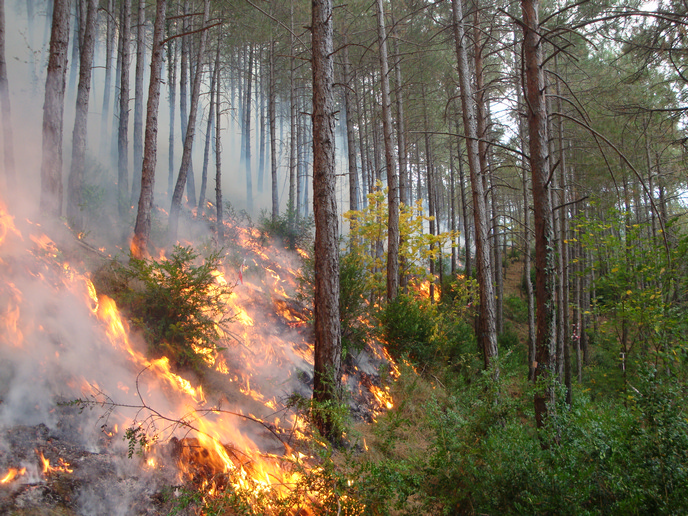
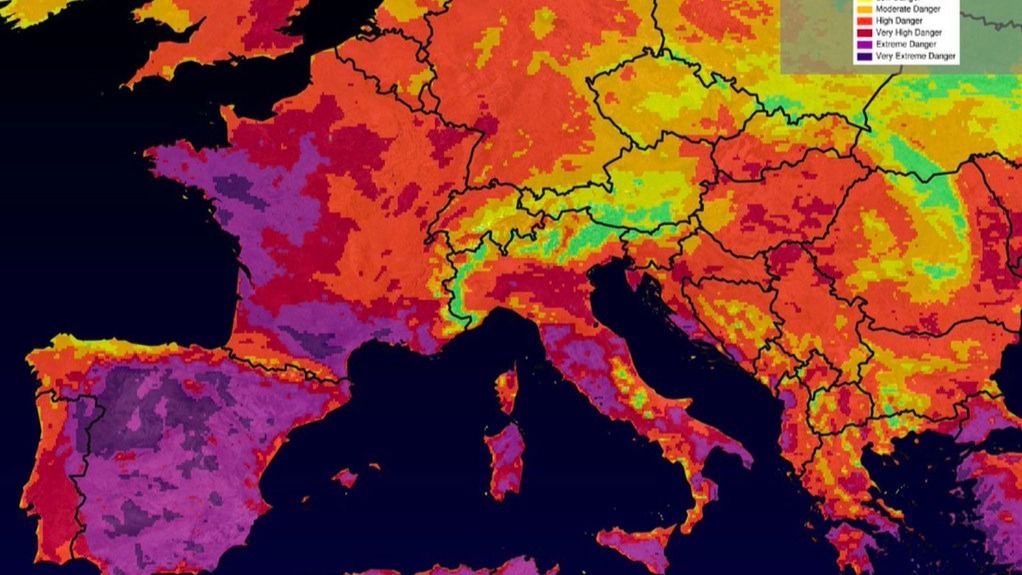
In the summer of 2025, Europe experienced one of its worst seasons in terms of wildfire damage: a total burnt area of 1 034 552 hectares(opens in new window) was recorded, marking a significant increase from the previous year. The numbers confirm an upward trend: wildfires are becoming more frequent and intense, posing a serious societal and environmental threat.

The EU-funded FIRE-RES(opens in new window) project is pioneering an integrated approach to address extreme wildfires, focusing on science-based multifunctional resilient landscapes, economic incentives for maintaining them, multi-actor governance and advanced technological solutions for enhanced preparedness, detection and response efforts.

A new fire management plan

Traditional wildfire strategies in Europe have focused mainly on early detection and suppression. However, with extreme wildfire events increasing rapidly, this by itself is no longer enough.

“FIRE-RES promotes a shift towards landscape resilience and integrated fire management (IFM), which considers wildfires as part of a broader socio-ecological system rather than an isolated emergency,” says FIRE-RES project coordinator Antoni Trasobares.

To that end, employing the IFM approach means consolidating prevention and preparedness, detection and response, and post-fire restoration and adaptation into a single coordinated framework. This approach involves not only firefighters, but also farmers, foresters, land planners and local communities, who become key players in creating more resilient landscapes.

From concepts to real-world applications

The project has set up 11 Living Labs across the EU and in Chile to test its proposed solutions in real-environment settings and assess how different approaches perform across diverse wildfire scenarios.

The 34 innovative actions implemented include the demonstration of landscape-based prevention strategies – for example combining grazing, forestry and farming practices to reduce vegetation fuel and create natural fire breaks. “These solutions not only lower fire risk but can also support rural livelihoods by linking wildfire prevention to productive land use,” Trasobares adds.

FIRE-RES is also testing new governance and incentive mechanisms, including linking fire-resilient land management to local value chains. The introduction of the Fire Wine(opens in new window) brand is a notable example illustrating how prevention can be financially beneficial for local communities.

Cutting-edge tools to improve prevention and response

FIRE-RES developed and tested monitoring, modelling and decision-support tools together with the end users. These include drone-based fire detection systems, pseudo-satellites for real-time monitoring, improved wildfire risk maps and digital platforms integrating environmental data with operational information for firefighters and land managers.

“By providing more accurate and timely information, these tools help authorities plan interventions, allocate firefighting resources more effectively and improve safety for response teams,” Trasobares says.

Launched simultaneously with the project, the Open Innovation Challenge(opens in new window) extended an open call to stakeholders (innovators, entrepreneurs and researchers) to submit proposed solutions to challenges associated with extreme wildfire risk. The positive reaction led to actions that can successfully be integrated into real operational workflows.

Green gains

Reducing wildfire risks and managing incidents when they occur are crucial for environmental health. By developing strategies that support sustainable land use, FIRE-RES has contributed to protecting ecosystems that are critical for carbon storage, biodiversity and rural livelihoods.

Project work has also supported European targets such as reducing accidental fires, lowering emissions from wildfires and improving the resilience of protected areas, offering a robust basis for implementing the Nature Restoration Regulation(opens in new window) in Europe.

Europe as a wildfire-resilient territory

The solutions and tools developed by the project were designed with a long-term vision in mind: to maintain application long after project closure. To that end, FIRE-RES has adopted an extended framework, whereby the network of Living Labs will continue scaling up successful practices and sharing the knowledge acquired.

“FIRE-RES aims not only to deliver new tools but also to build a lasting culture of integrated wildfire management across the continent,” Trasobares concludes.

“By providing more accurate and timely information, these tools help authorities plan interventions, allocate firefighting resources more effectively and improve safety for response teams,” Trasobares says.

Launched simultaneously with the project, the Open Innovation Challenge(opens in new window) extended an open call to stakeholders (innovators, entrepreneurs and researchers) to submit proposed solutions to challenges associated with extreme wildfire risk. The positive reaction led to actions that can successfully be integrated into real operational workflows.

Photo: © Míriam Piqué, CTFC
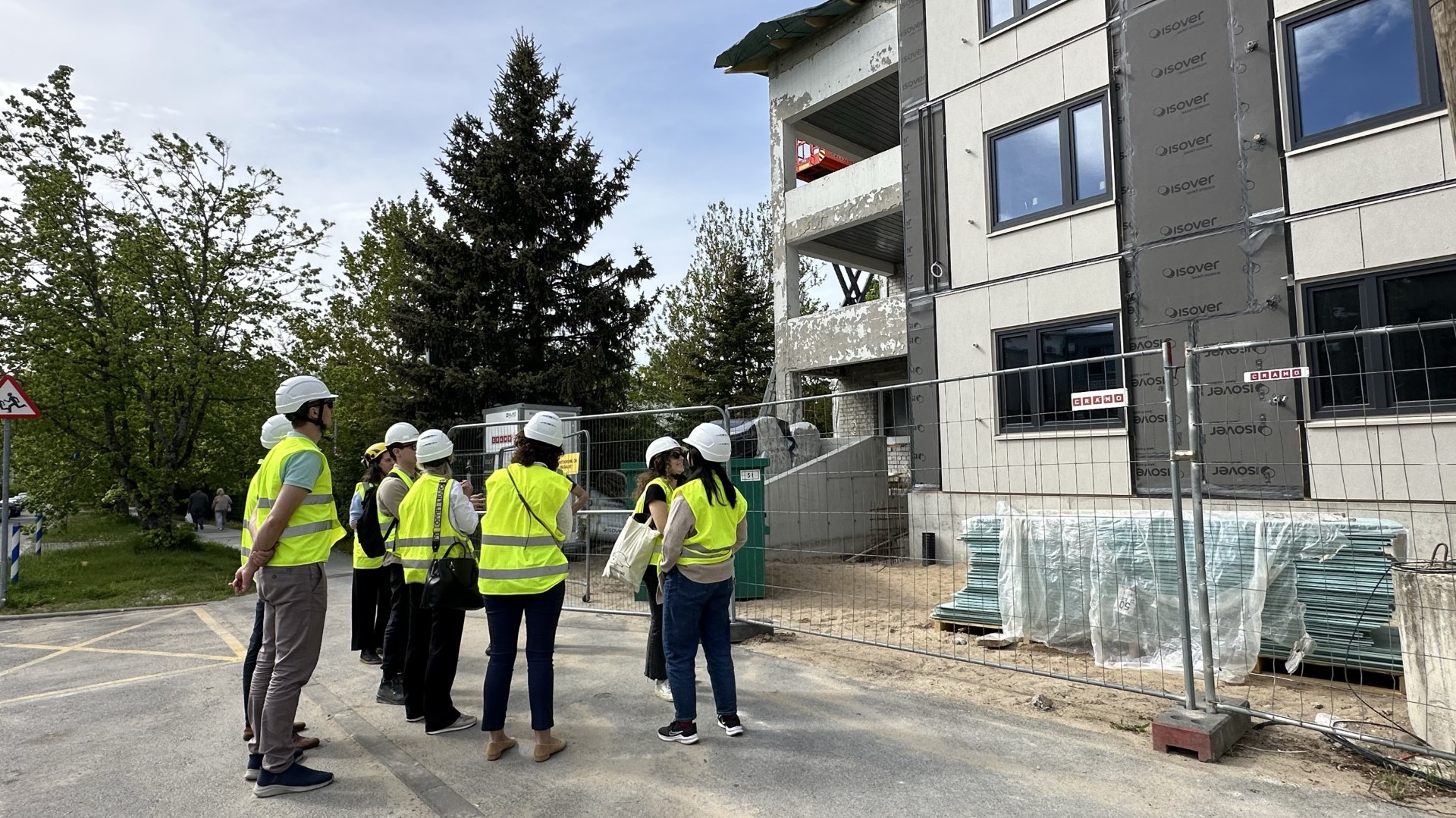
This model simplifies the renovation process while guaranteeing both energy savings and indoor comfort

The EBENTO project, funded under the European Union’s Horizon Europe programme and led by ETRA I+D, has unveiled a groundbreaking new framework for Energy Performance Contracts (EnPCs) that redefines how energy renovation is delivered across Europe. Fully integrated into the EBENTO one-stop-shop digital platform, this model simplifies the renovation process while guaranteeing both energy savings and indoor comfort.

Traditionally, energy renovation contracts have focused solely on achieving technical upgrades and specific energy savings targets. EBENTO’s innovative approach takes this further by incorporating comfort guarantees and demand-response features, ensuring that renovations create not only energy-efficient but also healthier, smarter, and more affordable living and working environments.

A New Generation of Energy Performance Contracts

The EBENTO EnPC framework represents a major shift in how building renovation projects are planned, delivered, and experienced. Comfort is treated as a measurable outcome rather than a secondary benefit. Under the EBENTO model, factors such as indoor air quality, stable year-round temperatures, and lighting that supports wellbeing are built directly into the contract, making comfort a central performance goal.

The framework also enables flexible energy consumption through demand response, allowing buildings to interact intelligently with the wider energy grid. By shifting consumption to times when electricity is cleaner and more affordable, occupants can lower their energy bills while supporting a more sustainable and resilient energy system.

Each EBENTO contract is tailor-made to reflect the unique context of the project— whether it involves a housing cooperative, a municipal retrofit, or a private homeowner. This customization ensures fairness, transparency, and relevance for all stakeholders involved.

Another core feature is trust through transparency. Clear responsibilities, transparent monitoring, and verified performance indicators ensure that clients and contractors

share a common understanding of results, reducing uncertainty and building long-term confidence in renovation outcomes.

Finally, the model incorporates innovation at every level. EBENTO opens the door to new business models such as “comfort-as-a-service,” where users pay for delivered performance rather than equipment. It integrates digital monitoring, smart energy management technologies, and flexible financing solutions, helping projects adapt to future needs.

Pilots Across Europe

EBENTO’s new Energy Performance Contract model is currently being tested in four European cities: Valencia (Spain), Athens (Greece), Tallinn (Estonia), and Manchester (United Kingdom). These pilot projects are exploring how the model can benefit different types of communities—from municipal buildings to cooperative housing—and are providing valuable insights to ensure that the framework is both practical and scalable.

A Step Forward for Europe’s Renovation Wave

Europe’s push for large-scale building renovation is not just about insulation or renewable technologies; it is about creating trust, lowering barriers, and making energy efficiency more accessible. By combining comfort, transparency, and flexibility, EBENTO’s new contract framework offers a solution that benefits citizens, energy service companies, and public authorities alike.

According to ETRA I+D, the project coordinator, “EBENTO’s framework shows that energy renovation can be simple, transparent, and human-centred. By linking performance to comfort and by leveraging digital tools, we are making the process more effective and appealing for everyone involved.”

Looking Ahead

By embedding this contract model within the EBENTO one-stop-shop platform, the project is creating a comprehensive digital tool that supports all actors in the renovation value chain—homeowners, cooperatives, municipalities, ESCOs, and energy providers. The result is a new generation of energy renovation agreements that reduce costs, cut emissions, and enhance wellbeing, all under one reliable and user-friendly system.

EBENTO demonstrates that the future of energy renovation is not only technical—it is personal. Energy efficiency can be smart, fair, and comfortable.

Image: EBENTO (Tallin pilot)

About EBENTO

EBENTO (Energy efficiency Building Enhancement through performance guarantee Tools) is a Horizon Europe-funded project led by ETRA I+D, is aiming to develop an integrated platform for all actors involved in building and renovation sector to provide one-stop-shop to better coordinate and manage Energy Performance Contracting, bringing together the needs from all actors involved in enhancing the building stock.

For more information, visit: https://ebentoproject.eu/

How effective are the nature-based solutions implemented in Bulgaria, Romania and Slovenia? A new report compares their climate adaptation strategies, highlighting challenges and opportunities

The EU-funded ARCADIA(opens in new window) project has published a report(opens in new window) comparing the effectiveness of nature-based solutions (NbSs) across the regions of Plovdiv (Bulgaria), Centru (Romania) and Podravje (Slovenia). This in-depth analysis furthers the project’s efforts to accelerate the adoption of NbSs and guide European regions and communities towards climate resilience.

In its analysis of NbS-driven climate adaptation strategies across the three European regions, the report focuses on governance structures, risk assessments, stakeholder engagement and financial frameworks. By exploring regional adaptation goals and transformational targets, it identifies best practices, systemic challenges and opportunities for scaling up NbSs.

Adaptive governance is key

A vital takeaway is the important role that adaptive governance plays in the success of climate resilience efforts. The Podravje region’s centralised governance model may ensure streamlined decision-making, effective policy execution and clear accountability that increase the effectiveness and scalability of NbS projects, but it also risks ignoring localised priorities. In contrast, the decentralised approach adopted in the Plovdiv and Centru regions may foster inclusivity, but it also requires stronger coordination to avoid governance fragmentation.

As regards climate risk assessment and monitoring, the comparison shows that Podravje’s tech-driven, dynamic monitoring system makes it possible to accurately predict and mitigate floods, landslides and other climate risks. The report recommends that Centru and Plovdiv shift from reactive, static climate risk assessments towards adaptive, real-time, data-informed decision-making.

In terms of NbSs and regional adaptation goals, Slovenia leads in NbS integration by aligning policy, funding and implementation. The report highlights the need for Bulgaria and Romania to adopt a system-thinking approach to NbSs, ensuring policy coherence and cross-sectoral collaboration. Slovenia takes the lead in stakeholder engagement and multi-level coordination too, with an inclusive governance model that facilitates meaningful collaboration among government agencies, businesses, NGOs and civil society. However, Bulgaria and Romania’s regions are found to be in need of institutional reforms to align stakeholder engagement with national and regional adaptation strategies.

In the sphere of financial mechanisms and funding challenges, Podravje’s results-based financial model offers a scalable framework for other regions. The report recommends that the Plovdiv and Centru regions improve fund allocation transparency, aligning funding mechanisms with clear performance metrics to improve accountability and ensure that climate adaptation financing is results-driven.

Overall, as the comparative analysis reveals, while the Podravje region’s centralised, performance-based approach fosters institutional coherence, financial efficiency and structured stakeholder participation, the region needs to improve localised adaptation responsiveness. As for the Plovdiv and Centru regions, although benefiting from decentralised governance and EU financial support, they must overcome the obstacles of policy fragmentation, inefficient fund allocation and weak NbS integration.

The ARCADIA (TrAnsformative climate ResilienCe by nAture-baseD solutions in the contInentAl bio-geographical region) report concludes: “To accelerate transformative climate resilience, regions must balance centralised efficiency with decentralised flexibility, integrate real-time risk assessment mechanisms, and scale up NbS implementation through structured financial and governance reforms. Cross-border collaboration and shared knowledge frameworks will be instrumental in closing existing adaptation gaps and ensuring sustainable, climate-resilient regional development.”

The QBE AcceliCITY Humanitarian Challenge is a unique cross-sector collaboration between Australian Red Cross, QBE Foundation and Leading Cities, focused on scaling community-led solutions for climate resilience

Communities are facing the sharpest rise in climate-driven emergencies in modern records: 2024 was confirmed as the warmest year on record (≈1.55°C above pre-industrial), global disaster losses reached ~$368 billion, and the UN projects the world could face ~560 disasters per year by 2030—with a persistent protection gap leaving most losses uninsured. These trends are overwhelming local systems and pushing cities, NGOs, and utilities to look for solutions that work in the field, not just on paper. In response, Leading Cities is opening applications for the QBE AcceliCITY Humanitarian Challenge 2025, a global call to equip frontline communities with ethical, scalable technology that helps people prepare for, respond to, and recover from climate-driven events. 

The QBE AcceliCITY Humanitarian Challenge is a unique cross-sector collaboration between Australian Red Cross, QBE Foundation and Leading Cities, focused on scaling community-led solutions for climate resilience. Selected innovators will co-design with frontline users, receive targeted mentoring through the Humanitech innovation curriculum and AcceliCITY programming, and pilot in real-world settings with the support of the Red Cross Red Crescent Movement—pilots valued at up to AUD $100,000 to adapt and test where it matters most. The program’s architecture is designed to tackle the practical barriers that typically stall promising ideas—procurement, compliance and safeguarding, systems integration, and community trust—so pilots can convert into durable services.

“This isn’t another showcase—it’s a pathway,” said Michael Lake, President & CEO of Leading Cities. “Communities are adapting in real time, often without the tools they deserve. Our goal is to connect ethical, field-ready tech with the partners and resources that move solutions from concept to deployment—and from pilots to sustained local impact.”

This year’s call focuses on solutions that turn complex climate risk data into clear local insights so people can act early; simplify how residents access recovery support without retelling their story or navigating a maze of services; and help communities self-organize as conditions change—seeing who needs what, where, and when. Solutions don’t need to be perfect; they need to be grounded in real needs, backed by capable teams, and ready to grow.

To strengthen the bridge from pilot to scale, the 2025 cycle emphasizes ethical-by-design guardrails (data protection, privacy, do-no-harm), localization and implementation support alongside pilots, and evidence and measurement that cities and funders recognize—so outcomes like avoided losses, cost savings, and equity impacts are documented in a way that accelerates adoption.

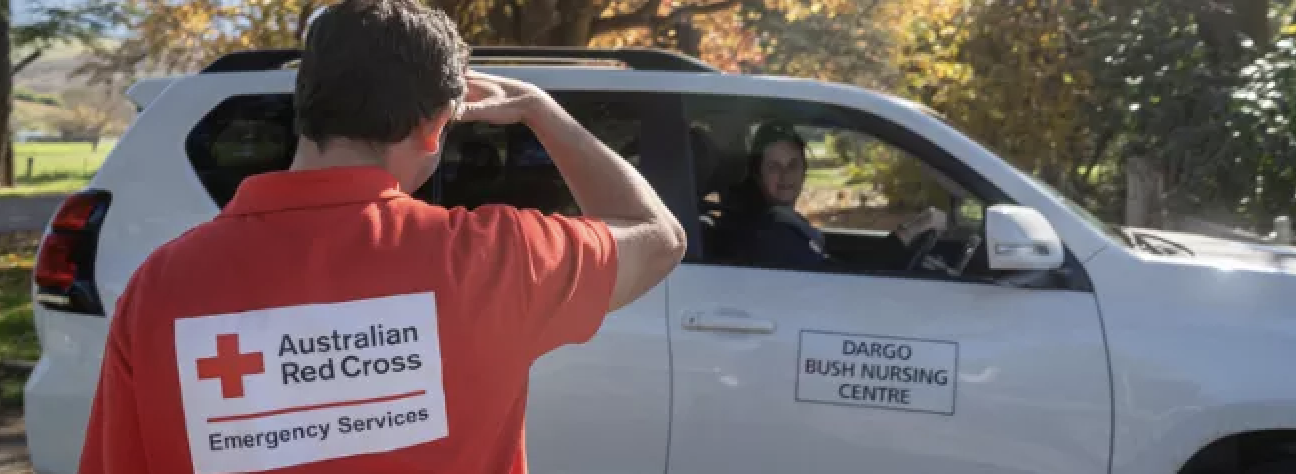
The model builds on demonstrated results. Since 2018, the QBE AcceliCITY partnership has vetted thousands of solutions and supported startups from more than 70 countries, helping them raise over $2.2 billion in private capital and more than $1 billion in revenue while engaging cities and national partners. In 2024, the Humanitarian Challenge winner was WEO, based in Luxembourg, who piloted digital-twin mapping in Dargo, Australia—a town repeatedly hit by fires and floods—and is now exploring opportunities to scale across other high-risk communities.

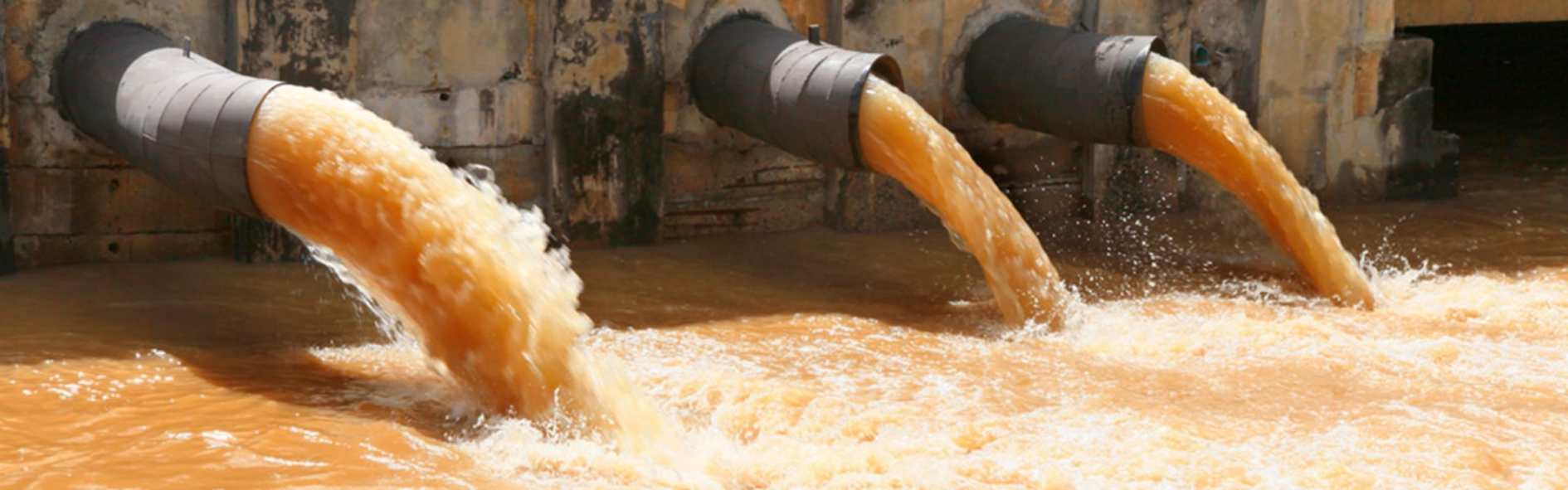
The food and beverage industry spend large quantities of water in its streams. Digital tools can improve resource management and promote sustainable production systems

Water is essential for the production of food and beverages, a sector that ranks among the most water- and energy-intensive globally. With climate change, rising water costs, and increasing pressure to reduce industrial pollution, there is growing demand for smarter ways to manage this precious resource.

Turning wastewater into a valuable resource

The EU-funded AccelWater(opens in new window) project aimed to optimise water management in the food and beverage industry by reducing freshwater consumption, minimising wastewater discharge, and promoting the recovery of valuable by-products.

“Our ambition was to demonstrate that wastewater in the food and beverage industries is a valuable resource that, when treated properly, can support circular water use and sustainability goals,” says project coordinator Zisis Tsiropoulos.

AccelWater deployed circular water systems in Greece, Spain, Italy and Iceland across demonstration sites of dairy, brewing, tomato, meat processing, and fish farming industries. At each demo site, the project adapted a tailored strategy and implemented treatment technologies such as ultrafiltration, membrane bioreactors, electrodialysis and ultraviolet disinfection.

With the power of IoT and AI tools, the consortium developed monitoring and control technologies to support the implementation of integrated circular water systems. This allowed them to reuse treated water more efficiently and reduce their environmental footprint.

Innovative solutions for water reuse

A key objective of AccelWater was to recover energy and valuable materials from waste streams. In Greece, over half of the treated wastewater was reused in cooling towers and for irrigating adjacent agroforestry areas. In Italy, the demo site was installed on seasonal tomato processing industry. Water-saving measures resulted in an estimated reduction of 4 000 m³ per year.

In Spain, the meat-processing demo site reused around 25 % of treated wastewater for cleaning purposes. At the Icelandic demo site, which focused on the fish processing industry and aquaculture, the technologies deployed led to a 30 % reduction in freshwater consumption.

“Despite various challenges, AccelWater achieved substantial reductions in freshwater use and wastewater discharge, proving that circular water systems can exist with high-impact benefits in the food and beverage industries,” emphasises Tsiropoulos.

Putting by-products into good use

AccelWater also explored how by-products could be recovered and transformed into high-value products. In Greece, by-products from brewery and dairy were valorised to create protein shakes and bars.

In Italy, the consortium extracted lycopene and seed oil from tomato residues that can be used in cosmetics, packaging, and pharmaceuticals. In Iceland, aquaculture sludge was turned into a soil enhancer for legumes, while haem-iron compounds from fish blood were extracted and can be utilised in pharmaceutical-grade iron supplements.

Smart water systems

The consortium employed digital technologies such as IoT and ICT systems to develop a platform that enables real-time monitoring and offers predictive control of both water and energy flows. The generated systems combine sensors, actuators, AI-powered dashboards, and machine learning algorithms to track water quality, consumption, and process performance. This allows parameter optimisation and detection of maintenance issues, supporting faster decision-making on the factory floor.

Several of the project’s outputs have already been commercialised or adopted by other industries and public authorities.

“Our integrated approach shows that circularity in industrial water systems is a practical and economically viable solution,” concludes Tsiropoulos.

EU-funded researchers are developing strategies to protect people from rising temperatures, focusing on vulnerable groups and clearer climate-health communication.

 By Vittoria D’Alessio

The environmental impact of climate change – shifting weather patterns or vanishing biodiversity – is widely recognised. But do we truly understand the toll rising temperatures are taking on human health?

Members of the Climate-Health Cluster, an EU-funded network of European researchers, do not think so. Their mission is to measure these health risks and develop strategies to protect people as the planet warms.

To do this, they are creating protocols to safeguard vulnerable people during extreme heatwaves and offering recommendations to make health systems more responsive to the evolving threats posed by climate change.

Why focus on health?

A major part of their work is finding effective ways to communicate these risks. According to Professor Cathryn Tonne, an environmental epidemiologist at the Barcelona Institute for Global Health, many people remain indifferent to the global climate crisis.

“Concepts like net zero, rising sea levels, or melting ice caps can feel distant and abstract. To make these issues more relatable and urgent, we need to highlight their importance for health,” said Tonne, who coordinates CATALYSE, a five-year EU-funded research initiative running until September 2027.

“There are serious health implications to climate change, but we have not been very effective at explaining these to the public, nor the health benefits of climate action.”

Clear and consistent messages

CATALYSE, one of a cluster of six EU-funded research projects on climate and health, brings together a team of researchers from 10 EU countries, plus Switzerland and the UK. One of the areas they study is how the impacts of climate change are communicated to the public.

Tonne pointed out that climate messaging has shifted over time, creating confusion.

“Wood heating was once promoted as a climate-friendly option, only for later evidence to reveal its negative impact on air quality,” she said. Similarly, a shift from gasoline to diesel vehicles was initially seen as a good thing for the climate, until the air pollution data emerged.

Climate change as a health issue

Tonne believes that reframing climate change as a health issue is key to mobilising both people and policymakers.

“We believe this would ultimately lead to more policy engagement, ideally with EU countries speeding up the implementation of EU climate policies.”

The underlying idea is simple. The more people realise climate change endangers lives, the more they may be willing to take action, which would ultimately benefit both the environment and health. But it is not always straightforward.

For example, the CATALYSE team is looking at the environmental benefits of bicycles and feels that the health aspect is not highlighted enough.

“We have a legally binding net zero target, but we need to ask which strategies are likely to deliver the most health benefits,” said Tonne. “Is it through clean energy generation, electric vehicles powered by renewable electricity, or – as we think – getting people out of cars and onto their bikes?”

Heat stress and warning programmes

Heat stress is another growing concern, particularly in Mediterranean countries. Europe saw more than 61 000 deaths in the summer of 2022 and over 47 000 in 2023, according to official estimates and peer-reviewed studies.

Globally, the World Health Organization estimates that climate change will cause at least 250 000 additional deaths per year between 2030 and 2050.

To tackle this, the researchers are gathering data and working with meteorological agencies to develop early warning systems. The aim is to send personalised warnings to vulnerable groups, such as older women, advising them to stay indoors or take extra precautions on days when they are at high risk.

Outdoor workers at risk

Another group of concern is outdoor workers. In Europe, between 800 000 and 1 million seasonal outdoor workers are hired each year, mainly in agriculture, which puts them at a growing risk of heat-related illness. In most cases, these are migrant workers.

Over the past three years, CATALYSE researchers have collaborated with NGOs from Spain, Italy and Austria to gather data during peak summer months. Their goal was to better understand the extent of the extreme heat exposure risk among outdoor workers and develop recommendations to protect them.

“The working and living conditions of these workers are often appalling, and extreme heat is making it so much worse,” said Tonne.

 Life in the “orchard of Europe”

Daniel Izuzquiza, the director of SJM-Jesuit Migrant Service, an NGO collaborating with CATALYSE, shared insights from Spain’s Almeria region, dubbed the “orchard of Europe”.

“It’s a very hot region in the summer and people work under stressful conditions, compounded by poor housing,” he said. “Many live in shacks or shanty houses with little ventilation, meaning they endure dangerously high temperatures day and night.”

Few structural measures address this reality, and those that do exist, such as whitewashing greenhouses, seem to be more targeted at the wellbeing of crops than people, according to Izuzquiza.

Perhaps the most alarming finding is how normalised these conditions have become. “People need access to drinking water and better housing. We need to raise awareness among employers, workers and consumers about how migrant workers live and how conditions need to improve.”

Making climate-health links visible

For Tonne and her colleagues, the challenge is not just scientific, but communicative: making the link between climate and health visible, urgent and actionable.

That means crafting clear, consistent messages and reframing climate action as an investment in wellbeing, not just an environmental necessity.

“The more people understand that climate change endangers lives, the more likely they are to support policies that protect both the planet and public health,” said Tonne.

By recognising these connections, Europe can ensure that, as we work to protect the environment, we also safeguard the health and wellbeing of everyone.

Research in this article was funded by the EU’s Horizon Programme. The views of the interviewees don’t necessarily reflect those of the European Commission.

By Vittoria D’Alessio

This article was originally published in Horizon the EU Research and Innovation Magazine.

Greenhouse gases are warming our planet, causing extreme weather and harming the health of populations across the globe

As we come ever closer to the 1.5°C global warming limit, set in the 2015 Paris Agreement, it's clear that it isn't enough to just limit the amount of new greenhouse gas emissions – we also need to remove existing greenhouse gases from our atmosphere and restore them to solid earth.

So just what are greenhouse gases, how do we know how much to remove, and what happens to them afterwards?

Experts from across Oxford have given their answers to some of the most pressing questions when it comes to removing greenhouse gasses from our atmosphere.

What are greenhouse gases?

The emission of greenhouse gases is the major driver of our changing climate, but what are they and why are they called that?

Philip Stier is Professor of Atmospheric Physics in the Department of Physics and Director of Intelligent Earth – Oxford's UKRI AI Centre for Doctoral Training in AI for the Environment.

As Professor Stier explains, greenhouse gases are gases that absorb infrared radiation.

Infrared radiation is emitted from the surface of the Earth, normally escaping to space, keeping Earth's radiation in balance with absorbed sunlight, and therefore Earth's temperatures stable.

As the amount of greenhouse gases in the atmosphere increases, the amount of absorbing gas in the atmosphere is raised.

The levels from which radiation can escape to space are also raised to levels higher than the atmosphere.

As the atmosphere is colder at higher levels, less radiation is emitted to space, therefore, as more greenhouse gases are introduced to the atmosphere, the amount of radiation that can be emitted to space is reduced.

This warms the planet, as we can't then balance incoming solar radiation.

The analogy with greenhouses, though, Professor Stier suggests, is somewhat misleading.

Greenhouses warm themselves via a different mechanism, keeping the heat absorbed from solar radiation, rather than letting it escape.

Aerosols differ from greenhouse gases, but also have a critical impact on our changing climate.

Essentially, aerosols are small particles in the atmosphere, basically air pollution, Professor Stier explains, but they can also come from natural sources.

They scatter sunlight back to space and make clouds brighter, compounding the scattering of light back to space.

Therefore aerosols cool the Earth, and quite substantially at the moment – around 0.5°C.

As we continue to clean up air pollution, we therefore reduce a cooling effect, accelerating global warming.

What is net zero?

The term net zero is a common part of our language when we talk about action towards climate change, but what does it mean, and how do we get there?

Thomas Hale is Professor in Public Policy (Global Public Policy) at the Blavatnik School of Government.

Net zero, he says, means reducing our emissions to about 80 to 90% less than what they are today.

Myles Allen is Head of Atmospheric, Oceanic and Planetary Physics in the Department of Physics, and Professor of Geosystem Science in the School of Geography and the Environment.

The reason net zero works, Professor Allen explains, is that if we reduce the rate at which we put carbon dioxide (CO₂) into the atmosphere to zero, and allow nature to continue to take carbon dioxide out of the atmosphere, that's enough to draw down CO₂ concentrations in the atmosphere just fast enough to stop temperatures rising any further.

To achieve net zero emissions, Professor Allen highlights the most important thing that we need to do – reducing the rate at which we are producing carbon dioxide from activities like the burning of fossil fuels and deforestation.

We also to scale up our ability to remove greenhouse gases like carbon dioxide from the atmosphere and put them back underground.

There are many innovative ways this can be done, Professor Allen says, but ultimately, net zero has to mean a like for like balance of carbon dioxide coming from fossil sources with carbon dioxide committed to permanent disposal.

This is what is called geological net zero – a balance at the Earth's crust.

What is a carbon budget?

Setting a budget for the amount of carbon that can be emitted into the atmosphere is a useful tool for global climate action. But what does the carbon budget entail, and who sets it?

Cameron Hepburn is Battcock Professor of Environmental Economics in the School of Geography and the Environment's Smith School of Enterprise and Environment.

If we want to stop the planet warming, the have to get our human-caused emissions down to zero in time to stop warming to a level like 1.5 or 2°C.

Thomas Hale, Professor in Public Policy (Global Public Policy) at the Blavatnik School of Government, highlights just how long our carbon emissions stay in the atmosphere for.

The carbon that powered the first steam engine, he says, is still up there in part. What we emit now will still be in the atmosphere for our children, and their grandchildren.

We need, therefore, to think of this as a long-term cumulative problem.

budget in this case, helps you understand how much of a rise in temperature you will face, depending on levels of emissions.

The carbon budget, Professor Hepburn explains, is set by the Intergovernmental Panel on Climate Change, the IPCC.

At the moment, it is estimated that there are 2-300 billion tonnes of CO₂ left in the budget before we hit the 1.5°C temperature threshold, but the problem is that there is no global consensus on how to divide this budget out.

So, as Professor Hale explains, we need to find equitable solutions for a fair and effective distribution of the carbon budget, which as Professor Hepburn states, only has a single digit number of years left until it is exceeded.

How do we remove greenhouse gases?

In addition to reducing our greenhouse gas emissions, we're going to have to remove existing greenhouse gases, especially carbon dioxide (CO₂) from our atmosphere – this is called carbon dioxide removal.

Just how possible is this, and can we work with nature to find solution?

Nathalie Seddon is Professor of Biodiversity in the Department of Biology and the founding Director of the Nature-based solutions Initiative (NbSI).

There's an enormous amount evidence, Professor Seddon argues, to demonstrate the essential role that nature has to play in the removal of carbon dioxide from the atmosphere.

Cameron Hepburn, Battcock Professor of Environmental Economics in the School of Geography and the Environment's Smith School of Enterprise and Environment, highlights that there are also industrial ways to remove carbon dioxide from the atmosphere.

This would include the scaling up of chemical processes where CO₂ can be stored underground in rocks, where it won't end up back in the atmosphere any time soon.

Professor Hepburn also highlights the key role of nature in carbon dioxide removal, noting that the restoration of nature could also buy us more time to sort some the problem of climate change.

What happens once you remove greenhouse gases?

There are two main ways in which carbon dioxide (CO₂), can be removed from the atmosphere. But once it's removed, where does it go?

Nick Eyre is Emeritus Professor of Energy and Climate Policy and was the founding co-Director of the University's ZERO Institute.

As Professor Eyre explains, the first is neatly done by green plants, turning carbon dioxide into plant proteins.

The second is through a more geo-engineering approach.

This is where carbon dioxide is sucked out of the atmosphere and pumped underground into geological storage.

Once carbon dioxide is captured, and purified, it needs to be compressed. Under sufficient pressure, 15 atmospheres, it becomes a liquid.

As Professor Myles Allen, Head of Atmospheric, Oceanic and Planetary Physics in the Department of Physics, and Professor of Geosystem Science in the School of Geography and the Environment, explains, this makes it slightly more dense than hydrocarbon fuels, allowing it to be injected into rock formations.

This needs to be done safely though, and as Professor Allen points out, it's a racing certainty that we need to remove carbon dioxide from the atmosphere due to the continued emissions of greenhouse gases.

Source: https://www.ox.ac.uk/climate-and-environment/removing-greenhouse-gases

Two EU-funded projects met to promote collaboration, share progress and tackle common challenges in advancing bioremediation. Their goal is to combat environmental pollution

The EU-funded BIOSYSMO(opens in new window) and MIBIREM(opens in new window) projects have a common goal: to sustainably remediate contaminated environments using microbes. On 19 and 20 March 2025, the two projects’ partners held a joint meeting to find ways to work together to advance bioremediation as a stand-alone solution to environmental pollution.

During the event, BIOSYSMO and MIBIREM researchers presented case studies, emerging technologies and different integration strategies. The presentations focused on the development and application of advanced microbial consortia – communities of two or more bacterial or microbial groups living symbiotically – as well as multiomics approaches and systems biology as a way to achieve more predictable and robust microbial remediation. Emphasis was also placed on joint efforts to design decision support systems, boost stakeholder engagement and align bioremediation practices with policy frameworks across the EU.

“A major takeaway was the importance of advancing digital tool development,” according to the press release(opens in new window) posted on the BIOSYSMO website. “In this regard, BIOSYSMO is focused on computational design and systems-level modelling of microbial solutions, while MIBIREM is oriented toward field implementation and site-specific optimisation. Together, these strengths offer a foundation for the co-development of decision-support systems that integrate biological, chemical, and environmental data.” The possibility of setting up a shared repository for microbial consortia and multiomics data was also explored as a way to support standardisation, ensure reproducibility, and enhance interoperability between datasets and models.

In a session dedicated to field studies, researchers discussed the importance of testing microbial strategies under realistic conditions. Updates were given on the status of field trials, technology readiness, and challenges related to scalability, heterogeneity and engineering constraints.

A shared case study

The second day of the event was devoted to the hexachlorocyclohexane (HCH) case study on which the two projects are collaborating. “The session showcased a coordinated effort to investigate degradation pathways and evaluate microbial performance across contaminated sites in Spain, Italy, and Germany.”

Insights were shared on experimental work under way at Sabiñánigo, an industrial site in Spain with well-documented HCH pollution. The work focuses on microbial selection, community stability and performance evaluation in site-specific conditions. Complimentary work being performed on HCH-affected sites in Italy and Germany was also outlined.

Topics discussed included performance losses after cryopreservation, the promise of immobilisation techniques, and the possibility of integrating genomic and culturomics(opens in new window) data to design more effective microbial consortia. The ongoing regulatory challenges faced by both projects were also emphasised, as was the need for standardised qPCR(opens in new window) primer sets, harmonised monitoring protocols and stronger science-policy dialogue.

The meeting highlighted the mutual benefits to be gained by both BIOSYSMO (BIOremediation systems exploiting SYnergieS for improved removal of Mixed pOllutants) and MIBIREM (MIBIREM – Toolbox for Microbiome based Remediation) through continued integration. “Both projects expressed commitment to long-term cooperation in data exchange, toolkit development, and regulatory alignment, laying the groundwork for positioning microbiome-based bioremediation as a credible and scalable solution within the European environmental policy framework,” the press release reports.

HKUST Researchers Introduce World’s First High-Resolution Global Groundwater Sulfate Distribution Map Uncovering Public Health Risks

A recent study by the Hong Kong University of Science and Technology (HKUST) has revealed a startling public health threat: About 17 million people are at risk of gastrointestinal problems due to excessive sulfate levels in groundwater. This alarming finding emerged from the world’s first high-resolution global groundwater sulfate distribution map, launched by the university’s School of Engineering.

While groundwater is a vital source of drinking water for billions of people, the consumption of groundwater with high sulfate concentration can directly cause diarrhea and dehydration, with elevated risks among infants, seniors, and other vulnerable populations. Moreover, sulfate exacerbates arsenic contamination in water and triggers the release of heavy metals from pipeline corrosion, indirectly leading to other health conditions and economic costs. For instance, the United States alone incurs an estimated USD 22 billion annually in corrosion-related costs in water supply systems.

“Unfortunately, sulfate levels in groundwater often go unmonitored. This overlooked yet critical issue has far-reaching implications for public health and water infrastructure,” said Prof. CHEN Guanghao, Chair Professor of the Department of Civil and Environmental Engineering and a co-corresponding author of the present study.

A Breakthrough in Water Quality Assessment

To investigate the scope of the problem, Prof. Chen and his team developed a high-resolution map by employing advanced data-driven methods. After analyzing over 17,000 sulfate concentration measurements alongside global geospatial datasets of variables, they successfully generated a pioneering 1-km resolution map.

As the first of its kind, the map serves as a practical tool for the assessment of water quality. It highlights sulfate excessive hotspots and identifies key contributing factors, which include natural elements such as precipitation patterns and sedimentary geology, as well as human activities like fertilizer application and mining operations.

With the help of this map, the research team established that approximately 194 million people worldwide are exposed to water with sulfate concentrations exceeding 250 mg/L, a threshold recommended by the World Health Organization (WHO). At this level of contamination, people may experience unpleasant taste in water.

Even more alarmingly, an estimated 17 million people face substantial health risks because they live in regions where sulfate concentrations surpass 500 mg/L – levels associated with gastrointestinal issues.

The results have been published in the prestigious journal Environmental Science & Technology, in an article titled “Understanding the Global Distribution of Groundwater Sulfate and Assessing Population at Risk.”

Implications for Public Health and Policy

“Our findings have opened up a much-needed global perspective, equipping decision-makers with data to prioritize intervention strategies and safeguard water quality in vulnerable regions,” postdoctoral researcher Dr. ZHANG Zi, another co-corresponding author of the paper, remarked.

The map pinpoints hotspots of sulfate exceedance in regions like South Asia and North Africa, where billions rely on untreated groundwater for drinking. While natural geological conditions dominate as contributors in some areas, anthropogenic factors such as industrial discharge and agricultural practices play a more significant role elsewhere. This variability underscores the importance of region-specific sulfate mitigation strategies.

The first author of this paper, PhD student XIAO Chengyu, pointed out that sulfate contamination not only threatens human health, but also has broader environmental consequences.

“High sulfate levels can lead to ecological damage by promoting eutrophication in water bodies, releasing harmful nutrients like phosphorus. With climate change and urbanization intensifying, sulfate exceedance is expected to worsen, further jeopardizing global water quality and availability,” she elaborated.

Conducted in collaboration with Princeton University, City University of Hong Kong, and Beijing Institute of Technology, this study sheds light on the urgent need to incorporate sulfate into global water safety management practices. It provides a critical framework for policymakers, water resource managers, and researchers to design effective and sustainable solutions amid growing environmental and public health challenges.

Page 1 of 4

Featured

Most Read

We use cookies

We use cookies on our website. Some of them are essential for the operation of the site, while others help us to improve this site and the user experience (tracking cookies). You can decide for yourself whether you want to allow cookies or not. Please note that if you reject them, you may not be able to use all the functionalities of the site.