Healthtech

Healthtech articles focus on advanced technologies like AI, IoT, and big data that are revolutionizing healthcare. Discover how these innovations create smarter, more accessible medical solutions.

Reaching vulnerable women with targeted screening and vaccination approaches can help to reduce cervical cancer deaths

Comprehensive screening programmes and early diagnoses are critical elements in the fight against cervical cancer, the fourth most common cancer affecting women worldwide. Screening programmes can be used for example to detect the human papillomavirus (HPV), the virus that causes cervical cancer.

“Many European countries have implemented HPV vaccination and screening programmes,” notes CBIG-SCREEN(opens in new window) project coordinator Marc Bardou from the University of Burgundy(opens in new window) in France. “While these countries have seen a decline in cervical cancer deaths, we appear to have reached a plateau.”

This, say experts like Bardou, is because certain vulnerable groups such as women in precarious socio-economic situations, or women living with HIV, are not being reached enough by these life-saving programmes – and these are groups that are most at risk.

The EU-funded CBIG-SCREEN project, coordinated by the National Institute of Health and Medical Research(opens in new window) (Inserm) in France, sought to address this challenge.

Examining impact of vaccination programmes

To achieve its aims, the project brought together healthcare professionals, behavioural economists, social scientists and communication experts to develop more tailored and effective interventions. The project team wanted to better understand how at-risk groups could be encouraged to participate in screening programmes

“The idea was to develop communication programmes that not only reach everyone but are adapted to reach those that are hardest to reach,” explains Bardou. “We also wanted to convince policymakers of the importance and potential benefits of such approaches.”

Academic research was combined with fieldwork. The project examined the organisation and impact of screening programmes from across Europe, but focused in particular on three European countries from different regions: Estonia, Portugal and Romania.

Better targeting vulnerable groups

“Several important findings came out of this work,” says Bardou. “For example, out of the 22 European countries that responded to our survey, only six demonstrated a proper understanding that certain groups of women are vulnerable to a higher risk of developing cervical cancer.”

Furthermore, the project team found that even countries which claimed to have screening programmes tailored to vulnerable women actually did not have any.

The project also identified several key factors preventing many women from being screened. These included a fear of being diagnosed, as well as embarrassment and shame related to contracting HPV. These were significant drivers of non-attendance and were reported across all European countries.

In Portugal, one of the target countries, text messaging was trialled as a means of engaging, educating and encouraging vulnerable, economically disadvantaged women to participate in screening programmes. This was found to be unsuccessful. In Romania however, free HPV self-sampling was successfully taken up. However, the project found that many samples were not properly collected.

“This showed that we need to be effective in communicating how to properly administer tests,” adds Bardou. “There was huge interest in self-sampling, but women need to be guided.”

Combined screening and vaccination

These findings will now be built upon in a follow-up EU project entitled HPV-FASTER-Implement. In the project, the team is looking to offer HPV screening and vaccination at the same time to vulnerable women aged between 25 and 45. Bardou and his team believe that by reducing the number of interactions required, underserved populations can be better protected.

“We also learned from CBIG-SCREEN the importance of bringing policymakers on board,” says Bardou. “We also want to increase health literacy about cervical cancer prevention, not only among women but also among health professionals. We need everyone on board.”

BUILD promotes person-centred, integrated care across Europe with input from older adults requiring care, caregivers and other stakeholders

How do we prevent inequalities in long-term care, especially given Europe’s ageing population? Launched in 2024, the EU-funded BUILD project set out to map care systems across Europe and study how social inequalities affect access and outcomes.

Now in its final year, BUILD is shifting its focus from research and evidence gathering to the active development of solutions aligning care systems with the realities faced by older adults with complex health needs, their caregivers and the professionals supporting them. To do this, it is combining stakeholder engagement, policy analysis and co-creation processes that can point the way to more person-centred, integrated care (PC-IC) throughout the EU.

Exploring scenarios, informing policy

A central pillar of this new phase is the organisation of innovative scenario workshops. These serve as a platform for older care receivers and informal caregivers to share their perspectives on the role of technology in PC-IC. The workshops use fictive yet realistic stories grounded in existing technologies as thought experiments. Participants critique these scenarios, identifying what works and what does not, in this way clarifying their own preferences. This process empowers them to co-create a shared vision for care systems that meet their needs today, rather than waiting for a distant tomorrow.

BUILD is also developing evidence-based policy and governance recommendations. These insights will soon be refined through co-design workshops involving stakeholders in five countries and consultations with the project’s Association Board, whose members include policymakers, academics, long-term care experts, gerontologists, older people with complex care needs and older people’s associations.

Ultimately, the goal is to produce a comprehensive co-design framework and toolbox. Targeted primarily at policymakers and stakeholders operating at the meso level, these resources will provide practical guidance on using participatory methodologies to co-create PC-IC solutions. The framework incorporates a social-return-on-investment approach, establishing a baseline structure for participatory processes with relevant stakeholders. The toolbox – which supports care system improvements beyond the project’s lifetime – will be made available to the public once finalised.

The consortium is currently synthesising these diverse data strands into a unified BUILD baseline strategy. A critical milestone is scheduled for June 2026, when partners will convene in Vienna to finalise the architecture of the common BUILD framework. This gathering will set the stage for the project’s final conference in early 2027, a major event designed to bring together policymakers, researchers and care professionals to discuss the future of integrated long-term care in Europe.

Focus on accessibility

Underpinning all these efforts is the project’s commitment to inclusion, which extends to its digital presence. Recognising that long-term care must respond to the unique needs of every individual regardless of ability, BUILD has integrated a specialised Accessibility Menu(opens in new window) into its website. Located in an orange circle at the bottom-left of the screen (or accessible via the CTRL+U keyboard shortcut), this tool allows visitors to tailor their browsing experience to their specific visual, cognitive or motor requirements. By ensuring their knowledge is accessible to all, the BUILD (Building ecosystems of person-centered integrated care through co-creation) project demonstrates that the path to better care begins with treating every person with equal dignity.

The NextGen project integrates genomics and clinical data into AI systems to revolutionise the prevention, diagnosis and treatment of cardiovascular diseases

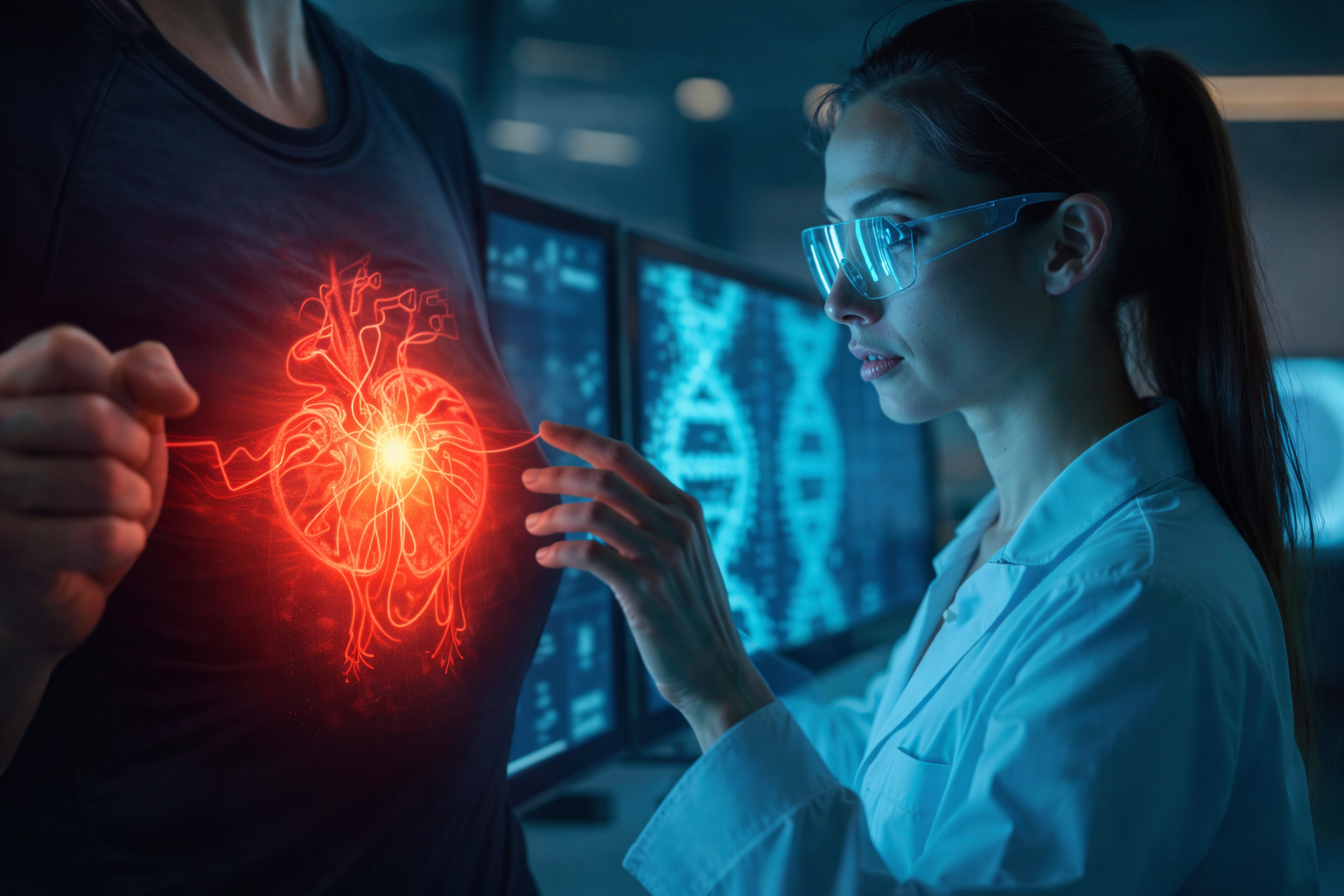
The EU-funded NextGen(opens in new window) project is transforming cardiology by merging genomic sequences with clinical data into a secure ‘digital fabric’. This breakthrough enables AI models to deliver truly personalised therapies for heart disease patients across Europe.

Cardiovascular disease remains the leading cause of death globally, yet current treatments still rely on a one-size-fits-all approach. Launched in 2024, NextGen is working to change this. By integrating multiple data types from different sources into advanced AI systems, it seeks to transform the way in which heart conditions are prevented, diagnosed and treated.

The path to interoperability

The core challenge NextGen addresses is data fragmentation. Critical patient information currently exists in silos: genomic sequences in one database, cardiac imaging in another and clinical history in yet another. What is more, there are strict privacy laws and incompatible data formats to contend with, which further hinder the creation of comprehensive patient profiles. The NextGen consortium is developing a set of tools to remove these barriers, creating an interoperable environment where diverse data types can coexist securely, and enabling clinicians to make more informed, patient-specific decisions.

At the heart of this initiative is the creation of a digital fabric. By combining genomic data with cardiac imaging and clinical records in a single interoperable system, the project provides the secure, high-quality foundation needed to train robust cardiovascular AI models. Steffen Petersen, a professor at NextGen project partner Queen Mary University of London, explains in a press release(opens in new window) posted on the European Society of Cardiology website: “Clinicians rely on a wide range of clinical information to diagnose disease, predict risk, guide treatment and monitor outcomes. However, health data science has not yet fully captured the power of multimodal data such as symptoms, signs, electrocardiograms, blood tests, and imaging. Bringing these data together is crucial for advancing data-enabled innovation in healthcare, and NEXTGEN represents a major step forward.”

NextGen tools will ensure that health data remains meaningful and usable across different hospital systems and countries without losing its original clinical context. A strong emphasis is also placed on data privacy and governance, meaning that researchers will be able to share and use relevant cardiovascular datasets without transferring or exposing sensitive patient information. This secure interoperability is particularly important as European healthcare systems become increasingly interconnected.

Patient-centric and ethical by design

Consortium members are focused on establishing standards for data reusability and privacy, ensuring that patient trust remains paramount as digital health capabilities expand. It is therefore embedding the appropriate ethical constraints directly into the system, creating built-in safeguards that ensure data is used responsibly and which give patients greater control over their information.

The project has several real-world pilot programmes underway, involving five collaborating clinical sites working together within a dedicated network. The pilots will demonstrate the effectiveness of the NextGen (NEXT GENERATION TOOLS FOR GENOME-CENTRIC MULTIMODAL DATA INTEGRATION IN PERSONALISED CARDIOVASCULAR MEDICINE) tools, and their potential as a solution for the effective delivery of personalised medicine across Europe.

Once considered impossible, restoring movement after paralysis is becoming a reality thanks to EU-funded researchers who have developed a device that reconnects the brain to the body

Spinal cord injury (SCI) remains one of the most devastating neurological conditions, severing communication between the brain and the body and leaving millions worldwide with permanent paralysis.

Despite decades of research, restoring movement after spinal cord injury has remained one of neuroscience’s most intractable problems.

An EU-funded initiative supported by the European Innovation Council offers a new route: a fully implantable brain–spine interface that reconnects mind and body, offering fresh hope against paralysis.

“Treating patients with paralysis remains one of the greatest challenges of humanity,” said Professor Grégoire Courtine, the neuroscientist at the École Polytechnique Fédérale de Lausanne, Switzerland, who led the breakthrough research.

He said researchers have tried for decades – and failed – to regrow neurons and fibres with biological approaches.

“We have completely changed the approach. Instead of trying to repair the actual injury, we are focusing on what is intact below the injury, but disconnected from the brain,” added Courtine, who has pioneered new ways to restore movement after paralysis using spinal stimulation and neurotechnology.

A digital bridge across the injury

The EU-funded ReverseParalysis project, built around research led by Courtine, has developed a new generation of brain–spine interfaces designed to restore both lower- and upper-limb function in people living with SCI.

Rather than relying on damaged nerve pathways, the system creates a “digital bridge” that links brain and spinal signals directly. By combining advances in neuroscience, bioengineering and AI from teams in the Netherlands, Switzerland and France, the technology bypasses the site of injury, allowing nerve communication to resume.

After SCI, movement signals from the brain can no longer reach the muscles. In this approach, a small implant reads signals from the brain’s motor cortex, translates them into commands, and relays them to a spinal implant positioned below the injury.

This delivers precise electrical stimulation to the nerves controlling muscles, so that thinking “walk” triggers the legs to move.

Until recently, most technologies focused on helping people adapt to paralysis – wheelchairs, walkers or exoskeletons – rather than restoring movement itself.

From breakthrough to first steps

Under the care of neurosurgeon Dr Jocelyne Bloch at Lausanne University Hospital, the first patient to receive the prototype implant was David Mzee, a sports education student paralysed in a gymnastics accident.

In the run-up to surgery, he was competing at the Wheelchair Rugby World Cup. Courtine attended one of his matches with his newborn daughter.

“David looked her straight in the eye and said, ‘I will walk before you’,” said Courtine. “Eight months later, on a beautiful day at Lake Geneva, he did exactly that. He made the first steps ever in the history of paralysis patients. It was a very, very special moment.”

Not only did Mzee learn to stand and walk with support, he also went on to qualify as a sports teacher and now works at a vocational school.

“I’m still dependent on a wheelchair, but with a spinal cord injury at the neck level, every small improvement makes a big difference. Each bit of regained function really counts,” Mzee said.

Building on this breakthrough, the three-year ReverseParalysis project, completed in 2025, achieved results once considered out of reach: two people with complete spinal cord injuries regained the ability to stand and walk, while two others recovered movement in their arms and hands, allowing them to perform everyday tasks again.

Dr Vincent Delattre, co-founder of ONWARD Medical, a neurotechnology company based in Eindhoven, the Netherlands, which coordinated the ReverseParalysis project, is now working to turn these laboratory results into a product for clinical use.

“One of our participants was able to eat something by himself for the first time in years,” he said. “He picked up a sausage and took a bite. When you see the smile on that person’s face, that is enough to drive everything we do.”

Relearning movement

For people living with SCI, even small gains in mobility can transform daily life, reducing dependence on carers and restoring a sense of autonomy.

Yet SCI is highly complex: injuries vary in location and severity, making it difficult to decode brain signals accurately and translate them into smooth, natural movement. Each success also revealed how much there is still to understand about relearning lost skills.

To tackle this, the ReverseParalysis team integrated machine learning algorithms that adapt to each individual user. These systems continuously refine how brain signals are interpreted, improving performance over time. Advances in electrode design have also enabled precise targeting of neural pathways within the spinal cord.

“It is not a cure; it is a first step in a recovery process,” said Delattre. “With intensive training, patients can improve and may even regain some function without stimulation.”

Expanding the horizon

The team is now applying its expertise to other challenges linked to paralysis. One focus is stabilising blood pressure, a common but often overlooked complication of SCI that can cause dizziness and fatigue, and reduce quality of life.

Using targeted spinal stimulation, the researchers aim to help patients sit upright for longer, take part in therapy and carry out daily activities more safely.

The technology may also benefit stroke survivors. While a stroke does not damage the spinal cord, it disrupts the brain’s ability to control movement. The goal is to strengthen and stabilise the remaining signals to restore function.

The next challenge for ONWARD Medical is to turn specialised laboratory systems into practical, self-contained devices that can be widely used in clinical settings. This step – making the technology accessible to more patients – may still be 5 to 10 years away.

As Delattre puts it, the boundaries of recovery after SCI are shifting. “We are pushing beyond the limits of what was previously thought possible.”

This article was originally published in Horizon the EU Research and Innovation Magazine.

Text: Allison Jones

Photo: Researchers have built implants linking brain signals to movement in paralysis patients. © Jimmy_Ravier_EPFL

With chronic kidney disease affecting over 100 million Europeans and costing around EUR 140 billion annually, EU-TRAIN helps address the urgent need for more accurate diagnostics

For patients with end-stage kidney disease, an organ transplant can be their best hope for recovery. Yet despite medical advances such as immunosuppressive drugs, around 10 % of kidney transplants are rejected within the first year, says Maud Racapé from the French National Institute of Health and Medical Research(opens in new window).

“With so many factors involved, predicting rejection is challenging,” says Racapé, coordinator of the EU-TRAIN(opens in new window) project. “Our EU-TRACER tool uses relevant clinical, immune system, genetic and biomarker data to quantify individual risks.”

Accessible through a secure web-based interface, EU-TRACER helps clinicians assess patients in real time for early signs of rejection, alongside high or low risk of complications, to avoid unnecessary invasive procedures.

“Incorporating non-invasive biomarkers and gene expression data into care parameters could improve prediction accuracy by around 30 %,” adds Racapé.

Multidimensional data for risk stratification

EU-TRAIN combined an existing database of over 5 000 kidney transplant recipients with new data gleaned from two patient studies.

In the first, machine-learning techniques and advanced statistical modelling analysed thousands of data points from 554 patients to ascertain if both new and previously identified biomarkers could help predict transplant rejection.

“Many of the biomarkers tested, informed by previously published results(opens in new window), did not significantly improve rejection predictions compared to standard monitoring, highlighting the importance of real-world testing,” notes Racapé. “The exception was CD4, a protein that activates other immune cells, alongside so-called ‘circulating anti-HLA DSA’, blood antibodies that attack transplanted organ proteins.”

Leveraging AI-enabled precision medicine

These results informed the second study testing the AI-enabled EU-TRACER tool to evaluate if biomarker-guided monitoring safely reduced the number of biopsies performed within the first year of transplantation.

The tool’s algorithm, informed by select clinical, biological and immunological parameters relevant to rejection prediction – including a new promising non-invasive biomarker called donor-derived cell-free DNA (dd-cfDNA) – was applied to 342 new kidney transplant patients.

“Instead of doctors having to review separate patient charts, the algorithm aggregates the most predictive parameters,” explains Racapé.

Compared with a control group with standard compatibility monitoring, 64 % of biopsies were cancelled in the EU-TRACER group. There were similar rates of rejection, renal function, donor organ loss and death between both groups. “These results show that the EU-TRACER tool can be safely used to avoid invasive protocol biopsies,” notes Racapé.

The transition from research to clinical use

With chronic kidney disease affecting over 100 million Europeans and exerting annual health costs of EUR 140 billion(opens in new window), EU-TRAIN helps address the urgent need for more accurate diagnostics and effective treatments.

More broadly, the project contributes to European initiatives to advance personalised medicine(opens in new window) for improved healthcare outcomes.

The team is now extending the EU-TRACER Impact Study to assess if the tool can also avoid biopsies for suspected organ rejection. Meanwhile EU-TRACER will be further validated in larger more diverse patient populations, with new biomarkers fed into its predictive models.

“Our vision is to expand the platform to other organ transplants – already under way in heart transplantation – to help establish data-driven precision medicine as standard in transplant care,” concludes Racapé.

Thanks to the EU backing, French company ImpacTell is preparing to market its instrumented hammer that offers orthopaedic surgeons objective and reliable estimates of implant stability

The EU-funded Impactor project was launched in 2022 to develop an instrumented hammer – a medical device that allows surgeons to assess the stability of orthopaedic implants used in hip replacement surgery. By financing the first lab prototypes of the device and augmenting the research team with valuable expertise, Impactor contributed decisively to the establishment of French spin-off ImpacTell. The company is currently taking steps towards commercialising its instrumented hammers.

“It was this study of the feasibility of our technology that made it possible to consider the creation of a commercial company,” comments researcher Guillaume Haiat of Impactor project coordinator French National Centre for Scientific Research, describing the impact of the project that ended in 2024. The disruptive technology integrates – for the very first time – an AI-driven decision support system into a conventional surgical hammer that is equipped with sensors and embeds signal processing software.

Smart tech to surgeons’ aid

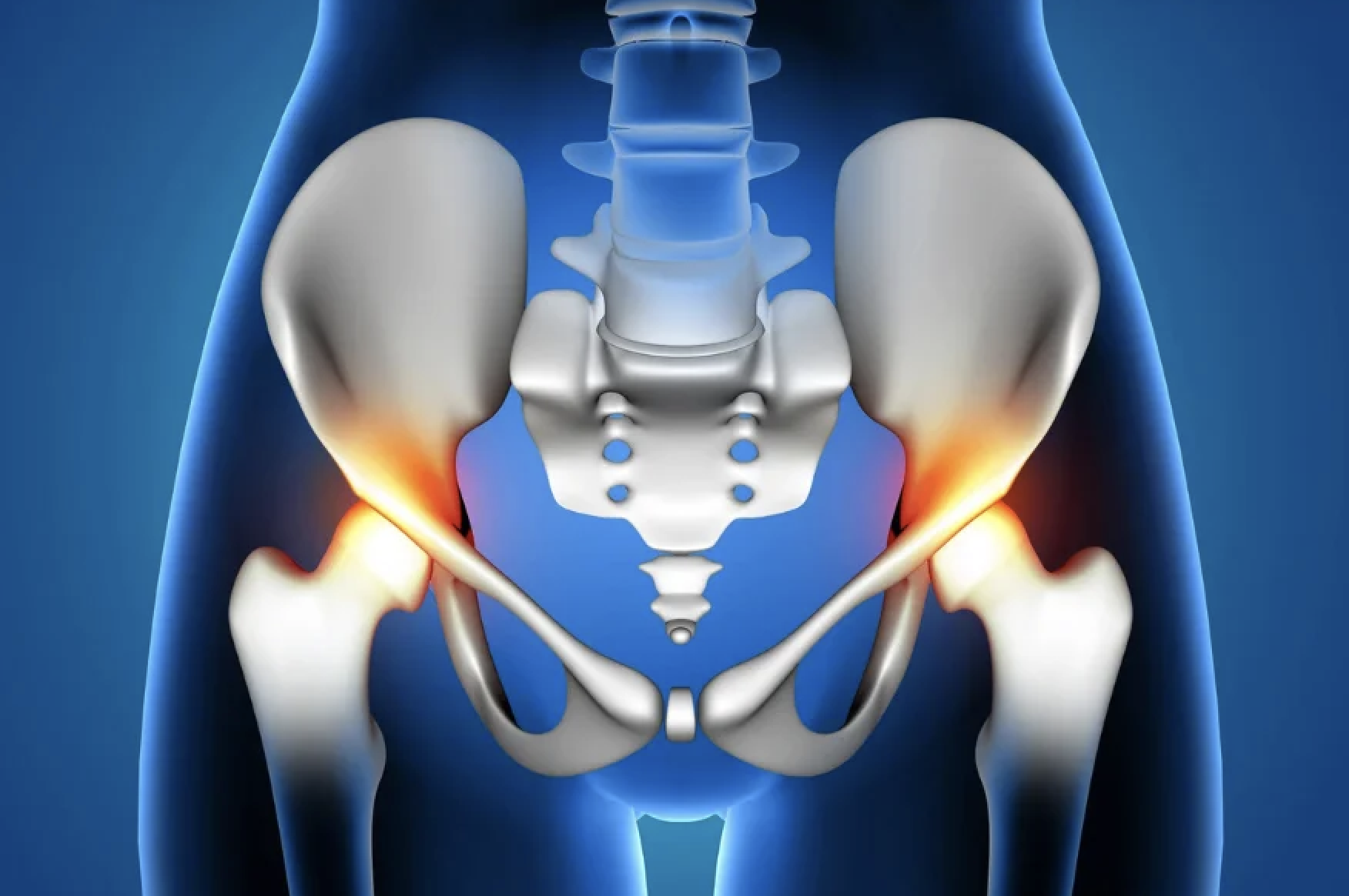
The aptly named SmartHammer fulfils the unmet clinical need for an actionable estimate of the stability of implants during the surgery. Currently, surgeons rely on empirical methods, such as listening to the sound produced when the instrument used to insert the orthopaedic implant is struck with a hammer. Based on this sound, they then adjust the intensity and number of hammer blows.

The SmartHammer includes a sensor measuring the resonance frequency of the bone-implant system during the impact. The score derived from this measurement allows surgeons to monitor the bone and implant interface during implantation and to detect the occurrence of fractures that may not be visible to the naked eye. Besides real-time fracture detection, the device provides an impartial and accurate quantitative estimate of implant stability, requiring no additional action from the surgeon as is the case with vibration techniques. “The measurement is instantaneous since it is performed during the same impact as that applied to drive the implant into the bone,” explains Haiat. He added that surgeons remain in control of their final decision since the measurement does not modify the surgical protocol.

The smart tool also helps reduce operating time. Surgeons on ImpacTell’s scientific advisory board estimate a reduction of 10-20 % in the time needed to insert implants, and even greater if cemented prostheses are avoided since this eliminates cement drying time.

Preparing for CE marking

Beginning with EUR 3 000 when it was established in 2022, the company has since raised over EUR 900 000 through grants, capital increases and convertible bonds. These funds have been used to finalise the development of the SmartHammer with the objective to acquire the CE mark indicating conformity with European health, safety and environmental protection standards by the end of 2026.

The SmartHammer promises to reduce the risk of aseptic loosening and peroperative fractures, enables wider implementation of uncemented procedures, improves patients’ quality of life and allows them to return to work more quickly. Once available on the market, SmartHammer, whose development was supported by Impactor (Development of an instrumented hammer to assess the stability of hip implant during surgery: assessment of the commercial feasibility), will greatly impact public health and its economy.

The ‘Life After’ feature shines a light on finished EU-funded projects and what they have achieved since the end of EU funding. If you are interested in having your project featured as a ‘Life After’ project, please send us an email to This email address is being protected from spambots. You need JavaScript enabled to view it. and tell us why!

Researchers have identified proteins in the blood that can detect amyotrophic lateral sclerosis with great accuracy up to 10 years before symptoms appear.

Research supported in part by the EU-funded BRAINTEASER and HEREDITARY projects has led to the identification of proteins in blood that can accurately detect amyotrophic lateral sclerosis (ALS) up to a decade before. These results, described in a paper published in the journal ‘Nature Medicine’, pave the way for an urgently needed early diagnosis of this disease. ALS is a rare, fatal neurodegenerative disorder that affects motor neurons controlling voluntary muscle contraction, leading to progressive weakness and muscle degeneration. 

The disease is rapid and irreversible, increasing in incidence with age, and in most cases sufferers have a life expectancy of 2 to 5 years after the onset of symptoms. Approximately 32 000 people in Europe live with ALS, for which no definitive diagnostic test currently exists.

The light at the end of the tunnel

The research suggests that blood proteins could be a reliable biomarker for this degenerative condition. The team of scientists analysed close to 3 000 proteins from more than 600 individuals, examining not only patients with active ALS but also blood samples donated by people years before any symptoms of the disease emerged. Using machine learning, they identified a distinct protein signature that effectively differentiates ALS cases from healthy individuals and other neurological disorders. 

The model they created diagnosed the disease with more than 98 % accuracy, distinguishing patients with ALS from healthy people and those with other neurological diseases. “We see the light at the end of the tunnel here, and that target is an approved and available blood test for ALS,” states study co-author Alexander Pantelyat of Johns Hopkins University School of Medicine in a news item posted on the university’s website. “With a test that allows for earlier detection of ALS, we have opportunities to enroll people in observational studies, and by extension, offer promising disease-modifying—and hopefully disease-stopping—medications, before ALS becomes debilitating.” By analysing blood samples from individuals before ALS symptoms emerged, the research team was able to estimate the age of clinical onset. 

They found that the disease process – which affects skeletal muscle, nerves and energy metabolism – occurs up to 10 years before any symptoms emerge. “We had always assumed that ALS was a rapid disease that starts 12 to 18 months before symptom onset,” remarks Pantelyat. “But when we look at our findings, we see this has been a process that goes on for a decade or so before the patient ever steps into the doctor’s office or clinic.” The unique set of plasma proteins identified that distinguishes ALS from healthy individuals and other neurological diseases includes the NEFL protein, a proven ALS marker. What makes this study a real breakthrough is the discovery of 16 additional protein

s that significantly increase ALS diagnosis accuracy. Identified using predictive modelling, these proteins show how proteomics and machine learning can offer new insights into complex diseases. 

The BRAINTEASER (BRinging Artificial INTelligencE home for a better cAre of amyotrophic lateral sclerosis and multiple SclERosis) project ended in June 2025. HEREDITARY (HetERogeneous sEmantic Data integratIon for the guT-bRain interplaY) ends in December 2027. 

The EU-funded i-NANOSWARMS project is developing intelligent self-powered nanosystems that can cooperate, communicate and interact among themselves, promising novel biomedical applications

Can nanobots be made to move collectively like flocks of birds and schools of fish? Replicating the complexity of movement and cooperative behaviour found in systems in nature is no small feat, but the i-NANOSWARMS project has accepted the challenge. The project is developing smart enzyme-powered nanobot swarms capable of propelling themselves using biocompatible and bioavailable fuels, and also of cooperating, communicating and interacting between each other and with their environment.

Since its launch in 2020, i-NANOSWARMS researchers have been working on how to engineer such complex swarm systems. They have been exploring how to make them move in 3D and how to use communication reactions to guide them to specific locations, as happens with a process called ‘chemotaxis’ in nature. “After this is achieved, practical applications in biomedicine can be envisioned,” states project lead Samuel Sánchez, an ICREA research professor hosted by the Institute for Bioengineering of Catalonia (IBEC), which is coordinating i-NANOSWARMS.

Key achievements

So far, the project team has successfully designed the collective motion of nanomotors that move in 3D, mimicking bioconvection. In terms of biomedical applications, swarms of nanobots are able to interact with complex media like mucus and synovial fluid – a thick liquid found between our joints – to improve the transport of small molecules.

i-NANOSWARMS researchers also introduced the concept of stigmergy into their work. This is a mechanism through which ants and termites communicate by releasing chemical signals that are received by the ants and termites following them. “In this project we used ‘troops’ that work together, where the first troop modifies a complex medium of high viscosity and then a second troop follows this chemically-physically generated path to efficiently transport the active ingredient,” explains Sánchez.

However, probably the most impactful work carried out within i-NANOSWARMS so far would be the research conducted using the swarming behaviour of urease-powered nanomotors for bladder cancer. The notable results attained in this area have made the project team a leader in the field. “For instance, we were the first ones to employ in vivo monitoring using medical imaging techniques on swarms of these nanobots,” observes the researcher. “Thereafter, we achieved impressive tumour reduction in bladder tumours in mice using radionuclide therapy and immunotherapy.”

Next for i-NANOSWARMS (Cooperative Intelligence in Swarms of Enzyme-Nanobots) is to transition from the inorganic nanomotors used in their work until now to organic, degradable motors approved by the European Medicines Agency and the U.S. Food and Drug Administration. Additional research will be conducted on nanobot communication, involving cascade reactions to guide them, chemotaxis and other guiding strategies. The team will also look further into different in vivo imaging techniques. To date, another two European Research Council projects have emerged from i-NANOSWARMS: OrthoBots and MucOncoBots. The two new Proof of Concept Grants are also coordinated by IBEC.

Researchers invent new artificial intelligence solutions to turn vast amounts of medical data into actionable insights

Genomes, proteomes, metabolomes, exposomes – when it comes to human cells and tissues, there’s no shortage of data. The question is: ‘what do we do with it’?

“We have vast amounts of data, but existing methods for dealing with this data are limited,” explains Natasa Przulj(opens in new window), a professor of Computational Biology at Mohamed bin Zayed University of Artificial Intelligence(opens in new window) in Abu Dhabi. “This makes it extremely difficult for the scientific and medical communities to actually use this data in practice.”

Artificial intelligence (AI) could help.

With the support of the EU-funded ICON-BIO(opens in new window) project, Przulj has developed advanced AI methods that can fuse vast amounts of data, transforming them into actionable information that can improve medical treatment.

From data to disease treatment

The project, which received support from the European Research Council(opens in new window), has successfully developed a number of AI methods that can help treat such diseases as various types of cancer, COVID-19 and Parkinson’s.

The solutions are designed to advance the personalisation of medicine. For example, several algorithms have led to the discovery of new biomarkers and drug targets. They can also be used to stratify patients into subgroups based on individual treatment needs.

“By producing state-of-the-art AI methods for precision medicine, our work is improving medical care for all,” says Przulj.

Simplicity the key to using AI methods

The ICON-BIO project stands out not only by being one of the first to develop new AI methods for multi-omics data fusion, but also by its commitment to simplicity.

“We quickly discovered that the more complex an AI method is, the less understandable and hence usable it becomes,” adds Przulj. “By keeping our solutions simple, we ensure that users can better understand and controllably and sustainably exploit the available data.”

Beyond being explainable and easy-to-use, the project’s AI methods are data and energy-efficient, meaning they are also sustainable solutions.

Inspiring future generations of female researchers and scientists

Przulj is now busy working on more sophisticated AI methods – methods that promise to bring medical data utilisation to the consumer. As part of this effort, Przulj plans to integrate her methods into an industry-ready precision drug discovery software platform. Once complete, the platform will be available for many precision medicine and pharmacology applications, including drug, target, and biomarker discovery.

But ICON-BIO’s legacy goes well beyond its scientific results. “As a female-led initiative, I hope our work inspires future generations of women to join the fast-paced and exciting field of artificial intelligence in biomedicine,” concludes Przulj.

Przulj notes that the project’s success could not have been achieved without the help of her outstanding scientific team, including Noel-Malod Dognin, a senior scientist in her lab.

Page 1 of 3

Featured

Most Read

We use cookies

We use cookies on our website. Some of them are essential for the operation of the site, while others help us to improve this site and the user experience (tracking cookies). You can decide for yourself whether you want to allow cookies or not. Please note that if you reject them, you may not be able to use all the functionalities of the site.