Circular economy

The project is expected to recover and valorise more than 960 tonnes of plastic waste annually, create 150 jobs, provide training in recycling and circular production to 150 people, and support the planting of 50,000 trees, directly benefiting 8,500 people and indirectly improving the lives of more than 28,300 residents of Bamako

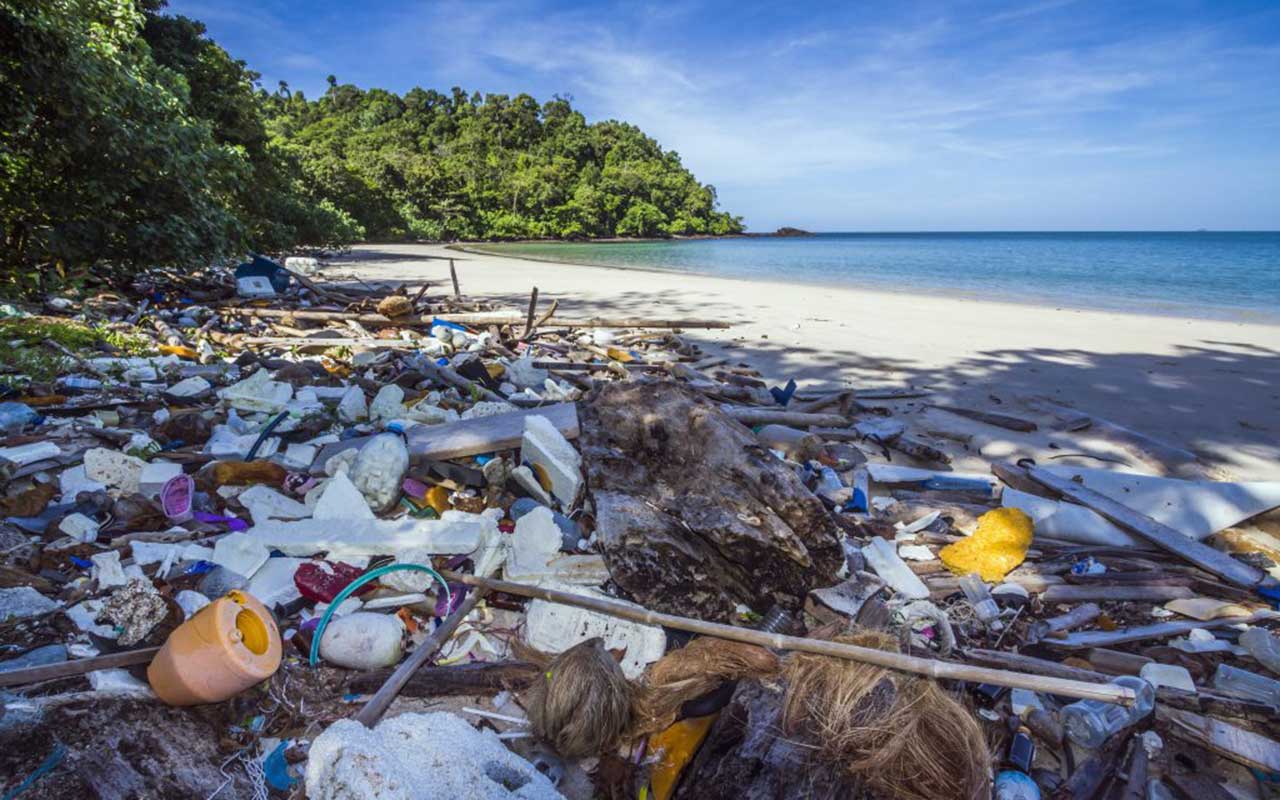
In a milestone for the circular economy in West Africa, Ayuda en Acción and adaPETation® (IMG Group) are proud to present the second phase of the innovative Bamagreen project, which transforms plastic waste into useful products for construction and electrification, as well as recycled flakes that reintroduce the material into the value chain. The project creates green jobs, promotes the social inclusion of young people and women, and strengthens the resilience of vulnerable and displaced communities in Bamako and the Ségou region.

The project, submitted through a consortium formed by Ayuda en Acción and IMG Group, has received funding from the Spanish Agency for International Development Cooperation (AECID), in line with its Sixth Master Plan and the Country Partnership Framework for Mali. This ensures that the intervention focuses on priority areas and contributes to strategic development objectives related to the circular economy, environmental sustainability, youth employment and social inclusion.

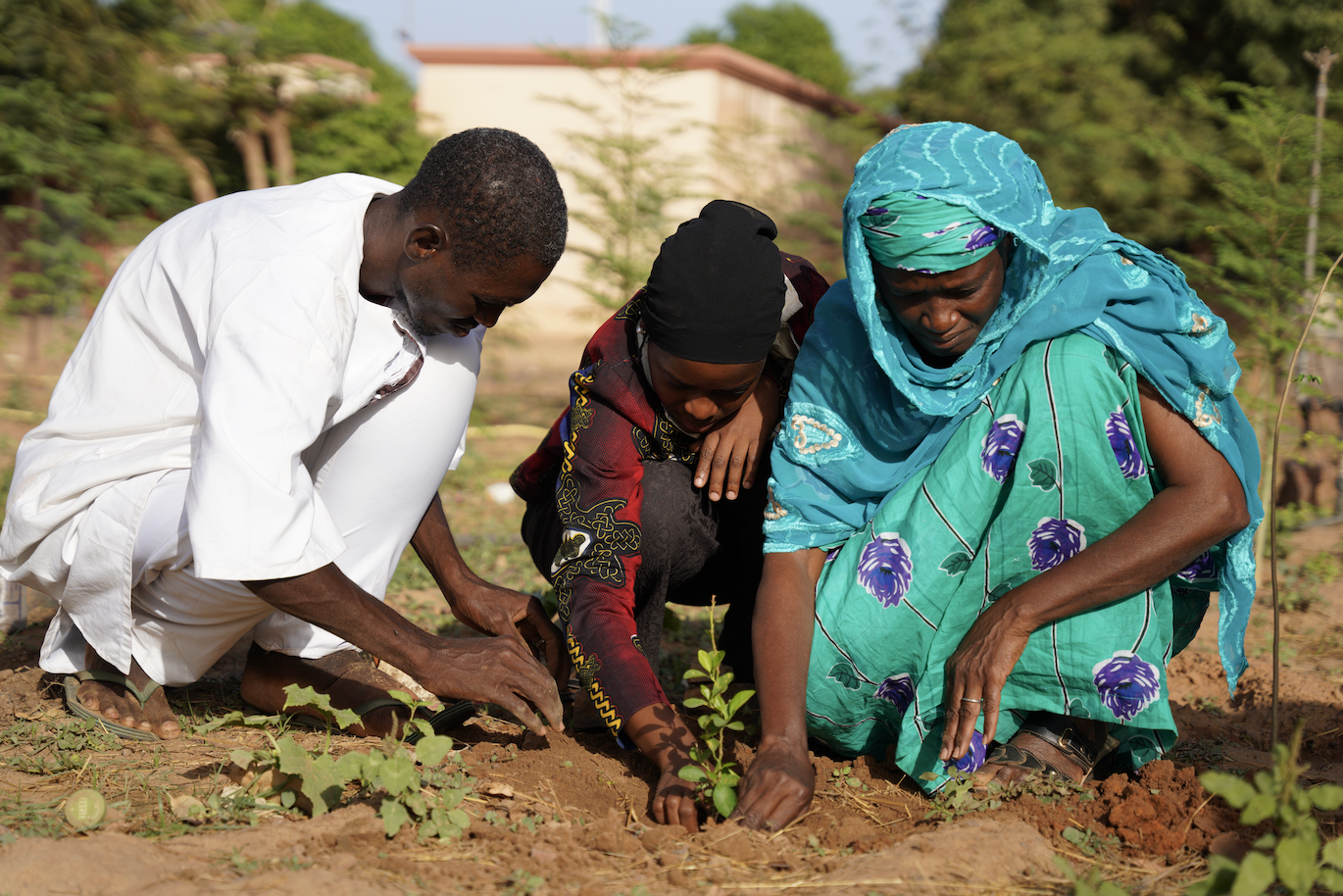
Bamagreen: Phase II forms part of Plastic2Prosperity, the global initiative of adaPETation®  (www.adapetation.net), which provides advanced recycling technology adapted to local conditions and combined with a community-centred approach. The project is expected to recover and valorise more than 960 tonnes of plastic waste annually, create 150 jobs, provide training in recycling and circular production to 150 people, and support the planting of 50,000 trees, directly benefiting 8,500 people and indirectly improving the lives of more than 28,300 residents of Bamako. 

"Bamagreen: Phase II demonstrates that it is possible to turn an environmental challenge into an opportunity. This project promotes decent employment, strengthens local capacities, and generates sustainable solutions led by the communities themselves, especially by women and young people. Thanks to the support of AECID, we are building a circular economy model with the potential to be replicated in other territories across Africa," said Marta Tietz Laranjinha, Regional Director for Africa at Ayuda en Acción.

The project builds on IMG Group’s experience in Portugal, where more than 200,000 tonnes of plastic waste have been recycled and transformed into high-quality products. In Mali, this technology is being adapted through semi-industrial machinery and scalable modular systems capable of processing up to 80 tonnes of plastic per month, combining production, technical training and environmental awareness activities.

Bamagreen: Phase II is rooted in a participatory local development approach, in which women and young people, particularly those in vulnerable situations, are the driving force behind the transition towards a fairer, more resilient and more environmentally sustainable model.

The intervention is based on a multi-stakeholder approach that brings together civil society organisations, the private sector, social enterprises, local authorities and government technical services in a strategic alliance to promote sustainable and replicable solutions.

By strengthening the technical, organisational and productive capacities of women and young people in the peri-urban areas of Bamako, and by coordinating actions among public, private and community stakeholders, the project will contribute to the creation of decent jobs, the reduction of plastic waste pollution and the improvement of local environmental sustainability.

This transformation will be achieved through a sequence of outcomes: first, the recycling value chain will be strengthened through collection, processing and commercialisation activities; second, green training and employment opportunities will be created; in parallel, reforestation and environmental awareness initiatives will be promoted; and finally, local innovation and knowledge management will be encouraged.

The project contributes directly to Sustainable Development Goal (SDG) 12.5 by promoting the reduction, recycling and reuse of plastic waste. From an environmental perspective, it also supports SDGs 13.2 and 13.3 by integrating climate change considerations into local policies and educational processes.

Bamagreen: Phase II further promotes youth employment and productive inclusion in line with SDGs 4.4 and 8.6. In addition, it incorporates a strong gender and youth perspective, aligned with SDGs 5.5 and 10.3, encouraging meaningful participation by women and fostering equal opportunities.

The programme offers a replicable and scalable model that combines technical efficiency, economic sustainability and social transformation. Its innovation lies in closing the plastic loop from collection to the production of certified materials, reducing dependence on imports, lowering the carbon footprint and creating skilled employment opportunities for young people and women.

Through Bamagreen: Phase II, Ayuda en Acción and adaPETation®, with the support of AECID, demonstrate that the circular economy can become a driver of inclusive development that is environmentally sustainable and economically viable in Mali.
Photo credit: Juan Luis Rod - Reforestation project Bamagreen: Phase II
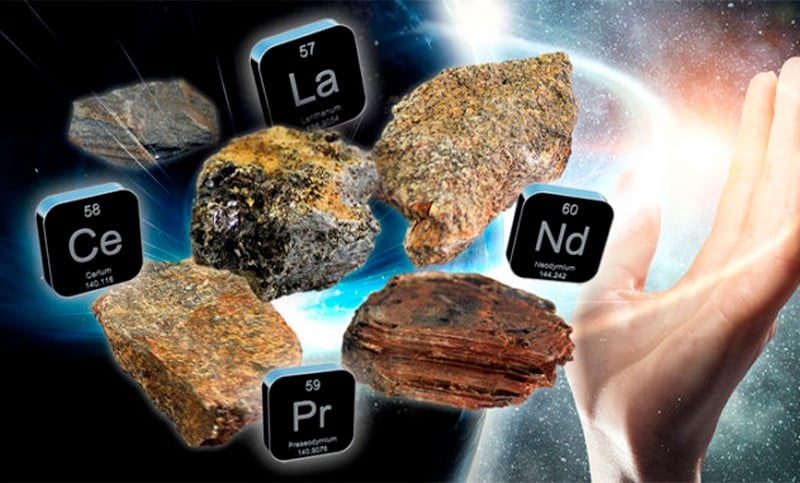
EU-backed research shows that exploiting just a few low-risk rare earth deposits could help the EU gain independence from China

The EU-funded REESilience(opens in new window) project was launched to help build a resilient and more sustainable supply chain for rare earth elements (REEs) needed for Europe’s green transition. In a recent analysis, REESilience researchers demonstrate that tapping into even a small share of the world’s low-risk rare earth deposits could greatly lessen Europe’s reliance on imports.

Europe relies on REEs for a number of key industries, including renewable energy and electric vehicles. REEs are crucial for manufacturing permanent magnets, semiconductors and other essential components in these technologies. While rare earth sources are available in abundance across the globe, their mining and refining is dominated by one country, China. Europe’s dependence on the world’s second-most populous country for REEs raises concerns about supply chain security and strategic autonomy. In recent years, the EU has made great progress in technologies that can separate, re-process and recycle rare earth magnets. However, there is still a long way to go before it can meet current demand on its own.

With this need in mind, REESilience researchers have focused on mapping availability, prices and quantity development of different REE sources not from China for the period between 2022 and 2035. Using available data from literature, industry and expert interviews, and covering both primary sources (mining operations) and secondary sources (recyclable end-of-life products), they have compiled a comprehensive inventory of material sources.

Looking at primary sources, the researchers analysed 149 REE deposits worldwide based on their environmental, social and governance (ESG) risk profiles. The results show that exploiting just a few of the world’s low-ESG-risk deposits could solve the EU’s REE supply challenges.

“A critical mineral supply chain can only be truly resilient if it is also sustainable, in the broadest sense. That’s why it’s important to consider ESG aspects before exploiting new rare earth deposits,” remarks Maarten Koese of REESilience project partner Leiden University, the Netherlands, in an ‘idw’ news item(opens in new window).

According to the analysis, high environmental risks are concentrated in ecologically sensitive zones such as Brazil, central Africa and south-east Asia. Social risks are concentrated in densely populated areas in Africa and southern Asia, and governance risks in places such as Burundi (Africa), Russia and parts of central Asia.

Only a small number of deposits, mainly found in western nations, combine low ESG risks with strategic geological characteristics. These are Norway’s Fen complex and some projects in Finland and Sweden, as well as Greenland, which has a number of large, low-risk deposits. Beyond Europe, partnerships with Australia and Canada hold promise.

Eyes on the future

REESilience (Resilient and sustainable critical raw materials REE supply chains for the e-mobility and renewable energy ecosystems and strategic sectors) partner Delft University of Technology, the Netherlands, has also developed a system dynamics model to assess possible future developments in supply and demand and prices. Initial results show that price spikes caused by supply disruptions in the EU can be mitigated by adopting the proposed resilience measures. Delft University of Technology researcher Willem Auping comments: “Simulation modelling of uncertain systems like global metal supply chains can really help with understanding the future challenges of these systems and how to overcome them.”

According to some, best before dates are past their prime, inviting us to toss out perfectly edible food. Our expert Eugene Rokx sinks his teeth into the issue

“It’s very important to understand the difference between ‘best before’ and ‘use by’ dates,” says Rokx, R&D project coordinator at Storex, a company that specialises in protective atmospheres to extend the shelf life of foods.

The first is an indicator of quality, showing when a product is at its peak in terms of taste and texture. Food can often be safe and edible after this date, notes Rokx, and these dates can be stretched a little. The second is related to safety, and is used for perishable goods such as meat and dairy, foods that could be harmful to human health if expired.

One of the most useful ways to decide whether to chuck out food is to use your senses, adds Rokx. Our smell and taste are finely tuned detectors of chemicals for food and air, honed over millions of years of evolution. If something is past its best before date but still smells OK, it’s probably still OK to consume. If it looks and smells bad, it’s likely time for it to go.

An apple in your fruit bowl can have a bruise or soft spot sliced out, and the rest will still be good. But past a certain point, the rot may have developed to the point that it affects the taste of the whole fruit. (Though hopefully one bad apple won’t spoil the lot).

In the EU-funded MAX-FRESH project, Rokx and his colleagues developed the first automated sensor able to detect and warn of volatile gases given off when produce is ripening, fermenting or rotting.

The team are working to improve the sensor to calibrate it for each of the roughly 300 gases known to be related to aroma – an important indicator of food quality. The researchers hope they will soon be able to detect between 80 and 100 volatiles.

Could such a system exist in our home fridges to guide our decisions? Not in the near future, remarks Rokx, as the sensors are pretty expensive. But he offers a few tips to keep food fresh for longer.

Storing products in their correct locations in the fridge can help maintain their freshness – something Rokx adds isn’t always explained clearly enough. Filling a fridge up completely – and all at once – means it will take longer to cool down to the right temperature, which could affect some products. Even leaving the door open for a minute (while making a cup of tea, say) could also have an impact. Planning meals mindfully is a good idea too, to avoid having a lot of half-eaten and increasingly questionable items left at the end of the week.

Rokx suggests producers could also put some guidelines on the packaging of certain foods to deduce if things are still edible. “Sometimes you can do a quick test and see if something is still consumable,” he says. For example, eggs that have gone bad will float to the surface in a glass of water – a quick, easy way to avoid ruining breakfast.

tExtended enters phase two in the development of a blueprint for optimised recovery, reuse, and recycling of discarded textiles.

The EU-funded tExtended project is launching the second phase of its plan to optimise textile flows and ensure materials retain their value in a safe and sustainable way. Its innovations are helping to meet the need for efficient solutions to the growing global problem of textile waste.

Up to 40% of fabric used in factories is left over or becomes waste. Even more concerning, less than 1% of textile waste worldwide is being recycled for use in new textiles, and a mere 20% of used textiles in Europe are downcycled for use as industry wipes or other applications.

Defining the path to textile circularity

To tackle these challenges, tExtended is developing a blueprint, a knowledge-based master plan for the implementation of a circular textile ecosystem involving effective textile recovery, extended reuse of textile products, waste valorisation, and efficient material recycling of end-of-life textiles.

Following two years of research, the project is entering the second phase of work and progressing further in the development of its Conceptual Framework, a knowledge-based solution targeting quality retention. It focuses on textile waste classification based on identified material quality and properties, requirements of intended industrial end-use, economic aspects, environmental impacts of textile waste valorisation, and recycling processes.

Plans are underway to test the Conceptual Framework in an industrial-urban symbiosis collaborative real-scale demonstrator. The aim is to demonstrate its potential to reduce textile waste by 80% and examine the demonstrator’s replication potential in different regions.

“We look forward to bringing our work about designing a blueprint to the next step. The textile sector is still lacking technologies and infrastructures that can effectively support the shift to a circular model, and we believe that our solutions will strengthen competitiveness and resilience through sustainability and digitalization, while also generating new business,” remarks Pirjo Heikkilä, senior scientist at tExtended project coordinator VTT Technical Research Centre of Finland, in a recent press release.

tExtended will soon test its solutions at a Europe-wide level. It also plans to carry out localised regional studies to evaluate the solutions’ replication potential in different regions across Europe.

Identifying barriers

Research conducted as part of the project has also led to the identification of six different barriers for circular business models in the textile sector. As described in a recent news item, these include economic barriers such as the high cost of novel circular solutions and technological barriers such as the lack of relevant technological knowledge or skills and the dearth of reliable technologies on the market.

Unclear legislation is another barrier to circularity, as are customer-related barriers such as the lack of awareness by customers of the quality and benefits of circular products.

A fifth type of barrier to circularity is that it requires significantly more resources and new competencies from textile companies, whose capacity is currently limited. The final barrier identified was cultural in nature, since the complexity of circular business requires a change in the mindset of personnel who are generally resistant to change.

The tExtended (Knowledge Based Framework for Extended Textile Circulation) study on barriers was conducted to provide textile sector companies with insight that will guide them in developing ways to overcome these barriers in the future.

To mitigate the environmental and social issues associated with the production of clothing, companies, and consumers alike must shift toward sustainability, says Barchi Gillai

A bit of retail therapy can feel like harmless fun. Yet getting a great deal on a new shirt or pair of shoes may come with a hidden price tag: greenhouse gas emissions, resource depletion, and the mistreatment of workers and animals. The average cotton T-shirt, for example, requires about 700 gallons of water to make. A fast-fashion polyester top is made from petroleum, sheds microfibers, and may spend decades decomposing in a landfill.

And the apparel industry’s footprint has been expanding. Global fiber production has more than doubled since 2000, and consumers are buying more clothes as fast-fashion brands churn out inexpensive looks. To mitigate the environmental and social issues associated with the apparel industry, companies and consumers alike must shift toward sustainability, says Barchi Gillai, the associate director of the Value Chain Innovation Initiative (VCII) at Stanford Graduate School of Business. “It’s a responsibility that all of us share,” she says.

In a new white paper, Gillai and her colleagues examine the production processes behind three essential everyday materials: polyester, cotton, and leather. Coauthored by Hau Lee, VCII’s faculty codirector and a professor emeritus of operations, information, and technology; Jessica Landzberg, MBA ’23; and Nina Sabharwal, MBA ’23, the paper explores each material’s unique impacts and details potential solutions.

Polyester is a durable, lightweight material composed of fibers made from polyethylene terephthalate (PET), which is derived from fossil fuels. The production of polyester and other synthetic fibers requires large amounts of energy, accounting for about 1.35% of global oil consumption. This results in greenhouse gas emissions that contribute to global warming. Possible solutions to these problems include switching to renewable energy and substituting virgin polyester with alternative materials such as biosynthetics and fibers that utilize carbon dioxide waste.

The cotton supply chain starts on a farm instead of a factory, but it also has a unique set of environmental impacts. Cotton cultivation often involves a variety of pesticides that can cause serious health issues in farm workers and contaminate freshwater systems, soil, and animal habitats. Cotton also consumes large amounts of water. To address these issues, cotton growers can implement non-chemical methods of pest control such as crop rotation and conserve water through drip irrigation.

Leather production has also grown over the past three decades. One of the primary concerns surrounding leather goods is animal cruelty. To ensure ethical sourcing of raw hides, brands can utilize certification programs that verify the humane treatment of farm animals. However, acquiring raw materials is only the first step in leather production. Transforming these raw hides into wearable fabrics requires several chemical-heavy processes, many of them relying on toxic materials. Moreover, 30%-45% of the toxic chromium used in the tanning process is not absorbed in the leather, and can potentially contaminate the environment when it is discarded. Finally, as much as 75% of the leather that enters the production process of leather goods does not end up in the finished product. Rather, these scraps and leftovers will likely be sent to landfills or incinerated.

Slowing down fast fashion

A garment’s impact continues even after it has been sold. Used garments often wind up in landfills or incinerators, wasting potentially valuable and non-renewable resources, and releasing greenhouse gases as they decay. The paper offers a range of strategies that clothing brands can adopt to increase the lifespans of garments and improve their reusability and recyclability. For instance, high-quality garments with timeless designs may be enjoyed for many years. Switching to single-material composition can make fabrics easier to recycle. And garments made from 100% natural materials are more suitable for composting.

Unfortunately, some of the available solutions that address a problem in one part of a product’s life cycle might lead to unwanted consequences later on. For example, while producing polyester from recycled PET uses less oil, fabrics made from these materials tend to release more microfibers into the environment. “We’ve seen quite a few of those solutions that are helpful in one respect, but also have some drawbacks to them,” Gillai says. “It’s therefore important to figure out the total environmental impact of any solution we consider implementing.” The paper recommends that manufacturers use life-cycle assessments to help them choose solutions that offer the most positive impact throughout a garment’s lifespan.

While some companies have taken steps in the right direction, the apparel industry as a whole is showing no signs of becoming more sustainable. This is largely due to the popularity of “fast fashion”: low-quality garments with frequently-changing designs that are mass produced for little cost and viewed by consumers as almost disposable. The rise of fast fashion has fueled a surge in garment production, leading to an increase in textile waste.

The paper encourages companies to find new ways to generate revenue without producing more garments. One option is to start garment collection or buyback programs in conjunction with opening secondhand stores where consumers can purchase pre-owned items at a discount. “Slowing down the rate of production doesn’t have to come at the expense of profitability,” Gillai says.

Gillai also highlights the importance of textile-to-textile recycling. “Such closed-loop, garment-to-garment recycling solutions not only keep textile waste out of landfills, but also reduce the amount of resources that we use to make clothes, as well as the pollution associated with these production processes.”

While much of the paper describes how companies can practice sustainability, it ends with a discussion of the important role played by consumers. “To achieve meaningful results it is crucial for consumers to take a part in this effort,” Gillai says. “Try to donate items that are still wearable. Consider buying secondhand clothes. And think of renting items needed for a special occasion,” she advises. “If we embrace the need for change and if our shopping habits reflect this understanding, then we can help drive change in this industry.”

Author: Audrey Kim (https://news.stanford.edu/stories/2024/06/how-apparel-industry-could-refashion-itself-sustainability-mind)

As the international community gathers this week to discuss Ukraine’s post-war recovery, a new analysis led by the University of Oxford demonstrates that Green Steel should be top of the agenda

Rebuilding Ukraine’s ravaged steel sector - once hostilities cease - presents a golden opportunity to harness the striking economic benefits of low emissions steel production, according to researchers at the University of Oxford. In a new peer-reviewed report published today in the Journal of Cleaner Production, they demonstrate that rebuilding Ukraine’s steel sector to have near zero emissions would generate $164 billion worth of additional GVA compared to a pathway based on traditional coal-based steelmaking.

Furthermore, a robust green steel sector in Ukraine would have ripple effects across the entire economy, for instance through stronger supply chain links. For instance, replacing coal as the main heating source in steel furnaces with renewable energy would radically shift the centre of gravity of Ukraine’s steel industry from eastern regions towards western and southern regions, and accelerate economic growth.

Steel is a significant component of Ukraine’s economy. Before the war, Ukraine was the 14th largest global steel producer with 21.4 million tonnes of crude steel output in 2021. But its pre-war steel industry was also one of the dirtiest in the world. In 2020, the Ukrainian steel industry was responsible for 48 Mt CO2: 15% of the country’s entire COemissions. If Ukraine were to join the EU, however, it would become subject to ‘The EU Green Deal’ target for near zero-emission steel by 2030.

In the new study, the researchers note that Ukraine has the clear potential to develop the clean energy infrastructure needed for a full green steel transition– including a robust supply of renewable energy, and green hydrogen produced using renewable energy. Ukraine also sits on vast reserves of iron ore - the main raw material needed to make steel using virgin materials - and is well located for access to European customers.

But successfully redeveloping Ukraine’s steel sector will require access to capital, clear climate policies, and strong regional trade links.

The researchers propose that new green steel mills would be situated in close proximity to westward cross-border railway crossings and southbound Black Sea ports, besides optimal solar and wind energy sources. This would significantly increase demand for land and sea transport services, re-routing them towards Western/EU markets, and also create new demand for the production of green hydrogen and green ammonia for fossil-free fuels.

According to the report, a full steel production recovery in Ukraine would require investment of $62 billion over 20 years: $45.9 billion for renewable energy infrastructure, $6.6 billion for energy storage, and $9.5 billion for iron and steelmaking furnaces. However, this investment would have wider effects: in 2021, for every $1 invested in Ukraine’s basic metals industry, an additional $3.28 was generated elsewhere in the economy.

The World Bank estimates that Ukraine’s full post-war recovery and reconstruction needs will require $486 billion. Thus, by comparison, Ukraine’s green steel investment needs amount to 6% of the country’s total post-war reconstruction needs over the first 10-year period.

As a positive step forward, a recent commitment by domestic players (including large Ukrainian steelmakers Metinvest and ArcelorMittal) of $35bn into the medium-term green steel transition strategy until 2035 means the outstanding amount needed would be significantly lower (Metinvest, 2023).

Ultimately, Ukraine could provide an ideal blueprint for an urgently-needed global transition towards low-emission steel production. Globally, steelmaking produces more CO2 than any other manufacturing and construction industry, comprising around 8% of total global emissions – 2.8 Gigatons of CO2 per year. In comparison, international aviation transport accounts for 2.5% of global CO₂ emissions.

With prospective international donors and private investors gathering in Berlin on 11-12 June for the Ukraine Recovery Conference 2024 - a high-level annual political event that aims to mobilise international support for Ukraine- the researchers hope that green steel will be high on the agenda.

The study ‘Techno-economic optimisation of steel supply chains in the clean energy transition: A case study of post-war Ukraine’ has been published in the Journal of Cleaner Production.

Developed by the Self-Assembly Lab, the 4D Knit Dress uses several technologies to create a custom design and a custom fit, while addressing sustainability concerns

Until recently, bespoke tailoring — clothing made to a customer’s individual specifications — was the only way to have garments that provided the perfect fit for your physique. For most people, the cost of custom tailoring is prohibitive. But the invention of active fibers and innovative knitting processes is changing the textile industry.

“We all wear clothes and shoes,” says Sasha MicKinlay MArch ’23, a recent graduate of the MIT Department of Architecture. “It’s a human need. But there’s also the human need to express oneself. I like the idea of customizing clothes in a sustainable way. This dress promises to be more sustainable than traditional fashion to both the consumer and the producer.”

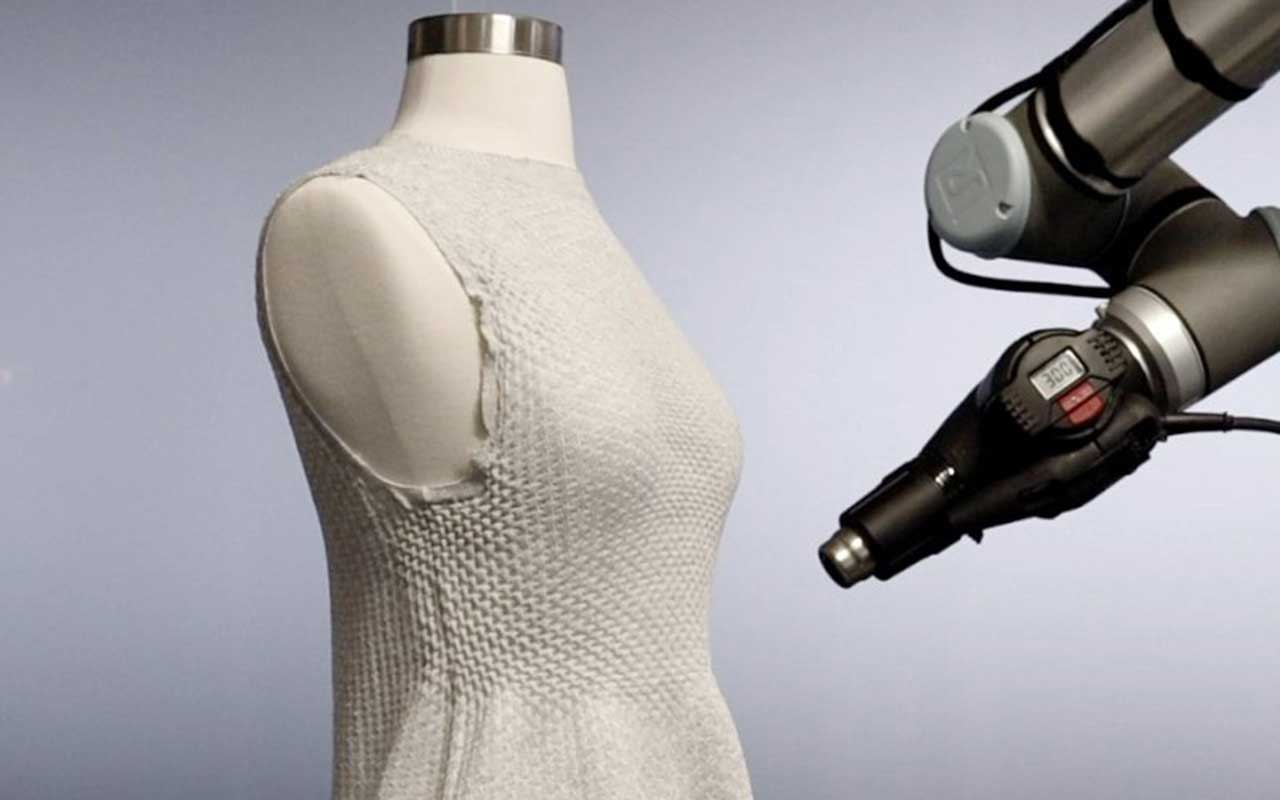
McKinlay is a textile designer and researcher at the Self-Assembly Lab who designed the 4D Knit Dress with Ministry of Supply, a fashion company specializing in high-tech apparel. The dress combines several technologies to create personalized fit and style. Heat-activated yarns, computerized knitting, and robotic activation around each garment generates the sculpted fit. A team at Ministry of Supply led the decisions on the stable yarns, color, original size, and overall design.

“Everyone’s body is different,” says Skylar Tibbits, associate professor in the Department of Architecture and founder of the Self-Assembly Lab. “Even if you wear the same size as another person, you're not actually the same.”

Active textiles

Students in the Self-Assembly Lab have been working with dynamic textiles for several years. The yarns they create can change shape, change property, change insulation, or become breathable. Previous applications to tailor garments include making sweaters and face masks. Tibbits says the 4D Knit Dress is a culmination of everything the students have learned from working with active textiles.

McKinlay helped produce the active yarns, created the concept design, developed the knitting technique, and programmed the lab’s industrial knitting machine. Once the garment design is programmed into the machine, it can quickly produce multiple dresses. Where the active yarns are placed in the design allows for the dress to take on a variety of styles such as pintucks, pleats, an empire waist, or a cinched waist.

“The styling is important,” McKinlay says. “Most people focus on the size, but I think styling is what sets clothes apart. We’re all evolving as people, and I think our style evolves as well. After fit, people focus on personal expression.”

Danny Griffin MArch ’22, a current graduate student in architectural design, doesn’t have a background in garment making or the fashion industry. Tibbits asked Griffin to join the team due to his experience with robotics projects in construction. Griffin translated the heat activation process into a programmable robotic procedure that would precisely control its application.

“When we apply heat, the fibers shorten, causing the textile to bunch up in a specific zone, effectively tightening the shape as if we’re tailoring the garment,” says Griffin. “There was a lot of trial and error to figure out how to orient the robot and the heat gun. The heat needs to be applied in precise locations to activate the fibers on each garment. Another challenge was setting the temperature and the timing for the heat to be applied.”

It took a while to determine how the robot could reach all areas of the dress.

“We couldn’t use a commercial heat gun — which is like a handheld hair dryer — because they’re too large,” says Griffin. “We needed a more compact design. Once we figured it out, it was a lot of fun to write the script for the robot to follow.”

A dress can begin with one design — pintucks across the chest, for example — and be worn for months before having heat re-applied to alter its look. Subsequent applications of heat can tailor the dress further.

Beyond fit and fashion

Efficiently producing garments is a “big challenge” in the fashion industry, according to Gihan Amarasiriwardena ’11, the co-founder and president of Ministry of Supply.

“A lot of times you'll be guessing what a season's style is,” he says. “Sometimes the style doesn't do well, or some sizes don’t sell out. They may get discounted very heavily or eventually they end up going to a landfill.”

“Fast fashion” is a term that describes clothes that are inexpensive, trendy, and easily disposed of by the consumer. They are designed and produced quickly to keep pace with current trends. The 4D Knit Dress, says Tibbits, is the opposite of fast fashion. Unlike the traditional “cut-and-sew” process in the fashion industry, the 4D Knit Dress is made entirely in one piece, which virtually eliminates waste.

“From a global standpoint, you don’t have tons of excess inventory because the dress is customized to your size,” says Tibbits.

McKinlay says she hopes use of this new technology will reduce the amount of waste in inventory that retailers usually have at the end of each season.

“The dress could be tailored in order to adapt to these changes in styles and tastes,” she says. “It may also be able to absorb some of the size variations that retailers need to stock. Instead of extra-small, small, medium, large, and extra-large sizes, retailers may be able to have one dress for the smaller sizes and one for the larger sizes. Of course, these are the same sustainability points that would benefit the consumer.”

The Self-Assembly Lab has collaborated with Ministry of Supply on projects with active textiles for several years. Late last year, the team debuted the 4D Knit Dress at the company’s flagship store in Boston, complete with a robotic arm working its way around a dress as customers watched. For Amarasiriwardena, it was an opportunity to gauge interest and receive feedback from customers interested in trying the dress on.

“If the demand is there, this is something we can create quickly” unlike the usual design and manufacturing process, which can take years, says Amarasiriwardena.

Griffin and McKinlay were on hand for the demonstration and pleased with the results. For Griffin, with the “technical barriers” overcome, he sees many different avenues for the project.

“This experience leaves me wanting to try more,” he says.

McKinlay too would love to work on more styles.

“I hope this research project helps people rethink or reevaluate their relationship with clothes,” says McKinlay. “Right now when people purchase a piece of clothing it has only one ‘look.’ But, how exciting would it be to purchase one garment and reinvent it to change and evolve as you change or as the seasons or styles change? I'm hoping that's the takeaway that people will have.”


Maria Iacobo | Olivia Mintz | School of Architecture and Planning

https://news.mit.edu


Companies' development and uptake of sustainable circular economy solutions is a key part of the European Green Deal. This requires a broad and systemic understanding of circular solutions' sustainability impacts, opportunities and risks along product value chains

Several new regulative initiatives are creating pressure to design new, more sustainable solutions. For example, the proposal for a new Ecodesign for Sustainable Products Regulation (ESPR), published in 2022 to revise the current Ecodesign Directive, will extend product-related sustainability regulation to additional sectors, such as electronics. Their design is based on business models built on short product lifespans and minimum repairability of products.

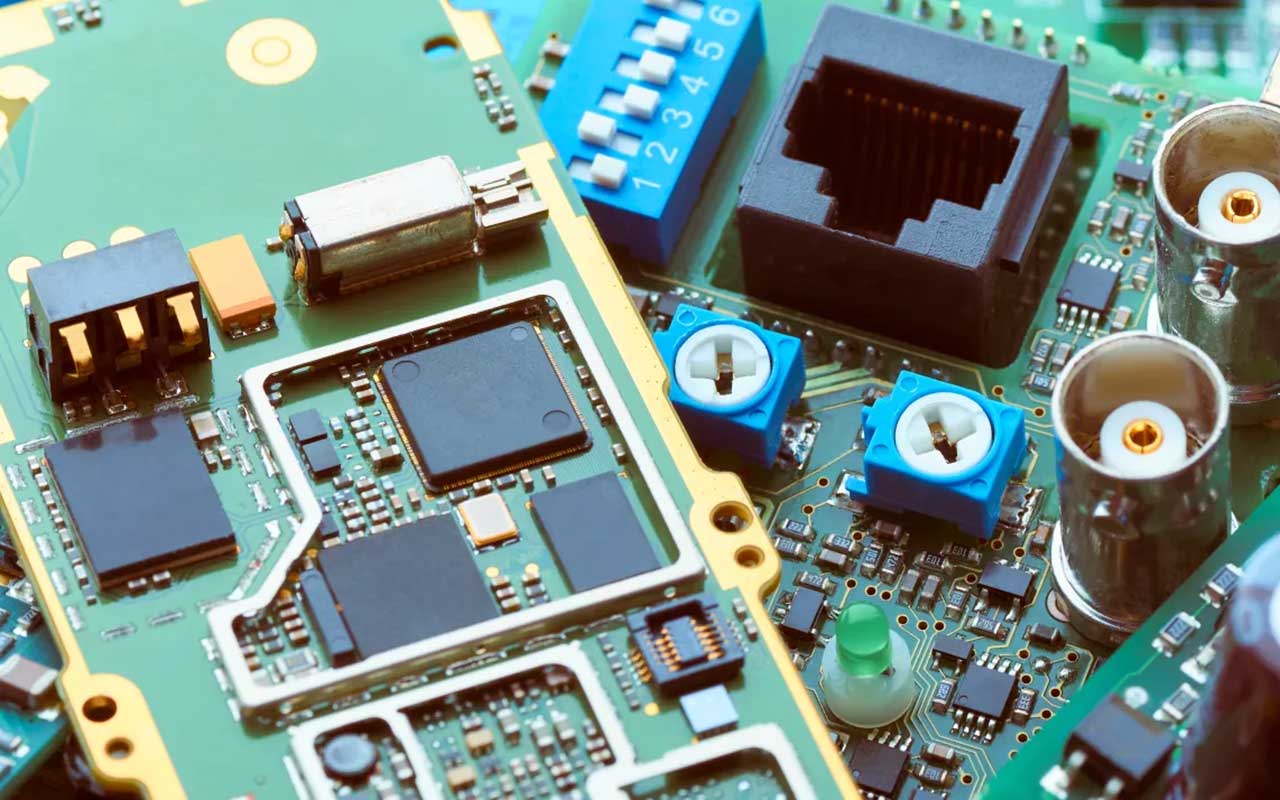
TactoTek, a 2011 established Finnish injection-molded smart structure (IMSE) technology company and VTT Technical Research Centre of Finland set out to solve the challenge of developing a more sustainable circular economy business. TactoTek wanted to understand better the environmental impacts over its product's life cycle, assess the opportunities and challenges of different circular economy scenarios, and examine how sustainable circular economy business models would change the company's operations and approach to sustainability challenges, also at the strategic level. 

System dynamic modeling supports understanding circularity potential through the value chain

VTT’s system dynamics approach brings together the impacts of circular strategies (also referred to as the R strategies) at the product and supply chain levels, enabling scrutinizing various trade-offs that typically are encountered in making design choices for more sustainable products, services, and business models. 

With TactoTek, the approach was applied to analyze the economic, environmental, and material flow impacts of three circular strategies. The strategies analyzed focused on using bio-based plastics, fully circular end-of-life treatment, and product lifetime extension.

VTT’s approach has provided us with a comprehensive study of our value chain from a sustainability perspective. System dynamic modelling allowed us to gain insights into different circular strategies, understanding their order of magnitude and impact on our operations, explains TactoTek’s Manager, Product Planning & Sustainability, Sampo Pirilä.

Both the modelling process, the modelling results and other insights on the perceived performance of the different circular strategies provide valuable information for company decision-making, confirms Jyri Hanski, VTT’s Senior Scientist.

Overall, the system dynamic modelling can provide well-founded, fact-based information on environmental and economic impacts, drivers, obstacles and opportunitiesThe process can support companies in circular design and in developing capabilities to produce and disclose sustainability-related information that will be required, for example, for digital product passports (DPPs) under the ESPR.

Understanding circular economy value creation potential supports strategic decision-making

In collaboration with TactoTek, the system dynamic examination was expanded with business model perspectives to understand the strategic significance of sustainability in business. Together with VTT's sustainable business experts, TaktoTek’s circular economy value creation potential and strategic sustainability aspects were discussed and elaborated on in two workshops. Considering the requirements of the recently introduced Corporate Sustainability Reporting Directive (CSRD), TactoTek’s stakeholders and novel ways for their engagement and stakeholder collaboration practices were discussed. Material sustainability matters were identified, and sustainability value propositions and related business models were discussed and elaborated.

The core of our business value proposition lies in the environmental performance of IMSE technology explains Pirilä and continues: Collaborative workshops with VTT's experts have provided us with fresh perspectives on how to further enhance our sustainability value. Through these sessions, we've recognized the significance of stakeholder engagement and open data sharing across the entire value chain as crucial steps toward the future of sustainable business.

VTT’s Research Team Leader Päivi-Kivikytö Reponen emphasises the importance of holistic, science-based approaches that build on multilevel collaboration and expertise: In addition to in-depth technological know-how, we at VTT have strong multidisciplinary scientific and practical expertise to support businesses in sustainable business model, product and service design. We are committed to sharing this expertise with different businesses and the broader society.

Source

https://www.vttresearch.com/en/project_news/system-level-thinking-essential-choosing-appropriate-circular-economy-strategies

In a paper published this week in Nature, the authors argue for a rethinking of the technical, economic, and policy paradigms that have entrenched the status quo, one of rising carbon emissions and uncontrolled pollution

Currently the global plastics system results in over 1 gigatonnes per year of carbon dioxide equivalent emissions which is the same as the total combined emissions of Europe’s three largest economies (UK, Germany and France). If left unchecked, these emissions could rise to 4-5 gigatonnes per year and intensify other forms of pollution. Another problem is the lack of effective recycling – in 2019, only 9% of the world's plastic waste was turned into new products through mechanical recycling. The majority ended up in landfills or was incinerated, and a significant proportion was mismanaged, ending up polluting terrestrial and marine ecosystems.

The authors analyse the current and future global plastics system, proposing technical, legal, and economic interventions from now until 2050 to allow it to transition to net zero emissions and to reduce other negative environmental impacts. The study includes a future scenario centred on four targets:

  • Reducing future plastics demand by one half, substituting and eliminating over-use of plastic materials and products.
  • Changing the way plastics are manufactured to replace fossil fuels as the hydrocarbon source to use only renewably raw materials, including waste biomass and carbon dioxide.
  • For recoverable plastics, maximising recycling very significantly, targeting 95% recycling of those materials which are retrievable from wastes.
  • Integrating plastic manufacturing and recycling with renewable power and minimising all other negative environmental impacts, including of additives.

The authors emphasise the need for concerted action across all four target areas to ensure the global plastics systems curbs its climate impacts and meets UN Sustainable Development Goals.

Lead author Professor Charlotte Williams (Department of Chemistry, University of Oxford) said: ‘We need plastics and polymers, including for future low emission technologies like electric vehicles, wind turbines, and for many essential everyday materials. Our current global plastics system is completely unsustainable, and we need to be implementing these series of very bold measures at scale, and fast. This is a solvable problem but it needs coherent and combined action, particularly from chemical manufacturers.’

To successfully transition the plastics system, the authors set out principles to ensure ‘smart materials design’ and differentiate between plastics which are recoverable and irretrievable after use, noting that there is not a one size fits all solution. Rather, the authors propose careful use of the design principles to help select the optimum production methods and appropriate use of resources, deliver the required performances, ensure waste management, and minimise broader environmental impacts. A timeline of technical-economic-policy and legal interventions helps readers focus on the actions needed to reach net zero emissions by 2050.

‘The time for action has arrived, we cannot afford to wait any longer,’ study co-author Fernando Vidal, Postdoctoral Researcher in Chemistry at POLYMAT in Spain and former Oxford Martin School Fellow on the Future of Plastics concluded. ‘We must change our concepts around the way we make, use, and dispose of plastics, otherwise we risk perpetuating this problem. The upcoming UN Global Plastic Treaty is the opportunity to make a lasting change in the right direction.’

Study co-author Cameron Hepburn, Battcock Professor of Environmental Economics at the Oxford’s Smith School of Enterprise and the Environment, said: ‘The problem is that plastics, while contributing hugely to global pollution and greenhouse gas emissions, are extraordinarily useful. Our research finds that creating a circular economy for plastics in order to reduce their negative impacts is possible, but only if we can reduce future demand by half, switch to renewable plastics that aren’t made from fossil fuels, recycle 95% of what’s left, and minimise environmental impacts at every step of the process.

Professor Williams’ research group is actively engaged in developing innovative solutions to meet this goal. A particular focus is to investigate techniques that can manufacture plastics from abundant renewable resources (such as carbon dioxide, biomass or industrial wastes), rather than petrochemicals.

She said, ' I undertook part of my training 20 years ago in the USA, where they made the first commercial bio-derived plastics. Seeing how well these materials performed was very inspiring. This led me to explore how to make sure these ‘alternative’ materials meet all the property specifications and application needs we have but with a designed end-life fate and energy efficiency throughout their lifecycles.’

The paper ‘Designing a Circular Carbon and Plastics Economy for a Sustainable Future’ has been published in Nature.

Page 1 of 2

Featured

Most Read

We use cookies

We use cookies on our website. Some of them are essential for the operation of the site, while others help us to improve this site and the user experience (tracking cookies). You can decide for yourself whether you want to allow cookies or not. Please note that if you reject them, you may not be able to use all the functionalities of the site.