Waste Management

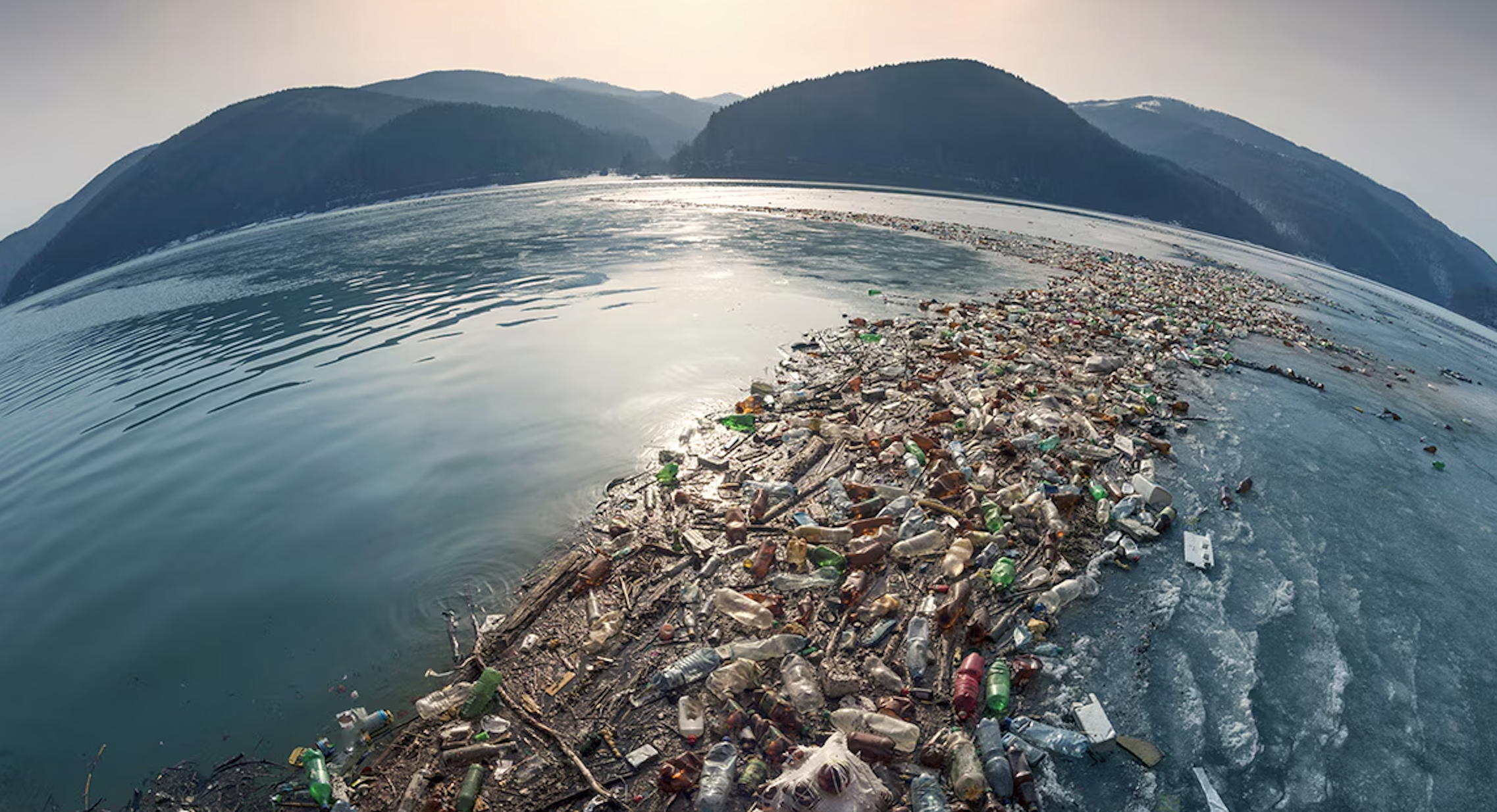
Thousands of teenagers across Europe have tracked plastic pollution in rivers, and the data they collected is starting to make waves

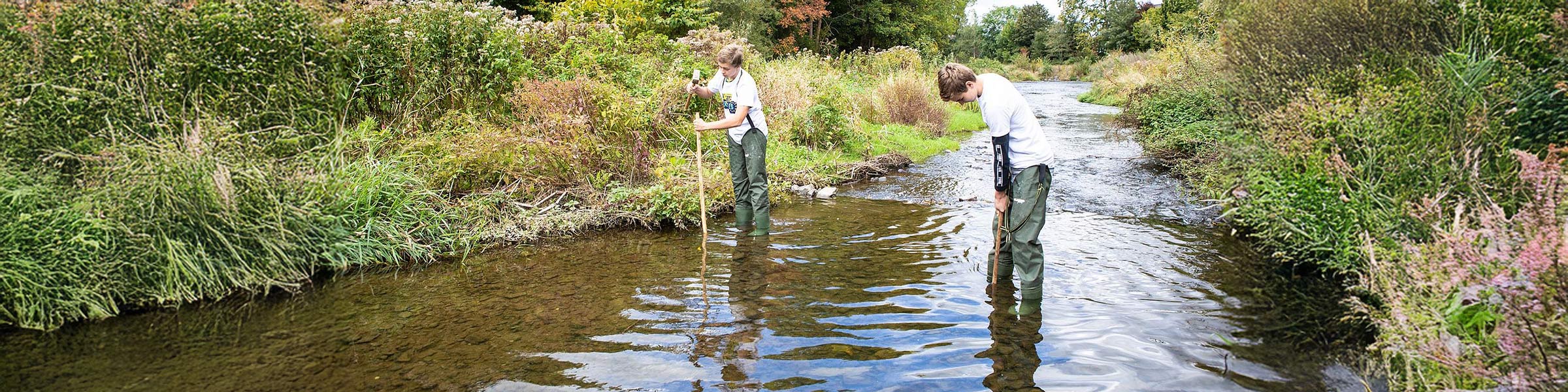
Along a small stream in Spain, groups of teenagers are at work. One hovers around a black tarpaulin covered in wet pieces of plastic. Another stands on a small bridge, fishing with a net. Others sort small pieces of plastic, cigarette butts and various other things they’ve recovered from the stream.

What looks like a school outing is in fact part of a European experiment. Can pupils help fill a significant data gap on plastic in rivers and support an EU-wide drive to clean up our waters?

From Germany to 14 countries

Plastic Pirates – Go Europe! is a citizen science initiative that started in Germany in 2016 to enlist the wider public in scientific research. It gave pupils aged between 10 and 18 the responsibility to monitor plastic pollution in streams and rivers.

The idea grew out of concern that rivers and streams, where plastic often starts its journey, receive far less attention than coastlines.

An EU-funded project called PlasticPiratesEU took the original German initiative and scaled it across Europe from 2022 to 2025. Today, the Plastic Pirates campaign continues in several countries, with national teams still supporting schools and fieldwork.

“Rivers account for 70% of plastic that flows into oceans,” said Philip Ackermann, the coordinator of PlasticPiratesEU, who works for the DLR Project Management Agency in Germany. “At the same time, there’s a huge data gap. We don’t know how much plastic is flowing down these waterways.”

Over those three years, the initiative moved from national campaigns to coordinated fieldwork across Europe. It involved schools and research partners in 14 EU countries – all following one common scientific protocol.

Between 2022 and 2025, more than 25 000 teenagers sampled 390 rivers, streams and beaches across Europe. Armed with nets, gloves, notebooks and cameras, they helped create one of the first large-scale open datasets on plastic pollution in European rivers and waterways.

The data has been made freely available through Zenodo, an open research repository, and EMODnet, an EU platform that brings together environmental and marine data from around Europe.

The team also published Lessons Learned from Upscaling a Citizen Science Initiative Across Europe, a practical guide sharing 12 hands-on tips for teachers, researchers, policymakers and environmental groups interested in developing similar citizen science activities.

A separate coastal booklet expanded the effort to beaches, offering young people step-by-step guidance on collecting scientific data along coastlines.

The work contributes to the EU Mission: Restore our Ocean and Waters, which aims to protect and restore marine and freshwater ecosystems by 2030. By feeding fresh, comparable data into European databases, PlasticPiratesEU gives the Mission another tool to understand where pollution is most severe and how it changes over time.

From riverbank to database

The teenagers taking part in this effort are split into four groups, each with a different task. One takes a section of the river and tracks the quantity of plastics they encounter. Another collects and categorises the plastic litter they find.

A third group tracks microplastics by using a fine mesh net, which is sent to a lab to see how many small plastic particles were caught.

A fourth handles the final task: verification. They take as many pictures as possible of the entire process. These pictures are then used by researchers to double-check what the pupils caught and see whether they made the right calls.

“One of the reasons why there’s this data gap on plastics in rivers is that it’s immensely costly to do,” said Ackermann. “Through PlasticPiratesEU, we can do it in a more cost-effective way.”

But is this data credible? Can teenagers with no scientific training match the precision of professional researchers? Ackermann thinks so.

“We found that the data is quite reliable,” he said. “If you take a lot of samples, the importance of individual errors is reduced. On top of that, we check all the results through the photos.”

Teenagers, he added, are often very keen to follow protocols like professional researchers and approach the work seriously. For many, it is a first chance to wear gloves, record field observations and see their findings become scientific evidence.

“At some points, the children’s data has actually proven more reliable than the ones gathered by professional researchers,” Ackermann said.

Findings and impact

Meritxell Abril Cuevas, a freshwater ecologist, is one of the researchers who guided the pupils. She works at the Beta Tech Centre, a research centre focused on biodiversity, ecology and food technology and affiliated with the University of Vic – Central University of Catalonia, Spain.

Working with the teenagers, with support from the Spanish Foundation for Science and Technology, has given her pollution data from rivers and streams that would otherwise be impossible to gather at this scale.

“I like to work with them a lot,” said Abril. “Of course, teenagers are at a complicated age. But when they get excited by science, that’s very rewarding.”

The researchers have started to identify regional pollution patterns across Europe. Spain, Abril’s home country, stands out for one particular kind of pollution.

“In Spain, for example, a surprising amount of pollution came from wet wipes, which isn’t the case in other countries,” she said. “These insights might help drive policy changes in the future.”

But some types of pollution keep coming up, wherever you look. In all countries, single use plastic items such as straws, food containers or plastic bags make up the majority of litter. The researchers found that residents and visitors near beaches or rivers were among the main sources of plastic pollution.

Plastic Pirates also aims to teach children about the harm plastic pollution causes. “That’s one of the primary motivations for what we do,” said Ackermann.

“If you want to tackle plastic pollution in the future, you have to raise awareness among the younger generations. They are the ones who will need to combat this problem head on. If they are already aware of the extent of the problem in school, then you go to the root cause.”

Teachers also noticed an unexpected side effect. “They said that their classrooms are tidier after the pupils take part in the initiative,” laughed Ackermann. “Apparently, when confronted with the scale of the pollution issue, teenagers start taking better care of their own environments.”

Text: Tom Cassauwers

Image: Teenagers throughout Europe are turning river plastic into powerful scientific data. © BMBF/Gesine Born

This article was originally published in Horizon the EU Research and Innovation Magazine.
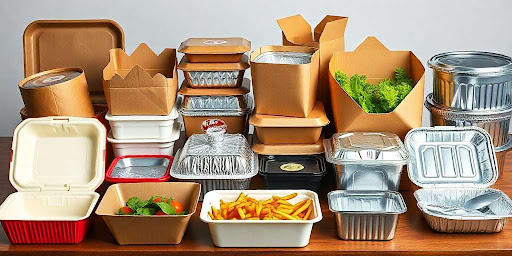
Researchers have explored a range of solutions to reduce single-use plastics, such as novel fibre-based packaging and reuse schemes

Over a third of solid waste in EU towns comes from packaging. Plastics are the most widely used material, and research suggests the biggest reductions can come from changing the use of multilayer and multimaterial packaging.

While many initiatives have been launched to meet this challenge, progress has remained slow due to the complexity of tackling it. Against this backdrop, retailers have an important opportunity to rethink their delivery chains and drive systemic change.

The EU-funded R3PACK(opens in new window) project explored the potential for fast and extensive uptake of cost-effective innovative technologies that can substitute multilayer plastic packaging with fibre-based alternatives. The project also researched ways to optimise reuse schemes at a large scale.

“Reuse aims to define an economically and environmentally optimised organisation model for returnable packaging, based on systemic regional circular approaches,” explains Frank Gana, deputy CEO and co-founder of (RE)SET. “Substitution aims to develop industrial renewable, recyclable and compostable fibre-based food packaging with at least 80 % cellulose content.”

Optimising innovative packaging solutions

Over 42 months, R3PACK researchers developed new technical solutions to reduce single-use plastic in food packaging, including food safety validation, material and packaging development, industrial trials and extensive consumer engagement.

“This led to robust results and clear recommendations for the large-scale deployment of reuse and substitution solutions,” remarks Gana.

For reusable packaging systems, a selection process of around 250 existing packaging formats led to 64 standardised reusable options. These were tested and found not to be suitable, so new packaging was fully developed for the project.

The team developed food safety and washing protocols, which were tested to simulate reuse cycles in accordance with European regulations. A mathematical model was designed to identify optimal locations for production, washing and distribution under various simulated transport flows.

“The reuse system was progressively tested in retail environments, expanding to 20 stores and nearly 30 product references,” says Gana.

R3PACK experts also produced a series of fibre-based packaging prototypes, tested for various structural characteristics, including bending and sealing strength, using tests ranging from dye and microscopy to pilot equipment.

“The most promising prototypes achieved competitive performance compared with conventional materials with more than 80 % paper and from 90 % to 100 % bio-based content,” notes Estelle Doineau, senior technical consultant at (RE)SET. “These innovations lay the groundwork for large-scale transition and long-term reduction of plastic packaging generation.”

Clarifying the packaging landscape

The team also developed a series of policy recommendations to enable scaling of reuse and fibre-based solutions. “Our main contribution lies in clarifying what is technically feasible today, what remains constrained, and under which conditions large-scale deployment could become realistic,” explains Gana.

The researchers also quantified the main economic and environmental drivers behind the solutions, and created transition scenarios through to 2040. These showed how the market share of reuse and fibre-based packaging could reach substantial levels through harmonised European frameworks and shared infrastructure.

A foundation for scaling circular packaging

R3PACK offered a realistic foundation to assess the potential for scaling circular packaging across Europe – identifying both opportunities and structural challenges.

“Circular packaging will only scale through coordinated action across regulation, finance, education and standardisation – to achieve the broad structural changes that are needed,” adds Gana. “This will allow Europe to move from experimentation to large-scale implementation and adoption.”

From drones and smart cameras to biodegradable packaging, EU-funded researchers are working to remove plastic from rivers before it ever reaches the sea

From his bedroom desk in the Belgian town of Dendermonde, Gert Everaert used to watch the river Scheldt flow past. Barges and small boats drifted by. Birds fished. But the river also carried something less picturesque – a steady stream of litter and plastic waste.

“Cars would stop and people threw rubbish straight into the water,” he recalled. “All kinds of trash floated by. That always made me incredibly sad.”

Today, Everaert is no longer just watching. As deputy research director at the Flanders Marine Institute, he now leads INSPIRE, a major EU-funded research initiative bringing together scientists and innovators from 13 EU countries, plus Serbia and Thailand.

Their aim is ambitious but straightforward: stop plastic in rivers before it reaches the ocean – and prevent it from ever entering our waterways in the first place.

The INSPIRE team is developing a wide range of new tools to help clean up Europe’s rivers. From smart detection systems using drones and AI-powered cameras, to clean-up processes capable of capturing even tiny plastic particles. They are also working upstream, trying to stop plastic at the source before it reaches rivers.

Why rivers matter

When people think about waterborne plastic pollution, they often picture vast patches of rubbish swirling in the open ocean or beaches covered in debris. But much of that plastic started its journey inland.

“Most of the plastic pollution in our oceans flows out of rivers,” Everaert explained. “The longer you wait to collect it, the more it breaks down into microplastics and spreads. Cleaning up rivers is the most efficient way to tackle the pollution, besides preventing pollution in the first place.”

INSPIRE is part of a wider European effort to reduce plastic pollution. By 2030, the EU aims to reduce plastic litter at sea by 50% and reduce microplastics released into the environment by 30%. If those targets are to be met, rivers will be central to the solution.

Unlike ocean clean-up projects, which deal with waste that has already dispersed widely, river-based approaches allow researchers to intervene closer to the source – before plastic disintegrates into smaller and harder-to-remove particles.

Stop it at source

When it comes to pollution, prevention matters even more than removal. Once plastic enters a river system, it starts to degrade. Eventually, it breaks down into microscopic particles that are extremely difficult – sometimes impossible – to retrieve.

Everaert points to packaging as one target area.

“Today, vegetables are often packed in plastic, to keep them fresh longer. We’re testing whether we can replace that with chitosan, a biodegradable film derived from shellfish.”

Another target is agricultural plastic. Farmers widely use plastic films for mulching, covering soil to protect crops and retain moisture. But fragments often remain in the soil long after use. INSPIRE researchers are trialling bio-based polymers that could replace these materials and degrade naturally instead of accumulating.

These alternatives are being tested at agricultural sites across Europe. The idea is not simply to invent new materials, but to ensure they work in real-world conditions.

From the Danube to the Douro

The INSPIRE researchers are developing and testing 20 different technologies across six European rivers, including the Scheldt in Belgium, the Rhine in the Netherlands, the Danube in Romania and the Douro in Portugal.

The variety is deliberate.

“Plastic pollution contains many types of polymers, and they come in different forms and sizes,” Everaert said. “In the Danube, pollution looks different than in the Scheldt. There’s no one-size-fits-all solution.”

Some rivers carry large floating debris. Others contain more fragmented or industrial plastic waste. Weather, shipping traffic, urbanisation and local waste systems all influence what ends up in the water.

To better understand and track pollution, researchers are deploying drones and AI-powered cameras that can automatically detect and classify plastic waste along riverbanks and on the water surface. These systems help authorities identify hotspots and act faster.

Smaller than a human hair

The researchers are also developing technologies to remove plastic from the water in all its forms and sizes. One of the most challenging sources of pollution is also the hardest to see: microplastics and nanoplastics.

Microplastics are particles smaller than 5 millimetres. Nanoplastics are smaller still – less than one micrometre in diameter. For comparison, a human hair measures about 70 micrometres across.

These particles are now found almost everywhere – in water, soil, air, and even inside the human body. Scientists are still investigating the full health implications, but early research suggests possible links to inflammation and other health concerns, including cancer, allergies and immune system disorders.

Delvec, a Greek nanomaterials company involved in INSPIRE, is developing a way to remove the tiniest plastic particles from water.

“I think microplastics and nanoplastics are to us what asbestos was to the previous generation,” said Jeorge Deligiannakis, Delvec’s CEO. “We are only beginning to understand the risks, but we need to learn how to remove them.”

Delvec has created a prototype filter that captures nanoplastics without blocking water flow. The filter is coated with specially designed nanomaterials that bind to plastic particles.

“It’s like a reactive powder on the filter surface,” Deligiannakis explained. “It grabs the plastic nanoparticles as the water passes through.”

The prototype has already been tested in Slovenia. However, it still needs to be scaled up to handle the much larger volumes processed in wastewater treatment plants.

“The next step is industrialisation,” Deligiannakis said. “We need to make it robust enough for full-scale treatment facilities.”

Turning the tap off on plastic

The INSPIRE researchers will continue their collaboration until spring 2027. By then, the team hopes to deliver not just individual technologies, but a practical blueprint that can be rolled out across Europe.

“We need to turn off the tap on plastic,” Everaert said. “Most plastic trash accumulates in rivers and can ultimately be flushed to the ocean.”

At the same time, rivers are not just waterways, he points out. They are ecosystems in their own right, rich in biodiversity and essential to human communities.

For Everaert, the mission remains deeply personal. The river he once watched as a boy is now part of a Europe-wide effort to rethink how plastic is used, managed and prevented.

If INSPIRE succeeds, the sight of rubbish drifting downstream could become a thing of the past. Instead of carrying plastic toward the sea, Europe’s rivers may once again run clean.

By Tom Cassauwers

This article was originally published in Horizon the EU Research and Innovation Magazine.
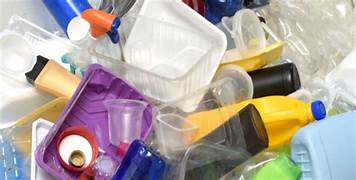
Most plastics look pretty much the same – but some get a second chance at life, while others are destined for burial or incineration. Polymer specialist Enzo Moretto breaks down the problem

You rinse out your yoghurt pot, drop it in the recycling bin and feel smug. But then you hesitate: what about that plastic tray your fruit came in? Or the bubble wrap from your last online order? What makes the difference when it comes to waste?

“Most plastics can be melted down and reshaped, like turning ice cubes into water and back again,” explains Moretto, a chemical engineer at the French Alternative Energies and Atomic Energy Commission (CEA). “Others are designed to be tough and heat-resistant – great for durability, but terrible for recyclability.”

Multilayer food packaging, such as that used in coffee cups, poses a particular headache. They consist of different plastic films glued together, making separation for recycling almost impossible.

While most packaging plastics that pass through your hands can be recycled in theory, only about 10 % actually are. Putting them in the right bin is just one part of the equation – collection, sorting and contamination all get in the way. As does cost – the fact remains that making new plastic is often cheaper than reusing old stuff.

Reimagining plastic

Moretto and his colleagues in the EU-funded SURPASS project are working on ways to create safe, sustainable and recyclable-by-design [SSRbD] plastics(opens in new window).

One solution is multinanolayered (MNL) films, which limit the need for additives used to make different plastics bond together, and allow for easy separation of laminated plastics. The team also looked at decontamination of used plastic packaging, so it can safely be recycled for a new life – a key step for a truly circular economy.

Another focus is the tough polyurethane materials used in building insulation and window frames. By giving these materials vitrimer-like properties (meaning their bonds can be broken and reformed), the team has made resins that can be reprocessed just like traditional recyclable plastics.

There’s a trade-off though. “Adding recyclability can slightly weaken performance,” says Moretto. “The challenge is to find the sweet spot where materials are still strong enough for their job.”

Building better

Construction will be the first sector to benefit from these novel plastics, with recyclable window frames already close to market. Packaging and transport applications will follow later.

SURPASS is not the end of the story. The team has launched a new project, PLANETS, to focus on more sustainable plastic additives. So in the future, you can be sure that dropping your yoghurt pot in the green bin really will make a difference.

EU-funded researchers are studying chemical processes in nature to develop new, cleaner means of chemical production and computers that can communicate with the human body

When Dr Andrés de la Escosura, an organic chemistry researcher at the Institute for Advanced Research in Chemical Sciences (IAdChem) in Madrid, Spain, set out to fundamentally change the way that we produce the chemicals used in everyday life, his rationale was simple. Chemistry in nature is clean and efficient, whilst industrial chemistry is anything but.

‘Chemical reactions in nature are incredibly efficient, generating very little waste and consuming very little energy,’ said de la Escosura.

He wondered whether, by mimicking biology more closely in industrial reactions, we could create a cleaner, more environment-friendly chemical industry.

Thanks to funding from the EU, de la Escosura was able to join forces with researchers from countries such as Austria, the Netherlands and Switzerland to put these ideas to the test in a research initiative called CLASSY that ended earlier this year.

Natural advantage

Living organisms function using biochemical reactions. Everything, from respiration and photosynthesis through to the digestion of food and the contraction of muscles, involves the movement, breakdown, recombination and synthesis of chemicals. These processes are all very clean and energy efficient.

On the other hand, today’s industrial chemical industry that is used to power sectors such as health, energy, transport and housing creates vast amounts of waste. The production of pharmaceuticals, for instance, typically generates 25 to 100 kilograms of waste for every kilogram of final product.

The chemical industry is also very energy intensive. The EU’s statistical office reported that the chemical and petrochemical sector is responsible for one-fifth of Europe’s industrial energy consumption. This makes it a major polluter and contributor to climate change.

The CLASSY researchers turned to living systems for inspiration. Nature efficiently synthesises an enormous variety of complex chemical products by separating, or compartmentalising, different chemical processes and using natural feedback mechanisms to regulate them.

Continuous flow

The research team explored ways to replicate these processes in what they call “microfluidic reactors” set up to mimic the activity of living cells.

Microfluidics is the manipulation of fluids through tiny channels. Fluids, and the molecules within them, are sorted and guided through a series of chips or microreactors. Different molecules can be sent to different reaction chambers, and their progress through the device is closely controlled in a step-by-step progressive process.

The processing of synthetic chemicals requires several different steps. When you carry out these processes in a closed system, like a flask or industrial reaction chamber, at some point you need to stop, empty the reactor and then start the reaction again, explained de la Escosura.

Microfluidics enables chemical reactions to occur in a more natural fashion. The reactors contain a mix of enzymes and other molecules that produce a chemical reaction. When one chemical reaction finishes, the compounds flow through the system to the next chamber and the next reaction. The benefit of this is that the overall process can run continuously.

The CLASSY researchers have made good progress with these reactors, successfully creating a microfluidic device that breaks down vegetable fats to produce a biofuel to prove their concept.

De la Escosura acknowledges that the efficiency of the process could be further improved, but the hope is that, in the future, such devices could complete different tasks depending on what is fed into the system. More basic research is needed, he said, but the hope is that this approach could dramatically reduce waste and energy consumption, while improving chemical yields.

‘The goal is to minimise the impact that the chemical industry has on climate change and other environmental issues,’ he said.

This is particularly important as global chemical production is expected to double by 2030, according to the EU, which published its own chemicals strategy in 2020 aimed at reducing the environmental and health impact of the chemicals sector as part of the EU’s zero pollution goals and the European Green Deal.

Body chemistry

On a similar path of investigation, researchers from Spain, Denmark, the Netherlands and Switzerland are exploring how complex chemical reaction networks (CRNs) created using microfluidic chips could help regulate the processes in our bodies.

This is part of a 4-year research initiative called CORENET, also coordinated by de la Escosura, that received funding from the EU to design “chemical computers” able to interact with the human body.

This isn’t as outlandish as it might sound. ‘The most efficient computer in the world is chemical – the human brain,’ said de la Escosura. In fact, all our organs, which monitor conditions in our body and produce corresponding outputs, are basically information processors.

‘Biological systems do all they do – the functions, the information processing, everything – with molecules,’ said de la Escosura.

A potential advantage of chemical computers is that they could produce information in the form of chemicals that can interact directly with living systems – and respond to input received from them. This could be used to produce wearable medical devices that are able to mimic natural biochemical signalling.

Seamless communication

Most wearable medical devices are still fairly simple. Insulin pumps, for instance, deliver a regular dose of insulin at steady intervals throughout the day to help control blood sugar levels in people with diabetes.

Some more advanced devices being developed can respond directly to blood sugar levels to deliver insulin when needed, and may even be able to offer some dose control.

A wearable chemical computer able to measure the chemical compounds in the blood and, through a series of reactions, produce different chemicals in response would be a real game changer.

‘This type of computing with chemical systems may help us to better model the complexity that we find in biological organisms,’ said de la Escosura.

Although such devices are still a long way off, CORENET researchers believe that they could one day offer personalised treatment for various conditions through the synthesis of drug molecules triggered by cues from the body. They could even be used to create advanced brain–machine interfaces.

For Katja-Sophia Csizi, a postdoctoral researcher at IBM Research in Zurich, Switzerland, the work being done in CORENET is extremely innovative because it thinks of chemistry from a completely different perspective. Csizi’s work in the team focuses on how to use CRNs in chemical computing applications.

‘It is easier and far more effective to reach an ambitious goal if you approach it from different perspectives,’ she said.

Research in this article was funded by the EU’s Horizon Programme including, in the case of CORENET, via the European Innovation Council (EIC). The views of the interviewees don’t necessarily reflect those of the European Commission.

This article was originally published in Horizon the EU Research and Innovation Magazine.
“Our study is the first reported instance of electrochemically removing copper from steel and reducing impurities to below alloy level”

Researchers at the University of Toronto’s Faculty of Applied Science & Engineering have designed a novel way to recycle steel that could help decarbonize several manufacturing industries and usher in a circular steel economy.

The new method introduces an innovative oxysulfide electrolyte for electrorefining, an alternative way of removing copper and carbon impurities from molten steel. The process also generates liquid iron and sulfur as by-products.  

It’s outlined in a new paper published in Resources, Conservation and Recycling and co-authored by Jaesuk (Jay) Paeng, a PhD candidate in the Department of Chemical Engineering and Applied Chemistry, William Judge, a PhD alum from the department of materials science and engineering, and Professor Gisele Azimi from the department of chemical engineering and applied chemistry.

“Our study is the first reported instance of electrochemically removing copper from steel and reducing impurities to below alloy level,” says Azimi, who holds the Canada Research Chair in Urban Mining Innovations.  

Currently, only 25 per cent of steel produced comes from recycled material. But the global demand for greener steel is projected to grow over the next two decades as governments around the world endeavour to achieve net-zero emission goals.   

Steel is created by reacting iron ore with coke – a prepared form of coal – as the source of carbon and blowing oxygen through the metal produced. Current processes generate nearly two tonnes of carbon dioxide per tonne of steel produced, making steel production one of the highest contributors to carbon emissions in the manufacturing sector.    

Traditional steel recycling methods use an electric arc furnace to melt down scrap metal. Since it is difficult to physically separate copper material from scrap before melting, the element is also present in the recycled steel products.  

“The main problem with secondary steel production is that the scrap being recycled may be contaminated with other elements, including copper,” says Azimi.  

“The concentration of copper adds up as you add more scrap metals to be recycled, and when it goes above 0.1 weight percentage in the final steel product, it will be detrimental to the properties of steel.”  

Copper cannot be removed from molten steel scrap using the traditional electric arc furnace steelmaking practice, so this limits the secondary steel market to producing lower-quality steel product, such as reinforcing bars used in the construction industry.  

“Our method can expand the secondary steel market into different industries,” says Paeng. “It has the potential to be used to create higher-grade products such as galvanized cold rolled coil used in the automotive sector, or steel sheets for deep drawing used in the transport sector.”  

To remove copper from iron to below 0.1 weight percentage, the team had to first design an electrochemical cell that could withstand temperatures up to 1,600 degrees Celsius.  

Inside the cell, electricity flows between the negative electrode (cathode) and positive electrode (anode) through a novel oxysulfide electrolyte designed from slag — a waste derived from steelmaking that often ends up in cement or landfills.  

“We put our contaminated iron that has the copper impurity as the anode of the electrochemical cell,” says Azimi. “We then apply an electromotive force, which is the voltage, with a power supply and we force the copper to react with the electrolyte.” 

“The electrolyte targets the removal of copper from the iron when we apply electricity to the cell,” adds Paeng. “When we apply electricity on the one side of the cell, we force the copper to react with the electrolyte and come out from iron. At the other end of the cell, we simultaneously produce new iron.” 

Azimi’s lab collaborated on the research with Tenova Goodfellow Inc., a global supplier of advanced technologies, products and services for metal and mining industries, where study co-author Judge works as a senior research and development engineer. 

Looking forward, the team wants to enable the electro-refining process to remove other contaminants from steel, including tin.  

“Iron and steel are the most widely used metals in the industry, and I think the production rate is as high as 1.9 billion tonnes per year,” says Azimi.  

“Our method has great potential to offer the steelmaking industry a practical and easily implementable way to recycle steel to produce more of the demand for high-grade steel globally.”   

Text: By Safa Jinje

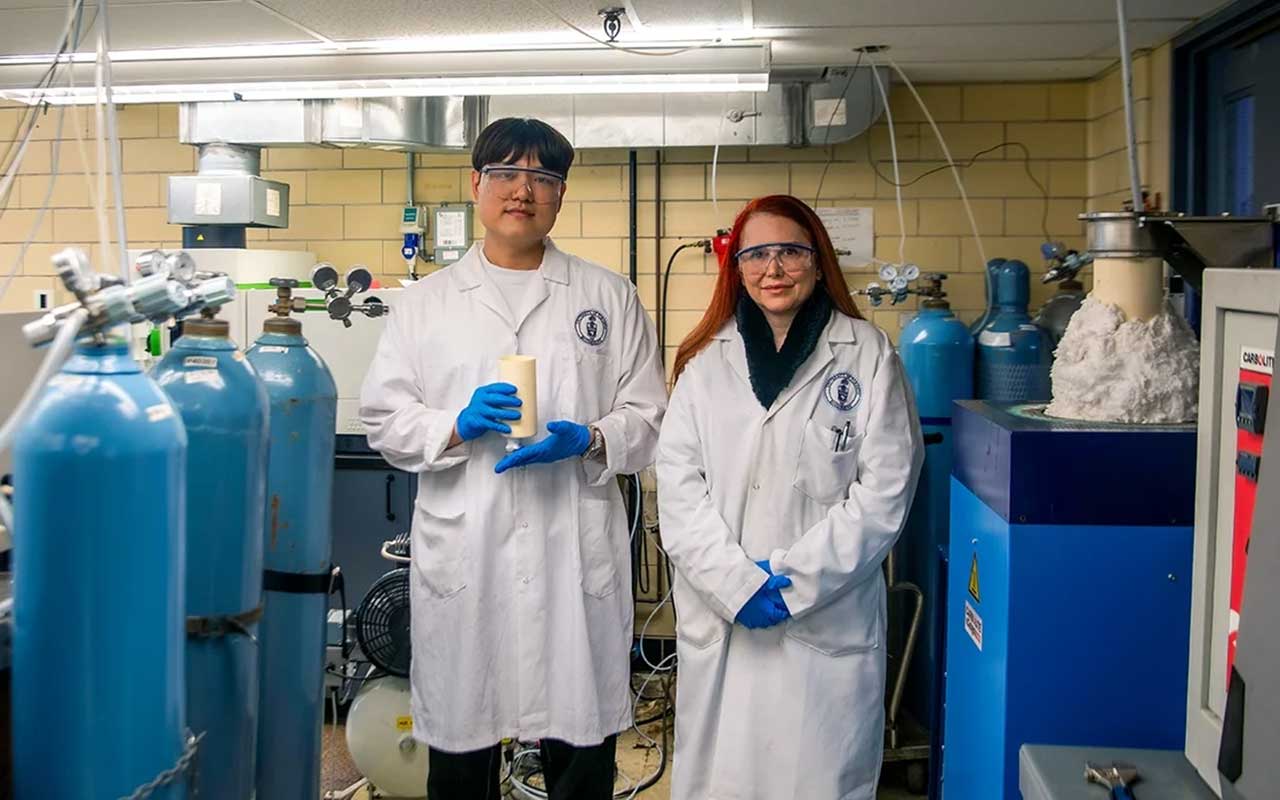
Image: PhD candidate Jaesuk Paeng (left) and Professor Gisele Azimi from the department of chemical engineering and applied chemistry in U of T's Faculty of Applied Science & Engineering display an electrochemical cell that's vital to their novel steel-recycling method (photo by Safa Jinje)

A national bottle deposit fee could make a dramatic difference in reducing plastic waste, MIT researchers report

While recycling systems and bottle deposits have become increasingly widespread in the U.S., actual rates of recycling are “abysmal,” according to a team of MIT researchers who studied the rates for recycling of PET, the plastic commonly used in beverage bottles. However, their findings suggest some ways to change this.

The present rate of recycling for PET, or polyethylene terephthalate, bottles nationwide is about 24 percent and has remained stagnant for a decade, the researchers say. But their study indicates that with a nationwide bottle deposit program, the rates could increase to 82 percent, with nearly two-thirds of all PET bottles being recycled into new bottles, at a net cost of just a penny a bottle when demand is robust. At the same time, they say, policies would be needed to ensure a sufficient demand for the recycled material.

The findings are being published today in the Journal of Industrial Ecology, in a paper by MIT professor of materials science and engineering Elsa Olivetti, graduate students Basuhi Ravi and Karan Bhuwalka, and research scientist Richard Roth.

The team looked at PET bottle collection and recycling rates in different states as well as other nations with and without bottle deposit policies, and with or without curbside recycling programs, as well as the inputs and outputs of various recycling companies and methods. The researchers say this study is the first to look in detail at the interplay between public policies and the end-to-end realities of the packaging production and recycling market.

They found that bottle deposit programs are highly effective in the areas where they are in place, but at present there is not nearly enough collection of used bottles to meet the targets set by the packaging industry. Their analysis suggests that a uniform nationwide bottle deposit policy could achieve the levels of recycling that have been mandated by proposed legislation and corporate commitments.

The recycling of PET is highly successful in terms of quality, with new products made from all-recycled material virtually matching the qualities of virgin material. And brands have shown that new bottles can be safely made with 100 percent postconsumer waste. But the team found that collection of the material is a crucial bottleneck that leaves processing plants unable to meet their needs. However, with the right policies in place, “one can be optimistic,” says Olivetti, who is the Jerry McAfee Professor in Engineering and the associate dean of the School of Engineering.

“A message that we have found in a number of cases in the recycling space is that if you do the right work to support policies that think about both the demand but also the supply,” then significant improvements are possible, she says. “You have to think about the response and the behavior of multiple actors in the system holistically to be viable,” she says. “We are optimistic, but there are many ways to be pessimistic if we’re not thinking about that in a holistic way.”

For example, the study found that it is important to consider the needs of existing municipal waste-recovery facilities. While expanded bottle deposit programs are essential to increase recycling rates and provide the feedstock to companies recycling PET into new products, the current facilities that process material from curbside recycling programs will lose revenue from PET bottles, which are a relatively high-value product compared to the other materials in the recycled waste stream. These companies would lose a source of their income if the bottles are collected through deposit programs, leaving them with only the lower-value mixed plastics.

The researchers developed economic models based on rates of collection found in the states with deposit programs, recycled-content requirements, and other policies, and used these models to extrapolate to the nation as a whole. Overall, they found that the supply needs of packaging producers could be met through a nationwide bottle deposit system with a 10-cent deposit per bottle — at a net cost of about 1 cent per bottle produced when demand is strong. This need not be a federal program, but rather one where the implementation would be left up to the individual states, Olivetti says.

Other countries have been much more successful in implementing deposit systems that result in very high participation rates. Several European countries manage to collect more than 90 percent of PET bottles for recycling, for example. But in the U.S., less than 29 percent are collected, and after losses in the recycling chain about 24 percent actually get recycled, the researchers found. Whereas 73 percent of Americans have access to curbside recycling, presently only 10 states have bottle deposit systems in place.

Yet the demand is there so far. “There is a market for this material,” says Olivetti. While bottles collected through mixed-waste collection can still be recycled to some extent, those collected through deposit systems tend to be much cleaner and require less processing, and so are more economical to recycle into new bottles, or into textiles.

To be effective, policies need to not just focus on increasing rates of recycling, but on the whole cycle of supply and demand and the different players involved, Olivetti says. Safeguards would need to be in place to protect existing recycling facilities from the lost revenues they would suffer as a result of bottle deposits, perhaps in the form of subsidies funded by fees on the bottle producers, to avoid putting these essential parts of the processing chain out of business. And other policies may be needed to ensure the continued market for the material that gets collected, including recycled content requirements and extended producer responsibility regulations, the team found.

At this stage, it’s important to focus on the specific waste streams that can most effectively be recycled, and PET, along with many metals, clearly fit that category. “When we start to think about mixed plastic streams, that’s much more challenging from an environmental perspective,” she says. “Recycling systems need to be pursuing extended producers’ responsibility, or specifically thinking about materials designed more effectively toward recycled content,” she says.

It's also important to address “what the right metrics are to design for sustainably managed materials streams,” she says. “It could be energy use, could be circularity [for example, making old bottles into new bottles], could be around waste reduction, and making sure those are all aligned. That’s another kind of policy coordination that’s needed.”

Author: David L. Chandler | MIT News


When the landfill in Osaki, in the southwest of Japan, reached capacity, an incinerator was the logical next step. Instead, the town decided to get serious about recycling. Kasumi Fujita, a town councillor committed to Osaki’s low waste policies, tells UN News what inspired her

Ms. Fujita moved to Osaki in 2021 to work with the municipality, business sector and local community to help prepare the town for a more sustainable future. Today, Osaki, with a population of around 12,000, recycles a remarkable 80 per cent of its waste, and was able to avoid building an incineration plant.

“I have always wanted to work for something related to the climate crisis, and strongly felt that I needed to act. That is why I came to Osaki. Here, waste is sorted into 27 different categories. Since there is no incineration plant, only blue bags go directly to the landfill without getting incinerated, whilst the other 26 categories are sorted and recycled properly.

For example, plastics will be separated into different types and then compressed. The compressed waste will then be taken to recycling factories all over the country.

We can all make a difference

Food waste is collected three times a week with a blue bucket. It is crushed into smaller pieces. Pruned plants will also be brought in here, and they are mixed together with the food waste. The pruned plants contain many native microorganisms. As they decompose, the waste turns into a rich compost, almost all which is used as on Osaki’s farms. 

I think the process is very simple and can be practiced anywhere in the world. In fact, our process has been introduced to Indonesia: Osaki Town officials and the recycling centre staff went there to demonstrate our techniques for separating and composting food waste. This may become a solution to a problem that many developing nations face right now.

I really feel people should learn more about the process of what happens to products after we use them, and how complex the issue of waste is. At the same time, they will realize that we can reduce waste. Businesses and local governments also need to understand the situation. We have to mobilize everyone to make a difference.


Two of the ongoing projects incorporate the separate transportation and treatment of type III infectious sharp waste with on-site sterilization

Envac has won two new tenders in France for a total amount of almost €10 million. euros. The company is deploying its technology in the New Artois Metropolitain Hospital in Lens and the Lariboisière – Fernand-Widal AP-HP Hospital in Paris.

With these new contracts, and once the new pneumatic waste collection systems are operational, Envac will have equipped six hospitals in France with their technology: the new Artois Metropolitain Hospital in Lens, the Lariboisière – Fernand-Widal Hospital AP-HP, Nantes University Hospital, Pontchaillou University Hospital in Rennes, Hautepierre Hospital – University Hospitals of Strasbourg and Montpellier University Hospital.

The first four are at different stages of construction while the last two began operating in 2008 and 2012 respectively.

Construction of the New Artois Metropolitain Hospital (Lens)

The project for the New Artois Metropolitain Hospital amounts to 6.9 million euros.

The execution is carried out on a 611-bed hospital and will equip the establishment with a pneumatic waste collection system which will collect and manage three fractions of waste: soiled linen, general hospital waste and infectious waste.

The systems under construction in this hospital, like that in Rennes, allow the transport and separate treatment of type III sharp infectious waste with on-site sterilization (scalpels, needles, and any metal material that could be a vector of transmission diseases).

The engineering project, installation and its management are carried out by the technical team of Envac Iberia in Madrid, where the headquarters of Envac Iberia and its division for Southern Europe, Middle East and Africa is located.

“The solution for disposing of soiled linen and waste is a complementary component of the overall approach implemented for the New Artois Metropolitain Hospital, it combines robotic and automated logistics, digital building management, handling and converting of infectious waste, vertical storage, etc. The objective is to improve patient care, reception conditions and working conditions by relieving caregivers as much as possible of additional tasks.” specifies Bruno DONIUS, General Director of the Lens Hospital Center.

Le Nouveau Lariboisière AP-HP hospital (Paris)

The Nouveau Lariboisière AP-HP project in Paris covers an implementation budget of 2.8 million euros. The 489-bed facility will accommodate a transport system for general hospital waste and soiled linen fractions.

The pneumatic waste transport system in hospitals improves logistics inside hospitals by eliminating the use of elevators and cargo lifts and saves floor space previously used for intermediate storage of waste bins. It also has a positive impact on facility hygiene by minimizing physical contact between people and soiled linen and waste. Waste is transported through a closed pipe network instead of being transported in carts through hallways and elevators. This creates a safer environment for the movement of patients, hospital staff, and visitors.

“The Nouveau Lariboisière AP-HP hospital will be equipped with a network of pipes allowing the evacuation of soiled linen and general hospital waste. The collection points located within the care units themselves will enable nursing staff to save time, reduce the risk of musculoskeletal disorders and ease logistical flows in the hospital, while securing these two circuits. » explains Mathieu RABIER – Logistics engineer – Lariboisière Hospital – Fernand-Widal AP-HP.

César Moraís, commercial director of Envac Iberia, assures that “waste management based on pneumatic technology has generated savings of almost 20% in hospitals. Once the operator has introduced the waste into the system, there is no more manual or visual contact with the waste. This improves the hygiene and safety of healthcare workers. In addition, as it is a hermetic system, it avoids leachate, liquids from waste which can contain toxic substances and cause nuisance. »

The Envac collection system in healthcare facilities

Envac installed the first pneumatic system in 1961 at Sollefteå Hospital in the north of Sweden, which is still in use today. Its technology is now installed in more than 130 hospitals around the world, including six in France.

The Envac installation for hospitals is slightly different from the common system dedicated to urban areas. The Envac system provides patients and hospital staff with smart, hygienic, and safe waste collection logistics solutions. An environment including contactless technology, separate systems for laundry, general hospital waste and infectious waste, transported in separate sealed pipe systems.

Collecting waste and laundry with the Envac system minimizes physical contact between people and unclean materials. Waste and soiled linen are transported through a sealed pipe network rather than on carts in hallways and elevators, creating a safer environment for transporting patients, staff and visitors. Reducing transport on carts also reduces wear and tear on the building itself which means less maintenance costs. As the system is closed and the waste inlet doors touchless, the spread of infections, droplet transmission and accidents are kept to a minimum.

Pneumatic waste collection reduces the need for a large workforce of hospital workers to transport and sort laundry and waste. Reducing the manual handling is not only beneficial from a health perspective, but also cost effective.

Page 1 of 2

Featured

We use cookies

We use cookies on our website. Some of them are essential for the operation of the site, while others help us to improve this site and the user experience (tracking cookies). You can decide for yourself whether you want to allow cookies or not. Please note that if you reject them, you may not be able to use all the functionalities of the site.