Smart Tourism

Reimagining travel with technology-driven solutions for smarter, sustainable tourism.

Artificial intelligence tools and interactive museum experiences are helping to reveal the lost colour of ancient artefacts and providing a clearer snapshot of the past

Museums and heritage professionals face a double challenge. They need reliable scientific methods to analyse and predict colour change, but they also need engaging ways to share this knowledge with visitors. A reconstruction that looks convincing is not enough; it must be transparent about evidence, uncertainty and interpretation.

“Colour is not simply an aesthetic layer,” says PERCEIVE(opens in new window) project coordinator Sofia Pescarin from the Institute of Heritage Science of the National Research Council(opens in new window) (CNR ISPC) in Italy.

“It carries historical, symbolic and emotional meaning. When colours disappear or change, our understanding of the past changes with them. This can lead to distorted interpretations, from the long-standing idea of ‘white antiquity’ to the difficulty of explaining how fragile works should be exhibited without accelerating their deterioration.”

New tools and methods to recover colours

PERCEIVE was launched to address these challenges. Coordinated by CNR ISPC, the project brought together research centres, universities, museums and creative industry partners to apply new tools and methods to recover the colours of the past. These included artificial intelligence (AI)-based processing, image-based rendering and three-dimensional (3D) visualisation.

“The work focused on five types of heritage problems or scenarios,” explains Pescarin. “These were: lost colour in ancient sculpture and architecture; colour change in paintings; fading historical textiles; historical photography and film; and born-digital art (i.e. materials that originated in digital form). This allowed the team to test its methods across very different materials, institutions and conservation problems.”

Out of this work came a number of tools and services(opens in new window) designed for both specialists and wider audiences. The PERCEIVE Platform for example connects digital tools and services. These include new applications such as MuLaX for multilayer Web 3D visualisation, and the Light Damage Estimator for preventive conservation. Other tools developed for restoring early colour photographs (autochromes) as well as for colour simulation and reconstruction have been made accessible.

Citizen-based multisensory experiences

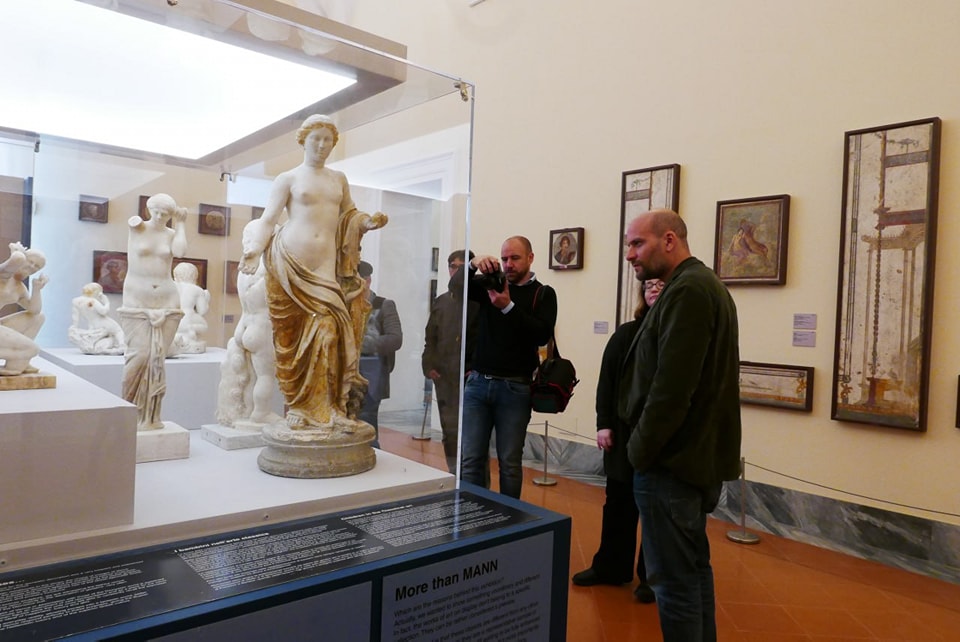
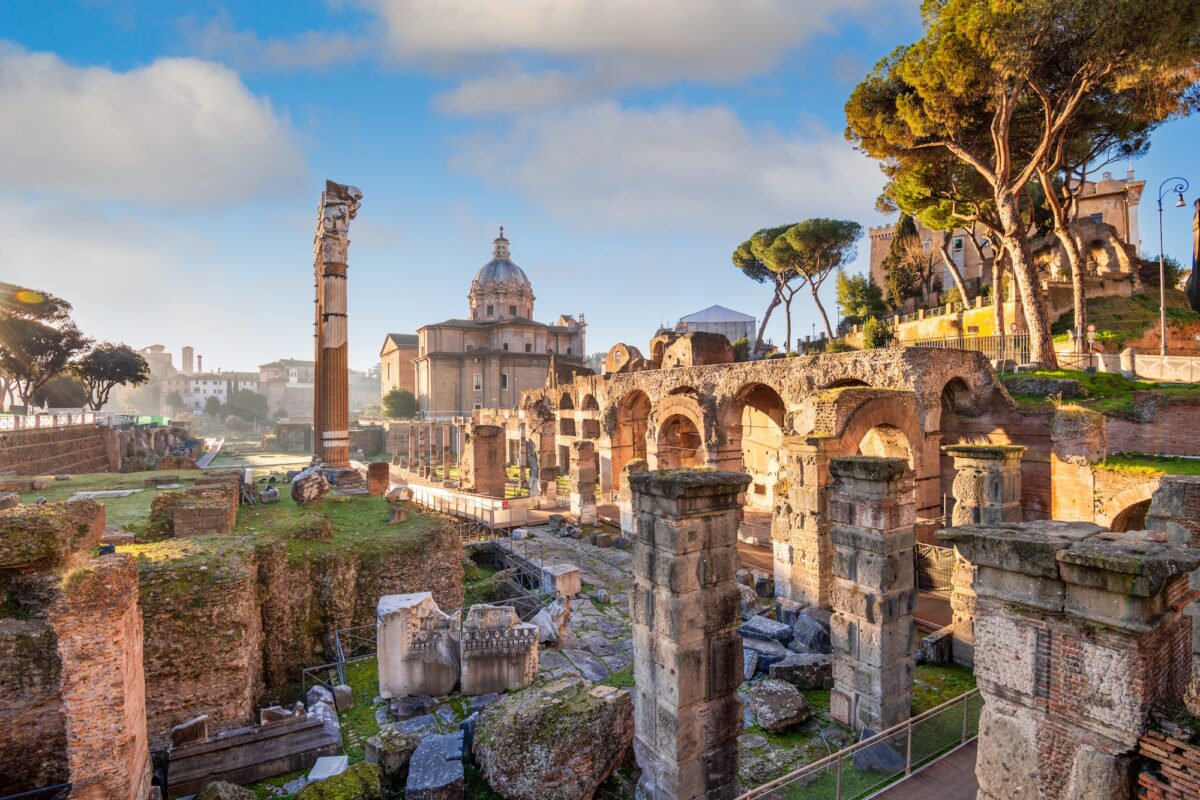
Many of the project’s tools and methods were demonstrated through public exhibitions. These included the ‘Perceive Isis’ Colours’ installation designed by CNR and the National Archaeological Museum of Naples (MANN). This invited visitors to explore the colours of the Temple of Isis in Pompeii through a collaborative multisensory experience including 3D visualisation (‘The Gifts of Isis’ installation) and to discover the complexity of colour analysis and reconstruction (Echoes of Loss).

Similarly, the ‘Tiny Conservators’ temporary exhibition at the Munch Museum in Oslo sought to engage families using game-based interactions to communicate conservation challenges, while the ‘Fragile Colours’ exhibition in Trondheim shared with citizens the challenges of autochromes’ colour conservation and restoration, while demonstrating the potential of digital colour-restoring tools.

“PERCEIVE developed a Design Toolbox to help museums, designers and educators create meaningful digital and hybrid experiences,” adds Pescarin. “Rather than treating visitors as passive viewers, the project explored how digital heritage can foster care, authenticity and participation.”

From theory to real-world demonstration

For Pescarin and her team, a key success of the project has been to move beyond theory into real-world demonstration. At Digital Heritage 2025 in Siena, the ‘Perceive Isis’ Colours’ innovation received the Best Digital Heritage Exhibition Award.

“The next step is to bring these methods into everyday museum and professional practice,” notes Pescarin.

“We think that PERCEIVE’s results can support conservators, exhibition designers, educators and digital archivists, to name a few. The work will also continue through related European research, including COLOURS, which builds on PERCEIVE’s outcomes.”
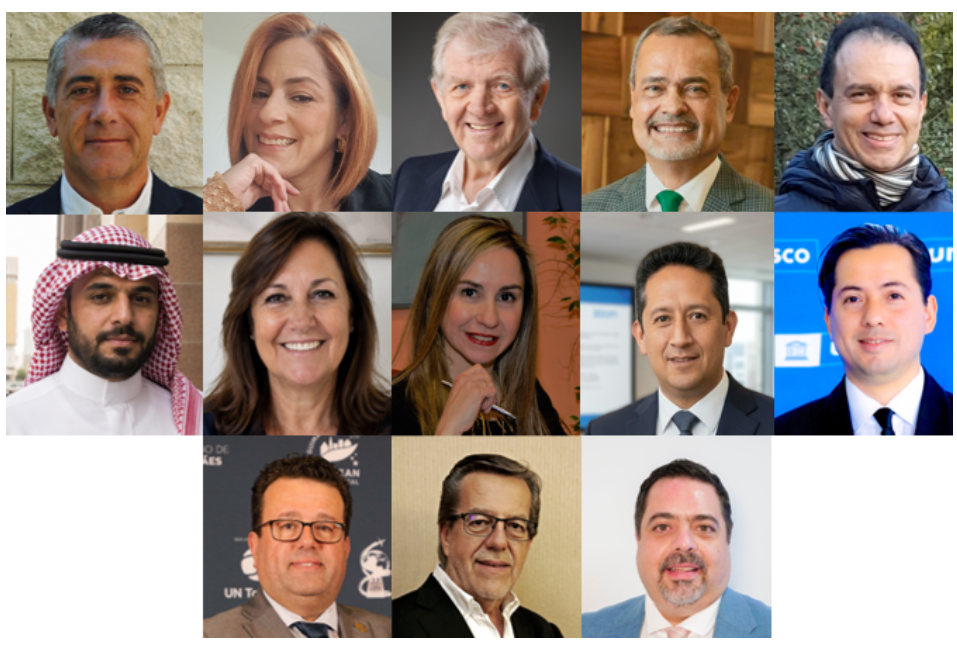
The new composition brings together experts from Europe, the Americas and the Middle East to advance the organization's global, sustainable and innovative vision through 2030

The Tourism and Society Think Tank (TSTT) has completed the renewal process of its governing bodies with the re-election of Mr. Antonio Santos del Valle as President of the institution and the appointment of a new international Steering Committee that will serve until May 1, 2030. The new structure brings together distinguished professionals and experts from a wide range of countries and disciplines, further strengthening TSTT’s position as an international benchmark for reflection, analysis and knowledge generation on tourism and society.

In accordance with the organization's statutes governing the electoral process, the new Steering Committee officially took office on June 1, concluding a renewal process aimed at strengthening the institution’s strategic capacity and international outreach in a context marked by profound transformations within the tourism sector.

The new governance structure will consist of twelve members, representing a reduction in size compared to the previous committee, in accordance with the resolution adopted on February 11, 2026, with the objective of promoting a more agile, efficient and strategically aligned management model.

The Steering Committee will continue to be chaired by Mr. Antonio Santos del Valle, a professional with extensive international experience in tourism, institutional cooperation and academia, who has led numerous initiatives related to tourism research, innovation and sustainable development.

The governance structure will also include Dr. Félix José España González, legal representative of TSTT and a recognized specialist in institutional management and strategic advisory services.

The new Steering Committee brings together highly respected professionals from different countries and fields of expertise, reflecting the global, diverse and multidisciplinary nature that defines the Tourism and Society Think Tank. Its members include:

  • Arturo Moreno (Brazil–Spain), a professional with extensive experience in his field and a strong track record in tourism and cultural development initiatives.
  • María Concepción García Gómez (Spain), a specialist with broad professional experience in management and institutional relations.
  • Paul Anthony Beswick Báez (Dominican Republic), an international professional with experience in tourism- and cooperation-related projects.
  • Giulia Bianchi (Italy), an executive specializing in international tourism management and cruise operations.
  • Faisal Al-Harbi (Saudi Arabia), a hospitality professional with an outstanding track record in luxury hotel management and tourism operations development.
  • Max Haberstroh (Germany), a leading international consultant in sustainable tourism, with more than four decades of experience in tourism development projects.
  • Thelma Gómez Román (Colombia), a recognized expert in tourism, institutional relations and the MICE industry.
  • Mario Roberto Maldonado Samayoa (Guatemala), a specialist in cultural heritage and international cooperation.
  • Marco Antonio Abastoflor Portugal (Bolivia), an academic and researcher with extensive experience in sustainable tourism and higher education.
  • Hugo Marcos (Portugal), Secretary General of the International Committee of Tourism Film Festivals (CIFFT) and an expert in destination audiovisual promotion.
  • José Manuel Gutiérrez Rodríguez (Spain), a journalist, editor and photographer specializing in tourism, with more than twenty-five years of experience in tourism communication and outreach.

Among its responsibilities, the Steering Committee will represent TSTT at national and international forums and events, provide strategic guidance to the Presidency, evaluate and monitor projects and initiatives, and identify new lines of action that contribute to the organization’s growth, positioning and impact. Committee members will also participate in the periodic assessment of the organization’s activities and undertake institutional representation duties whenever required.

With this renewed composition, the Tourism and Society Think Tank reaffirms its commitment to advancing a more sustainable, innovative and inclusive tourism model. The experience, diversity and international perspective of its members will contribute to strengthening TSTT’s role as a global reference in knowledge generation, multidisciplinary dialogue and the development of forward-looking proposals for the future of tourism.

Looking ahead, participants agreed on the strategic importance of the new hotel connectivity standard, supported by UNE178 and European measurement methodologies.

The Digital Tourist 2026 Congress, held on May 8, once again placed technological innovation at the center of the tourism debate. Among the most outstanding sessions of the event, the MD8 Roundtable: “Hotels and Connectivity” focused on an element now considered strategic for the sector: the quality of digital connectivity as a key factor in hotel competitiveness and in the success of tourist destinations.

Connectivity is no longer a complementary service; it has become an essential component of the traveler experience. Institutional experts and private-sector representatives participating in the panel agreed on the need to move toward common and measurable standards capable of guaranteeing reliable, secure networks adapted to the new demands of the digital tourist.

In this context, the UNE 178 standard was highlighted as a fundamental framework for the development of smart tourist destinations, integrating connectivity within a broader vision of quality, innovation and sustainability. This standard depends on the standardization committee chaired by SEGITTUR, an organization linked to the Secretary of State under the Ministry of Tourism. Speakers emphasized that alignment between regulation, technology and management is essential for destinations to compete in an increasingly digitalized environment.

Special attention was also given to ICTES (Spanish Institute for Tourism Quality) and its long-standing role in promoting hotel quality certifications, widely recognized across the sector as a guarantee of excellence. During the discussion, participants stressed that these certifications are evolving to incorporate new dimensions related to digitalization, where connectivity plays a decisive role in customer perception of quality.

The work of the Instituto Tecnológico Hotelero (ITH) was also recognized as a key driver of innovation within the hotel industry. ITH is making a decisive contribution to the design of new hotel connectivity models aimed at improving the guest experience, optimizing operational management and strengthening the competitiveness of hotels within tourist destinations.

One of the most significant moments of the MD8 session was the reference to MEDUX urban connectivity quality certifications, designed to evaluate the real digital infrastructure capacity of tourist destinations. Within this framework, the City Council of Benidorm received a connectivity quality certificate, recognizing its commitment to high-level urban connectivity and reinforcing its position as an innovative destination prepared for the 21st-century traveler.

Looking ahead, participants agreed on the strategic importance of the new hotel connectivity standard, supported by UNE178 and European measurement methodologies. This standard will establish objective criteria regarding coverage, capacity, stability and user experience, becoming a key tool to increase the competitiveness of both hotels and tourist destinations as a whole.

The Strategic Role of OTAs in Connectivity Quality

The MD8 panel also addressed the growing role that OTAs (Online Travel Agencies) can play in the adoption and consolidation of a connectivity quality standard. In an environment where booking decisions are heavily influenced by the digital experience, having a recognized connectivity certification would allow OTAs to display this attribute as an objective and comparable criterion, much like sustainability or hotel quality certifications are highlighted today.

As a result, hotels investing in connectivity certification would gain greater visibility and differentiation across distribution channels, while OTAs would enrich their offerings with high-value information for travelers. This alignment between hotels, destinations, certifying bodies and commercial platforms was identified as a decisive factor in strengthening customer trust and improving the digital reputation of destinations.

The panel concluded with a clear message: connectivity has become a strategic pillar of tourism. Collaboration between standards such as UNE 178, ICTES certifications, innovation driven by ITH, MEDUX quality audits and the amplifying role of OTAs will be essential to building a more competitive, intelligent and digitally focused tourism model centered on the traveler experience.

Digital Tourist 2026, under the strong leadership of AMETIC and with Benidorm as its paradigm, shows how Spain is building a new tourism model based on data, Artificial Intelligence and collaborative platforms designed to improve the lives of citizens and visitors

Benidorm has once again become the great laboratory of Spanish smart tourism. Digital Tourist 2026, organized by AMETIC, confirmed that tourism is undergoing a historic transformation in which data, Artificial Intelligence and digital governance are no longer futuristic concepts, but real tools capable of improving the experience of tourists and citizens alike. 

Held under the slogan “Smart DMO: Infrastructure, Data and Intelligence to Compete,” the congress brought together public administrations, technology companies, tourism organizations and destinations from across Spain with a common objective: to build a more efficient, sustainable, human-centered and predictive tourism model. 

The main conclusion of the event was clear: the success of a destination no longer depends solely on attracting more visitors, but on managing territories more efficiently, anticipating problems and using technology to improve urban coexistence. 

In this new scenario, Benidorm emerges as the paradigm of what can be called “neo-tourism”: a model in which technology ceases to be invisible and becomes an essential infrastructure serving people. 

The Mediterranean city showcased during the congress how it integrates mobility data, water management, waste systems, environmental sensors and tourist behavior into a unified platform capable of offering a real-time global view of the destination. 

The purpose of this model is not technological in itself. The goal is to reduce congestion for citizens, improve services for tourists, create smoother mobility and allow administrations to make decisions before problems arise. 

One of the most significant announcements was the consolidation of the Intelligent Destination Platform (PID), promoted by SEGITTUR and the Spanish Government. More than 600 Spanish municipalities are already using this common infrastructure to integrate tourism information, sustainability indicators, mobility data and visitor behavior. 

The PID has become one of the great democratizing tools of Spanish smart tourism, enabling small municipalities to access advanced technology without relying on large investments or complex technical structures. 

José Estévez, senior manager of the PID project at SEGITTUR, perfectly summarized the philosophy of this new model: a destination is not smarter because it has more technology, but because it uses technology to solve real problems for people. 

This human dimension became one of the major themes of the congress. 

The Diputació de Barcelona presented a study covering 183 municipalities which revealed that 86% still lack a digital tourism roadmap and that more than half do not even have full-time specialized technical staff. To combat this technological inequality, the institution developed the MIT-DIVAP program, specifically adapted for small municipalities. 

This vision was also strongly reflected during the joint workshop organized by Telefónica and the Provincial Council of Ourense, where one of the major challenges of smart tourism was addressed: how to bring digitalization to provinces with limited resources, small municipalities and reduced technical structures. During the session, Frédéric Vieuxmaire, Head of Smart Cities, Tourism and Mobility at Telefónica Spain, emphasized the need to create collaborative ecosystems that allow small destinations to access technologies that until now were only available to large cities. 

Meanwhile, destinations such as Valencia, Zaragoza and Seville defended the need to share data and experiences in order to anticipate challenges such as tourism saturation, urban mobility and pressure on public services. 

Digital twins were another major highlight of Digital Tourist 2026. 

Valencia explained how it uses digital replicas of the city to manage emergencies and urban mobility following the experience of the DANA storms, while Benidorm showcased one of the most advanced tourism management ecosystems in Europe. 

Telefónica’s keynote connected directly with many of the debates raised throughout the congress, while also offering a very clear diagnosis of the real state of tourism digitalization in Spain. Ainhoa del Val, Head of Smart Cities, and Carlos Pardo, Head of Smart Cities and Tourism at Telefónica Spain, explained how many tourism destinations have digitalized reactively over the years, responding to funding opportunities, specific budgets or isolated initiatives, resulting in fragmented and poorly connected technological ecosystems. 

According to Telefónica, the major challenge now is not to continue accumulating tools, but rather to organize, connect and make interoperable everything that already exists. In this context, they defended the role of the Intelligent Destination Platform (PID) as a common infrastructure capable of integrating technologies, data and services regardless of the digital maturity level of each territory. Del Val also proposed structuring this technological evolution into four layers — infrastructure, applications, data and governance — progressing in a coherent and sustained manner to avoid further fragmentation. 

Artificial Intelligence also played a central role. 

Carlos Gómez, CEO of AIKO CONTENT FACTORY, explained that two out of every three travelers already use tools such as OpenAI ChatGPT, Google Gemini or Perplexity AI before deciding on a tourist destination. 

Meanwhile, Microsoft, through Alejandro Mullor, predicted that agentic AI will completely transform the relationship between tourists, companies and destinations, enabling personal assistants capable of organizing entire trips in real time. 

However, Digital Tourist also made clear that smart tourism cannot forget inclusion. Accessibility emerged as a strategic criterion of the new digital tourism model. During the congress, it was highlighted that travelers with accessibility needs spend an average of 200 euros more per trip and that projects such as Spot4Dis demonstrate how technology can improve the integration of people with disabilities within tourism destinations. 

Another major milestone of the event was the announcement by Mastercard and Correos regarding the incorporation of the Camino de Santiago into the global Priceless network, becoming the only non-country destination integrated into this international platform present in 50 countries. 

The initiative also includes a specific digital prepaid card for pilgrims and strengthens the international projection of the Camino de Santiago ahead of the Holy Year 2026. 

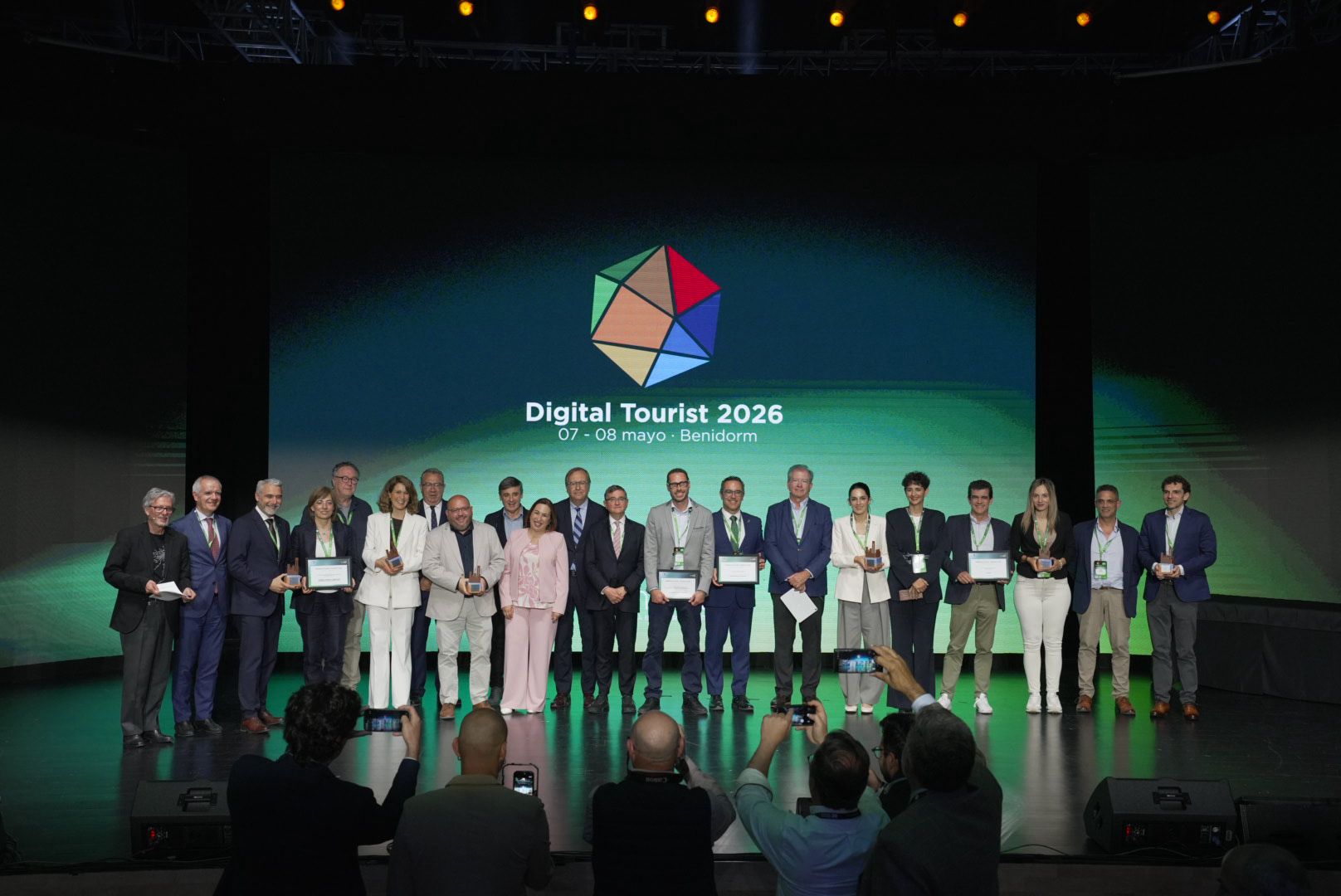
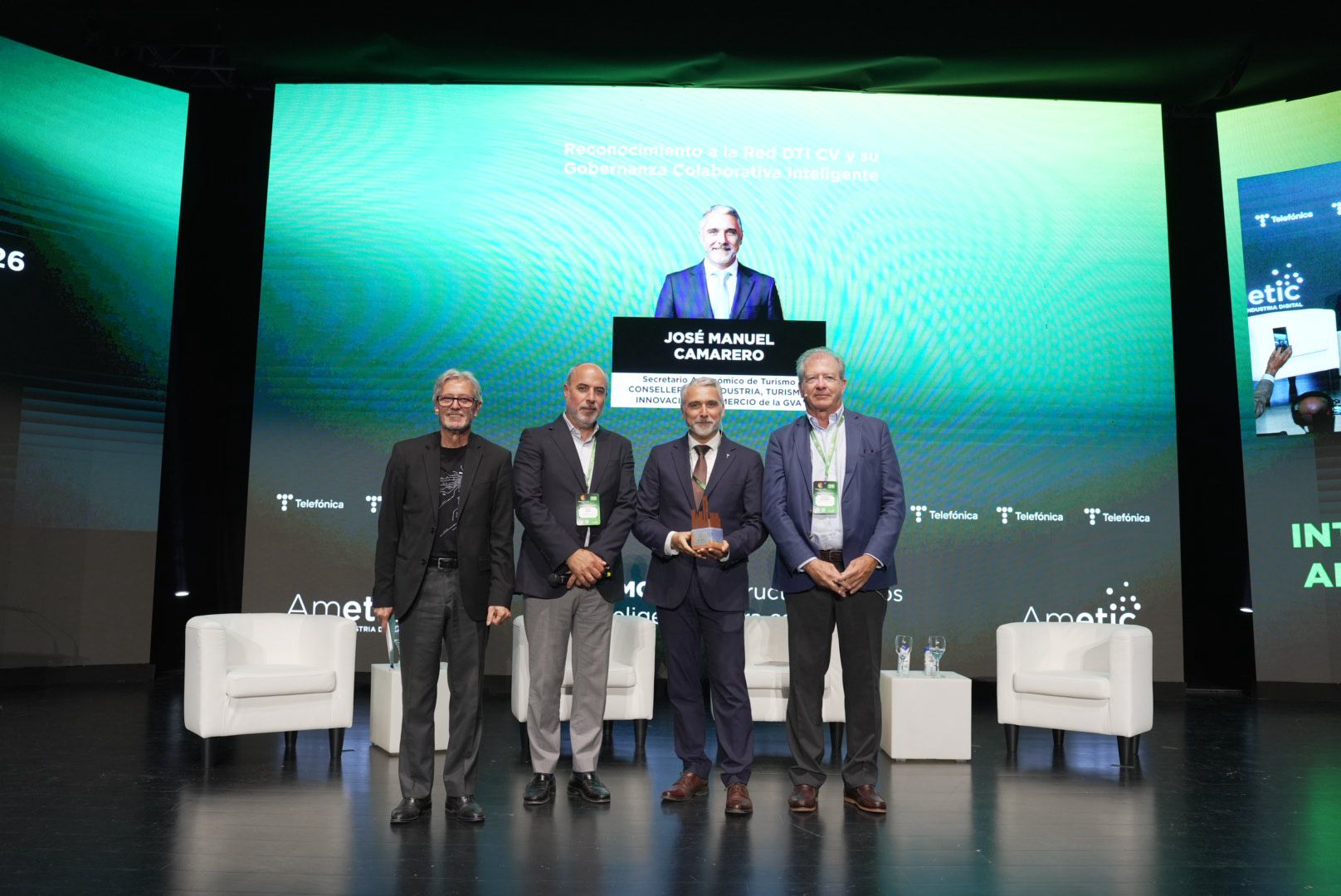
The congress concluded with the Digital Tourist 2026 Awards ceremony, recognizing innovative projects from Turismo de Aragón, Benidorm, Valencia, Castilla y León and several Spanish technology companies. 

Digital Tourist 2026 demonstrated that Spain does not only aspire to remain a global tourism powerhouse because of its beaches, gastronomy or historical heritage. 

The true objective now is to lead the tourism of the future: a tourism where data helps care for cities more effectively, where technology improves citizens’ quality of life and where destinations such as Benidorm become international benchmarks for a new generation of intelligent, sustainable and deeply human territories. 

By Manuel Tarín Alonso.

SMARTeeSTORY launches a web-based tool to help improve the energy performance of Europe’s historic buildings without compromising our cultural heritage

The EU-funded SMARTeeSTORY project has launched a new Smart Readiness Indicator (SRI(opens in new window) Calculation Web Tool) to help speed up the digital and energy transition of Europe’s non-residential historic buildings. The tool helps building owners, energy experts and public authorities assess how ready historic buildings are to adopt smart technologies while still respecting their unique identities.

Historical buildings are important landmarks reflecting Europe’s diverse cultural identity, so improving their energy performance without damaging historical integrity is a challenge. Developed by SMARTeeSTORY partner TECNALIA, Spain, and further enhanced in collaboration with project coordinator RINA Consulting, Italy, the web-based tool is aimed at achieving precisely that. It provides a user-friendly interface for assessing smart readiness. It also helps users set targets based on economic, energy or environmental priorities, provides tailored suggestions for smart solutions to increase SRI scores, and also includes a financial module offering high-level estimates of savings and cost-effectiveness. The tool is based on Method B – Expert SRI Assessment, as defined in the European Commission’s official SRI framework(opens in new window).

Testing on real buildings

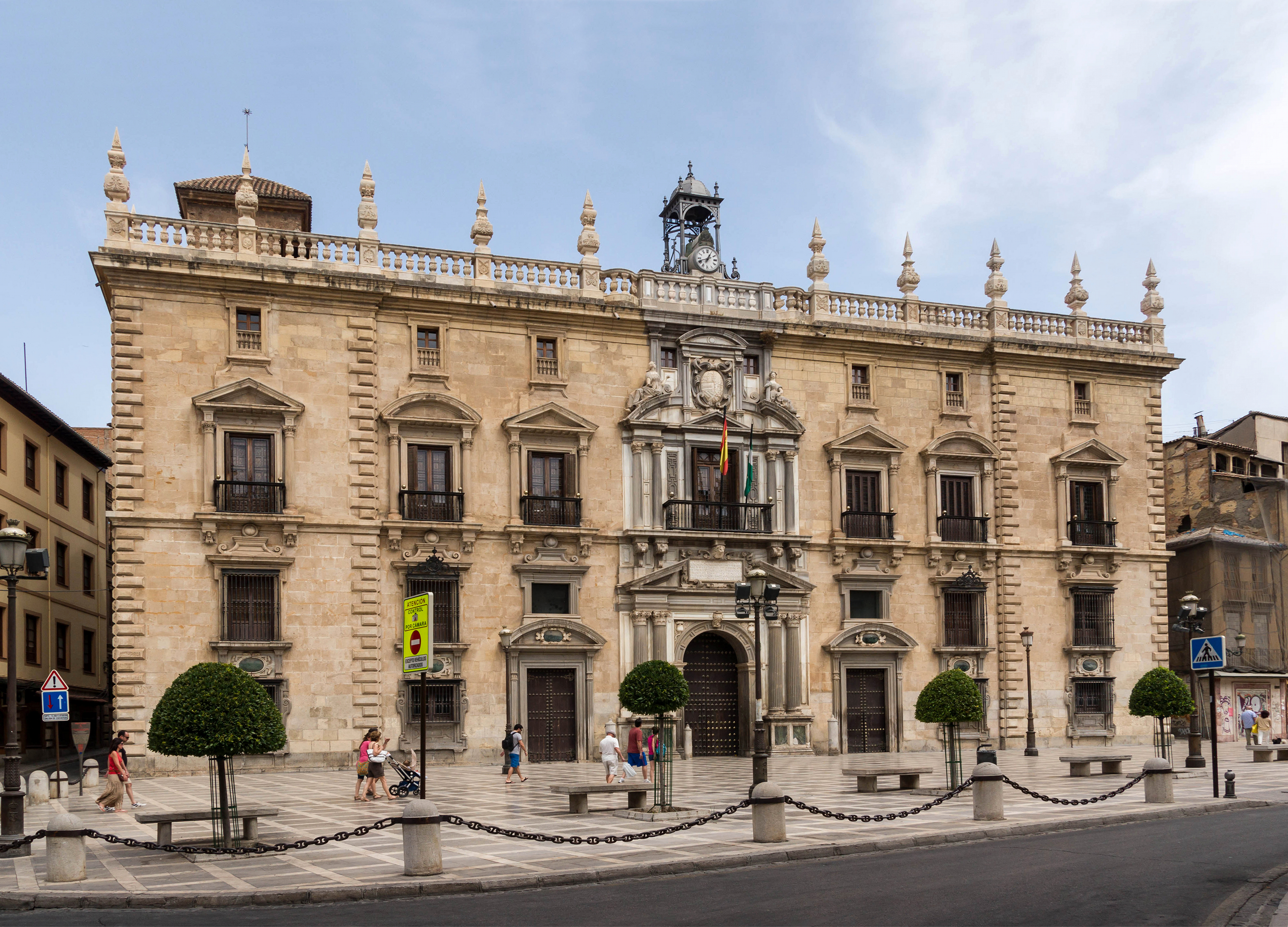
The SMARTeeSTORY web tool was tested on historic non-residential buildings in three locations with diverse geographical and climatic conditions: Riga City Hall in Latvia, Delft University of Technology’s Faculty of Architecture in the Netherlands and the Royal Chancellery of Granada in Spain. The tool was used to assess both baseline and post-intervention scenarios for the three heritage-protected buildings.

“The analysis showed substantial improvements in smart readiness. After the project intervention, Riga is expected to reach an SRI score of 83% and Delft 77%, while Granada is projected to reach 71%, corresponding to readiness class B,” reports an ‘idw’ news item(opens in new window). “The results confirm that, although achieving a perfect SRI score is rarely feasible in real buildings, historic buildings can still reach high levels of smart readiness through carefully selected digital upgrades.”

While tailored to historic buildings, the web tool is also applicable to other types of buildings, thus ensuring scalability across the European building stock. It can be used by building owners and facility managers, energy auditors, and SRI assessors, architects, engineers and researchers, as well as municipalities and other public authorities, to make informed decisions on planned renovations.

Smart progress in Granada

All smart systems have now been validated and activated in the demo site in Granada. Once the power devices, smart blinds, photovoltaics, sensors and local network connections for the automation systems were installed, Italian project partner Schneider Electric performed the commissioning and start-up. “The automation server is now generating and storing data locally, data that will play a crucial role in supporting the next phases of the project,” reports another news item(opens in new window) posted on the SMARTeeSTORY (Integrated, interoperable, smart and user-centred building automation and control system for better energy performance of non-residential historic buildings coupling physics & data-based approaches) website. “In the upcoming monitoring phase, data will be collected from the system to inform how Granada’s Royal Chancellery building progresses in becoming a smart heritage building.”

Image:The Royal Chancellery of Granada in Spain. 

The most significant advancement lies in the potential to replace traditional physical documents, such as passports and boarding passes, with digital credentials stored on mobile devices

The global aviation industry is approaching a turning point following confirmation that digital identity for international travel is not only viable, but also secure and efficient. This has been demonstrated by the International Air Transport Association after a series of real-world trials involving airlines, airports, governments, and technology providers across Europe and the Asia-Pacific region. The results point toward a profound transformation in the way people travel.

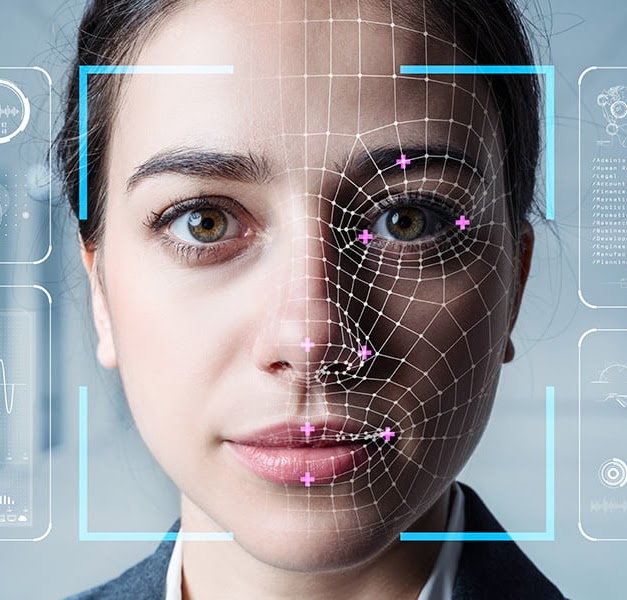
The most significant advancement lies in the potential to replace traditional physical documents, such as passports and boarding passes, with digital credentials stored on mobile devices. These credentials, combined with biometric verification systems, enable passengers to complete the entire airport journey without presenting paper documentation, streamlining processes and significantly reducing waiting times.

The proof-of-concept trials conducted by IATA have shown that travelers can enroll remotely in digital identity systems, securely share their data before departure, and be verified using biometrics at multiple checkpoints throughout the airport. This model eliminates repetitive manual checks and creates a continuous passenger flow from check-in to boarding, greatly enhancing the overall travel experience.

One of the most relevant aspects of this development is the interoperability achieved between different systems and stakeholders. The trials demonstrated that a single digital identity can be used throughout the entire journey, even across itineraries involving multiple airlines, airports, and technological platforms. This integration capability is essential to ensure scalability and enable global adoption in the future.

Additionally, the ability to share identity data in advance—always with the passenger’s consent—allows for pre-travel screening processes. This reduces congestion at airports and improves operational efficiency. The approach benefits not only travelers but also airlines and authorities, which can optimize resources while strengthening security without adding friction to the journey.

In this context, biometrics plays a central role by replacing manual identity checks with automated systems that ensure both speed and accuracy. The combination of these technologies paves the way for a “contactless” travel model, where passengers move smoothly through checkpoints without interruptions or the need for constant physical interaction.

The trials have also confirmed that the technology required for this transformation is already available and operational. Solutions such as global digital wallets and national identity programs have been successfully implemented in real scenarios, proving that technical infrastructure is no longer a barrier to deployment.

However, the main challenge to large-scale adoption is not technological, but regulatory. IATA emphasizes the need for governments to accelerate the issuance and recognition of Digital Travel Credentials, which are secure digital versions of passports. Without harmonized legal frameworks and effective international coordination, global implementation could face significant limitations.

In this regard, the organization identifies three key areas of action: developing legal and technical frameworks for issuing digital credentials, adapting border control systems to validate them, and strengthening international cooperation to ensure interoperability. These factors will be crucial in building a truly global digital travel ecosystem.

The impact of this transformation extends beyond passenger experience. The digitalization of identity in air transport is expected to enhance security, optimize operational costs, and improve the management of passenger flows in a context of growing demand. It also positions the aviation sector as a leader in adopting advanced technologies aimed at efficiency and sustainability.

Ultimately, digital identity is emerging as a cornerstone of a new era in commercial aviation. With the technology already validated and functioning, the future of international travel will largely depend on the ability of governments and industry stakeholders to coordinate efforts and accelerate implementation. The result will be a safer, faster, and more efficient system, better aligned with the demands of an increasingly connected world.

From the Amazon rainforest to the Andes mountains, as well as deserts, volcanoes, glaciers, and extensive coastlines, the region offers a wide range of activities such as hiking, rafting, surfing, and mountaineering

Latin America is emerging as one of the key drivers of global adventure tourism, as travelers increasingly seek active experiences, closer contact with nature, and alternatives to mass tourism. The region has positioned itself as a strategic destination within this segment, reaching an estimated market value of $39 billion.

This growth is no coincidence. Latin America’s geographical and cultural diversity provides an ideal setting for adventure tourism. From the Amazon rainforest to the Andes mountains, as well as deserts, volcanoes, glaciers, and extensive coastlines, the region offers a wide range of activities such as hiking, rafting, surfing, and mountaineering.

The rise of this segment also reflects a shift in traveler behavior. Increasingly, tourists are looking for transformative, personalized, and sustainable experiences. Latin America has successfully capitalized on this trend by offering products that combine nature, local culture, and outdoor activities.

Countries such as Costa Rica, Peru, Chile, and Colombia have become leading destinations in this niche. In Costa Rica, for example, tourism is a key economic pillar, with a strong focus on ecotourism and adventure experiences that contribute to both revenue generation and environmental conservation.

The economic impact of adventure tourism goes beyond headline figures. It creates significant multiplier effects in local economies, particularly in rural or remote areas. The need for guides, local operators, transportation, and related services supports job creation and fosters small business development.

Moreover, this type of tourism often involves longer stays and deeper engagement with local communities, leading to a more balanced distribution of economic benefits. Unlike mass tourism, it promotes decentralization and regional diversification.

Environmental awareness is another key factor. With its rich biodiversity, Latin America appeals to travelers seeking sustainable experiences. Activities in national parks and protected areas enhance the region’s value proposition.

However, this growth also presents challenges. Increased visitor numbers can put pressure on fragile ecosystems if not properly managed. Experts emphasize the importance of sustainable development models that balance economic growth with environmental protection.

At the same time, the region continues to improve infrastructure and connectivity, strengthening its global competitiveness. Increased air routes, investment in tourism services, and sector professionalization are key factors in this progress.

In a global context where travelers are seeking authentic and alternative experiences, Latin America stands out as a diverse, accessible, and competitively priced destination. Adventure tourism is thus becoming a major lever for economic development, provided it is managed with long-term sustainability in mind.

Believes that integrating a wider hotel offering will not only attract new users, but also increase repeat bookings across both traditional establishments and alternative accommodations

Airbnb has officially confirmed its intention to strengthen its positioning as a comprehensive hotel-booking platform, a strategy that represents a significant shift from its traditional business model centered on alternative tourist accommodation and that aims to compete directly with the sector’s major intermediaries. The company, long associated with the rise of vacation rentals, is increasingly steering its growth toward the hotel segment, identifying it as a clear pathway to expand its market and consolidate its presence within the global travel distribution ecosystem.

This move is not improvised. It builds on a prior testing phase carried out in strategic cities such as Madrid, New York, San Francisco, and Los Angeles, where the platform brought in boutique and independent hotels to assess demand behavior and the operational viability of the model. The results have been strong enough to support a more ambitious expansion of this business line, which is already growing at a faster pace than the company’s overall average.

During the presentation of its financial results for the fourth quarter of 2025, Airbnb’s Chief Financial Officer, Ellie Mertz, explained that the company plans to extend this offering into new key markets before the end of the year, emphasizing that early indicators point to considerable potential. She noted that, while hotel bookings currently represent a single-digit share of the total nights booked on the platform, the momentum within this category suggests it can become a meaningful growth engine and an effective lever for gaining market share against other industry players.

Airbnb’s push into hotels follows a clear strategic logic: broaden the target market and capture existing demand from travelers who want more diverse options within a single platform. The company believes that integrating a wider hotel offering will not only attract new users, but also increase repeat bookings across both traditional establishments and alternative accommodations, creating a multiplier effect on the overall volume of transactions.

This approach signals an evolution in Airbnb’s corporate vision. The company no longer seeks to be seen merely as a marketplace for private homes; instead, it is moving toward becoming a full travel distribution ecosystem. In that context, the gradual inclusion of hotels is not framed as a departure from its original essence, but rather as a natural extension of its value proposition—one designed to meet the needs of an increasingly hybrid traveler whose preferences are less tied to traditional accommodation categories.

The strategy can also be read as a competitive response to mounting market pressure and the continued dominance of large booking platforms that control global hotel distribution. By strengthening its inventory of professional properties, Airbnb aims to compete on more equal footing with these giants and to win over segments of demand that have so far remained outside its most intuitive reach.

From an industry perspective, the move carries notable implications, further blurring the boundaries between tourism intermediation models. The convergence of alternative and hotel accommodation within a single platform reflects a broader trend toward integrated supply, where users prioritize convenience, price transparency, and ease of comparison over the provider’s type. As travelers search and book across multiple touchpoints, platforms that can aggregate choice and simplify decision-making gain a structural advantage.

Market analysts view this decision as a sign of corporate maturity, typical of technology companies that, after consolidating an initial niche, diversify their services to sustain long-term growth. For Airbnb, systematically adding hotels could also increase resilience against regulatory changes, demand fluctuations, or local restrictions affecting short-term rentals, by balancing its product portfolio with more professionally managed inventory.

With this initiative, Airbnb is not merely expanding its catalog; it is redefining its competitive positioning within the global travel industry. If the planned rollout materializes within the announced timeline, the sector may see a meaningful reshaping of the digital travel distribution landscape—one in which platforms are differentiated less by the type of accommodation they offer and more by their technological capabilities, international reach, and ability to attract and retain travelers at every stage of the booking journey.

ECHOES has launched its second call for projects to raise awareness of its Cultural Heritage Cloud and expand its community

The EU-funded ECHOES(opens in new window) project has launched a new call(opens in new window) to support digitisation, preservation, research and collaboration in Europe’s cultural heritage sector. The second of its calls so far, it aims to promote engagement and collaboration with its Cultural Heritage Cloud.

Delving into the cloud

The Cultural Heritage Cloud – also called the European Collaborative Cloud for Cultural Heritage, or ECCCH – is a shared platform created by ECHOES. It connects cultural heritage institutions (CHIs), including museums, archives, libraries, researchers and conservators across the EU, providing them with access to data, scientific resources, training and advanced digital tools tailored to their needs.

The platform is built on the principles of open science, which support inclusion and make knowledge and digital resources accessible to all. Its purpose is to foster a digital environment where a new kind of shared heritage – known as the Digital Commons – can emerge.

About the call

Launched in September 2025, the call is part of the ECHOES Cascading Grants Programme. It targets non-profit CHIs – especially small and medium-sized ones – working to raise awareness of the ECCCH and expand its community. Participating institutions will receive assistance in overcoming challenges related to digital transition, while also promoting cross-border cooperation and innovation.

The call will support up to 20 projects, with up to EUR 29 800 available per project. Projects should involve CHIs working with tangible and/or intangible heritage and support skills development and capacity building, especially for small and medium-sized CHIs. Participating CHIs must deliver results within 12 to 24 months.

There are several benefits to taking part. The call offers CHIs the opportunity to collaborate across disciplines and borders and boosts visibility and international reach. It makes it possible to manage and share collections cost-effectively through the platform, in a collaborative environment. It also provides access to cutting-edge digital tools that many CHIs would otherwise not be able to afford. Last but not least, it enables CHIs to create virtual exhibitions, 3D reconstructions, educational apps and other innovative services.

What should projects keep in mind? They should have a wide geographical reach and engage a significant number of CHIs. Activities supported by the call include workshops, webinars, online courses, toolkits, manuals and other training materials, and informational events on ECCCH benefits, as well as surveys to identify sector challenges and opportunities. Other activities include helpdesks providing tailored support and feedback, and hackathons, co-design sessions and other creative engagement formats.

More details about the call can be found in the Guide for Applicants that can be downloaded(opens in new window) from the second call page of the ECHOES (European Cloud for Heritage OpEn Science) website. To help interested heritage professionals and researchers, the project held an information session(opens in new window) on 6 November 2025 that can now be viewed on YouTube. The deadline for submissions is 30 January 2026.

Featured

Most Read

We use cookies

We use cookies on our website. Some of them are essential for the operation of the site, while others help us to improve this site and the user experience (tracking cookies). You can decide for yourself whether you want to allow cookies or not. Please note that if you reject them, you may not be able to use all the functionalities of the site.