Green New Deal

Innovative approaches to sustainability, renewable energy, and a greener future.

All data gathered is integrated in real time into the city's Smart City Platform, enabling monitoring of both energy production and consumption

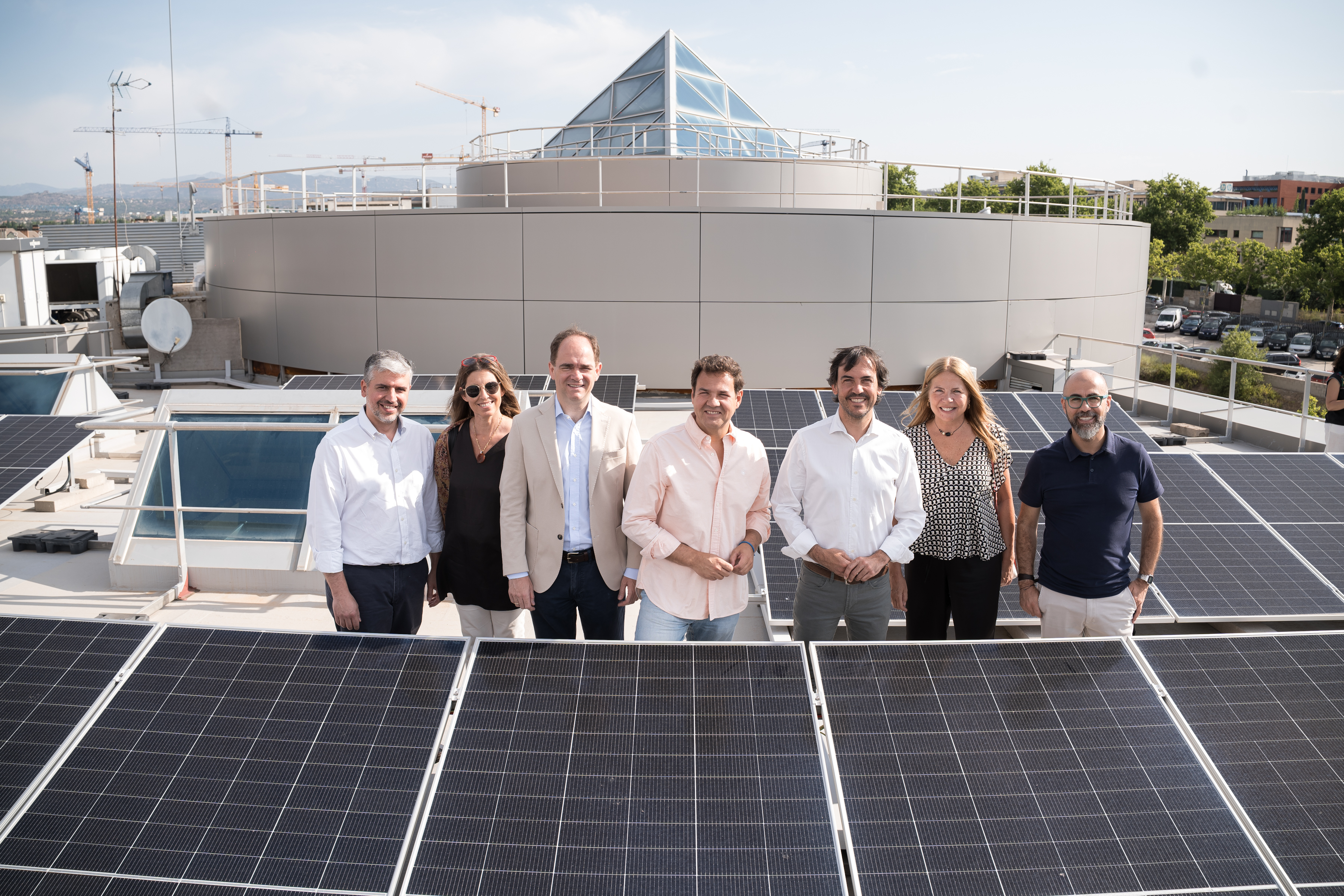
The Las Rozas City Council has reached one of the major milestones in its strategy as a smart city and a benchmark in energy efficiency. The city has just taken a huge step forward in its Energy Efficiency Plan, successfully completing the project—launched in 2023—to install solar panels across all municipal buildings. This comprehensive project, carried out by Las Rozas Innova, the Municipal Company for Innovation and Technological Development, has brought solar energy to 30 municipal buildings, with more than 3,000 photovoltaic panels now generating 2.4 gigawatt-hours a year, equivalent to the annual consumption of 700 households.

With this milestone, Las Rozas ranks among one of the first cities in Spain to achieve full solar coverage of its public infrastructure, reinforcing its leadership in sustainability, innovation, and the energy transition.

This is a project that Las Rozas City Council, through Las Rozas Innova, has carried out over three years, divided into two phases. In the first phase, which began in summer 2023, 1,800 photovoltaic panels were installed across all municipal schools and sports centres: 11 public schools and 4 sports facilities. 

In the second phase, which has just been completed, 1,200 photovoltaic panels have been installed at another 15 municipal facilities, including the City Hall, the El Abajón Municipal Centre, El Baile and Las Matas senior centres, the Las Matas Civic and Social Centre, SAMER-Civil Protection and Local Police headquarters, La Cigüeña María and Juan Ramón Jiménez nursery schools, Joaquín Rodrigo Auditorium, León Tolstoi, Ortega y Gasset and Marga Gil Roësset libraries, as well as, Youth Centre and Pérez de la Riva Cultural Centre.

A more sustainable and efficient city

"With the completion of this major municipal building self-consumption project, we continue moving toward our goal of turning Las Rozas into a more efficient, innovative and sustainable city. Thanks to Las Rozas Innova, we are not only generating clean energy but also applying technology to management, thereby cutting costs, reducing emissions and improving the services we provide to residents," said the Mayor of Las Rozas and Chairman of Las Rozas Innova, José de la Uz, who has visited the solar installation at León Tolstoi Library together with Rafael García, Deputy Minister for the Environment of the Madrid Region. 

The results obtained to date further confirm the project's positive impact. On average, municipal buildings are already saving 30% on energy costs thanks to an investment of close to 2 million euros made over the past three years. In addition, the Public Building Self-Consumption Plan will help avoid the emission of approximately 600 tons of CO₂ per year, a reduction equivalent to the absorption capacity of nearly 30,000 trees, directly contributing to the municipality's climate goals.

Las Rozas Public Building Self-Consumption Project is part of the city's Energy Efficiency Plan, which also includes a series of other energy-related actions carried out by the Department of Infrastructure and Public Works that will allow the municipal coffers to save two million euros in 2026. Notable actions include the analysis and monitoring of all consumption (water, gas and electricity) at public facilities, and the modernization of municipal infrastructure, outdoor lighting and the lighting of sports facilities and municipal buildings.

Smart management and real-time monitoring

One of the key differentiators of the Public Building Self-Consumption Plan is the integration of all data from the photovoltaic installations into the Las Rozas Smart City Platform, which enables Las Rozas Innova, as the city's energy manager, to monitor both energy production and consumption across all municipal buildings in real time. This information facilitates energy audits, the analysis of consumption patterns and the identification of new savings and efficiency opportunities, optimizing the management of public resources through advanced technological tools.

A comprehensive strategy to reduce the carbon footprint

Las Rozas Energy Efficiency Plan is part of the City Council's strategy known as Las Rozas Objetivo Cero 2030 (Net Zero Target 2030), which brings together initiatives carried out by the various areas of the municipal government and Las Rozas Innova aimed at reducing the city's environmental footprint, such as the Sustainable Urban Mobility Plan (SUMP), Las Rozas Recarga the public charging network for electric vehicles of Las Rozas, the renovation of street lighting with LED technology, the reforestation of natural areas, and smart climate control and irrigation systems. Thanks to this combined set of actions, the municipal carbon footprint has already been reduced by more than 67%.
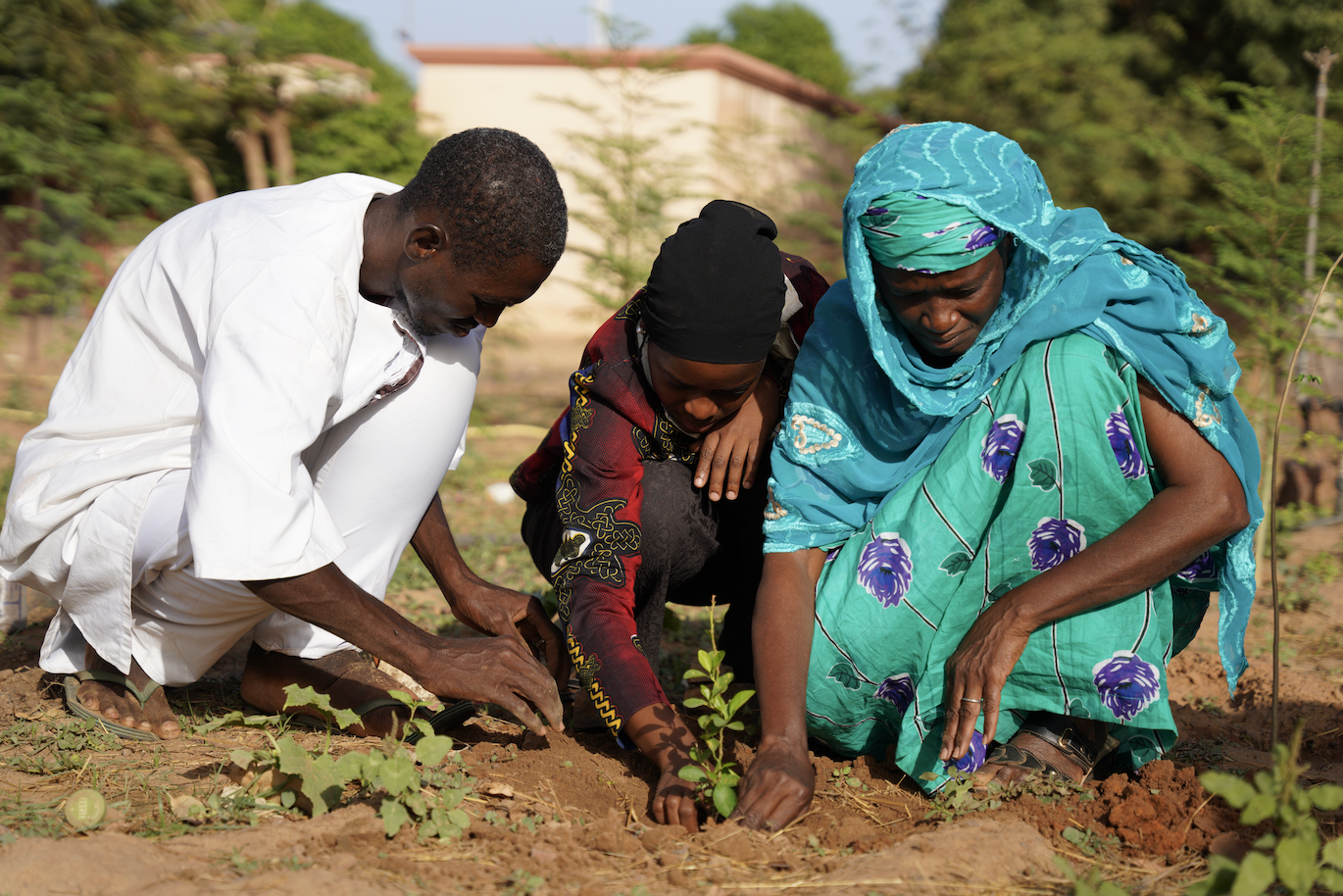
The project is expected to recover and valorise more than 960 tonnes of plastic waste annually, create 150 jobs, provide training in recycling and circular production to 150 people, and support the planting of 50,000 trees, directly benefiting 8,500 people and indirectly improving the lives of more than 28,300 residents of Bamako

In a milestone for the circular economy in West Africa, Ayuda en Acción and adaPETation® (IMG Group) are proud to present the second phase of the innovative Bamagreen project, which transforms plastic waste into useful products for construction and electrification, as well as recycled flakes that reintroduce the material into the value chain. The project creates green jobs, promotes the social inclusion of young people and women, and strengthens the resilience of vulnerable and displaced communities in Bamako and the Ségou region.

The project, submitted through a consortium formed by Ayuda en Acción and IMG Group, has received funding from the Spanish Agency for International Development Cooperation (AECID), in line with its Sixth Master Plan and the Country Partnership Framework for Mali. This ensures that the intervention focuses on priority areas and contributes to strategic development objectives related to the circular economy, environmental sustainability, youth employment and social inclusion.

Bamagreen: Phase II forms part of Plastic2Prosperity, the global initiative of adaPETation®  (www.adapetation.net), which provides advanced recycling technology adapted to local conditions and combined with a community-centred approach. The project is expected to recover and valorise more than 960 tonnes of plastic waste annually, create 150 jobs, provide training in recycling and circular production to 150 people, and support the planting of 50,000 trees, directly benefiting 8,500 people and indirectly improving the lives of more than 28,300 residents of Bamako. 

"Bamagreen: Phase II demonstrates that it is possible to turn an environmental challenge into an opportunity. This project promotes decent employment, strengthens local capacities, and generates sustainable solutions led by the communities themselves, especially by women and young people. Thanks to the support of AECID, we are building a circular economy model with the potential to be replicated in other territories across Africa," said Marta Tietz Laranjinha, Regional Director for Africa at Ayuda en Acción.

The project builds on IMG Group’s experience in Portugal, where more than 200,000 tonnes of plastic waste have been recycled and transformed into high-quality products. In Mali, this technology is being adapted through semi-industrial machinery and scalable modular systems capable of processing up to 80 tonnes of plastic per month, combining production, technical training and environmental awareness activities.

Bamagreen: Phase II is rooted in a participatory local development approach, in which women and young people, particularly those in vulnerable situations, are the driving force behind the transition towards a fairer, more resilient and more environmentally sustainable model.

The intervention is based on a multi-stakeholder approach that brings together civil society organisations, the private sector, social enterprises, local authorities and government technical services in a strategic alliance to promote sustainable and replicable solutions.

By strengthening the technical, organisational and productive capacities of women and young people in the peri-urban areas of Bamako, and by coordinating actions among public, private and community stakeholders, the project will contribute to the creation of decent jobs, the reduction of plastic waste pollution and the improvement of local environmental sustainability.

This transformation will be achieved through a sequence of outcomes: first, the recycling value chain will be strengthened through collection, processing and commercialisation activities; second, green training and employment opportunities will be created; in parallel, reforestation and environmental awareness initiatives will be promoted; and finally, local innovation and knowledge management will be encouraged.

The project contributes directly to Sustainable Development Goal (SDG) 12.5 by promoting the reduction, recycling and reuse of plastic waste. From an environmental perspective, it also supports SDGs 13.2 and 13.3 by integrating climate change considerations into local policies and educational processes.

Bamagreen: Phase II further promotes youth employment and productive inclusion in line with SDGs 4.4 and 8.6. In addition, it incorporates a strong gender and youth perspective, aligned with SDGs 5.5 and 10.3, encouraging meaningful participation by women and fostering equal opportunities.

The programme offers a replicable and scalable model that combines technical efficiency, economic sustainability and social transformation. Its innovation lies in closing the plastic loop from collection to the production of certified materials, reducing dependence on imports, lowering the carbon footprint and creating skilled employment opportunities for young people and women.

Through Bamagreen: Phase II, Ayuda en Acción and adaPETation®, with the support of AECID, demonstrate that the circular economy can become a driver of inclusive development that is environmentally sustainable and economically viable in Mali.
Photo credit: Juan Luis Rod - Reforestation project Bamagreen: Phase II

Thousands of teenagers across Europe have tracked plastic pollution in rivers, and the data they collected is starting to make waves

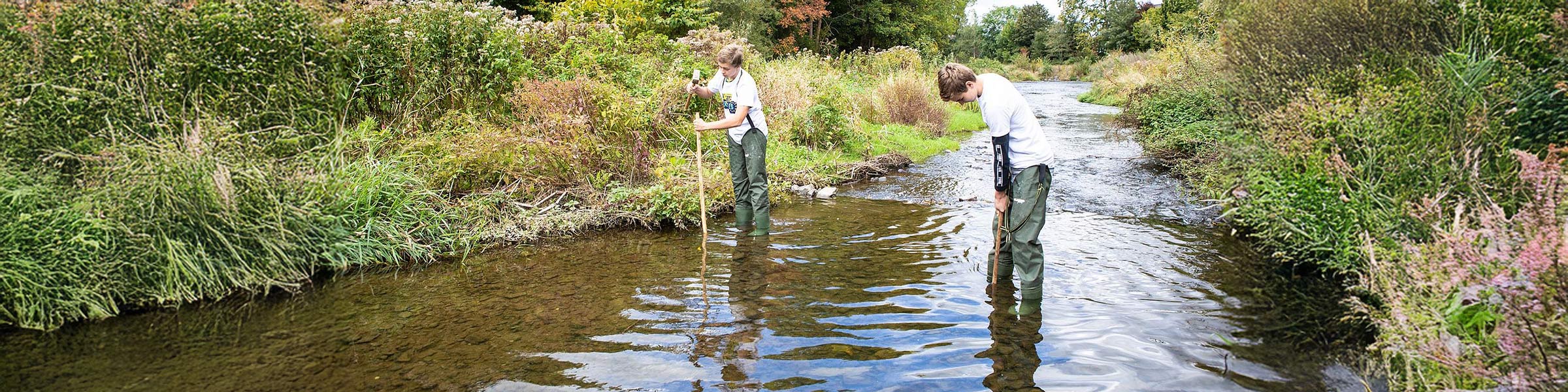
Along a small stream in Spain, groups of teenagers are at work. One hovers around a black tarpaulin covered in wet pieces of plastic. Another stands on a small bridge, fishing with a net. Others sort small pieces of plastic, cigarette butts and various other things they’ve recovered from the stream.

What looks like a school outing is in fact part of a European experiment. Can pupils help fill a significant data gap on plastic in rivers and support an EU-wide drive to clean up our waters?

From Germany to 14 countries

Plastic Pirates – Go Europe! is a citizen science initiative that started in Germany in 2016 to enlist the wider public in scientific research. It gave pupils aged between 10 and 18 the responsibility to monitor plastic pollution in streams and rivers.

The idea grew out of concern that rivers and streams, where plastic often starts its journey, receive far less attention than coastlines.

An EU-funded project called PlasticPiratesEU took the original German initiative and scaled it across Europe from 2022 to 2025. Today, the Plastic Pirates campaign continues in several countries, with national teams still supporting schools and fieldwork.

“Rivers account for 70% of plastic that flows into oceans,” said Philip Ackermann, the coordinator of PlasticPiratesEU, who works for the DLR Project Management Agency in Germany. “At the same time, there’s a huge data gap. We don’t know how much plastic is flowing down these waterways.”

Over those three years, the initiative moved from national campaigns to coordinated fieldwork across Europe. It involved schools and research partners in 14 EU countries – all following one common scientific protocol.

Between 2022 and 2025, more than 25 000 teenagers sampled 390 rivers, streams and beaches across Europe. Armed with nets, gloves, notebooks and cameras, they helped create one of the first large-scale open datasets on plastic pollution in European rivers and waterways.

The data has been made freely available through Zenodo, an open research repository, and EMODnet, an EU platform that brings together environmental and marine data from around Europe.

The team also published Lessons Learned from Upscaling a Citizen Science Initiative Across Europe, a practical guide sharing 12 hands-on tips for teachers, researchers, policymakers and environmental groups interested in developing similar citizen science activities.

A separate coastal booklet expanded the effort to beaches, offering young people step-by-step guidance on collecting scientific data along coastlines.

The work contributes to the EU Mission: Restore our Ocean and Waters, which aims to protect and restore marine and freshwater ecosystems by 2030. By feeding fresh, comparable data into European databases, PlasticPiratesEU gives the Mission another tool to understand where pollution is most severe and how it changes over time.

From riverbank to database

The teenagers taking part in this effort are split into four groups, each with a different task. One takes a section of the river and tracks the quantity of plastics they encounter. Another collects and categorises the plastic litter they find.

A third group tracks microplastics by using a fine mesh net, which is sent to a lab to see how many small plastic particles were caught.

A fourth handles the final task: verification. They take as many pictures as possible of the entire process. These pictures are then used by researchers to double-check what the pupils caught and see whether they made the right calls.

“One of the reasons why there’s this data gap on plastics in rivers is that it’s immensely costly to do,” said Ackermann. “Through PlasticPiratesEU, we can do it in a more cost-effective way.”

But is this data credible? Can teenagers with no scientific training match the precision of professional researchers? Ackermann thinks so.

“We found that the data is quite reliable,” he said. “If you take a lot of samples, the importance of individual errors is reduced. On top of that, we check all the results through the photos.”

Teenagers, he added, are often very keen to follow protocols like professional researchers and approach the work seriously. For many, it is a first chance to wear gloves, record field observations and see their findings become scientific evidence.

“At some points, the children’s data has actually proven more reliable than the ones gathered by professional researchers,” Ackermann said.

Findings and impact

Meritxell Abril Cuevas, a freshwater ecologist, is one of the researchers who guided the pupils. She works at the Beta Tech Centre, a research centre focused on biodiversity, ecology and food technology and affiliated with the University of Vic – Central University of Catalonia, Spain.

Working with the teenagers, with support from the Spanish Foundation for Science and Technology, has given her pollution data from rivers and streams that would otherwise be impossible to gather at this scale.

“I like to work with them a lot,” said Abril. “Of course, teenagers are at a complicated age. But when they get excited by science, that’s very rewarding.”

The researchers have started to identify regional pollution patterns across Europe. Spain, Abril’s home country, stands out for one particular kind of pollution.

“In Spain, for example, a surprising amount of pollution came from wet wipes, which isn’t the case in other countries,” she said. “These insights might help drive policy changes in the future.”

But some types of pollution keep coming up, wherever you look. In all countries, single use plastic items such as straws, food containers or plastic bags make up the majority of litter. The researchers found that residents and visitors near beaches or rivers were among the main sources of plastic pollution.

Plastic Pirates also aims to teach children about the harm plastic pollution causes. “That’s one of the primary motivations for what we do,” said Ackermann.

“If you want to tackle plastic pollution in the future, you have to raise awareness among the younger generations. They are the ones who will need to combat this problem head on. If they are already aware of the extent of the problem in school, then you go to the root cause.”

Teachers also noticed an unexpected side effect. “They said that their classrooms are tidier after the pupils take part in the initiative,” laughed Ackermann. “Apparently, when confronted with the scale of the pollution issue, teenagers start taking better care of their own environments.”

Text: Tom Cassauwers

Image: Teenagers throughout Europe are turning river plastic into powerful scientific data. © BMBF/Gesine Born

This article was originally published in Horizon the EU Research and Innovation Magazine.

LUMINOSITY develops the first-ever flexible perovskite solar roof tile

The EU-funded LUMINOSITY(opens in new window) project recently reached a groundbreaking milestone in renewable energy technology. Coordinated by the Netherlands Organisation for Applied Scientific Research (TNO), this initiative has successfully delivered what is believed to be the world’s first electrically functioning flexible perovskite solar roof tile. The innovation marks a significant leap forward in building-integrated photovoltaics, offering a pathway to the generation of sustainable electricity without compromising architectural aesthetics or taking up additional land.

Efficiency, even on a curve

Traditional solar panels often face limitations regarding their placement and visual integration, particularly in urban environments and heritage sites. The LUMINOSITY project addresses these challenges by developing lightweight, flexible perovskite solar modules that can conform to curved surfaces. Researchers at TNO successfully applied a flexible perovskite solar module onto a curved composite roof tile, achieving an energy efficiency of 12.4 %. Remarkably, individual flexible modules demonstrated efficiencies of up to 13.8 % before being integrated, proving that the bending process required to fit the module to the tile’s shape has only a minimal impact on performance. This confirms the viability of flexible perovskite technology for real-world applications.

“To the best of my knowledge, this is the world’s first electrically functioning solar roof tile concept based on flexible perovskite solar cells,” comments Ilker Dogan, Senior Scientist at TNO Solar, in a recent press release(opens in new window). The project’s success extends beyond mere functionality, it demonstrates industrial readiness. The materials and production processes employed are fully compatible with large‑scale roll‑to‑roll (R2R) manufacturing under standard industrial conditions. This aligns perfectly with LUMINOSITY’s core objective to strengthen Europe’s position in next-generation solar manufacturing by closing the efficiency gap between small-scale lab processing and large-scale R2R production.

The development represents a complete innovation pathway, progressing from laboratory test cells to 10 X 10 cm flexible modules and, lastly, to a fully integrated solar roof tile. One of the key performance indicators for LUMINOSITY was enabling large-area uniform perovskite solar cell deposition via R2R techniques. The project has shown that minimal efficiency loss is achievable even when scaling up by a factor of 1 000 from a lab-scale cell (about 20 mm) to a module system (up to 400 cm). Furthermore, the use of R2R-compatible flexible substrates, materials and solvents proves that efficient perovskite cells can be produced using scalable methods. Roland Valckenborg, Senior Project Manager at TNO Solar, explains: “This technology allows roofs and infrastructure to produce sustainable electricity without compromising design.”

Communities and spin-offs

Looking ahead, LUMINOSITY will focus on improving the lifetime, reliability and scalability of these flexible modules to prepare for market deployment. To speed up the transition to commercialisation, TNO recently launched the spin-off company Perovion Technologies. LUMINOSITY (Large area uniform industry compatible perovskite solar cell technology) is also providing open and long‑term access to its growing collection of scientific publications, public deliverables, presentations and other resources through its recently launched Zenodo community(opens in new window)

An interdisciplinary project is designing and testing solutions to strengthen EU resilience against extreme wildfires through better preparedness, monitoring and response

In the summer of 2025, Europe experienced one of its worst seasons in terms of wildfire damage: a total burnt area of 1 034 552 hectares(opens in new window) was recorded, marking a significant increase from the previous year. The numbers confirm an upward trend: wildfires are becoming more frequent and intense, posing a serious societal and environmental threat.

The EU-funded FIRE-RES(opens in new window) project is pioneering an integrated approach to address extreme wildfires, focusing on science-based multifunctional resilient landscapes, economic incentives for maintaining them, multi-actor governance and advanced technological solutions for enhanced preparedness, detection and response efforts.

A new fire management plan

Traditional wildfire strategies in Europe have focused mainly on early detection and suppression. However, with extreme wildfire events increasing rapidly, this by itself is no longer enough.

“FIRE-RES promotes a shift towards landscape resilience and integrated fire management (IFM), which considers wildfires as part of a broader socio-ecological system rather than an isolated emergency,” says FIRE-RES project coordinator Antoni Trasobares.

To that end, employing the IFM approach means consolidating prevention and preparedness, detection and response, and post-fire restoration and adaptation into a single coordinated framework. This approach involves not only firefighters, but also farmers, foresters, land planners and local communities, who become key players in creating more resilient landscapes.

From concepts to real-world applications

The project has set up 11 Living Labs across the EU and in Chile to test its proposed solutions in real-environment settings and assess how different approaches perform across diverse wildfire scenarios.

The 34 innovative actions implemented include the demonstration of landscape-based prevention strategies – for example combining grazing, forestry and farming practices to reduce vegetation fuel and create natural fire breaks. “These solutions not only lower fire risk but can also support rural livelihoods by linking wildfire prevention to productive land use,” Trasobares adds.

FIRE-RES is also testing new governance and incentive mechanisms, including linking fire-resilient land management to local value chains. The introduction of the Fire Wine(opens in new window) brand is a notable example illustrating how prevention can be financially beneficial for local communities.

Cutting-edge tools to improve prevention and response

FIRE-RES developed and tested monitoring, modelling and decision-support tools together with the end users. These include drone-based fire detection systems, pseudo-satellites for real-time monitoring, improved wildfire risk maps and digital platforms integrating environmental data with operational information for firefighters and land managers.

“By providing more accurate and timely information, these tools help authorities plan interventions, allocate firefighting resources more effectively and improve safety for response teams,” Trasobares says.

Launched simultaneously with the project, the Open Innovation Challenge(opens in new window) extended an open call to stakeholders (innovators, entrepreneurs and researchers) to submit proposed solutions to challenges associated with extreme wildfire risk. The positive reaction led to actions that can successfully be integrated into real operational workflows.

Green gains

Reducing wildfire risks and managing incidents when they occur are crucial for environmental health. By developing strategies that support sustainable land use, FIRE-RES has contributed to protecting ecosystems that are critical for carbon storage, biodiversity and rural livelihoods.

Project work has also supported European targets such as reducing accidental fires, lowering emissions from wildfires and improving the resilience of protected areas, offering a robust basis for implementing the Nature Restoration Regulation(opens in new window) in Europe.

Europe as a wildfire-resilient territory

The solutions and tools developed by the project were designed with a long-term vision in mind: to maintain application long after project closure. To that end, FIRE-RES has adopted an extended framework, whereby the network of Living Labs will continue scaling up successful practices and sharing the knowledge acquired.

“FIRE-RES aims not only to deliver new tools but also to build a lasting culture of integrated wildfire management across the continent,” Trasobares concludes.

“By providing more accurate and timely information, these tools help authorities plan interventions, allocate firefighting resources more effectively and improve safety for response teams,” Trasobares says.

Launched simultaneously with the project, the Open Innovation Challenge(opens in new window) extended an open call to stakeholders (innovators, entrepreneurs and researchers) to submit proposed solutions to challenges associated with extreme wildfire risk. The positive reaction led to actions that can successfully be integrated into real operational workflows.

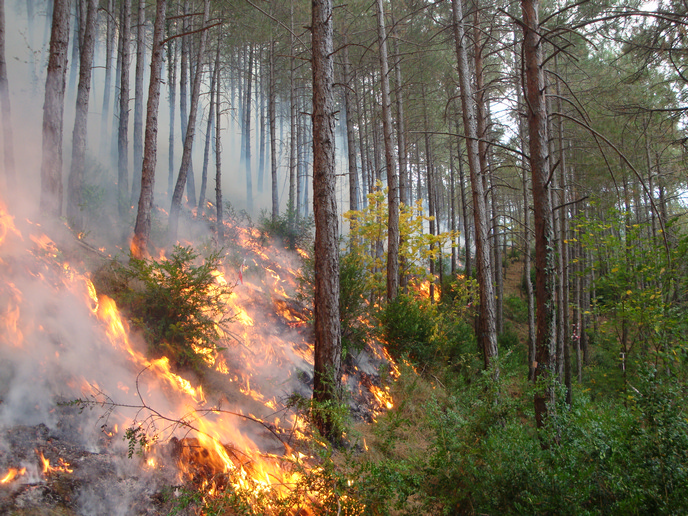
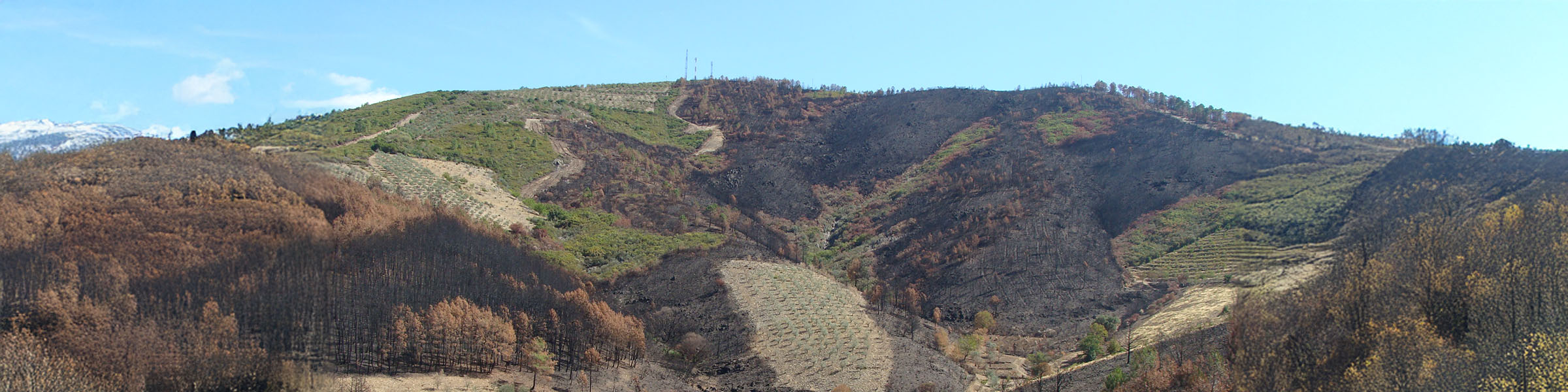
Photo: © Míriam Piqué, CTFC

Researchers have explored a range of solutions to reduce single-use plastics, such as novel fibre-based packaging and reuse schemes

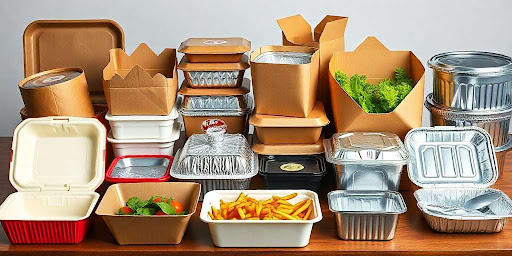
Over a third of solid waste in EU towns comes from packaging. Plastics are the most widely used material, and research suggests the biggest reductions can come from changing the use of multilayer and multimaterial packaging.

While many initiatives have been launched to meet this challenge, progress has remained slow due to the complexity of tackling it. Against this backdrop, retailers have an important opportunity to rethink their delivery chains and drive systemic change.

The EU-funded R3PACK(opens in new window) project explored the potential for fast and extensive uptake of cost-effective innovative technologies that can substitute multilayer plastic packaging with fibre-based alternatives. The project also researched ways to optimise reuse schemes at a large scale.

“Reuse aims to define an economically and environmentally optimised organisation model for returnable packaging, based on systemic regional circular approaches,” explains Frank Gana, deputy CEO and co-founder of (RE)SET. “Substitution aims to develop industrial renewable, recyclable and compostable fibre-based food packaging with at least 80 % cellulose content.”

Optimising innovative packaging solutions

Over 42 months, R3PACK researchers developed new technical solutions to reduce single-use plastic in food packaging, including food safety validation, material and packaging development, industrial trials and extensive consumer engagement.

“This led to robust results and clear recommendations for the large-scale deployment of reuse and substitution solutions,” remarks Gana.

For reusable packaging systems, a selection process of around 250 existing packaging formats led to 64 standardised reusable options. These were tested and found not to be suitable, so new packaging was fully developed for the project.

The team developed food safety and washing protocols, which were tested to simulate reuse cycles in accordance with European regulations. A mathematical model was designed to identify optimal locations for production, washing and distribution under various simulated transport flows.

“The reuse system was progressively tested in retail environments, expanding to 20 stores and nearly 30 product references,” says Gana.

R3PACK experts also produced a series of fibre-based packaging prototypes, tested for various structural characteristics, including bending and sealing strength, using tests ranging from dye and microscopy to pilot equipment.

“The most promising prototypes achieved competitive performance compared with conventional materials with more than 80 % paper and from 90 % to 100 % bio-based content,” notes Estelle Doineau, senior technical consultant at (RE)SET. “These innovations lay the groundwork for large-scale transition and long-term reduction of plastic packaging generation.”

Clarifying the packaging landscape

The team also developed a series of policy recommendations to enable scaling of reuse and fibre-based solutions. “Our main contribution lies in clarifying what is technically feasible today, what remains constrained, and under which conditions large-scale deployment could become realistic,” explains Gana.

The researchers also quantified the main economic and environmental drivers behind the solutions, and created transition scenarios through to 2040. These showed how the market share of reuse and fibre-based packaging could reach substantial levels through harmonised European frameworks and shared infrastructure.

A foundation for scaling circular packaging

R3PACK offered a realistic foundation to assess the potential for scaling circular packaging across Europe – identifying both opportunities and structural challenges.

“Circular packaging will only scale through coordinated action across regulation, finance, education and standardisation – to achieve the broad structural changes that are needed,” adds Gana. “This will allow Europe to move from experimentation to large-scale implementation and adoption.”

From wildfire-resistant landscapes in Spain to flood warning systems in Denmark, researchers are working with local communities to find, test and deploy practical ways to live with climate change – and to share what works across borders

Many people expect a raging wildfire to leave a blackened, lifeless landscape in its wake. But after a blaze swept through Las Hurdes in Extremadura, Spain, in 2009, the scene was quite different. In the midst of the scorched earth were patches of green where healthy trees remained standing and unscathed.

From a distance, it looked as though the flames had simply stopped at their edges. In reality, this was no coincidence.

Fernando Pulido, an ecologist at the University of Extremadura, had been studying ways to slow the spread of wildfires. His research focused on so-called “productive fire breaks” – carefully designed areas where different types of vegetation are managed to make it harder for fires to pass through. The approach in Las Hurdes had worked well.

“You can’t fight fires with just helicopters and water. We need more strategies to make these megafires less destructive,” he said.

The urgency is real. In the summer of 2025, fires burned more than 45 000 hectares of land in Extremadura – one of Spain’s warmest regions and increasingly prone to wildfires. Projections suggest conditions will only become hotter and drier.

More than a decade later, Pulido is building on those early experiments as part of a broader five-year EU-funded research effort called RESIST to help vulnerable regions prepare for the impacts of climate change.

Different places, similar problems?

Extremadura is not alone. Across Europe, many regions are facing different but equally pressing climate risks. Some try to deal with flooding and landslides, others with drought, soil erosion or extreme heat. Researchers are finding that solutions developed for a specific risk in one place can often be adapted elsewhere.

The RESIST team brings together researchers, local authorities and businesses from across Europe to test and refine more than 100 climate adaptation solutions – from new technologies to changes in land management and planning.

The aim is to reduce the time and risk involved for new ideas to move from testing to real-world use.

Many regions share similar environmental conditions, despite being geographically distant. Flood-prone farmland in central Denmark has much in common with river basins in southern Latvia, while the heat and drought affecting Catalonia resemble conditions in parts of southern Italy.

By pairing such areas as “twinning regions” – matched territories that share key climate challenges – researchers and businesses can test whether solutions developed in one location can be transferred to another.

“These regions face many different challenges and have different needs,” said Vilija Balionyte-Merle, RESIST’s project coordinator at the Norwegian research organisation SINTEF.

“You need to speak to the people who live there to really understand their concerns and make a concrete difference. Only then can you consider the most effective solutions and apply them both locally and in the twinning regions.”

Digital tools for climate adaptation

In central Denmark, where flooding is a recurring problem, researchers and businesses are combining several approaches to improve preparedness.

One involves adapting buildings to better withstand floods. Using extended reality tools, residents and planners can visualise what these changes would look like before they are implemented, making it easier to plan and gain public support.

Another strand focuses on early warning. A network of underground sensors is being installed to monitor groundwater levels – often an early indicator of flooding. The data is fed into an early warning app that can alert authorities and residents before water becomes visible on the surface.

Researchers are also creating digital replicas, or “digital twins”, of local landscapes. These models allow different flood scenarios to be tested virtually, helping decision makers choose the most effective measures before investing in physical infrastructure.

Together, these tools – the result of consultation between researchers and the tools’ end users – aim to give communities more time to act and reduce the damage caused when floods occur.

The solutions developed in Denmark will then be applied in similarly affected regions, such as Zemgale in Latvia and Blekinge in Sweden.

Working with nature

Not all solutions rely on technology. In Extremadura, Pulido’s work focuses on reshaping the landscape itself.

Large areas of forest in the region are poorly managed or abandoned, which makes them more vulnerable to fire. With little economic value attached to the land, there is often little incentive to maintain it and protect it from wildfires.

Pulido and his colleagues are working with municipalities to create the kind of productive fire breaks he first tested in Las Hurdes. These are strips of land within forests where vegetation is managed using native, mixed-species plantings – not monocultures like eucalyptus or pine – to reduce fire risk, while also supporting activities such as grazing or the cultivation of fire-resistant crops like olive.

If the land generates income, it is more likely to be maintained.

“Any change to the landscape has to make economic sense, otherwise it won’t last,” Pulido said.

Local authorities, farmers and businesses are closely involved in shaping these measures. The aim is not just to test new approaches, but to ensure they are adopted and maintained over time.

“We’re working with mayors, associations and companies,” Pulido explained. “If they are part of the process, they are more likely to use the strategies we are now developing.”

Such nature-based solutions sit alongside the technological tools being developed in other regions, giving local authorities a wider set of options to deal with floods, wildfires, drought and the other climate risks their regions face.

From local trials to wider impact

It is part of a wider European push to help regions adapt to climate change by the end of the decade as part of the EU Mission on Adaptation to Climate Change.

By 2027, many of the tools being developed, including early warning systems and planning models, are expected to be ready for broader use, though the ambition extends well beyond the project’s end date.

The aim is not only to help the regions directly involved, but to create solutions that can be adopted elsewhere. Taken together, these approaches could benefit millions of people across Europe as they are rolled out more widely and the EU Mission on Adaptation to Climate Change continues to serve European regions.

“We want the tools, strategies and knowledge we develop to keep helping communities adapt to the challenges brought by climate change,” said Balionyte-Merle.

Text: By Bárbara PinhoBy Bárbara PinhoBy Bárbara PinhoBy Bárbara PinhoB  Bárbara Pinho

Photo: Researchers are helping communities turn climate threats into manageable challenges. © Fernando Pulido, 2009

This article was originally published in Horizon the EU Research and Innovation Magazine. 

Europe’s seas are under growing pressure from anthropogenic activity. New genomic and sensor technologies are transforming how we monitor marine biodiversity

Currently, only 2 % of EU seas are covered by marine protected areas, whereas since 1970 there has been a decline of more than 70 % in the average size of wildlife populations. Despite these dismal statistics and need for conservation, marine biodiversity data remain fragmented, unevenly accessible and difficult to integrate across borders. As a result, there is an imminent need for monitoring fisheries, protecting endangered species and restoring habitats.

Connecting fragmented observation systems

The EU-funded MARCO-BOLO(opens in new window) project set out to change this by connecting existing observation capacity, improving technologies and aligning biodiversity monitoring with European and global standards. The project focused on improving access to biodiversity data, developing new monitoring technology and generating predictive models. “Our goal was to strengthen Europe’s base for marine biological observation,” outlines project coordinator Nicolas Pade.

Although Europe has extensive monitoring programmes, lack of coordination across national and regional schemes limits their collective impact. The project’s findings indicate that stronger cross-border coordination could substantially improve biodiversity assessments, particularly in freshwater and coastal systems. To improve data access and reuse, the consortium utilised various platforms (EMODnet, OBIS and GBIF).

Technological innovations

On the technological front, MARCO-BOLO has tested and integrated a range of advanced tools for biodiversity mapping and monitoring. Environmental DNA has been extensively evaluated(opens in new window), demonstrating reliability comparable to traditional sampling methods and, in some cases, superior performance for detecting rare, cryptic or microscopic species.

The project has also integrated satellite remote sensing(opens in new window) with genomic observations to improve predictions of plankton bloom composition.

“A unique development in MARCO-BOLO is the design of software that allows many sensors deployed at the same time to communicate and ensure the accurate geolocation of all samples,” highlights Pade. Large-scale field deployments in the North Sea, involving research vessels, moored instruments and autonomous vehicles, demonstrated the feasibility of integrated, cost-effective monitoring systems.

Engaging stakeholders and shaping governance

Recognising that data only matter if they are used, MARCO-BOLO established a community of practice to connect data generators with policymakers, environmental agencies and other end users. “The aim was to engage with different marine stakeholders to understand their needs and bottlenecks in getting information and data products to the right people and in the right formats,” explains Pade.

Collaboration with initiatives such as Biodiversa+, OBAMA-NEXT and BioEcoOcean has strengthened links to European and global observation frameworks, including GOOS(opens in new window) and GEO BON(opens in new window). These interactions revealed a significant knowledge gap in marine biodiversity within parts of the policy community, underlining the importance of capacity building and clear communication.

A foundation for future monitoring

Beyond specific technologies, MARCO-BOLO’s broader success lies in demonstrating that coordinated European action can enhance marine biodiversity observation. By improving data accessibility and advancing multi-sensor integration, the project has raised the standard for biological monitoring across coastal and oceanic waters.

According to Pade: “The real achievement of MARCO-BOLO is not just collecting more data but integrating biological monitoring into Europe’s observation systems in a coherent and standardised way.” The project now calls on national programmes and EU institutions to build on its recommendations, ensuring that Europe implements marine biodiversity monitoring considering the accelerating environmental change.

From drones and smart cameras to biodegradable packaging, EU-funded researchers are working to remove plastic from rivers before it ever reaches the sea

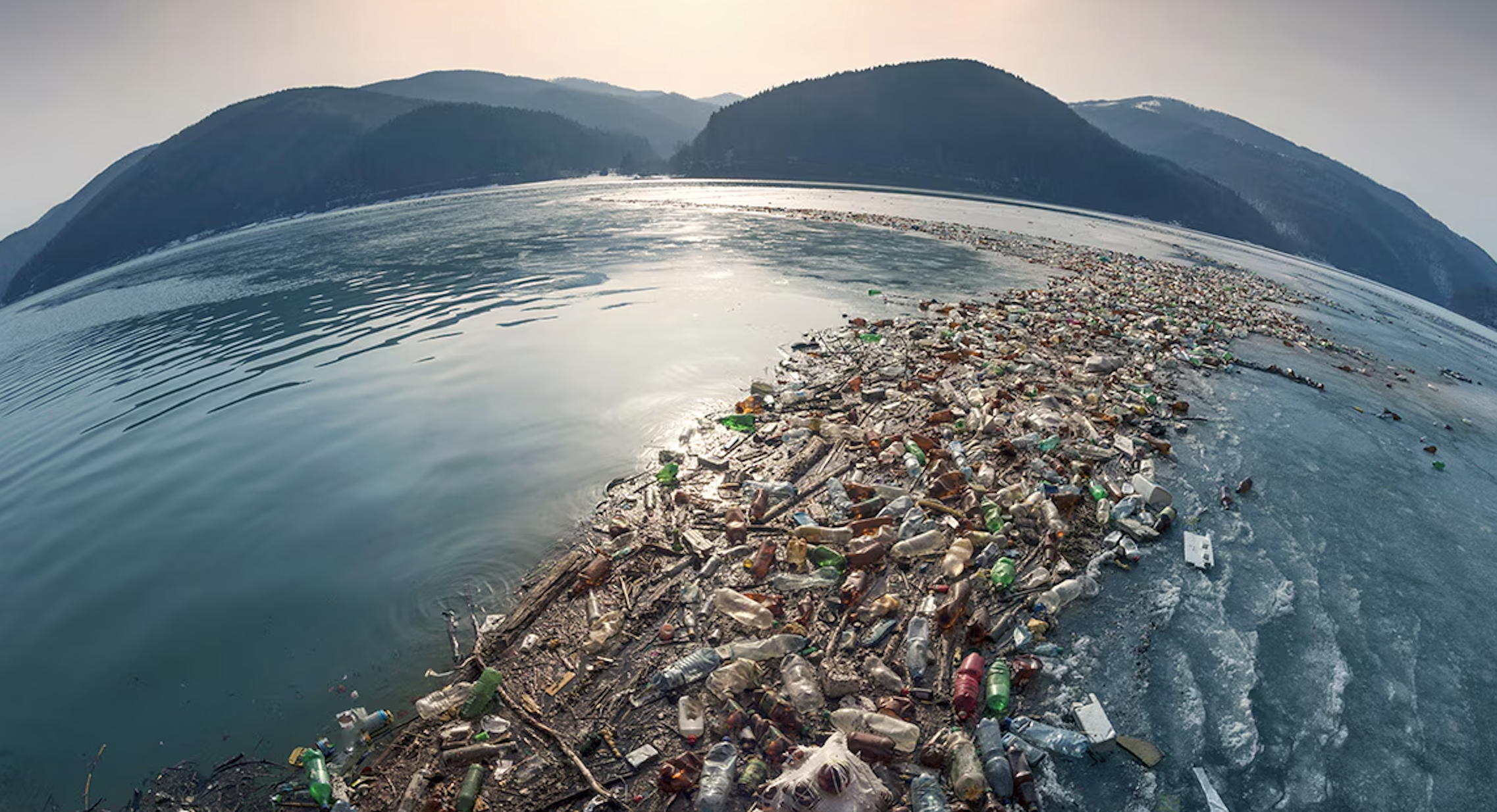
From his bedroom desk in the Belgian town of Dendermonde, Gert Everaert used to watch the river Scheldt flow past. Barges and small boats drifted by. Birds fished. But the river also carried something less picturesque – a steady stream of litter and plastic waste.

“Cars would stop and people threw rubbish straight into the water,” he recalled. “All kinds of trash floated by. That always made me incredibly sad.”

Today, Everaert is no longer just watching. As deputy research director at the Flanders Marine Institute, he now leads INSPIRE, a major EU-funded research initiative bringing together scientists and innovators from 13 EU countries, plus Serbia and Thailand.

Their aim is ambitious but straightforward: stop plastic in rivers before it reaches the ocean – and prevent it from ever entering our waterways in the first place.

The INSPIRE team is developing a wide range of new tools to help clean up Europe’s rivers. From smart detection systems using drones and AI-powered cameras, to clean-up processes capable of capturing even tiny plastic particles. They are also working upstream, trying to stop plastic at the source before it reaches rivers.

Why rivers matter

When people think about waterborne plastic pollution, they often picture vast patches of rubbish swirling in the open ocean or beaches covered in debris. But much of that plastic started its journey inland.

“Most of the plastic pollution in our oceans flows out of rivers,” Everaert explained. “The longer you wait to collect it, the more it breaks down into microplastics and spreads. Cleaning up rivers is the most efficient way to tackle the pollution, besides preventing pollution in the first place.”

INSPIRE is part of a wider European effort to reduce plastic pollution. By 2030, the EU aims to reduce plastic litter at sea by 50% and reduce microplastics released into the environment by 30%. If those targets are to be met, rivers will be central to the solution.

Unlike ocean clean-up projects, which deal with waste that has already dispersed widely, river-based approaches allow researchers to intervene closer to the source – before plastic disintegrates into smaller and harder-to-remove particles.

Stop it at source

When it comes to pollution, prevention matters even more than removal. Once plastic enters a river system, it starts to degrade. Eventually, it breaks down into microscopic particles that are extremely difficult – sometimes impossible – to retrieve.

Everaert points to packaging as one target area.

“Today, vegetables are often packed in plastic, to keep them fresh longer. We’re testing whether we can replace that with chitosan, a biodegradable film derived from shellfish.”

Another target is agricultural plastic. Farmers widely use plastic films for mulching, covering soil to protect crops and retain moisture. But fragments often remain in the soil long after use. INSPIRE researchers are trialling bio-based polymers that could replace these materials and degrade naturally instead of accumulating.

These alternatives are being tested at agricultural sites across Europe. The idea is not simply to invent new materials, but to ensure they work in real-world conditions.

From the Danube to the Douro

The INSPIRE researchers are developing and testing 20 different technologies across six European rivers, including the Scheldt in Belgium, the Rhine in the Netherlands, the Danube in Romania and the Douro in Portugal.

The variety is deliberate.

“Plastic pollution contains many types of polymers, and they come in different forms and sizes,” Everaert said. “In the Danube, pollution looks different than in the Scheldt. There’s no one-size-fits-all solution.”

Some rivers carry large floating debris. Others contain more fragmented or industrial plastic waste. Weather, shipping traffic, urbanisation and local waste systems all influence what ends up in the water.

To better understand and track pollution, researchers are deploying drones and AI-powered cameras that can automatically detect and classify plastic waste along riverbanks and on the water surface. These systems help authorities identify hotspots and act faster.

Smaller than a human hair

The researchers are also developing technologies to remove plastic from the water in all its forms and sizes. One of the most challenging sources of pollution is also the hardest to see: microplastics and nanoplastics.

Microplastics are particles smaller than 5 millimetres. Nanoplastics are smaller still – less than one micrometre in diameter. For comparison, a human hair measures about 70 micrometres across.

These particles are now found almost everywhere – in water, soil, air, and even inside the human body. Scientists are still investigating the full health implications, but early research suggests possible links to inflammation and other health concerns, including cancer, allergies and immune system disorders.

Delvec, a Greek nanomaterials company involved in INSPIRE, is developing a way to remove the tiniest plastic particles from water.

“I think microplastics and nanoplastics are to us what asbestos was to the previous generation,” said Jeorge Deligiannakis, Delvec’s CEO. “We are only beginning to understand the risks, but we need to learn how to remove them.”

Delvec has created a prototype filter that captures nanoplastics without blocking water flow. The filter is coated with specially designed nanomaterials that bind to plastic particles.

“It’s like a reactive powder on the filter surface,” Deligiannakis explained. “It grabs the plastic nanoparticles as the water passes through.”

The prototype has already been tested in Slovenia. However, it still needs to be scaled up to handle the much larger volumes processed in wastewater treatment plants.

“The next step is industrialisation,” Deligiannakis said. “We need to make it robust enough for full-scale treatment facilities.”

Turning the tap off on plastic

The INSPIRE researchers will continue their collaboration until spring 2027. By then, the team hopes to deliver not just individual technologies, but a practical blueprint that can be rolled out across Europe.

“We need to turn off the tap on plastic,” Everaert said. “Most plastic trash accumulates in rivers and can ultimately be flushed to the ocean.”

At the same time, rivers are not just waterways, he points out. They are ecosystems in their own right, rich in biodiversity and essential to human communities.

For Everaert, the mission remains deeply personal. The river he once watched as a boy is now part of a Europe-wide effort to rethink how plastic is used, managed and prevented.

If INSPIRE succeeds, the sight of rubbish drifting downstream could become a thing of the past. Instead of carrying plastic toward the sea, Europe’s rivers may once again run clean.

By Tom Cassauwers

This article was originally published in Horizon the EU Research and Innovation Magazine.

Most Read

We use cookies

We use cookies on our website. Some of them are essential for the operation of the site, while others help us to improve this site and the user experience (tracking cookies). You can decide for yourself whether you want to allow cookies or not. Please note that if you reject them, you may not be able to use all the functionalities of the site.