Culture and Heritage

Artificial intelligence tools and interactive museum experiences are helping to reveal the lost colour of ancient artefacts and providing a clearer snapshot of the past

Museums and heritage professionals face a double challenge. They need reliable scientific methods to analyse and predict colour change, but they also need engaging ways to share this knowledge with visitors. A reconstruction that looks convincing is not enough; it must be transparent about evidence, uncertainty and interpretation.

“Colour is not simply an aesthetic layer,” says PERCEIVE(opens in new window) project coordinator Sofia Pescarin from the Institute of Heritage Science of the National Research Council(opens in new window) (CNR ISPC) in Italy.

“It carries historical, symbolic and emotional meaning. When colours disappear or change, our understanding of the past changes with them. This can lead to distorted interpretations, from the long-standing idea of ‘white antiquity’ to the difficulty of explaining how fragile works should be exhibited without accelerating their deterioration.”

New tools and methods to recover colours

PERCEIVE was launched to address these challenges. Coordinated by CNR ISPC, the project brought together research centres, universities, museums and creative industry partners to apply new tools and methods to recover the colours of the past. These included artificial intelligence (AI)-based processing, image-based rendering and three-dimensional (3D) visualisation.

“The work focused on five types of heritage problems or scenarios,” explains Pescarin. “These were: lost colour in ancient sculpture and architecture; colour change in paintings; fading historical textiles; historical photography and film; and born-digital art (i.e. materials that originated in digital form). This allowed the team to test its methods across very different materials, institutions and conservation problems.”

Out of this work came a number of tools and services(opens in new window) designed for both specialists and wider audiences. The PERCEIVE Platform for example connects digital tools and services. These include new applications such as MuLaX for multilayer Web 3D visualisation, and the Light Damage Estimator for preventive conservation. Other tools developed for restoring early colour photographs (autochromes) as well as for colour simulation and reconstruction have been made accessible.

Citizen-based multisensory experiences

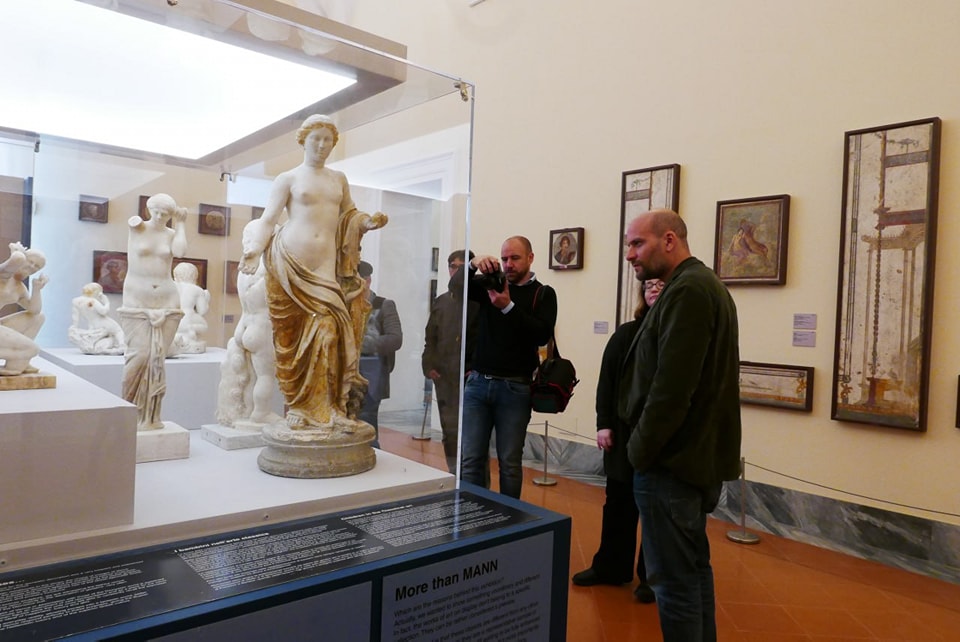
Many of the project’s tools and methods were demonstrated through public exhibitions. These included the ‘Perceive Isis’ Colours’ installation designed by CNR and the National Archaeological Museum of Naples (MANN). This invited visitors to explore the colours of the Temple of Isis in Pompeii through a collaborative multisensory experience including 3D visualisation (‘The Gifts of Isis’ installation) and to discover the complexity of colour analysis and reconstruction (Echoes of Loss).

Similarly, the ‘Tiny Conservators’ temporary exhibition at the Munch Museum in Oslo sought to engage families using game-based interactions to communicate conservation challenges, while the ‘Fragile Colours’ exhibition in Trondheim shared with citizens the challenges of autochromes’ colour conservation and restoration, while demonstrating the potential of digital colour-restoring tools.

“PERCEIVE developed a Design Toolbox to help museums, designers and educators create meaningful digital and hybrid experiences,” adds Pescarin. “Rather than treating visitors as passive viewers, the project explored how digital heritage can foster care, authenticity and participation.”

From theory to real-world demonstration

For Pescarin and her team, a key success of the project has been to move beyond theory into real-world demonstration. At Digital Heritage 2025 in Siena, the ‘Perceive Isis’ Colours’ innovation received the Best Digital Heritage Exhibition Award.

“The next step is to bring these methods into everyday museum and professional practice,” notes Pescarin.

“We think that PERCEIVE’s results can support conservators, exhibition designers, educators and digital archivists, to name a few. The work will also continue through related European research, including COLOURS, which builds on PERCEIVE’s outcomes.”
SMARTeeSTORY launches a web-based tool to help improve the energy performance of Europe’s historic buildings without compromising our cultural heritage

The EU-funded SMARTeeSTORY project has launched a new Smart Readiness Indicator (SRI(opens in new window) Calculation Web Tool) to help speed up the digital and energy transition of Europe’s non-residential historic buildings. The tool helps building owners, energy experts and public authorities assess how ready historic buildings are to adopt smart technologies while still respecting their unique identities.

Historical buildings are important landmarks reflecting Europe’s diverse cultural identity, so improving their energy performance without damaging historical integrity is a challenge. Developed by SMARTeeSTORY partner TECNALIA, Spain, and further enhanced in collaboration with project coordinator RINA Consulting, Italy, the web-based tool is aimed at achieving precisely that. It provides a user-friendly interface for assessing smart readiness. It also helps users set targets based on economic, energy or environmental priorities, provides tailored suggestions for smart solutions to increase SRI scores, and also includes a financial module offering high-level estimates of savings and cost-effectiveness. The tool is based on Method B – Expert SRI Assessment, as defined in the European Commission’s official SRI framework(opens in new window).

Testing on real buildings

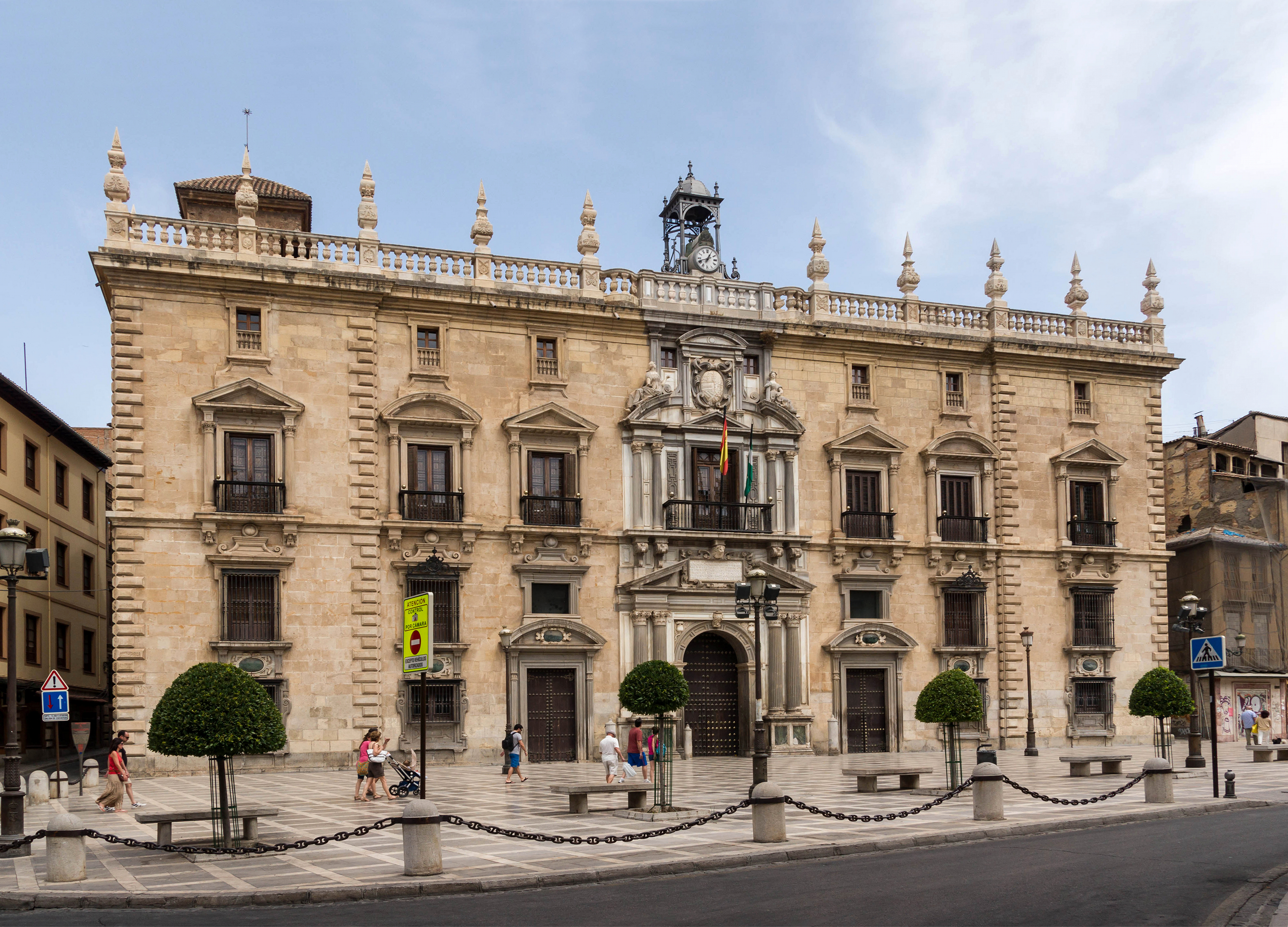
The SMARTeeSTORY web tool was tested on historic non-residential buildings in three locations with diverse geographical and climatic conditions: Riga City Hall in Latvia, Delft University of Technology’s Faculty of Architecture in the Netherlands and the Royal Chancellery of Granada in Spain. The tool was used to assess both baseline and post-intervention scenarios for the three heritage-protected buildings.

“The analysis showed substantial improvements in smart readiness. After the project intervention, Riga is expected to reach an SRI score of 83% and Delft 77%, while Granada is projected to reach 71%, corresponding to readiness class B,” reports an ‘idw’ news item(opens in new window). “The results confirm that, although achieving a perfect SRI score is rarely feasible in real buildings, historic buildings can still reach high levels of smart readiness through carefully selected digital upgrades.”

While tailored to historic buildings, the web tool is also applicable to other types of buildings, thus ensuring scalability across the European building stock. It can be used by building owners and facility managers, energy auditors, and SRI assessors, architects, engineers and researchers, as well as municipalities and other public authorities, to make informed decisions on planned renovations.

Smart progress in Granada

All smart systems have now been validated and activated in the demo site in Granada. Once the power devices, smart blinds, photovoltaics, sensors and local network connections for the automation systems were installed, Italian project partner Schneider Electric performed the commissioning and start-up. “The automation server is now generating and storing data locally, data that will play a crucial role in supporting the next phases of the project,” reports another news item(opens in new window) posted on the SMARTeeSTORY (Integrated, interoperable, smart and user-centred building automation and control system for better energy performance of non-residential historic buildings coupling physics & data-based approaches) website. “In the upcoming monitoring phase, data will be collected from the system to inform how Granada’s Royal Chancellery building progresses in becoming a smart heritage building.”

Image:The Royal Chancellery of Granada in Spain. 

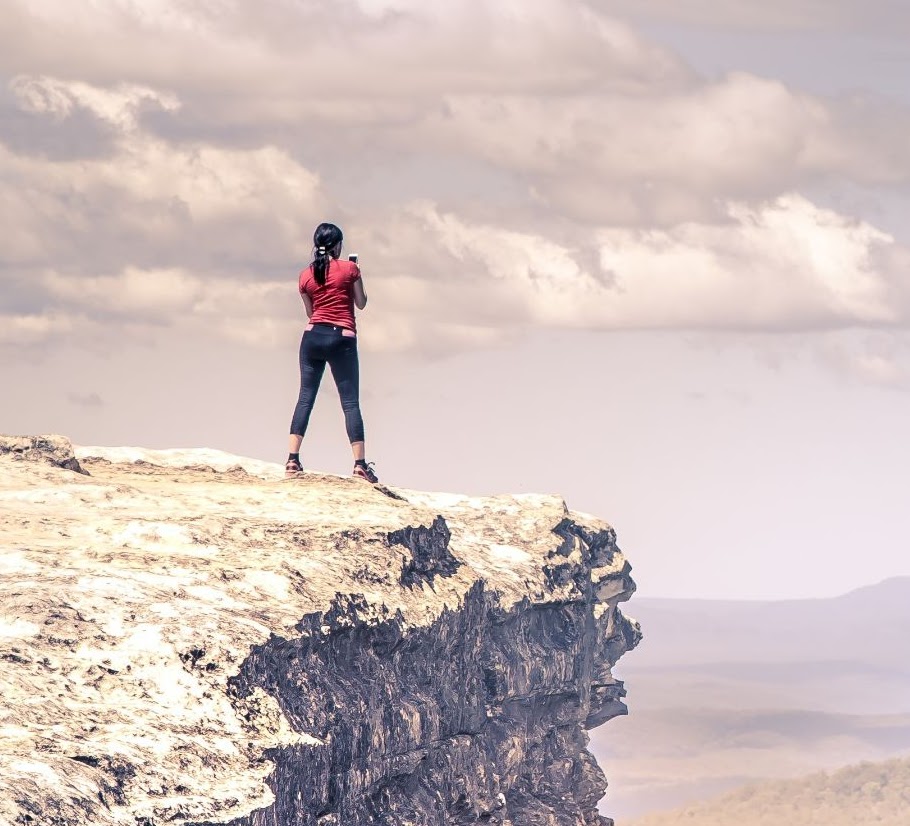
From the Amazon rainforest to the Andes mountains, as well as deserts, volcanoes, glaciers, and extensive coastlines, the region offers a wide range of activities such as hiking, rafting, surfing, and mountaineering

Latin America is emerging as one of the key drivers of global adventure tourism, as travelers increasingly seek active experiences, closer contact with nature, and alternatives to mass tourism. The region has positioned itself as a strategic destination within this segment, reaching an estimated market value of $39 billion.

This growth is no coincidence. Latin America’s geographical and cultural diversity provides an ideal setting for adventure tourism. From the Amazon rainforest to the Andes mountains, as well as deserts, volcanoes, glaciers, and extensive coastlines, the region offers a wide range of activities such as hiking, rafting, surfing, and mountaineering.

The rise of this segment also reflects a shift in traveler behavior. Increasingly, tourists are looking for transformative, personalized, and sustainable experiences. Latin America has successfully capitalized on this trend by offering products that combine nature, local culture, and outdoor activities.

Countries such as Costa Rica, Peru, Chile, and Colombia have become leading destinations in this niche. In Costa Rica, for example, tourism is a key economic pillar, with a strong focus on ecotourism and adventure experiences that contribute to both revenue generation and environmental conservation.

The economic impact of adventure tourism goes beyond headline figures. It creates significant multiplier effects in local economies, particularly in rural or remote areas. The need for guides, local operators, transportation, and related services supports job creation and fosters small business development.

Moreover, this type of tourism often involves longer stays and deeper engagement with local communities, leading to a more balanced distribution of economic benefits. Unlike mass tourism, it promotes decentralization and regional diversification.

Environmental awareness is another key factor. With its rich biodiversity, Latin America appeals to travelers seeking sustainable experiences. Activities in national parks and protected areas enhance the region’s value proposition.

However, this growth also presents challenges. Increased visitor numbers can put pressure on fragile ecosystems if not properly managed. Experts emphasize the importance of sustainable development models that balance economic growth with environmental protection.

At the same time, the region continues to improve infrastructure and connectivity, strengthening its global competitiveness. Increased air routes, investment in tourism services, and sector professionalization are key factors in this progress.

In a global context where travelers are seeking authentic and alternative experiences, Latin America stands out as a diverse, accessible, and competitively priced destination. Adventure tourism is thus becoming a major lever for economic development, provided it is managed with long-term sustainability in mind.

ECHOES has launched its second call for projects to raise awareness of its Cultural Heritage Cloud and expand its community

The EU-funded ECHOES(opens in new window) project has launched a new call(opens in new window) to support digitisation, preservation, research and collaboration in Europe’s cultural heritage sector. The second of its calls so far, it aims to promote engagement and collaboration with its Cultural Heritage Cloud.

Delving into the cloud

The Cultural Heritage Cloud – also called the European Collaborative Cloud for Cultural Heritage, or ECCCH – is a shared platform created by ECHOES. It connects cultural heritage institutions (CHIs), including museums, archives, libraries, researchers and conservators across the EU, providing them with access to data, scientific resources, training and advanced digital tools tailored to their needs.

The platform is built on the principles of open science, which support inclusion and make knowledge and digital resources accessible to all. Its purpose is to foster a digital environment where a new kind of shared heritage – known as the Digital Commons – can emerge.

About the call

Launched in September 2025, the call is part of the ECHOES Cascading Grants Programme. It targets non-profit CHIs – especially small and medium-sized ones – working to raise awareness of the ECCCH and expand its community. Participating institutions will receive assistance in overcoming challenges related to digital transition, while also promoting cross-border cooperation and innovation.

The call will support up to 20 projects, with up to EUR 29 800 available per project. Projects should involve CHIs working with tangible and/or intangible heritage and support skills development and capacity building, especially for small and medium-sized CHIs. Participating CHIs must deliver results within 12 to 24 months.

There are several benefits to taking part. The call offers CHIs the opportunity to collaborate across disciplines and borders and boosts visibility and international reach. It makes it possible to manage and share collections cost-effectively through the platform, in a collaborative environment. It also provides access to cutting-edge digital tools that many CHIs would otherwise not be able to afford. Last but not least, it enables CHIs to create virtual exhibitions, 3D reconstructions, educational apps and other innovative services.

What should projects keep in mind? They should have a wide geographical reach and engage a significant number of CHIs. Activities supported by the call include workshops, webinars, online courses, toolkits, manuals and other training materials, and informational events on ECCCH benefits, as well as surveys to identify sector challenges and opportunities. Other activities include helpdesks providing tailored support and feedback, and hackathons, co-design sessions and other creative engagement formats.

More details about the call can be found in the Guide for Applicants that can be downloaded(opens in new window) from the second call page of the ECHOES (European Cloud for Heritage OpEn Science) website. To help interested heritage professionals and researchers, the project held an information session(opens in new window) on 6 November 2025 that can now be viewed on YouTube. The deadline for submissions is 30 January 2026.

We use cookies

We use cookies on our website. Some of them are essential for the operation of the site, while others help us to improve this site and the user experience (tracking cookies). You can decide for yourself whether you want to allow cookies or not. Please note that if you reject them, you may not be able to use all the functionalities of the site.