Food Tech

Innovation in the food industry. Explore how technology is redefining production, sustainability, and the future of food.

An EU-funded project encourages domestic waste circularity by advancing recycling methods and exploring new starting materials for chemical transformation

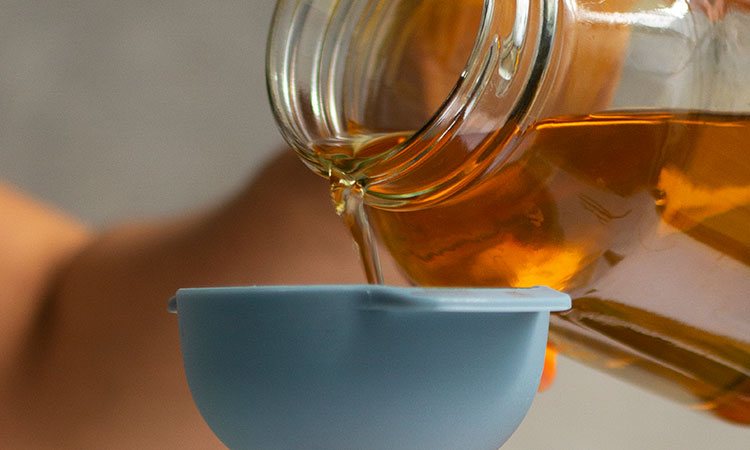
Cooking oil is one of the most used products globally, with households and the restaurant industry depending on it for the preparation of food. In Europe alone, it is estimated that just one person goes through approximately 8 litres of cooking oil per year(opens in new window), which then becomes waste, and, consequently, a significant source of pollution.

One solution to the environmental concerns raised by discarded cooking oil is its recycling; however, existing technology (except for biodiesel production) has not been able to fully support progress in this area until now. The EU-funded WORLD(opens in new window) project aimed at developing a reliable system for the valorisation of waste cooking oil (WCO) that would surpass existing limitations, opening the door to sustainable by-products.

“When WORLD started, we saw that most WCO recycling was based on simple decantation and filtration. This can remove only part of the impurities, but it is not enough for real high-quality reuse of the oil in new products such as bio-lubricants,” says project coordinator Andrea Mele. “The sector had recycling, but not yet a well-designed, zero-waste, industrially robust system,” he stresses.

A clean and green process

In order for WCO to be repurposed, it first needs to be purified. For this, Alberto Mannu of the WORLD team introduced a two-step method using simple, natural means. First, WCO is washed with water under controlled temperature and pH conditions. Then, if necessary, it is treated with bentonite, a natural, abundant and highly absorbent clay of volcanic origin. This cleaning process provides a regenerated oil that is suitable as a raw material for bio-lubricants as well as for the fabrication of other useful products.

Wastewater from the process is managed, recovered and used in a new recycling cycle. Also, solid residues are collected to be assessed for reuse or valorisation.

From spin-off ideas to new applications

While WORLD initially focused on turning WCO into bio-lubricants, project work soon led to other promising applications. One was to use WCO as a material to capture volatile organic compounds (VOCs) from polluted air. These carbon-based chemicals are responsible for a plethora of adverse effects on human health and the environment(opens in new window); therefore, removing them from air or water is of paramount importance.

Another application involved the chemical conversion of WCO to glycerol and a mixture of free fatty acids such as oleic acid through acid hydrolysis and further basification: both these plant-derived by-products were tested as components of so-called deep eutectic solvents (DESs), a class of compounds that are less toxic and also cheaper than traditional solvents. DES use in chemical processes is fully consistent with the green chemistry principle of using reactants and solvents from renewable rather than fossil sources.

“Some of these ideas are already at practical proof-of-concept level, especially VOC capture; others are still at an earlier stage, but they show strong future potential,” Mannu and Mele say.

From public awareness to policy action

A significant part of the project work involved understanding the market, delivering training initiatives and encouraging public engagement.

On a broader level, WORLD outcomes can support better EU-level decisions on WCO collection and treatment based on real technical evidence of its circularity potential. The results can also find application outside Europe, especially in areas producing large amounts of WCO.

“The long-term vision is to make this technology replicable: suitable for different regions, different scales and different industrial contexts,” Mele concludes.
A new production process shows that it is possible to sustainably produce bio-based alternatives to animal protein at scale

Occupying nearly 80 % of the world’s agricultural land, the production of livestock and animal feed is a leading cause of greenhouse gas emissions, deforestation and biodiversity loss.

As the world population grows, so too will demand for animal protein.

“That’s a problem considering that current levels of production and consumption cannot be sustained without severe consequences for the planet,” explains Craig Johnston, co-founder of ENOUGH.

Helping to answer this challenge are novel proteins such as ABUNDA(opens in new window), a sustainable, nutrient-dense protein derived from fungus being developed by ENOUGH.

However, before such alternative proteins can reach your kitchen table, they need to be produced at scale – and that requires building an entirely new bio-based value chain.

Enter the PLENITUDE(opens in new window) project, which received funding from the Circular Bio-based Europe Joint Undertaking(opens in new window), a public-private partnership.

New facility to increase availability of sustainable food protein

Bringing together partners from across the entire supply chain, from SMEs to large industrial players, the EU-funded project built a first-of-its-kind facility to sustainably produce ABUNDA protein at scale. The facility is based in the south of the Netherlands and is co-located with project partner Cargill.

The innovative facility integrates a mycoprotein fermentation plant with a conventional first-generation biorefinery, and uses a circular, minimal-waste production process.

“It’s one thing to develop ideas in a lab, but it’s another to scale up in a real industrial setting,” says Johnston, who coordinated the project. “Seeing something move from concept to an operational, large-scale reality is a huge step forward for the sector.”

With a potential output capacity of 10 000 tonnes per year, this flagship facility will increase the availability of sustainable, high-quality food protein.

The technology can be implemented anywhere there is demand for more sustainable protein and bio-based products.

A viable, bio-based alternative to animal protein

With the world facing major challenges around food security, climate change and resource availability, projects such as PLENITUDE are particularly timely.

“Not only did we demonstrate that there are viable, bio-based alternatives to animal protein, we showed that these alternatives can be produced sustainably, at scale, and using existing industrial systems,” concludes Johnston.

The project team is now working to further optimise its facility and secure the funding needed to move it towards wider commercial deployment.

New research highlights nutritional and several other advantages of sourdough bread made with pulse flour, justifying the growing consumer trend towards plant-based fermented foods

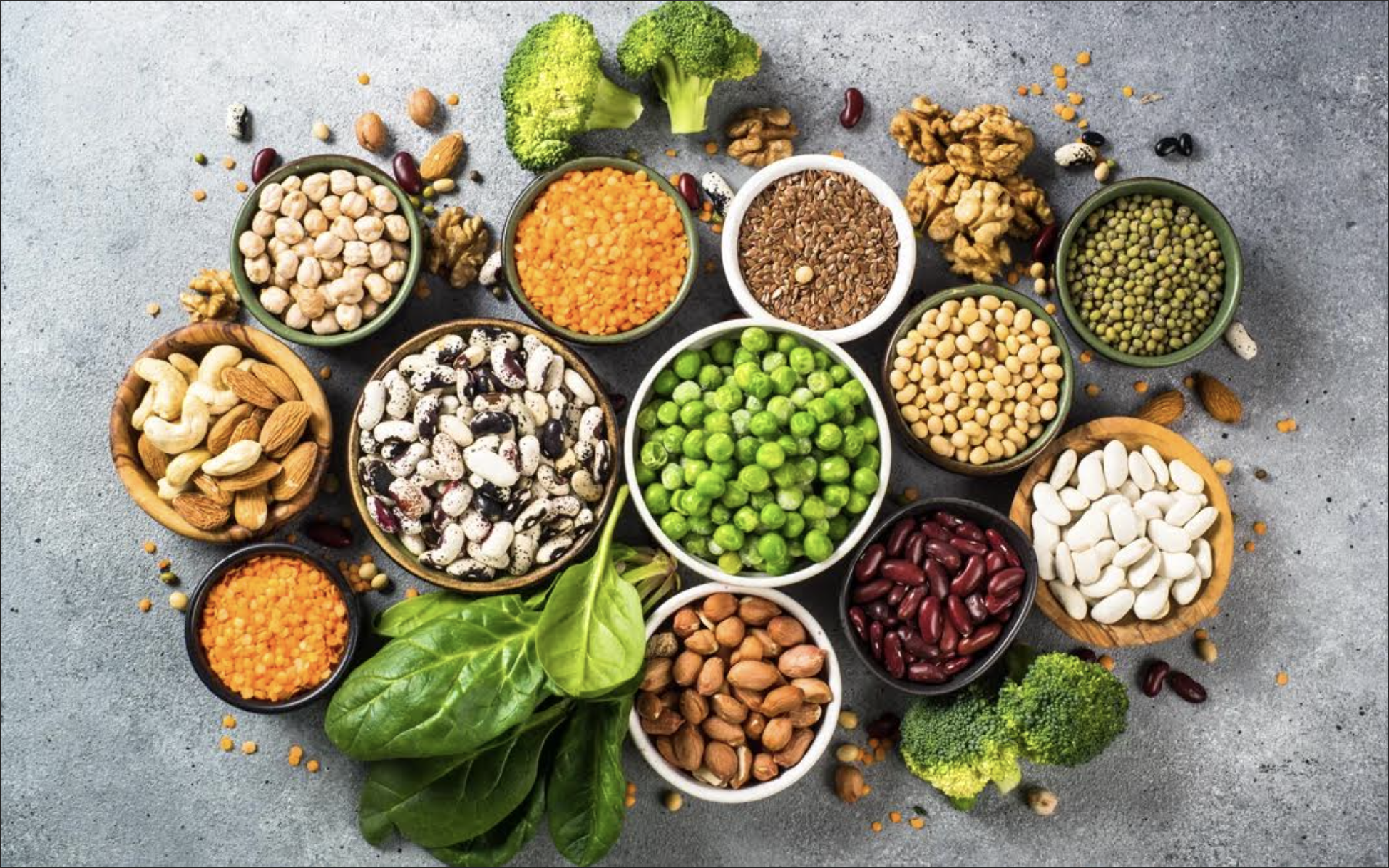
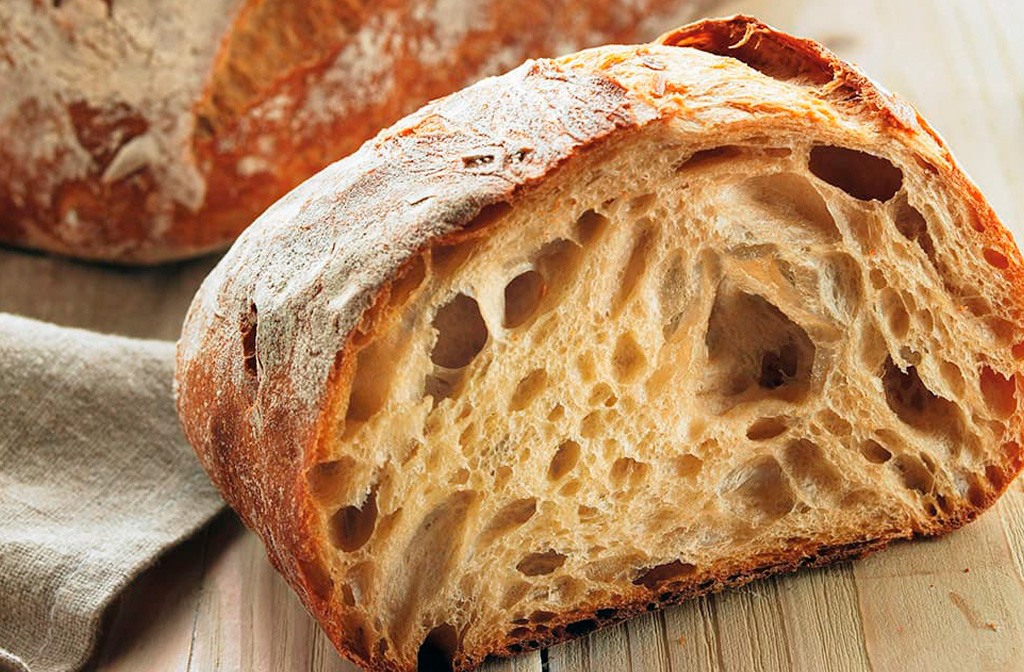
A research team from Belgium, Italy and Finland joined forces under the EU-funded HealthFerm(opens in new window) project to demonstrate the health benefits of pulse-based sourdough bread. Their study(opens in new window) reveals how using flour made from broad beans and yellow peas and applying optimised fermentation techniques can improve the bread’s protein content and boost gut health.

Nutritional benefits and beyond

The HealthFerm partners compared pulse-based sourdough bread to traditional whole wheat bread made with baker’s yeast. They found that the pulse-based bread had 45 % more protein. Besides higher protein content, this bread also showed a superior amino acid profile. This included higher concentrations of amino acids such as gamma-aminobutyric acid and lysine, which are said to enhance metabolic and cognitive health.

Improvements in the pulse-based bread’s aroma and flavour were achieved through fermentation with lactic acid bacteria and yeasts. The overall taste of the sourdough bread therefore remained high, comparable to that of the whole wheat bread.

Fermentation also led to other benefits. Pulses naturally contain anti-nutritional factors that hinder nutrient absorption, presenting challenges in food production. The inclusion of pulse-based sourdoughs – particularly doughs made with yellow pea flour – reduced these factors, making the nutrients easier to absorb and the protein more digestible.

Pulse-based sourdoughs further boosted the breads’ phenolic content, leading to antioxidant and anti-inflammatory benefits. Broad bean flour showed higher levels than whole wheat and yellow pea, not only increasing existing phenolic compound levels but also enriching the bread with new polyphenols such as catechin and rutin.

The groundbreaking nature of these results was highlighted by study co-author Marco Gobbetti, professor at HealthFerm project partner Free University of Bozen-Bolzano, Italy, according to a news item(opens in new window) posted on ‘Milling Middle East & Africa’. Pointing out that sourdough has traditionally been considered low in protein, Gobbetti remarked on this innovation’s potential to lead to new fermentation and plant-based strategies in bakery production.

Citizen scientists keep their finger on the pulse

To further its goal of advancing fermented food research, HealthFerm invited citizen scientists to take part in its sourdough initiative. Over a period of 12 months or so, the project collected sourdough samples and information about participants’ sourdough maintenance practices from all over Europe. At the end, the 661 HealthFerm sourdough sample contributors received personalised sourdough microbiome reports.

Participants were also asked to share feedback on their experience with HealthFerm, the reports received and their interaction with the AI assistant Dough-Pro(opens in new window). “When asked to describe their HealthFerm experience in just one single word, participants chose terms like ‘interesting’, ‘exciting’ and ‘excellent’,” a HealthFerm blog(opens in new window) reports.

In September 2025, HealthFerm (Innovative pulse and cereal-based food fermentations for human health and sustainable diets) held its 6th progress meeting since the project began in 2022. Researchers and industry partners gathered in Umeå, Sweden, for two days to share their knowledge and expertise on plant-based fermented foods. The sessions provided insights into ongoing progress in microbial resources, fermentation technologies, intervention studies and consumer research. They also explored strategies related to project management, dissemination and exploitation. In-depth discussions by the project partners focused on publication practices, data management and HealthFerm’s next steps.

At the kickoff symposium, researchers discussed topics including optimal diets, climate resilience, and AI

“We’re not here to simply talk about food, we’re here to reshape its future,” Lily Sarafan, incoming chair of the Stanford University Board of Trustees and a member of the Interdisciplinary Life Science Council, told more than 250 people who gathered April 24 for Stanford’s inaugural symposium on “Re-thinking Food – From Plate to Planet.”

The event marked the launch of the Food@Stanford initiative, which arrives at a critical moment, Sarafan noted. Today, food production systems are both failing to support all those who need food and driving increases in diet-related illness, water scarcity, deforestation, biodiversity loss, and climate change. “This isn’t just a challenge – it’s a generational opportunity to ask what could be, to rethink what we grow, how we grow it, and who gets to thrive; and to harness the full power of science, data, and design to build a food system that’s equitable, sustainable, and health-promoting,” she said.

The campus-wide initiative aimed at creating more nutritious, healthful, and sustainable food systems is the brainchild of mechanical engineering Professor Ellen Kuhl, director of Stanford Bio-X, one of Stanford’s pioneering interdisciplinary institutes and its largest interdisciplinary life sciences program.

“We are excited to follow the tradition of Stanford Bio-X and embrace an integrative approach that brings together biological problem solving, engineering, medicine, and data science to understand how food affects our bodies, from metabolism to the microbiome to healthy aging,” said Kuhl in welcoming participants to the symposium. “Breakthrough innovations in materials, systems thinking, machine learning, and artificial intelligence are unlocking powerful new tools that allow us to reimagine the food system as one that is not only sustainable, but also personalized, predictive, and equitable.”

Change at the global level

The symposium featured distinguished researchers from Stanford, UC Davis, and Harvard, along with leaders from commercial and non-profit organizations working to reinvent our global food systems. The day began with a focus on the health of the planet and large-scale agricultural interventions. Vipula Shukla, senior program officer for the Gates Foundation, described the foundation’s efforts to ensure that breakthrough plant research benefits farmers in the world’s most impoverished regions, while other speakers explored the challenge of reducing the impact of food production on climate change, and how rapid advances in genetic engineering are opening up new possibilities for developing climate-resilient crops.

In a set of “fast food” rapid updates, Stanford undergraduates, graduate students, and postdocs shared details of their ongoing food-related research. Their investigations included efforts to develop alternative proteins and improve their taste, upcycle waste from food manufacturing, explore new techniques for understanding the role of bacteria in human health and plant growth, and better understand the healing potential of fermented foods.

“It’s so good to see people not only doing the research in the lab, but taking it out there in the field,” observed Arun Majumdar, dean of the Stanford Doerr School of Sustainability, in closing the session. The Doerr School of Sustainability was launched three years ago with a vision to create a future where humanity and nature can thrive together. In light of the impact of climate on food production and, conversely, of food production on climate, he said. “This is one of the most important things that our school needs to focus on.”

Advancing science and technology for nutrition

Following a sustainably sourced lunch, the focus shifted to food and human health, with presentations exploring evidence-based research on optimal diets, how advances in understanding the chemistry of food can enhance food quality, and how innovations in food production can drive a new food paradigm that’s healthier for both people and the planet.

Nutritionist Christopher Gardner, the Rehnborg Farquhar Professor in the School of Medicine, and featured on the Netflix series You Are What You Eat, described his vision for a new diet paradigm with four key qualities: promoting health and nutrition, focusing on deliciousness, embodying environmental sustainability, and advancing social justice. Gardner noted that Food@Stanford fits perfectly within the broader context of historical and current food-related research at Stanford. “This is a great time to be at Stanford; the topic of food is just sprouting up everywhere,” he said.

After a brief break to try samples from startup food companies using new technologies and ingredients to create healthier, more sustainable, and better-tasting snacks, a final session explored how technology influences the food we eat.

A panel of academics, technologists, and non-profit leaders including Patrick Brown, professor emeritus of biochemistry and founder of Impossible Foods, and David Lobell, professor of Earth system science, and moderated by Alfred Spormann, professor emeritus of civil and environmental engineering, looked ahead to the near- and long-term changes we might expect in the ways food is grown and consumed. Thanks to innovations made possible by machine learning and AI, there are new opportunities for producing sustainable food that is both delicious and nutritious. This opportunity was further emphasized by author Harold McGee, who traced the evolution of food preparation technologies from the first modern ovens to the atomic-level experiments of contemporary gastronomy.

Collaborative change through research and education

Food@Stanford continues Bio-X’s “long and successful tradition of identifying confluences of research interest across campus and finding ways to elevate them,” stated Vice Provost and Dean of Research David Studdert in closing the conference. It exemplifies “Stanford’s commitment to looking out into the world for collaboration and influences and ideas,” he said.

“With our seven leading schools, including medicine, engineering, natural science and humanities, law, business, education, and now also sustainability, Stanford brings together the full spectrum of expertise to solve complex challenges like those associated with global food systems, from metabolic health, to climate resilience, to policy reform,” added Bio-X director Kuhl after the event. “We envision that this inaugural symposium will inspire people both at Stanford and beyond to develop new research collaborations, broaden existing connections, and use our initiative as a starting point to build new communities around this bold new initiative.”

Kuhl and her Bio-X colleagues are already looking forward to a second symposium next year and are organizing a series of smaller on-campus events to encourage conversations and innovation around the topic of food. The program is also offering graduate and undergraduate student fellowships to maximize the chances that Food@Stanford will positively reshape the future of what and how we eat.

Writer: Simon Firth

Source: https://news.stanford.edu/stories

Dozens of faculty members at Stanford are working to transform the way the world grows, distributes, and consumes food, with research and scholarship spanning topics including sustainable food systems, food security, health equity, culture, and diet.

A bite of food is about more than calories. Food production involves energy, water, and other resources and is shaped by economics, policies, and international relations. What we eat affects our health, expresses our cultures, and shapes communities.

Feeding the world is an urgent challenge: In 2023, the United Nations reported that one in 11 people globally faced hunger, with 2.33 billion people facing moderate or severe food insecurity. These disparities in food access and malnutrition lead to a cascade of other problems.

Stanford’s history with food research stretches back to the founding grant’s mention of “the study of agriculture in all its branches.” From 1921 to 1996, the Stanford Food Research Institute, inspired by Herbert Hoover, led globally influential research on food systems.

Today, Stanford remains well-positioned to influence the way the world grows, distributes, eats, and thinks about food. Threads of food research and teaching run throughout the university, crossing disciplines and schools, including the work of dozens of faculty members. This is complemented by interdisciplinary and solution-focused efforts established to coordinate this work.

Interdisciplinary Research in Food Systems

“Interdisciplinary research can help us understand how each disciplinary contribution fits into the bigger picture of global food security. Through such collaboration, advances are also made on basic research questions within disciplines,” said Rosamond Naylor, professor of environmental social sciences in the Stanford Doerr School of Sustainability.

Adaptive Plants, Agriculture, and Aquaculture

Understanding plants is foundational to improving global food systems – and that means studying the building blocks of food from many angles.

For her part, Elizabeth Sattely, associate professor of chemical engineering in the School of Engineering, investigates plant chemistry and how plants transform CO2 and sunlight into molecules that benefit human health.

Similarly, David Lobell, professor of Earth system science, uses remote sensing to evaluate climate adaptation in agriculture.

The Human Element in Food Systems

People are at the heart of the food system as laborers, consumers, and decision-makers. Food is personal in terms of culture, health, and society.

Lisa Goldman Rosas, assistant professor in the Department of Epidemiology and Population Health at Stanford Medicine, leads the Food For Health Equity Lab, which partners with community food distributors to address food insecurity.

A New Era of Collaboration

Stanford’s interdisciplinary approach to food research brings together experts from multiple fields. The Stanford Food Institute unites students, faculty, and entrepreneurs to improve food access and sustainability.

Other initiatives, like the Food Futures program led by Sattely, focus on research that enables equitable, sustainable, and nutritious food solutions. “We can look at the world differently and draw upon the expertise that we have in business, engineering, sustainability, and policy to take a different approach,” said Ellen Kuhl, professor of mechanical engineering.

By valuing collaborative efforts, Stanford is developing innovative solutions to the world’s most pressing food challenges.

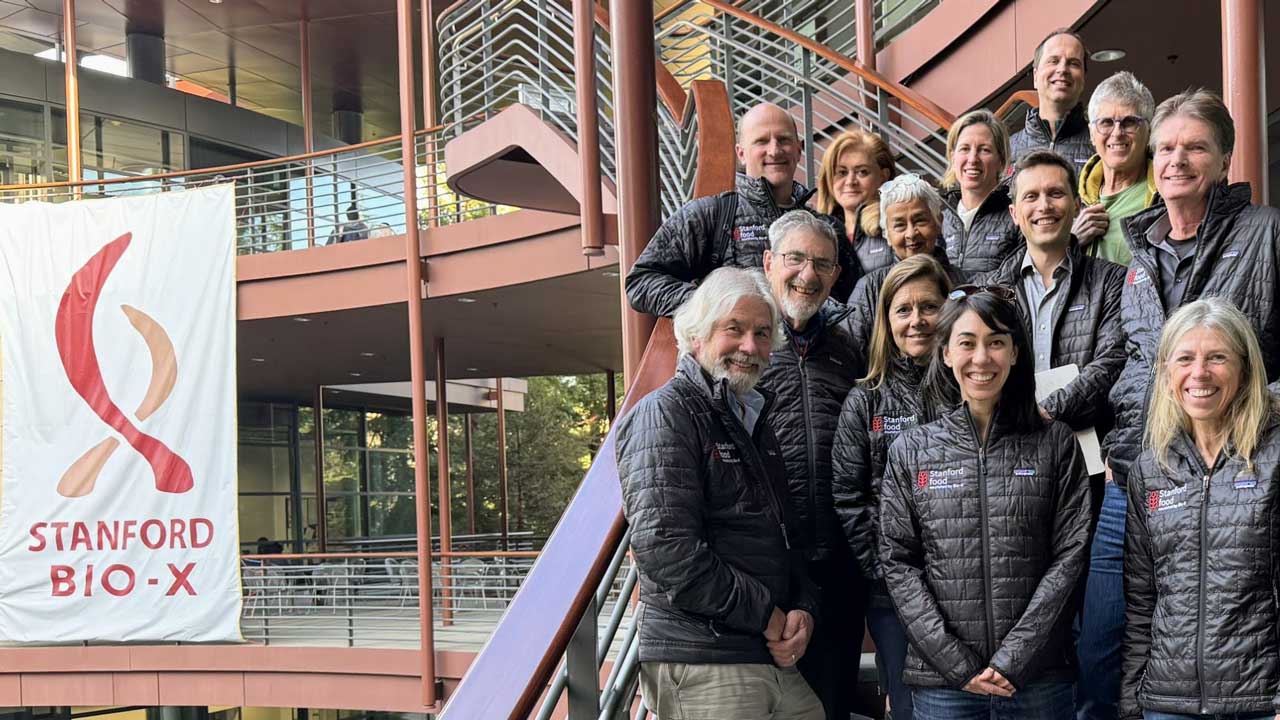
Image: Faculty and staff involved in the Food@Stanford effort, supported by Stanford Bio-X. Back row: Markus Covert, Heideh Fattaey, Elizabeth Sattely, Jonas Cremer, Pat Brown. Middle row: Richard Zare, Devaki Bhaya, Benjamin Good, Alfred Spormann. Front row Christopher Gardner, Mary Beth Mudgett, Jennifer Brophy, Ellen Kuhl. | Heideh Fattaey

Pioneering device lets users remotely experience flavours

From an ocean’s depth to a distant planet’s surface, we can immerse ourselves in many different experiences with virtual reality (VR) and augmented reality (AR). But taste?

Scientists at The Ohio State University (OSU) in the United States invented a device called e-Taste that lets you taste things without actually eating them. They presented their cutting-edge innovation in the journal ‘Science Advances’.

Taste meets VR

The gadget looks like a small cube that measures about 15 mm on each side. It contains chemical sensors and wireless dispensers that capture and transmit taste data remotely in just seconds. Users can experience the five main taste categories: sweet, sour, salty, bitter, and umami.

“Taste and smell are greatly related to human emotion and memory,” co-author Jinghua Li, assistant professor of materials science and engineering at OSU, told ‘Popular Science’. “So our sensor has to learn to capture, control, and store all that information.”

e-Taste is fastened to a thin plastic strip that you hold between your teeth, with the cube hanging outside. When the cube’s sensors detect a food object in the virtual environment, e-Taste releases chemicals that simulate the five different tastes. You get the full taste experience – without needing to really eat anything. The cube has tiny refillable liquid chemical packs to generate the specific tastes.

“The chemical dimension in the current VR and AR realm is relatively underrepresented, especially when we talk about olfaction and gustation,” explained Li in an OSU news release. “It’s a gap that needs to be filled, and we’ve developed that with this next-generation system.”

A team of scientists tested the e-Taste system on volunteers. They were able to distinguish between different sour taste profile intensities in the liquids generated by the device with an overall accuracy rate of about 70%. In another trial, they were asked to distinguish between flavours mimicking lemonade, cake, fried egg, fish soup, and coffee. They did so with nearly 87% accuracy. The mixed outcomes aren’t surprising, given that taste is inherently subjective and can change from one moment to the next.

The study says that the device could benefit those with traumatic brain injuries or long COVID who have lost their sense of taste.

Add a little virtual flavour to life

e-Taste still has room for improvement. It can’t replicate texture or temperature, and it depends on a small number of chemicals that don’t completely capture the intricacies of real-life flavours.

Perhaps even more importantly, will the public embrace this ‘electronic tongue’ in their day-to-day living?

“This will help people connect in virtual spaces in never-before-seen ways,” concluded Li. “This concept is here, and it is a good first step to becoming a small part of the metaverse.”

Despite the prevailing skepticism surrounding their effectiveness, recent studies underscore the significant role that drones play in enhancing agricultural outcomes

The increasing reliance on drones is attributed to their ability to minimise production expenses and optimise farm yields by reducing cultivation losses and limiting wheeled vehicle passes across farmlands.

An intriguing aspect emerging from this analysis is that despite ranking second in production costs among evaluated technologies, the overall economic benefits of using drones surpass those derived from other methods, such as self-propelled sprayers.

What are agriculture drones?

Emerging as a promising technological innovation on the horizon of agricultural advancement, agriculture drones are akin to silent guardians in the sky, poised to revolutionise traditional farming methods by potentially increasing production efficiency and reducing costs.

These unmanned aerial vehicles (UAVs) have diverse applications in agriculture, ranging from crop monitoring and disease detection to efficient pesticide application.

The role of these drones is not limited to just surveillance; their integration with other farming technologies can increase crop yields significantly by enabling precision agriculture techniques that optimise the use of resources.

Agricultural drones can be equipped with various sensors and imaging capabilities that provide detailed insights about crop health, soil conditions, irrigation needs, and pest infestations.

Their impact on crop yields has been significant due to their ability to identify areas of stress in crops at an early stage, thereby enabling timely intervention.

Furthermore, they offer efficiency in pesticide application by precisely targeting affected areas, thus minimising wastage and limiting exposure of non-targeted plants and soil. This aspect also contributes towards environmentally friendly farming practices.

In the broader context of precision agriculture—a system that uses technology for accurate decision-making—agricultural drones play a pivotal role by providing high-resolution data that is integrated with other information systems for comprehensive analysis and informed decisions on-farm management strategies.

Benefits of agricultural drones

Agriculture drones provide a significant impact on crop yields, primarily through their ability to reduce cultivation losses and increase the spraying rate.

Agricultural drones can precisely monitor crop growth patterns and swiftly detect any potential issues, such as disease outbreaks or pest infestations. This level of precision leads to rapid intervention, thus reducing losses that would otherwise lower the overall yield.

Furthermore, drones have proven to be economically efficient when compared to traditional farming methods, such as the use of trailed sprayers or self-propelled sprayers.

The decrease in production costs is largely due to their ability to operate without human interaction once programmed with a flight path. Additionally, they cause less soil compaction than wheeled vehicles, thereby cutting down on loss from trampling crops during spraying procedures.

Despite taking second place in terms of initial production costs when compared to other technological options, the economic effect of using agriculture drones outweighs this factor due to its substantial contribution towards increased crop yields and reduced trampling losses. Thus manifesting an unparalleled benefit over conventional agricultural practices.

Comparison with other technologies

A comparative analysis between traditional practices and technologically advanced methods in modern farming reveals noteworthy insights into their respective economic impacts.

The utilisation of drones in agriculture, for instance, has been identified as a significant contributor to increased efficiency and productivity.

Notably, despite having the second highest production cost among these options, agricultural drones yield the greatest economic effect due to decreased spraying rates and losses from trampling.

Advantages include:

  • The use of drones reduces the number of passes made by wheeled vehicles across fields during the growing season, which decreases soil compaction and lessens environmental damage;
  • Drones can perform tasks ranging from crop monitoring to spraying with minimal human intervention, reducing labour requirements;
  • Drones are capable of delivering precise amounts of fertilisers or pesticides where needed, thereby optimising resource usage and preventing wastage;
  • Drones can be seamlessly integrated into existing farming operations without disrupting current practices while enhancing overall productivity; and
  • Despite its benefits, integrating drone technology into agriculture faces regulatory challenges that need to be addressed for widespread adoption. However, the high economic output yielded by drone use underscores their essential role in modern agricultural practices.

Cost-effectiveness of agriculture drones

Despite the scepticism surrounding their initial costs, agricultural UAVs present an economic paradox; they demand higher production expenditures yet deliver superior financial returns due to minimised operating costs and enhanced crop yields.

The impact on crop yields is substantial as drones allow for precise, targeted application of fertilisers and pesticides, reducing losses during cultivation and limiting the number of passes wheeled vehicles make across fields during the growing season.

This not only reduces trampling but also lowers fuel consumption, contributing to significant reductions in production costs.

While these benefits are impressive, it’s important to acknowledge potential limitations and challenges associated with drone technology in agriculture. These may include regulatory hurdles, technical complexities, privacy concerns or simply the need for farmers’ acceptance and adoption of this new technology.

Despite these factors, many farmers recognise the long-term environmental benefits, such as reduced water usage and less chemical runoff into nearby water bodies, which contribute towards sustainable farming practices.

Overall, while agricultural drones might require higher capital investments initially, their use tends to result in greater economic efficiency over time once adopted fully by farmers.

Future prospects

Looking towards the future, it is anticipated that agriculture drones will continue to revolutionise farming practices by enabling precision agriculture and contributing significantly to sustainability.

The potential challenges associated with using drones in agriculture include legal and regulatory issues, privacy concerns, and technological limitations. However, advancements in technology are expected to overcome these challenges over time.

The impact of agricultural drones on the environment is another critical issue that needs further investigation. While the use of drones can reduce emissions from traditional farm machinery, there may still be environmental implications due to their construction and disposal.

The market demand for agricultural drones is projected to increase in the coming years due to growing awareness among farmers about their benefits and supportive policies from governments worldwide.

Nevertheless, a robust regulatory framework must be put in place to ensure safe operations and mitigate any adverse impacts on society or the environment.

As technology evolves at an unprecedented pace, it becomes necessary for regulations and industry standards to keep up with these changes.

Source: https://www.innovationnewsnetwork.com/how-agriculture-drones-can-enhance-production/40484/


Europe is seeking to use emissions and residues from winemaking for new products ranging from animal feed to antibiotic alternatives

In Palmela, a wine region near Portugal’s capital Lisbon, Miguel Cachão is focused on an unusual aspect of the autumn harvest.

He’s developing a technology for wineries to capture carbon dioxide and use it to grow algae. The CO2, produced when grape juice ferments, can cultivate a nutrient-rich freshwater algae called chlorella that has uses in animal feed, cosmetics, food supplements and wine production. 

Economic, cultural motives

Winegrowers across Europe face twin squeezes from extreme weather caused by climate change and from heightened overseas competition. In Portugal, side income for the wine industry would also have cultural significance. 

‘It’s such a big part of people’s lives, so even if a vineyard isn’t big or profitable, it’s important for them to keep producing,’ said Cachão, an agronomic engineer at the Association of Wine Growers of the Municipality of Palmela.

The Portuguese drink more wine per person than anyone else in the world, according to a 2021 study. Communities in the country have a strong bond with their local vineyards going back generations.

The EU itself is the world’s top producer of wine, accounting for almost half of global wine-growing areas in 2020.Portugal, with its renowned full-bodied Douro reds and fresh Vinho Verde whites, ranks as Europe’s fifth-biggest wine producer. Finding an extra source of income could save wineries in Europe from closure.

Algae profits

Cachão leads a research project that received EU funding to pioneer the technique of using CO2 to grow chlorella at wineries. Chlorella is a type of green algae whose photosynthetic qualities make it a source of food and energy. It’s also rich in antioxidants useful for the cosmetics industry.

Chlorella needs CO2, sunlight and water to grow. It converts sunlight into chemical energy needed to make carbohydrates, proteins and other compounds.

The process could generate more than €15 million a year for a winery with annual volumes of at least 7 million litres of wine – the amount of a large European producer.

It could also cut wine producers’ greenhouse-gas emissions by at least 30%, according to the project. Called REDWine, it runs for four years until the end of April 2025 and is part of an initiative by the EU and industry called the Circular Bio-based Europe Joint Undertaking, or CBE JU

The first demonstration unit will be ready at the end of 2023, according to Cachão, who coordinates REDWine.

It will be built about 100 metres from a local winery. A pipe will transport CO2 from the winery’s grape-fermentation tanks to the unit for compression. The CO2 will then be liquefied for storage and be ready for use in growing chlorella. 

‘My hope is that we can show it’s viable for wineries of all sizes – small, medium and large – to use,’ he said. 

Some wineries in Europe and elsewhere already capture CO2 and use it to protect their newly harvested grapes from oxidation, a process that can affect the final colour and aroma of wine. They also convert it into calcium carbonate to reduce the acidity of soil. 

Locked-in CO2

But with both of these processes, the CO2 ends up back in the atmosphere, according to Cachão. ‘The algae importantly locks the CO2 in,’ he said.

REDWine involves 12 companies and other organisations in six countries: France, Germany, Ireland, the Netherlands, Portugal and Spain.

The participating companies include Algama, a French maker of foods from algae, and Spain-based Lipotec, a specialist in active ingredients for cosmetics.

Skins and seeds

Other potentially useful elements in winemaking are the leftovers from pressed grapes: the skins, pulp and seeds.

They’re full of naturally occurring chemicals that protect the grapes from sun damage and pests.Grape skins, pulp and seeds offer the prospect of healthy alternatives to antibiotics. 

An EU-funded research project called NeoGiANT is developing natural therapies to help curb the use of antibiotics on animal and fish farms.

The project reflects growing concerns that resistance to antibiotics in animals and people is growing as a result of overuse in livestock and aquaculture. 

‘Using them in healthy animals to prevent disease and infection – and not just as a treatment – has resulted in one of the biggest problems of our day: antibiotic resistance,’ said Marta Lores, a professor of analytical chemistry at the University of Santiago de Compostela in Spain. 

Antibiotic substitutes

She coordinates NeoGiANT, which runs for four years through September 2025 and brings together universities, research institutes, farming representatives and companies from nine countries. 

Partners come from Belgium, the Czech Republic, Germany, Hungary, Poland, Portugal and Spain and – outside the EU – Argentina and the UK. 

Antimicrobial resistance occurs when bacteria, viruses, fungi and parasites change over time and no longer respond to medicines, making infections harder to treat and increasing the risk of disease spread, severe illness and death, according to the World Health Organization.

The NeoGiANT researchers are extracting antioxidants and eubiotics – additives that improve the gut health of animals – to use in feed. The goal is to make animals more resilient to infection and disease.

‘We can extract this arsenal of compounds and make useful products from them,’ said Lores. 

The grape waste is also yielding treatments for some of the most common animal diseases including mastitis – a mammary gland inflammation – in cows, post-weaning diarrhoea in pigs and a skin disease called exudative epidermitis in piglets. These are currently mainly treated using antibiotics.

In addition, the project aims to substitute antibiotics for antimicrobial extracts in semen extenders. These are preservatives that prolong the life of semen collected for artificial insemination in livestock farming.

If all these compounds are successful, 12 new products will be ready for market by the end of the project.

Lores expects most of the planned products to be successful. But she said that, even if the total ends up being less than a dozen, the research effort will have been worthwhile.

‘If only one of the products is marketed, that will mean fewer antibiotics used,’ Lores said. ‘In the end, all will benefit. The healthier the livestock, the healthier the food humans are eating.’

Research in this article was funded by the EU. The views of the interviewees don’t necessarily reflect those of the European Commission.

Author:

By  Alex Whiting

This article was originally published in Horizon, the EU Research and Innovation Magazine

Amid international supply-chain disruptions, the EU is stepping up efforts to ensure the European food system benefits family farmers, Europe’s regions and its consumers

When Paolo Colzi left his job in an Italian textile company 23 years ago to take over the family wheat farm, he decided to turn it organic.

Colzi says it was big risk that paid off. Now 57 years old, he is running a successful business growing wheat, tomatoes, cucumbers and aubergines on 50 hectares of land near the city of Prato in the Tuscany region.

Consumer connection

Like many small-scale agricultural producers, Colzi might have failed in his venture had he been unable to sell to local customers.

‘The only way I can get a fair price is to sell directly to people,’ he said.

More than three quarters of farms in the EU are small – under 10 hectares – and they may be central to ensuring that Europe’s food supplies are plentiful, healthy and crisis-proof.

Local production of food has become a higher priority in Europe and elsewhere in response to supply-chain disruptions caused by the Covid-19 pandemic in 2020 and Russia’s invasion of Ukraine two years later.

Yet the combination of an economic squeeze, land-access difficulties and weather extremes has led to the disappearance of many small agricultural holdings in Europe in recent decades.

In its Farm to Fork strategy in 2020, the EU said food systems need to be redesigned to allow fair economic returns for all actors, in particular primary producers.

A lot of food lands on supermarket shelves via long supply chains that can span the globe and entail multiple packaging and processing steps.

Farmers themselves may receive only a fraction of the price consumers pay in shops.

Going local

Support for small-scale farmers like Colzi has come from a European research project called COACH, which is wrapping up in October 2023 after three years.

The project received EU funding to spur cooperation among farmers, consumers, local authorities and other players in 12 European countries including Belgium, Denmark and Italy.

A prime goal has been to increase the amount of food that reaches markets through short supply chains and ensure farmers get a fair price for their produce.

Colzi is president of an association of wheat farmers, bakers, shops, restaurants and a mill in the Prato area. Called GranPrato, it was created to boost local agriculture.

Farmers sell a portion of their wheat directly to GranPrato at a price agreed at the start of each year.

In the arrangement’s first year – 2013 – GranPrato’s price was more than double the standard market one.

As it happens, the global price of wheat then soared and, in 2023, it remains higher. Even so, the farmers still sell to the association, highlighting a benefit of the agreement for consumers that Colzi says also suits him.

‘It means I don’t have to deal with sudden changes in prices, which are stressful,’ he said.

Public purses

Still, GranPrato is unable to buy all the wheat produced by the association’s 10 farmers. To do that, it would need more of its own customers by expanding the local market.

What could make a big difference is if local authorities would let GranPrato supply school meals, according to Colzi.

In the view of Moya Kneafsey, professor of food and local development at Coventry University in the UK, city authorities in general could offer a big helping hand to small local farms through contracts for meals for schools, hospitals and other public-sector catering.

‘They have the buying power to drive change,’ said Kneafsey, who coordinates COACH.

While cities work with tight budgets and usually award contracts to the cheapest suppliers, some local officials have found that prioritising sustainability isn’t more expensive. Plus interest is generally growing in the nutritional content of food in schools and hospitals.

In a separate initiative, a group of 16 cities worldwide is seeking to reduce the environmental impact of their public canteens by using organic suppliers where possible. The participants include Barcelona, Copenhagen, London, Paris, Seoul, Tokyo and Toronto.

Copenhagen’s school meals now consist of mainly organic food and the city is working on ways to source more from small local farms.

Ghent in Belgium is also seeking to rely more on local suppliers for its school meals. If those suppliers are organic, the results could be better nutrition, healthier people, prosperous local farmers, thriving rural economies and environmental gains, according to Kneafsey.

‘Of all the different initiatives, public procurement may have the biggest potential to raise small local farmers’ incomes,’ she said.

Juicy, smoothie processes

Another way for small farms to make more money is by processing their produce before selling it. That includes turning it into bread or oil, juicing fruit or drying it.

An EU-funded project called FOX has brought together researchers and food scientists from nine European countries, including the Czech Republic, Germany, Poland and Slovenia, to help small farms process their produce on-site or nearby.

The project, which began in mid-2019 and runs through November 2023, has built mobile units that can act as mini processing centres. Each one is about the size of a large lorry container.

‘Small-scale units could give small producers opportunities to gain value,’ said Kerstin Pasch, who coordinates FOX and heads the German Institute of Food Technologies’ office in Brussels.

One unit, which makes juices and smoothies, is being tested in small apple orchards in southern Germany.

Pasch said that, while the apple farmers were happy with the finished juices, they were concerned about the costs of buying and running the unit. Operating the units requires someone with technical training.

Economic, health benefits

FOX uses a new fruit-processing technology called pulsed electric field. By sending short electric pulses of high voltage into the juice, the technique kills microbes without reducing vitamin content.

The project has also used the technology to dry fruit and mushrooms, finding it shortens the drying time and, by extension, reduces energy costs.

Each unit costs the researchers about €400 000 to make. They say the price would likely drop if the units were produced commercially.

The team is exploring opportunities for commercialisation of the units.

‘It's exciting thinking about these mobile small-scale solutions,’ said Pasch. ‘People now realise that a large, globalised food-supply chain can be suddenly disrupted because of a virus outbreak or a war.’

By ALEX WHITING

This article was originally published in Horizon, the EU Research and Innovation Magazine. Image credit: CC0 via Pixabay

Page 1 of 2

Featured

Most Read

We use cookies

We use cookies on our website. Some of them are essential for the operation of the site, while others help us to improve this site and the user experience (tracking cookies). You can decide for yourself whether you want to allow cookies or not. Please note that if you reject them, you may not be able to use all the functionalities of the site.