Climate Change

From wildfire-resistant landscapes in Spain to flood warning systems in Denmark, researchers are working with local communities to find, test and deploy practical ways to live with climate change – and to share what works across borders

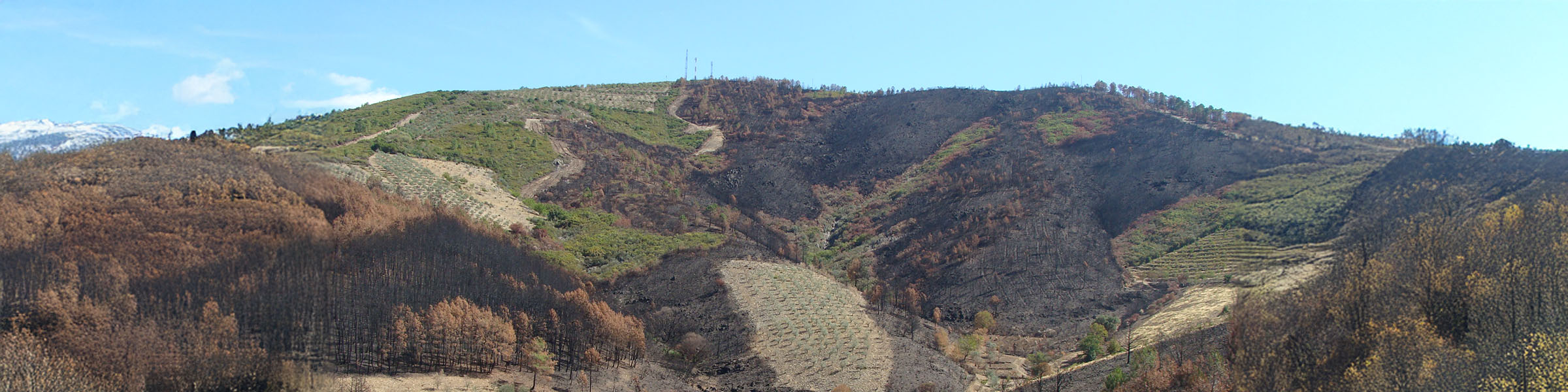
Many people expect a raging wildfire to leave a blackened, lifeless landscape in its wake. But after a blaze swept through Las Hurdes in Extremadura, Spain, in 2009, the scene was quite different. In the midst of the scorched earth were patches of green where healthy trees remained standing and unscathed.

From a distance, it looked as though the flames had simply stopped at their edges. In reality, this was no coincidence.

Fernando Pulido, an ecologist at the University of Extremadura, had been studying ways to slow the spread of wildfires. His research focused on so-called “productive fire breaks” – carefully designed areas where different types of vegetation are managed to make it harder for fires to pass through. The approach in Las Hurdes had worked well.

“You can’t fight fires with just helicopters and water. We need more strategies to make these megafires less destructive,” he said.

The urgency is real. In the summer of 2025, fires burned more than 45 000 hectares of land in Extremadura – one of Spain’s warmest regions and increasingly prone to wildfires. Projections suggest conditions will only become hotter and drier.

More than a decade later, Pulido is building on those early experiments as part of a broader five-year EU-funded research effort called RESIST to help vulnerable regions prepare for the impacts of climate change.

Different places, similar problems?

Extremadura is not alone. Across Europe, many regions are facing different but equally pressing climate risks. Some try to deal with flooding and landslides, others with drought, soil erosion or extreme heat. Researchers are finding that solutions developed for a specific risk in one place can often be adapted elsewhere.

The RESIST team brings together researchers, local authorities and businesses from across Europe to test and refine more than 100 climate adaptation solutions – from new technologies to changes in land management and planning.

The aim is to reduce the time and risk involved for new ideas to move from testing to real-world use.

Many regions share similar environmental conditions, despite being geographically distant. Flood-prone farmland in central Denmark has much in common with river basins in southern Latvia, while the heat and drought affecting Catalonia resemble conditions in parts of southern Italy.

By pairing such areas as “twinning regions” – matched territories that share key climate challenges – researchers and businesses can test whether solutions developed in one location can be transferred to another.

“These regions face many different challenges and have different needs,” said Vilija Balionyte-Merle, RESIST’s project coordinator at the Norwegian research organisation SINTEF.

“You need to speak to the people who live there to really understand their concerns and make a concrete difference. Only then can you consider the most effective solutions and apply them both locally and in the twinning regions.”

Digital tools for climate adaptation

In central Denmark, where flooding is a recurring problem, researchers and businesses are combining several approaches to improve preparedness.

One involves adapting buildings to better withstand floods. Using extended reality tools, residents and planners can visualise what these changes would look like before they are implemented, making it easier to plan and gain public support.

Another strand focuses on early warning. A network of underground sensors is being installed to monitor groundwater levels – often an early indicator of flooding. The data is fed into an early warning app that can alert authorities and residents before water becomes visible on the surface.

Researchers are also creating digital replicas, or “digital twins”, of local landscapes. These models allow different flood scenarios to be tested virtually, helping decision makers choose the most effective measures before investing in physical infrastructure.

Together, these tools – the result of consultation between researchers and the tools’ end users – aim to give communities more time to act and reduce the damage caused when floods occur.

The solutions developed in Denmark will then be applied in similarly affected regions, such as Zemgale in Latvia and Blekinge in Sweden.

Working with nature

Not all solutions rely on technology. In Extremadura, Pulido’s work focuses on reshaping the landscape itself.

Large areas of forest in the region are poorly managed or abandoned, which makes them more vulnerable to fire. With little economic value attached to the land, there is often little incentive to maintain it and protect it from wildfires.

Pulido and his colleagues are working with municipalities to create the kind of productive fire breaks he first tested in Las Hurdes. These are strips of land within forests where vegetation is managed using native, mixed-species plantings – not monocultures like eucalyptus or pine – to reduce fire risk, while also supporting activities such as grazing or the cultivation of fire-resistant crops like olive.

If the land generates income, it is more likely to be maintained.

“Any change to the landscape has to make economic sense, otherwise it won’t last,” Pulido said.

Local authorities, farmers and businesses are closely involved in shaping these measures. The aim is not just to test new approaches, but to ensure they are adopted and maintained over time.

“We’re working with mayors, associations and companies,” Pulido explained. “If they are part of the process, they are more likely to use the strategies we are now developing.”

Such nature-based solutions sit alongside the technological tools being developed in other regions, giving local authorities a wider set of options to deal with floods, wildfires, drought and the other climate risks their regions face.

From local trials to wider impact

It is part of a wider European push to help regions adapt to climate change by the end of the decade as part of the EU Mission on Adaptation to Climate Change.

By 2027, many of the tools being developed, including early warning systems and planning models, are expected to be ready for broader use, though the ambition extends well beyond the project’s end date.

The aim is not only to help the regions directly involved, but to create solutions that can be adopted elsewhere. Taken together, these approaches could benefit millions of people across Europe as they are rolled out more widely and the EU Mission on Adaptation to Climate Change continues to serve European regions.

“We want the tools, strategies and knowledge we develop to keep helping communities adapt to the challenges brought by climate change,” said Balionyte-Merle.

Text: By Bárbara PinhoBy Bárbara PinhoBy Bárbara PinhoBy Bárbara PinhoB  Bárbara Pinho

Photo: Researchers are helping communities turn climate threats into manageable challenges. © Fernando Pulido, 2009

This article was originally published in Horizon the EU Research and Innovation Magazine. 
Europe’s seas are under growing pressure from anthropogenic activity. New genomic and sensor technologies are transforming how we monitor marine biodiversity

Currently, only 2 % of EU seas are covered by marine protected areas, whereas since 1970 there has been a decline of more than 70 % in the average size of wildlife populations. Despite these dismal statistics and need for conservation, marine biodiversity data remain fragmented, unevenly accessible and difficult to integrate across borders. As a result, there is an imminent need for monitoring fisheries, protecting endangered species and restoring habitats.

Connecting fragmented observation systems

The EU-funded MARCO-BOLO(opens in new window) project set out to change this by connecting existing observation capacity, improving technologies and aligning biodiversity monitoring with European and global standards. The project focused on improving access to biodiversity data, developing new monitoring technology and generating predictive models. “Our goal was to strengthen Europe’s base for marine biological observation,” outlines project coordinator Nicolas Pade.

Although Europe has extensive monitoring programmes, lack of coordination across national and regional schemes limits their collective impact. The project’s findings indicate that stronger cross-border coordination could substantially improve biodiversity assessments, particularly in freshwater and coastal systems. To improve data access and reuse, the consortium utilised various platforms (EMODnet, OBIS and GBIF).

Technological innovations

On the technological front, MARCO-BOLO has tested and integrated a range of advanced tools for biodiversity mapping and monitoring. Environmental DNA has been extensively evaluated(opens in new window), demonstrating reliability comparable to traditional sampling methods and, in some cases, superior performance for detecting rare, cryptic or microscopic species.

The project has also integrated satellite remote sensing(opens in new window) with genomic observations to improve predictions of plankton bloom composition.

“A unique development in MARCO-BOLO is the design of software that allows many sensors deployed at the same time to communicate and ensure the accurate geolocation of all samples,” highlights Pade. Large-scale field deployments in the North Sea, involving research vessels, moored instruments and autonomous vehicles, demonstrated the feasibility of integrated, cost-effective monitoring systems.

Engaging stakeholders and shaping governance

Recognising that data only matter if they are used, MARCO-BOLO established a community of practice to connect data generators with policymakers, environmental agencies and other end users. “The aim was to engage with different marine stakeholders to understand their needs and bottlenecks in getting information and data products to the right people and in the right formats,” explains Pade.

Collaboration with initiatives such as Biodiversa+, OBAMA-NEXT and BioEcoOcean has strengthened links to European and global observation frameworks, including GOOS(opens in new window) and GEO BON(opens in new window). These interactions revealed a significant knowledge gap in marine biodiversity within parts of the policy community, underlining the importance of capacity building and clear communication.

A foundation for future monitoring

Beyond specific technologies, MARCO-BOLO’s broader success lies in demonstrating that coordinated European action can enhance marine biodiversity observation. By improving data accessibility and advancing multi-sensor integration, the project has raised the standard for biological monitoring across coastal and oceanic waters.

According to Pade: “The real achievement of MARCO-BOLO is not just collecting more data but integrating biological monitoring into Europe’s observation systems in a coherent and standardised way.” The project now calls on national programmes and EU institutions to build on its recommendations, ensuring that Europe implements marine biodiversity monitoring considering the accelerating environmental change.

The P2R project has chosen 62 new regions from across Europe to join it in the battle against climate change

Since its launch in 2023, the EU-funded P2R(opens in new window) project has been supporting regions and communities throughout Europe on their journey to climate resilience. Now, 62 of the continent’s most climate-vulnerable regions have been selected to join the project in an effort to strengthen their climate adaptation and resilience plans.

This new cohort brings the total number of participating regions(opens in new window) from 38 European countries to 100, all committed to the EU Mission on Adaptation to Climate Change(opens in new window).

“I warmly congratulate all regions selected in the second Pathways2Resilience cohort,” remarks Elina Bardram, Director for Adaptation & Resilience, Communication and Civil Society Relations at the European Commission, in a news item(opens in new window) posted on the P2R website. “As a flagship initiative, Pathways2Resilience helps the EU Mission on Adaptation deliver on its objectives and advance regional climate resilience together, through tailored support and peer learning.”

Valuable support for effective action

The 62 selected regions face three major hazards: coastal and river flooding, heat stress and drought. With P2R’s support, these regions will be able to take steps to tackle the climate threats affecting infrastructure and putting their citizens’ lives and health at risk.

Rastislav Trnka, President of Slovakia’s Košice region, comments: “The growing risks of drought and extreme precipitation, along with our above-average vulnerability, highlight the need for systematic adaptation measures. This project will enable us to modernise the region’s adaptation strategy, leverage expert know-how, and engage in meaningful knowledge exchange with partner regions.” Košice is part of the second cohort and is one of three Slovakian regions participating in the project.

In addition to EUR 210 000 in grant funding, the participating regions each receive mentoring, tools and guidance for climate planning tailored to each region and interactive peer learning opportunities. Armed with this support, each region has 18 months in which to develop a strong climate resilience strategy, as well as action and investment plans. To assist this process, P2R recently published a paper(opens in new window) that explains how using a finance and economics process called the Adaptation Investment Cycle as part of the broader adaptation planning processes can address barriers to adaptation financing.

“With 100 regions now on board, Pathways2Resilience is creating a powerful network of local communities committed to climate adaptation,” states Thomas Koetz of project coordinator Climate KIC in the Netherlands. “This second cohort brings fresh energy and diverse perspectives, helping us accelerate Europe’s resilience journey at a time when climate impacts are intensifying.”

A summit for resilience

On 11 February 2026, all 100 regions gathered in Budapest for the P2R summit. Budapest was chosen for a reason. As a city facing intensifying heatwaves and floods, it has – through participation in P2R – succeeded in taking cohesive climate action in the form of nature-based solutions, green development initiatives and rainwater management. The summit highlighted achievements from the first cohort and welcomed the second, reinforcing the P2R (Pathways2Resilience: Co-developing pathways towards Climate resilient regions in Europe) project’s ambition to accelerate adaption across Europe.

THETIDA combines innovative tools and strategies to safeguard fast degrading cultural heritage sites along Europe’s coastlines and beneath its seas

Climate change and natural hazards are threatening Europe’s coastal and underwater heritage. Launched in 2023, the EU-funded THETIDA(opens in new window) project has been taking steps to protect it.

Saving seven

THETIDA is focusing on seven cultural heritage sites in the Mediterranean and northern Europe: a World War II aircraft wreck off the coast of Portugal, two shipwreck sites in Italy, Lake IJssel in the Netherlands, the castle of Mykonos in Greece, a shipwreck off the coast of Cyprus and a coal cableway station in Norway. Its goal is to prevent irreversible damage to these sites, and to ward off any additional threats using a combination of in situ sensing, satellite observations and advanced underwater monitoring technologies.

The Equa, one of the Italian pilot sites, is a Word War II submarine chaser lying 40 metres beneath the sea off the coast of north-western Italy. The wreck now teems with rich marine fauna, attracting divers, fishers and – unfortunately – pollution. In 2023, researchers detected a 2 °C increase in seabed temperature and a strange ascending current that stirred sand and silt from the seabed. Such developments could accelerate the ship’s erosion. “These findings highlighted the need for further sampling and scientific analysis to confirm climate-driven impacts on wreck deterioration,” remarks Angelos Amditis, research and development director at THETIDA project coordinator Institute of Communication and Computer Systems, Greece, in a recent news item(opens in new window).

THETIDA’s Dutch site is Lake Ijssel, the country’s largest freshwater reservoir since the construction of a dyke separating it from the sea in 1932. The focus has been on Gemaal de Poel, an old pumping station bordering the lake. “The authorities didn’t know what to do with the building and were talking about possibly demolishing it,” reports Deniz Ikiz, a researcher at project partner Eindhoven University of Technology in the Netherlands. “But the citizens felt it was part of their heritage and still felt attached to it.”

The project has conducted living labs to incorporate citizens’ views into its conservation strategies. “It’s important to understand the priorities of different communities via these Living Labs, identifying what they value and see as their heritage,” notes Ikiz. “This case study has set an example for how decisions can be made.”

Worth saving… or not

The Norwegian pilot site – the Hiorthhamn coal cableway station in Svalbard – has led researchers to ask whether some heritage sites should be preserved at all. The station no longer serves a practical purpose since the region’s last coal mine closed in 2025, and if no mitigation takes place, climatic conditions could cause the site to disappear within the next two decades. However, the rapid permafrost thaw and coastal erosion make conservation nearly impossible.

Realistic decisions therefore need to be made about what to protect, based on the realities of climate change and the limitations it imposes. “What matters is not whether a community is still present,” observes Paloma Guzman, a researcher at THETIDA (Technologies and methods for improved resilience and sustainable preservation of underwater and coastal cultural heritage to cope with climate change, natural hazards and environmental pollution) project partner Norwegian Institute for Cultural Heritage Research. “It’s about re-evaluating what we consider meaningful heritage, so that conservation remains grounded in shared histories and values and not a blanket obligation rooted only in age.”

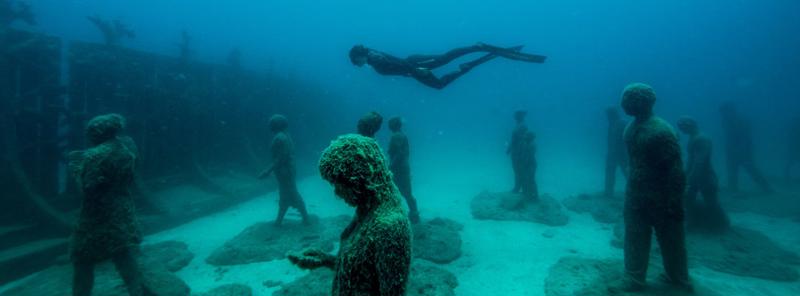
Image: Atlantic Musem (Lanzarote)

Launched in 2023, the programme now engages a total of 100 local and regional authorities – representing over 100 million people – in a range of trainings designed to enhance their approaches to adaptation and resilience to climate change 

Sixty-two climate-vulnerable regions across Europe ( full list here and below) have been selected to strengthen their climate adaptation plans through Pathways2Resilience, a flagship project of the EU Mission on Adaptation to Climate Change. Five of the newly selected entities are ICLEI Europe Members, including the municipalities of Aalborg (Denmark), Belfast (United Kingdom), Braga (Portugal), Pescara (Italy), and Tirana (Albania).

Launched in 2023, the programme now engages a total of 100 local and regional authorities – representing over 100 million people – in a range of trainings designed to enhance their approaches to adaptation and resilience to climate change . ICLEI Europe has been a key partner in this multi-year programme from the outset.

The newly selected regions - home to around 55 million people - join the 38 regions that have started the programme in October 2024, gaining valuable peer support and experience. Each region will receive 210.000€ in grant funding alongside access to tailored tools and guidance, interactive peer learning, mentoring, and expert guidance.

This second round represents the final allocation of the EU-funded project’s €21 million cascade funding. The cohort will have 18 months to develop a robust climate resilience strategy, as well as an action and investment plan.

“I warmly congratulate all regions selected in the second Pathways2Resilience cohort,” said Elina Bardram, Mission Adaptation Manager at the European Commission. “As a flagship initiative, Pathways2Resilience helps the EU Mission on Adaptation deliver on its objectives and advance regional climate resilience together, through tailored support and peer learning.”

Among the most pressing climate hazards identified by this cohort were coastal and river flooding (43%), heat stress (36%), and drought (21%). With Europe warming twice as fast as the global average, Pathways2Resilience’s mission to accelerate regional adaptation has never been more crucial.

Pathways2Resilience Summit: Europe's adaptation community convenes in Budapest

On 11 February 2026, all 100 regions will gather in Budapest for the Pathways2Resilience Summit. The Hungarian Capital, an ICLEI Europe member, is already confronting floods and heatwaves, while also being recognised for its innovative climate resilience efforts.

The city has moved from fragmented planning to a cohesive resilience strategy, implementing green development initiatives, a rainwater management plan, and measures to combat urban heat and flooding, including the award-winning Pünkösdfürdő Park along the Danube.

“With 100 regions now on board, Pathways2Resilience is creating a powerful network of local communities committed to climate adaptation” said Thomas Koetz, Senior Advisor for Climate Resilient Regions at Climate KIC and Pathways2Resilience programme coordinator. “This second cohort brings fresh energy and diverse perspectives, helping us accelerate Europe’s resilience journey at a time when climate impacts are intensifying. As programme coordinator, Climate KIC is proud of how far we’ve come in turning ambition into actionable plans that safeguard people, economies, and ecosystems.”

Additional statements from selected regions

“Being selected for Pathways2Resilience is a strong recognition of Worms’ long-term work on climate adaptation. Located in one of Germany’s warmest regions, we will use this support to further strengthen our climate resilience by integrating climate adaptation, heat and water strategies, and by learning with and from other European cities facing similar challenges,” stated Stephanie Rohr, Mayor of the City of Worms, one of the newly selected regions in Germany.

“We are very pleased that East Iceland [Austurland] has been selected to participate in the Pathways2Resilience programme. The region faces increasing climate-related challenges, particularly in rural and coastal communities, and this collaboration will support us in strengthening knowledge, developing practical solutions and building long-term adaptive capacity,” commented Berglind Harpa Svavarsdóttir, Chair of the Association of Municipalities in East Iceland (SSA), following Austurland’s selection as a Pathways2Resilience region.

“As a coastal and urban region facing increasing climate pressures, we look forward to strategic guidance, shared expertise, and tools that will support long-term, integrated climate adaptation planning,” said Iryna Vieklich, Grant Officer from Odesa Oblast, one of the Ukrainian selected regions.

“The Košice Self-Governing Region has long positioned itself as a green region, building climate resilience in close cooperation with municipalities and local stakeholders, primarily through nature-based adaptation measures. I am delighted that Košice Region has been selected for the Pathways2Resilience programme, as the growing risks of drought and extreme precipitation, along with our above-average vulnerability, highlight the need for systematic adaptation measures. This project will enable us to modernise the region’s adaptation strategy, leverage expert know-how, and engage in meaningful knowledge exchange with partner regions,” said Rastislav Trnka, President of the Košice Self-Governing Region, a Slovakian region selected for the new cohort.

Pathways2Resilience participating regions

Albania

Tirana Region

Armenia

Akunk Community Municipality

Austria

Elsbeere-Wienerwald

Styria

Belgium

Municipality of Ixelles

Municipality of Etterbeek

Wallonia (lead entity: Catholic University of Louvain – UCL)

Bosnia & Herzegovina

Blidinje Nature Park

Sarajevo

Bulgaria

Municipality of Dobrich

Municipality of Silistra

Croatia

Križevci Prigorje

Cyprus

Limassol

Czechia

Podřipsko region

Denmark

Municipality of Aalborg

Municipality of Egedal

Estonia

West Estonian Archipelago (lead entity: Estonian Islands Energy Agency)

Finlan

South Ostrobothnia

France

Département du Nord

Nouvelle-Aquitaine

French Outermost Regions

La Réunion

Georgia

Kakheti (lead entity: Georgian National Environmental Agency)

Tusheti (lead entity: Akhmeta Municipality)

Germany

City of Luckau

City of Worms

County of Lippe

Greece

North Aegean

Region of Attica

Iceland

East of Iceland / Austurland (lead entity: Austurbrú)

Italy

Emilia-Romagn

Municipality of Pescara

Tepilora Natural Regional Park (Sardinia Region)

Kosovo

Municipality of Podujevë (lead entity: University of Prishtina)

Lithuania

Alytus Region (lead entity: Alytus Regional Development Council)

Moldova

Municipality of Cimișlia

Municipality of Nisporeni

Netherlands

Twente (lead entity: City of Enschede

North Macedonia

Northeastern Statistical Region (lead entity: Municipality of Kumanovo)

Norway

Akershus County

Kristiansand Region

Portugal

Municipality of Braga

Aveiro Region

Romania

North-West Region (lead entity: North-West Regional Development Agency)

Teleorman County (lead entity: Babes-Bolyai University)

Serbia

Southern Serbia region (lead entity: Regional Development Agency South)

Slovakia

Košice region

Žilina region

Slovenia

Goriška region (lead entity: Goriška Local Energy Agency)

Municipality of Trbovlje

Spain

Catalonia (lead entity: Ministry for Home Affairs and Public Safety of Catalonia)

Province of Cádiz (lead entity: Fundacion Medio Ambiente, Energia y Sostenibilidad Provincia de Cadiz)

Türkiye

Çukurova Region (lead entity: Adana Chamber of Industry)

Municipality of Üsküdar

Van Subregion (TRB2) (lead entity: Eastern Anatolia Development Agency)

Ukraine

Chernihiv Oblast (lead entity: Chernihiv Polytechnic National University)

Lviv Oblast (lead entity: Regional Development Agency of Lviv Region)

Odesa Oblast (lead entity: Odesa 5T)

Volyn Oblast (lead entity: Regional Development Agency of the Volyn region)

United Kingdom

City of Belfast

Kent

City of Plymouth

About Pathways2Resilience: Pathways2Resilience is a flagship project of the EU Mission on Adaptation to Climate Change. EU Missions are novel instruments meant to fast-track implementation of the EU Green Deal in five areas, including climate adaptation. For more information, visit www.pathways2resilience.eu

About ICLEI - Local Governments for Sustainability: ICLEI – Local Governments for Sustainability is a global network of more than 2,500 local and regional governments committed to sustainable urban development. Active in 125 countries, we influence sustainability policy and drive local action for low emission, nature-based, equitable, resilient and circular development. ICLEI Europe provides members in Europe, the Middle East and West Asia with a voice on European and international stages, a platform to connect with peers, and tools to drive positive environmental, economic and social change. ICLEI Europe works closely with an extended network of local and regional governments and partners on a broad range of topics.

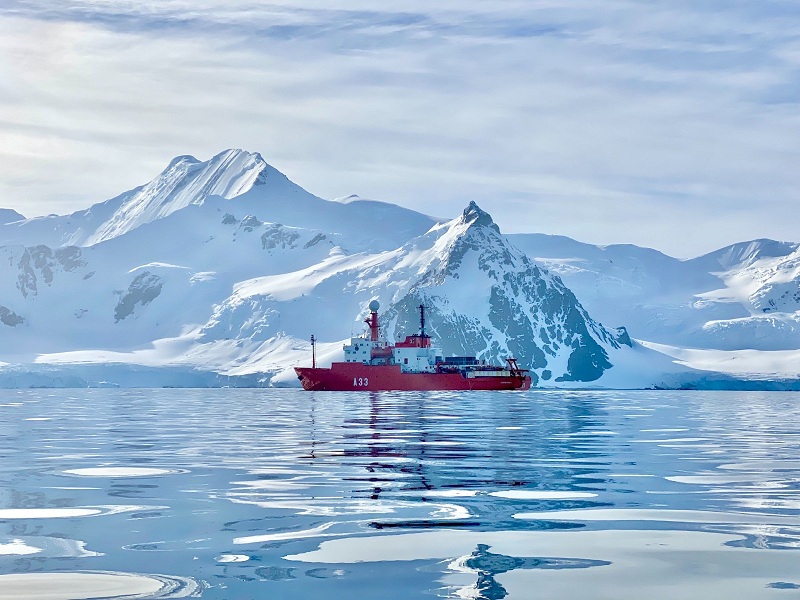
The oceanographic research vessel Hespérides begins its XXX Antarctic Campaign

The mission of the Oceanographic Research Vessel (BIO) Hespérides forms part of the Spanish Antarctic Campaign 2025–2026, representing a model of cooperation between different public and private institutions in support of R&D&I within the framework of the National Plan for Scientific, Technical and Innovation Research.

With a planned duration of 164 days and the participation of around 200 personnel, Hespérides will carry out intensive logistical support activities for the Spanish Antarctic Bases Gabriel de Castilla and Juan Carlos I, as well as the development of several scientific projects of high strategic and technological value. The Spanish Polar Committee is responsible for coordinating the activities carried out by the various organizations involved during the Antarctic Campaigns.

These projects cover a wide range of disciplines, including the study of solar activity, geodesy, underwater morphology and climate change. Among them, the GALILEO project stands out. Developed by the Spanish Navy Hydrographic Institute (IHM), this project supports the validation of the Public Regulated Service (PRS) of the European positioning system Galileo in high-latitude areas of the southern hemisphere.

To conduct these studies, the vessel is equipped with 11 laboratories dedicated to different types of research, providing more than 350 square metres of permanent onboard space devoted to scientific activity. In addition, the ship’s fixed scientific equipment includes various echo sounders for biomass quantification and hydrographic bathymetry, a seismic profiler, a marine gravimeter, and a CTD (Conductivity–Temperature–Depth) system capable of collecting water samples at different levels down to depths of 6,000 metres while simultaneously carrying out other measurements.

The Spanish Navy’s Scientific Contribution

Throughout its history, the Spanish Navy has played a decisive role in advancing scientific knowledge. Key examples of this contribution include the Malaspina scientific expedition and the expedition led by Jorge Juan and Antonio de Ulloa. The Navy has also been a pioneer in several scientific fields, such as the establishment of the first Astronomical Observatory in 1753, the first geomagnetic station in 1875, and the first seismic station in 1898. Today, this commitment continues not only through the work carried out by the BIO Hespérides, but also through institutions such as the Spanish Navy Hydrographic Institute (IHM) and the Royal Observatory of the Spanish Navy (ROA).

The mission of the IHM is to ensure navigational safety by collecting and disseminating information on the sea and coastline, thereby contributing to the advancement of nautical science. It is the sole authority responsible for updating national nautical charting and provides public information to the scientific and educational communities, as well as to public administrations, in support of their research projects and maritime decision-making processes.

The ROA, for its part, conducts theoretical studies and calculations in areas such as astronomy, geodesy, geophysics and timekeeping. It is also responsible for the calculation and dissemination of Spain’s official time.

Caltech researchers have now developed technology to freeze and preserve stem cells from birds that can then be reconstituted to help propagate populations

Birds are a critical part of the global ecosystem; they enable our food production through consumption of agricultural pests like aphids and rodents, and control the spread of diseases by eating insects like mosquitos and ticks. However, around 15 percent of all bird species now face risk of extinction—in Hawaii alone, 33 of the state's 45 native species are critically endangered.

Caltech researchers have now developed technology to freeze and preserve stem cells from birds that can then be reconstituted to help propagate populations.

The work was conducted by Caltech postdoctoral scholar Xi Chen as a collaboration between the USC laboratory of Qi-Long Ying and the Caltech laboratory of Carlos Lois, research professor of biology. The study is described in a paper in the journal Nature Biotechnology on September 30.

"Preservation of animal species is not just some hippie pursuit—it has real economic and public health consequences," Lois says. "Losing species is a domino effect. For example, birds eat insects like mosquitos, so fewer birds mean more mosquitos, which could mean spreading more diseases like West Nile virus and malaria. Each animal's role in nature has far-reaching repercussions, which often affect human health and the general functioning of our society."

While the technology to sequence a bird's entire genome is readily available, simply having a genetic sequence does not mean you can produce an animal from it—you need cells. As an analogy, one can imagine having all of the instructions on how to build a car but not having a factory with the machinery or materials necessary to do so.

In mammals, embryos develop for a few days as a collection of cells that can be grown outside of the female (in vitro), before they are eventually implanted into the uterus where they develop. The technology to freeze, revive, and grow mammals from embryos cultured in vitro has existed for many species for more than 30 years. But preserving bird embryos is not currently possible because they grow inside of eggs, and it is not possible to freeze entire eggs and then revive them.

To address this bottleneck, the new technique allows scientists to grow stem cells (cells with the ability to develop into specialized types) in culture from different bird species; the stem cells are taken from a nascent embryo, propagated in vitro in the lab for up to several months, and then frozen. They can then be thawed and grown again at a later date and inserted into an egg, which is then incubated to develop the animal.

As working with endangered animals is high risk, the team demonstrated proof of concept in common bird species such as quail, pheasant, turkey, goose, chicken, peafowl, duck, and ostrich. The Lois lab is currently collaborating with the San Diego Zoo to apply similar techniques to preserve stem cells from wild bird species, including some that are critically endangered.

"Currently, protecting remaining individuals is our only strategy to prevent bird extinction," Lois says. "However, despite intensive conservation efforts, many species continue to vanish. The techniques we're developing will enable reconstituting birds from stored cells of endangered species, even after extinction, creating a permanent repository for species restoration."

The paper is titled "Derivation of embryonic stem cells across avian species." In addition to Chen and Lois, Caltech co-authors are graduate student Martin Tran and visiting research scientist Carol Readhead. Additional co-authors are Zheng Guo, Xinyi Tong, Xizi Wang, Xugeng Liu, Ping Wu, Christina Wu, Lin Cao, Yixin Huang, Han Zeng, Nima Adhami, Sirjan Mor, Cheng-Ming Choung, and Qi-Long Ying of USC; Rusty Lansford of Children's Hospital Los Angeles; and Hiroki Nagai and Guojun Sheng of Kumamoto University in Japan. Funding was provided by the National Institutes of Health. Carlos Lois is an affiliated faculty member with the Tianqiao and Chrissy Chen Institute for Neuroscience at Caltech.

Text: Lori Dajose

The EU-funded LOCAL-HEAT project is developing next-generation perovskite materials to make clean energy more accessible and affordable around the world

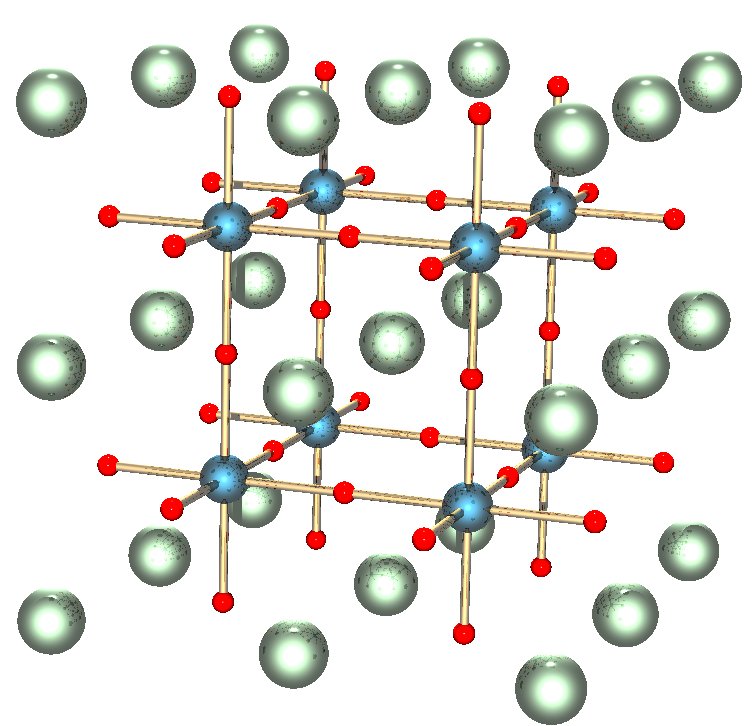
A major challenge in photovoltaics is how to build high-performance solar cells that are cost-effective, reliable and sustainable. Perovskites – a unique class of semiconductor materials – show great promise to tackle this challenge and could lead to lightweight, flexible and more affordable solar panels. They are investigated as a standalone technology, but can also be combined with traditional technologies such as silicon. However, advances are still required to understand perovskite formation at the microscopic level.

This is where LOCAL-HEAT comes in. Launched in September 2022, the project is working to gain insight into and control the local heating and crystallisation processes that occur during the thin-film formation of perovskite materials. The aim is to make perovskite solar cells both more efficient and more stable. “Our broader vision is to help bring perovskite technology from the laboratory to large-scale, real-world applications, making clean energy more accessible and affordable worldwide,” explains lead researcher Michael Saliba, director of the Institute for Photovoltaics at the University of Stuttgart (with a dual affiliation at Research Centre Juelich), which is coordinating the project.

One of LOCAL-HEAT’s key achievements so far has been reaching one of the highest open-circuit voltages for a wide-bandgap perovskite, an important quality measure. The project partners have also monitored perovskite formation in real time. This is offering new insights into the crystallisation process and helping the research team identify ideal conditions for growing high-quality films.

Another achievement by the LOCAL-HEAT researchers has been the introduction of laser polishing techniques that improve the surface quality of the perovskite layer, enhancing device performance. Finally, building on chemical knowledge, they have also made effective use of green solvents, making the fabrication process more environmentally friendly.

On the horizon

LOCAL-HEAT researchers are currently exploring how targeted laser light can be used to locally modify the properties of perovskite films after they are formed. This could make it possible to fine-tune solar cell performance in a controlled and scalable way. At the same time, they are applying their in situ tools to other perovskite compositions and device architectures to broaden the applicability of their research findings.

By 2027, the project team expects to have gained an in-depth understanding of perovskite crystallisation and how to control these processes to improve performance and stability. “This knowledge will be vital for supporting industrial-scale production, particularly for large-area solar modules based on a single or even multiple perovskite layers,” states Saliba. “Our developments – including green solvent systems, in situ diagnostic tools and laser-based surface modifications – will offer a comprehensive toolbox for both researchers and manufacturers.”

By bridging fundamental insights with scalable methods, LOCAL-HEAT (Controlled Local Heating to Crystallize Solution-based Semiconductors for Next-Generation Solar Cells and Optoelectronics) has set its sights on accelerating not only scientific progress but also the commercialisation of next-generation perovskite solar technologies.

New research led by Dr Solomon H. Gebrechorkos, Researcher in Climate Change Attribution, Smith School of Enterprise and the Environment, published in Nature, has found that this 'thirst' has made droughts 40% more severe across the globe

Atmosphere's growing 'thirst' worsens global droughts

Droughts are usually blamed on a lack of rain, but a team led by researchers at the School of Geography and the Environment has shown that there’s something else at work: the atmosphere itself is demanding more water out of the soil, rivers, and plants.

Atmospheric Evaporative Demand (AED) acts like an invisible sponge, soaking up moisture faster than it can be replaced, which can increase water stress, particularly for plants. As the world gets hotter because of climate change, AED is rising — and it’s causing more severe drought events even in wet regions.

The new study — 'Warming accelerates global drought severity', published in Nature — takes a close look at how much AED is responsible for the worsening droughts happening all around us.

A new way to measure drought’s growing danger

Until now, no one had measured AED's global impact using real-world observations — making it harder to predict and prepare for droughts. This study used a set of high-resolution data covering more than a century and applied advanced methods to track how AED has increased and how much worse it has made droughts.

Dr Solomon Gebrechorkos explained: “We face a big challenge. There’s no direct way to measure how ‘thirsty’ the atmosphere is over time. So we used high-resolution climate data identified through a comprehensive global evaluation and applied the most advanced models for atmospheric evaporative demand — models that account for multiple climate variables, not just temperature. We also refined the methodological approach to improve accuracy.

“By doing so, we were able to generate a much clearer picture of how AED has evolved globally. We also identified regions most affected by this rising demand — an area spanning large parts of the world.

“This work shows that including AED in drought monitoring, rather than relying on precipitation alone, is essential for better managing risks to agriculture, water resources, energy, and public health. Given projected climate changes, especially rising temperatures, the impact of AED is expected to intensify.

“We need to act now by developing targeted socio-economic and environmental adaptation strategies and improved early warning and risk management systems. Many affected areas are already struggling to cope with severe drought.”

Understanding drought in a warming world

This research changes how we think about drought. It shows that it’s not just rainfall that matters — how much water the atmosphere demands is just as important. As the planet keeps warming, AED will likely keep rising, drying out landscapes faster than rain can keep up, dramatically increasing plant water stress and impacting plant carbon uptake.

The findings suggest that future research needs to focus much more on how evaporation and atmospheric demand interact with water supplies, not just rainfall patterns. Scientists will also need to study how farmers, cities, and ecosystems can adapt to a world where the atmosphere constantly demands more moisture. More studies focused on climate-driven fluctuations in AED will also improve drought prediction.

Page 1 of 4

Featured

Most Read

We use cookies

We use cookies on our website. Some of them are essential for the operation of the site, while others help us to improve this site and the user experience (tracking cookies). You can decide for yourself whether you want to allow cookies or not. Please note that if you reject them, you may not be able to use all the functionalities of the site.