Biotechnology

Explore the latest innovations, research, and applications in biotechnology driving advances in health, environment, and sustainable industries.

New research looks into factors beyond genes to explain what is causing the differences between the sexes

It’s no secret that men and women face unique health challenges because of their genes. But to truly understand and address these challenges, are we relying too much on genetic factors that affect diseases, symptoms and health results?

Beyond genetics and medical factors, what role might other factors play in shaping our health outcomes?

Don’t forget about external forces

A study led by Queen Mary University of London questions the long-established reliance on genetic factors alone. To compare health risks and outcomes between the two, the researchers looked beyond genetics and medical factors. They explored a broad range of social factors, including where people live and work, education levels, lifestyle and finances. The findings were published in the journal ‘Nature Communications’.

“For the first time in history, we are able to study human biology at this level of detail—across genes, proteins, and more,” commented lead author Mine Koprulu, postdoctoral researcher at Queen Mary’s Precision Healthcare University Research Institute (PHURI), in a news release. “This is the largest study to date exploring the similarities and differences in how our genetic code regulates blood protein levels between sexes.”

Using data from the massive biomedical database UK Biobank and the Fenland Study, the researchers analysed the genetic links between 6 000 proteins and hundreds of diseases in 56 000 individuals, evenly distributed between males and females.

Interplay between genetics and social factors

Results revealed that only about 100 proteins showed significant gender differences. This finding suggests that the genetic similarities between sexes are more obvious than previously believed.

“Our results clearly show that with very few exceptions, protein regulating genetic variants identified so far behave in a very similar way in males and females,” stated PHURI Director Claudia Langenberg, who is a professor of computational medicine at the Berlin Institute of Health at Charité. “This provides evidence for an important implicit assumption – that insights arising from studying these variants apply to both sexes.”

“Our findings highlight the need to better understand the factors that impact health differences — at the genetic level and beyond— to create more tailored and equitable healthcare for everyone,” added Koprulu.

“Drug development pipelines increasingly incorporate information on genetic differences in protein levels and function and this has led to large investment in human cohorts, such as UK Biobank,” explained Langenberg. “From this perspective, better understanding of population differences in the regulation of proteins, such as those between males and females, is essential to guide precision medicine approaches and identify where one size may not fit all.”

Effectively managing the factors we can influence remains crucial. We cannot modify our genes, but we can choose to look after our health and well-being regardless of sexual orientation.


Pain is unpleasant, and can be debilitating for some. The expert Rolf-Detlef Treede tackles the thorny reality of a pain-free life.

“There are people that live without pain,” says Treede, a neurophysiologist at the University of Heidelberg. “They have been known for centuries to exist.”

Insensitivity to pain, known as analgesia, can be caused by a group of rare genetic diseases. Yet being impervious to pain does not mean being impervious to injury. Those with the condition can easily burn themselves on a hot stove without realising, for example, and are prone to joint issues due to mechanical damage.

To avoid overloading our joints, or to avoid resting our hand on a hot stove, we need nociception. This is our body’s alarm system, which warns us when the body is under threat of damage, and is interpreted by the brain as pain. Signals that activate the nociceptive system kick in before the threshold of damage to the body – it would be too late if the damage had already been done once the pain arrived. If the nociception system is disrupted, a person may not be aware of a physical threat, and serious injury can occur.

Nociception and pain aren’t quite the same thing though. Pain is a subjective feeling, Treede explains, while nociception describes the processes of sensing actual or potential harm, and can be measured objectively.

“So living without pain, I would rephrase it as living without nociception,” says Treede. “It’s very, very dangerous because you’re lacking this alarm system,” he adds. Unfortunately, people lacking it often suffer from shorter life expectancies as a result. So while pain might not be a welcome feeling, it’s your body’s way of protecting yourself from serious harm.

Malfunctions in the nociceptive system can happen in the other direction as well, leading to unnecessary and chronic pain. “There’s increasing evidence that in a certain percentage of patients, pain persists beyond the normal healing of bodily damage so it’s not completely linked to tissue damage,” explains Treede.

In fact, pain is currently the most common non-communicable medical condition in Europe. Chronic pain affects 19% of Europeans, lowering their quality of life and affecting their livelihoods. In the EU and industry-funded IMI-PainCare project, Treede and his colleagues sought to improve pain management and drug development, and find novel therapeutic approaches for pain.

Through various subprojects, the researchers profiled women with chronic pelvic pain, standardised the assessment of acute and chronic pain, and sought out biomarkers that can identify the pain relief effects of drugs.

The project generated strong results, some of which were presented to policymakers during an event at the European Parliament, ‘The Future of European Pain Research’.

Despite the prevalence of pain, there’s a reluctance to fund research into it, says Treede. This may be partly because there may not be as much money to be made. Depression and back pain are known to be the largest cause of loss of working hours. “Depression is now recognised as something real,” notes Treede. “Chronic pain is lagging behind.”

Study finds that modifying one factor can reduce risk of stroke, dementia, and late-life depression.

Seventeen modifiable factors have been identified that can lower people’s risk of age-related brain diseases such as stroke, dementia, and late-life depression, according to researchers at Harvard-affiliated Mass General Brigham.

The study found a reduced risk of all three conditions by modifying any one of the 17 factors. The results, which provide evidence to inform novel tools, such as the Brain Care Score, are published in the Journal of Neurology, Neurosurgery, and Psychiatry.

The researchers systematically searched the scientific literature for previously published meta-analyses of risk factors associated with stroke, dementia, and late-life depression. Then, they combined these data to identify modifiable risk factors (i.e., those that can be altered through behavioral change) shared amongst at least two out of the three diseases. They also estimated the relative impact of each risk factor on measures of quality of life and early death.

Altogether, the researchers identified risk factors shared by at least two of the diseases, including blood pressure, kidney disease, fasting plasma glucose, total cholesterol, alcohol use, diet, hearing loss, pain, physical activity, purpose in life, sleep, smoking, social engagement, and stress. Of these, high blood pressure and severe kidney disease had the biggest impact on the incidence and burden of stroke, dementia, and late-life depression.

17 shared risk factors

In contrast, physical activity and engagement in leisure activities with a cognitive aspect (e.g., puzzles) were associated with a lower risk of disease, though the researchers suspect that these associations may be symptomatic rather than causal, since individuals with brain disease may be less capable of engaging in physical and cognitive leisure activities.

“Dementia, stroke, and late-life depression are connected and intertwined, so if you develop one of them, there’s a substantial chance you may develop another one in the future,” said first author Jasper Senff, postdoctoral fellow at the Singh Lab at the Brain Care Labs at Mass General Hospital and at Harvard Medical School. “And because they share these overlapping risk factors, preventive efforts could lead to a reduction in the incidence of more than one of these diseases, which provides an opportunity to simultaneously reduce the burden of age-related brain diseases.”

Mass General Brigham researchers developed and validated the Brain Care Score to measure efforts to protect brain health and offer guidance on how to improve it. The researchers have updated the Brain Care Score to reflect the latest scientific findings. They emphasize the need for more studies on modifiable risk factors of late-life depression and call for a randomized controlled trial to test an intervention using the Brain Care Score.

“Healthcare is increasingly complex. But these findings remind us that preventing disease can be very simple. Why? Because many of the most common diseases share the same risk factors,” said Jonathan Rosand, a professor of neurology at Harvard Medical School, founder of the Global Brain Care Coalition, and the JP Kistler Endowed Chair in Neurology at MGH.

Source: Liana Wait, Mass General Brigham Communications

A new, highly efficient process for performing this conversion could make it easier to develop therapies for spinal cord injuries or diseases like ALS

Converting one type of cell to another — for example, a skin cell to a neuron — can be done through a process that requires the skin cell to be induced into a “pluripotent” stem cell, then differentiated into a neuron. Researchers at MIT have now devised a simplified process that bypasses the stem cell stage, converting a skin cell directly into a neuron.

Working with mouse cells, the researchers developed a conversion method that is highly efficient and can produce more than 10 neurons from a single skin cell. If replicated in human cells, this approach could enable the generation of large quantities of motor neurons, which could potentially be used to treat patients with spinal cord injuries or diseases that impair mobility.

“We were able to get to yields where we could ask questions about whether these cells can be viable candidates for the cell replacement therapies, which we hope they could be. That’s where these types of reprogramming technologies can take us,” says Katie Galloway, the W. M. Keck Career Development Professor in Biomedical Engineering and Chemical Engineering.

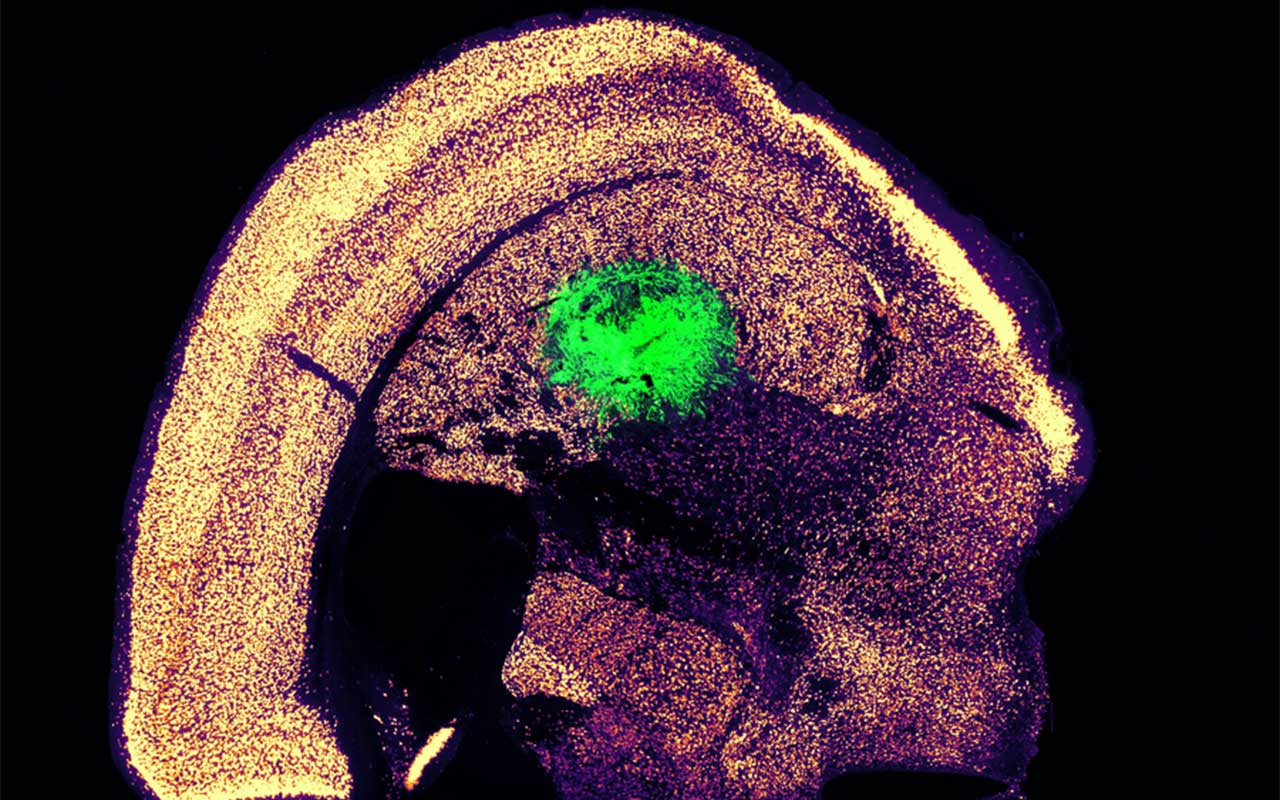
As a first step toward developing these cells as a therapy, the researchers showed that they could generate motor neurons and engraft them into the brains of mice, where they integrated with host tissue.

Galloway is the senior author of two papers describing the new method, which appear today in Cell Systems. MIT graduate student Nathan Wang is the lead author of both papers.

From skin to neurons

Nearly 20 years ago, scientists in Japan showed that by delivering four transcription factors to skin cells, they could coax them to become induced pluripotent stem cells (iPSCs). Similar to embryonic stem cells, iPSCs can be differentiated into many other cell types. This technique works well, but it takes several weeks, and many of the cells don’t end up fully transitioning to mature cell types.

“Oftentimes, one of the challenges in reprogramming is that cells can get stuck in intermediate states,” Galloway says. “So, we’re using direct conversion, where instead of going through an iPSC intermediate, we’re going directly from a somatic cell to a motor neuron.”

Galloway’s research group and others have demonstrated this type of direct conversion before, but with very low yields — fewer than 1 percent. In Galloway’s previous work, she used a combination of six transcription factors plus two other proteins that stimulate cell proliferation. Each of those eight genes was delivered using a separate viral vector, making it difficult to ensure that each was expressed at the correct level in each cell.

In the Cell Systems paper, Galloway and her students reported a way to streamline the process so that skin cells can be converted to motor neurons using just three transcription factors, plus the two genes that drive cells into a highly proliferative state.

Using mouse cells, the researchers started with the original six transcription factors and experimented with dropping them out, one at a time, until they reached a combination of three — NGN2, ISL1, and LHX3 — that could successfully complete the conversion to neurons.

Once the number of genes was down to three, the researchers could use a single modified virus to deliver all three of them, allowing them to ensure that each cell expresses each gene at the correct levels.

Using a separate virus, the researchers also delivered genes encoding p53DD and a mutated version of HRAS. These genes drive the skin cells to divide many times before they start converting to neurons, allowing for a much higher yield of neurons, about 1,100 percent.

“If you were to express the transcription factors at really high levels in nonproliferative cells, the reprogramming rates would be really low, but hyperproliferative cells are more receptive. It’s like they’ve been potentiated for conversion, and then they become much more receptive to the levels of the transcription factors,” Galloway says.

The researchers also developed a slightly different combination of transcription factors that allowed them to perform the same direct conversion using human cells, but with a lower efficiency rate — between 10 and 30 percent, the researchers estimate. This process takes about five weeks, which is slightly faster than converting the cells to iPSCs first and then turning them into neurons.

Implanting cells

Once the researchers identified the optimal combination of genes to deliver, they began working on the best ways to deliver them, which was the focus of the second Cell Systems paper.

They tried out three different delivery viruses and found that a retrovirus achieved the most efficient rate of conversion. Reducing the density of cells grown in the dish also helped to improve the overall yield of motor neurons. This optimized process, which takes about two weeks in mouse cells, achieved a yield of more than 1,000 percent.

Working with colleagues at Boston University, the researchers then tested whether these motor neurons could be successfully engrafted into mice. They delivered the cells to a part of the brain known as the striatum, which is involved in motor control and other functions.

After two weeks, the researchers found that many of the neurons had survived and seemed to be forming connections with other brain cells. When grown in a dish, these cells showed measurable electrical activity and calcium signaling, suggesting the ability to communicate with other neurons. The researchers now hope to explore the possibility of implanting these neurons into the spinal cord.

The MIT team also hopes to increase the efficiency of this process for human cell conversion, which could allow for the generation of large quantities of neurons that could be used to treat spinal cord injuries or diseases that affect motor control, such as ALS. Clinical trials using neurons derived from iPSCs to treat ALS are now underway, but expanding the number of cells available for such treatments could make it easier to test and develop them for more widespread use in humans, Galloway says.

The research was funded by the National Institute of General Medical Sciences and the National Science Foundation Graduate Research Fellowship Program.

Source: Anne Trafton | MIT News

EU-funded researchers are working together to improve survival rates and quality of life for children with cancer and reduce inequalities between countries

Dealing with cancer in children is hard enough. Knowing that there are huge disparities in survival rates between higher- and lower-income countries in Europe makes it even worse. But EU-funded researchers are working to address this.

Dr Jelena Rascon, a paediatric cancer specialist at the Vilnius University Hospital Santaros Klinikos (VULSK) in Lithuania, places great importance on the benefits of international cooperation when dealing with cancer – particularly when it comes to children.

Increasing the odds

“There are still inequalities across European countries in terms of childhood cancer survival rates,” said Rascon, who led a three-year EU-funded research initiative called TREL that began in 2021 and concluded in December 2023. The researchers aimed to improve childhood cancer treatment through greater cooperation between European countries.

Thanks to funding from the EU, Dr Rascon and her colleagues were able to work closely with partners in Austria, Belgium, Denmark, France, Germany, Italy and the Netherlands to reduce persisting disparities and improve survival rates across Europe for children with certain types of cancer.

This was done through twinning, a concept that allows specialists to network and cooperate more easily with colleagues in other countries where research in a specific area is deemed to be more advanced.

The TREL team focused on the treatment of solid cancerous tumours in children and, more specifically, on brain tumours, neuroblastoma and renal tumours.

Brain tumours are among the most common types of childhood cancers, along with leukaemia and lymphoma. Although childhood cancers are very rare and have a high overall survival rate, they remain the first cause of death from disease in children and adolescents, with an estimated 2 000 deaths every year in Europe.

To help increase the odds of survival, the children taking part in the study had access to personalised treatment plans and follow-ups agreed collectively by the research team.

In some cases, doctors were able to work with geneticists and bioinformatics specialists from institutions in other European countries – with considerable positive impact for their young patients and their families.

Improving survival

In the EU, an estimated 14 000 cases of childhood cancers are recorded every year, according to the European Cancer Inequalities Registry.

The registry puts survival rates at between 73% in Bulgaria and 74% in Lithuania, to 86% in Denmark and 85% in Austria. To put it more simply, for every 100 children with cancer, 12 more will survive in Denmark than in Lithuania.

The good news is that the prognosis for children with cancer is improving in Lithuania. According to Rascon, the increase in cross-border exchanges organised as part of the TREL cooperation has been an important part of that.

The TREL researchers’ objectives align well with Europe’s Beating Cancer Plan, especially its ‘Helping Children with Cancer’ initiative, as well as the EU Cancer Mission’s science-based approach toward reducing cancer burden and inequalities across the EU.

International solidarity for better care

Dr Goda Vaitkevičienė, a colleague of Rascon’s and a paediatric haematologist at VULSK, also acknowledges the importance of international solidarity in improving the health outcomes for children everywhere.

Vaitkevičienė worked on two pan-European studies of treatment protocols for children and adolescents with acute lymphoblastic leukaemia (ALL) called NOPHO ALL2008 and ALLtogether.

These aimed to improve childhood leukaemia survival rates through clinical trials that, like TREL, included the sharing of data, treatment plans and information between doctors in different European countries.

International cooperation is particularly important in a field like paediatric cancer, said Vaitkevičienė. She pointed out that as these cancers are extremely rare, it is difficult to have a sufficient number of patients to conduct effective studies and compare protocols within the borders of just one or several small countries.

For Rascon, the work carried out by the TREL team brought increased knowledge, better access to innovations and better access to international collaborative research.

“When you’re in a research group, you can provide much better care to your patients, more innovative, more tailored. In paediatric oncology, research is a platform to provide better care,” she said.

Future outlook

Thanks to the work carried out by the TREL researchers, the team has been able to secure funding for a new project, SCARLET, set to begin in October 2024, allowing it to carry on making improvements.

The advantages go both ways, with data related to the Lithuanian children involved in the clinical trials now feeding into a Europe-wide study that can improve overall cancer treatment outcomes elsewhere.

For patients, the improved survival outcomes may be the headline figure, but they are not the whole story, said Vaitkevičienė. “We are not just talking about treatment, but also quality of life. Not only after, but also during the treatment,” she said. Up to 70% of children undergoing chemotherapy are affected by at least one severe side-effect, including serious infections, acute or long-term organ damage, thrombosis and metabolic disorders.

Sharing data can help doctors avoid complications for their patients and reassure them while they are being treated. It also boosted the confidence of the doctors working at the hospital.

“You can talk to the patients slightly differently,” said Vaitkevičien.

“You’re more confident when you can say this is not our treatment plan alone, children in other countries are treated in the same way,“ she said. “All this adds to their quality of life.“

Author:

Helen Massy-Beresford

Research in this article was funded by the EU’s Horizon Programme. The views of the interviewees don’t necessarily reflect those of the European Commission

This article was originally published in Horizon the EU Research and Innovation Magazine.

Leading scientists are calling for urgent global action to better understand the links between air pollution and mental health

In a paper published by the British Journal of Psychiatry Open, researchers led by psychiatrist Professor Kam Bhui at the University of Oxford, say that while poor air quality is a risk factor for mental illness, progress in understanding the causes and impact has been too slow.

With the climate change crisis affecting air pollution, the researchers urge a team approach, encouraging researchers across different disciplines, both regionally and globally, to come together to speed up research and discover effective interventions.

Professor Bhui, Professor of Psychiatry at Oxford’s Department of Psychiatry, says: 'Existing evidence suggests that mental illness is more prevalent in deprived and urban areas where the influence of higher levels of air pollution may have been overlooked.

'We know air pollution, poor housing, social determinants of illness, and noise pollution, all impact more on the most marginalised populations in whom the rates of mental illness and long-term conditions are highest, adding to premature mortality.

'If we can better measure the effects, and understand the mechanisms, we can put in place more effective prevention strategies in the population, as well as provide better care for those with pre-existing conditions.'

The authors of the paper, which include environment and air quality experts, chemists, biologists and health specialists from universities across the country, say researchers must pool their knowledge and resources on how to measure air pollution, especially bioaerosols (particles including bacteria, viruses and fungi, as well as parts of living organisms such as pollen), and how this affects mental health.

Professor Chas Bountra, the University of Oxford's Pro-Vice Chancellor of Innovation, said: 'We want to accelerate the climate change research being done across the university, by bringing together experts working in many different fields. It is imperative that we better understand the impact of air quality, and pollution more broadly, on mental health. We must minimise the causes, as well as the detrimental outcomes.'

Professor Bhui says gathering more data across wider areas is key to improving knowledge. He added: 'We need to establish new cohorts and integrated data sets across disciplines and contrasting geographical areas. This means overcoming silos of knowledge generation so that we can understand the causes at the environmental and molecular levels.'

The paper ‘Air quality and mental illness: role of bioaerosols, causal mechanisms and research priorities’ is published in the British Journal of Psychiatry Open.

Cambridge researchers have cast doubt on whether new amyloid immunotherapy drugs will have the desired effect of significantly reducing the impact of Alzheimer’s disease

Writing in Alzheimer's & Dementia: The Journal of the Alzheimer's Association, the team from Cambridge Public Health argue that substantial challenges including the risk-benefit ratio, limited eligibility and high cost of roll-out will limit any benefits of these treatments.

Alzheimer’s disease is often quoted as causing 70% of the 55 million cases of dementia worldwide, though the definition of what constitutes the disease is hotly debated. One characteristic of Alzheimer’s is the build-up of clusters of misfolded proteins, one of these being a form of amyloid, leading to plaques in the brain. The cascade hypothesis, a dominant theory in the field, suggests that this triggers a series of processes which together lead to dementia symptoms.

Advances in developing treatments to reduce symptoms and slow down the progression in the early stages of Alzheimer’s has been slow. However, there has been recent excitement surrounding amyloid immunotherapy agents, drugs that harness the immune system to remove amyloid pathology.

Two completed phase III randomised controlled trials of amyloid immunotherapy reported statistically significant reductions in the rate of cognitive and functional decline compared to the placebo.

But as the Cambridge team point out, the effect sizes were small – small enough that a doctor would struggle to tell the difference between the average decline of a patient on the drug and another on placebo, after 18 months. The drugs were also associated with significant adverse events, including brain swelling and bleeding; during the phase III trial of one agent, donanemab, there were also three deaths attributed to the treatment.

Crucially, there is little known about the long-term effects of the drugs beyond the 18 month trial periods. Long-term placebo-controlled trials, which would be needed to see if there is any clinically meaningful slowing of decline, are unlikely to be feasible where drugs are already approved.    

Despite this, the US Food and Drug Administration has licensed two such drugs. The European Medicines Agency (EMA) has recommended rejecting one (lecanemab) predominantly on the grounds that the small effects seen do not outweigh the risk from side effects; it is reviewing the other. The UK’s Medicines and Healthcare Products Regulatory Agency (MHRA) is expected to take a decision on both drugs imminently.

Edo Richard, Professor of Neurology at Radboud University Medical Centre in Nijmegen, The Netherlands, and co-author, said: “If these drugs are approved by regulators in the UK and Europe, and become available, it is understandable that some people with early Alzheimer’s will still want to try these drugs, given their despair living with this dreadful disease. But there is a lot of hyperbole around the reporting of these drugs, and significant effort will be needed to provide balanced information to patients to enable informed decisions.”

Press coverage of the drugs has implied they are suitable for anyone with a diagnosis of Alzheimer’s. However, while the trials included those with ‘early symptomatic Alzheimer’s disease’, it excluded those with other conditions that may have been contributing to their symptoms.  Evidence suggests that the people in the trials represent less than 8% of those in the community with early Alzheimer’s disease. Those in the trials were up to 10 to 15 years younger than those typically presenting to health services with early symptoms.

Lead author Dr Sebastian Walsh, NIHR Doctoral Fellow in Public Health Medicine at Cambridge Public Health, University of Cambridge, added: “If approved, the drugs are likely to be relevant only for a relatively small cohort of Alzheimer’s patients, so potential recipients will need to undergo a range of assessments before being given access to the drugs. Plus, effect sizes seen in the trials are very small and the drugs will need be administered as early in the disease process as possible, when symptoms are mild – and people in these phases of disease can be hard to identify.”

The resource requirements for rolling out such treatments are likely to be considerable. Even if approved for only a small proportion of Alzheimer’s patients, a much broader group of people will need to be assessed for eligibility, requiring rapid specialist clinical assessment and tests. The authors question whether this is the best use of these resources, given the strain health systems are already under. Support would also be required for the large number of Alzheimer’s patients (potentially as many as 92%) found to be ineligible. Those found to have insufficient amyloid to be eligible may then require follow-up assessments to determine eligibility in the future, with the further implications for services this would entail.

Professor Carol Brayne, Co-director of Cambridge Public Health, said: “Even in high-income countries, rolling out such types of treatments at scale is highly challenging, but most dementia occurs in low- and middle-income countries. Health systems in these countries are highly unlikely to have the resources required to offer these new drugs, even to a very narrow group.

“Other compelling evidence suggests that attention to inequalities and health experience across people’s lives could have greater impact on the rates of dementia in populations. Most dementia is more complicated than a single protein.”

The team concludes that based on current evidence, it is far from clear whether amyloid immunotherapy can ever significantly reduce suffering caused by dementia at scale in the community, and we must continue to explore other approaches.

Professor Brayne added: “With an ageing population, we urgently need effective ways to support people living with dementia, but while the current amyloid immunotherapies may show a glint of promise for very selected groups, it’s clear these drugs will not address dementia risk at scale.”

Reference
Walsh, S et al. Considering challenges for the new Alzheimer’s drugs: clinical, population, and health system perspectives. Alz&Dem; 6 Aug 2024; DOI: 10.1002/alz.14108


SCREEN4CARE is striving to shorten the time to rare disease diagnosis by genetically screening babies in Europe as soon as they are born

he EU-funded SCREEN4CARE project aspires to have every child born in Europe undergo genetic screening at birth for a wide variety of rare diseases. Genetic checks on newborns and AI-assisted data analysis could help speed up the diagnosis and treatment of rare diseases, which affect up to 36 million people in the EU.

“Genetic screening offers the significant benefit of providing more accurate data for more rare disease conditions,” states Dr Alessandra Ferlini, an associate professor at SCREEN4CARE project coordinator University of Ferrara, Italy, in a ‘Horizon Magazine’ article. Of the 6 000–8 000 rare diseases believed to exist today, an estimated 80 % are of genetic origin, and 70 % begin in childhood.

SCREEN4CARE is beginning its genetic newborn screening trials in Italy and then moving on to other EU countries. During these trials, an estimated 25 000 newborns will be genetically screened for 245 treatable rare diseases. This will involve taking five drops of blood two days after birth and performing next-generation sequencing.

Earlier start, better start

Newborn screening will not only make it possible to diagnose children earlier, it will also generate valuable research data on rare diseases and promote more effective treatments. “It would enable families to understand what is happening with their child, find the necessary support and care, and receive financial assistance,” observes Gulcin Gumus, a senior manager of research and policy at SCREEN4CARE project partner EURORDIS – Rare Diseases Europe (France), a non-profit alliance of more than 1 000 rare disease patient organisations from 74 countries.

According to a 2024 survey conducted by EURORDIS – Rare Diseases Europe, it currently takes about 4.7 years to diagnose a rare disease after symptoms first appear. Genetic newborn screening would not only significantly reduce the diagnostic time, thereby lessening patient suffering and uncertainty, it would also lead to more efficient use of healthcare resources.

Uniformity is key

As reported in the same article, screening currently varies widely from country to country, ranging from testing for more than 40 conditions (Italy) to checking only for two (Romania). “Adopting a uniform approach to newborn screening across EU Member States is an important way to attempt to ensure equitable and timely access to rare disease diagnosis for European citizens,” states Aldona Zygmunt, director of policy and public affairs at SCREEN4CARE project partner Pfizer, United Kingdom.

As part of its research work, SCREEN4CARE has conducted a study exploring the expectations and experiences of European Reference Network members regarding the use of machine learning technologies in the diagnosis of rare diseases. Another study conducted as part of the project looks into how AI providers perceive and navigate the spread of AI in complex healthcare systems.

SCREEN4CARE (Shortening the path to rare disease diagnosis by using newborn genetic screening and digital technologies) is supported by the Innovative Medicines Initiative, a partnership between the European Union and the European pharmaceutical industry. The project ends in 2026.

A new trial conducted by the University of Oxford reveals that sildenafil, commonly known as Viagra, enhances blood flow to the brain and improves the function of brain blood vessels in patients at a heightened risk of vascular dementia 

This new study, published in Circulation Research, marks a potentially pivotal step in the fight against this debilitating condition.

Dr. Alastair Webb, as Associate Professor at the Wolfson Centre for Prevention of Stroke and Dementia at Oxford University said: 'This is the first trial to show that sildenafil gets into the blood vessels in the brain in people with this condition, improving blood flow and how responsive these blood vessels are. These two key factors are associated with chronic damage to the small blood vessels in the brain, which is the commonest cause of vascular dementia. This demonstrates the potential of this well-tolerated, widely-available drug to prevent dementia, which needs testing in larger trials'.

The significance of this research lies in its potential to transform the treatment and prevention of vascular dementia, which currently lacks specific therapies. Chronic damage to the small blood vessels in the brain is not only the leading cause of vascular dementia but also contributes to 30% of strokes and 80% of brain bleeds. High blood pressure, reduced blood flow to the brain, and impaired blood vessel function exacerbate these conditions, making the findings of this trial particularly crucial.

The OxHARP trial was a meticulously designed double-blind, placebo-controlled study involving 75 participants who had experienced a minor stroke and showed signs of mild to moderate small vessel disease. Each participant received sildenafil, a placebo, and cilostazol (a similar drug) over three-week periods in a randomised order. The study employed cardiovascular physiology tests, ultrasound, and functional MRI scans to evaluate the drugs' effects.

Key findings include:

  • Sildenafil increased blood flow in both large and small brain vessels as measured by ultrasound and MRI scans.
  • Sildenafil enhanced the blood flow response to carbon dioxide, indicating improved cerebrovascular function.
  • Both sildenafil and cilostazol lowered blood vessel resistance in the brain.
  • Sildenafil caused fewer side effects compared to cilostazol, particularly with less incidence of diarrhoea.

Looking ahead, the next steps involve larger-scale trials to confirm these findings and explore sildenafil's potential in preventing vascular dementia on a broader scale.

This research was generously funded by the Wellcome Trust and supported by the National Institute for Health and Care Research, with special thanks to all the partners and participants involved.

Professor Peter Rothwell, Founding Director of the Wolfson Centre for Prevention of Stroke and Dementia said: 'Professor Webb's findings are very encouraging and highlight the potential for preventing vascular dementia using existing drugs that target the underlying reduction in flow in the small blood vessels in the brain.'

Read the full research paper here - Cerebrovascular Effects of Sildenafil in Small Vessel Disease: The OxHARP Trial

Page 1 of 2
We use cookies

We use cookies on our website. Some of them are essential for the operation of the site, while others help us to improve this site and the user experience (tracking cookies). You can decide for yourself whether you want to allow cookies or not. Please note that if you reject them, you may not be able to use all the functionalities of the site.