 How to resolve AdBlock issue?


News
World Bank and AFD join efforts to strengthen Tunisia’s disaster resilience capacities

Board of Executive Directors approved US$50 million in financing to support a disaster and climate resilience project
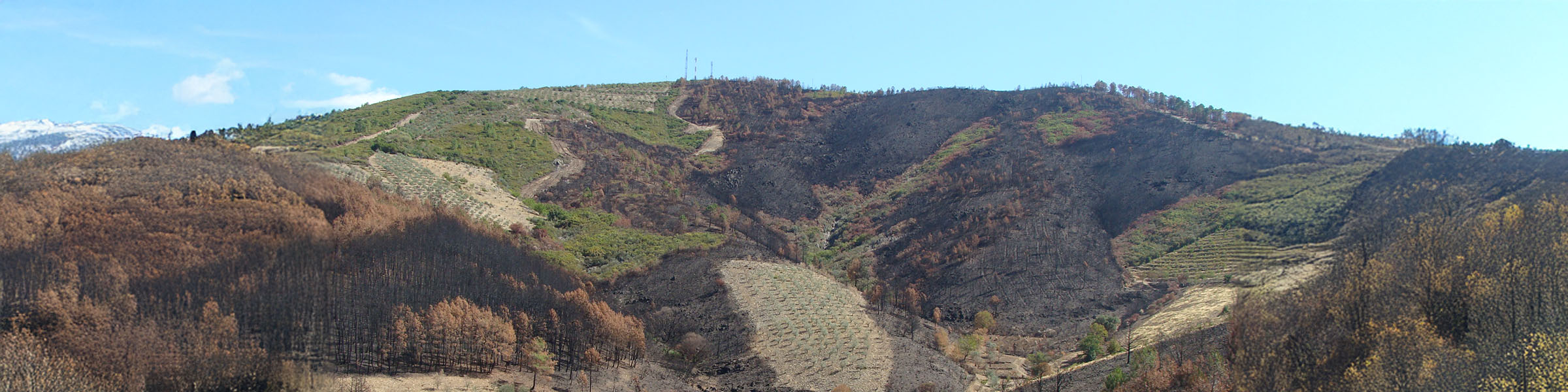
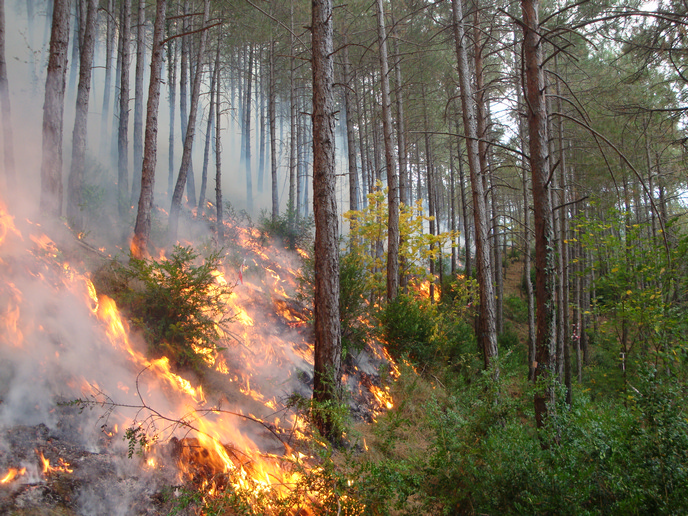
Tunisia is highly exposed to a wide range of natural hazards including floods, drought, landslides, forest fires, sand encroachment, and snowstorms. While droughts are most frequently recorded (54 percent of disaster events reported between 1957 and 2018), floods accounted for the most significant economic losses in that same period (approximately 60 percent of total losses), the highest number of casualties, and the highest number of people affected (around 560,000 people).
According to the World Bank’s latest Climate Risk Profile, Tunisia is considered highly vulnerable to climate change and is expected to experience adverse impacts from increased temperatures, reduced precipitation, more serious water shortages, and rising sea levels.
“This project approved today will help strengthen the government’s Disaster Risk Management capabilities to protect Tunisians from more frequent—and increasingly severe—natural disasters,” said Tony Verheijen, World Bank Tunisia Country Manager. “The Program will boost investments in resilience and strengthen the country’s policies—including developing a catastrophe insurance market—which will help protect households and businesses across Tunisia.”
The Tunisia Integrated Disaster Resilience Program is anchored in the Government’s broader National Disaster Risk Management (DRM) strategy. The program will support key parts of the national DRM strategy that the Government of Tunisia considers critical to protect Tunisians, including:
- Investing in flood risk protection infrastructure in selected exposed cities;
- Combining interventions across several ministries and institutes to strengthen the country’s early warning systems and modernizing climate and hydrometeorological services;
- Establishing insurance mechanisms to protect Tunisians against the financial fallout of natural disasters. The proposed disaster risk insurance programs will combine public funding with private sector insurance;
- Improving regulations to help improve coordination across sectors and territories and strengthen Tunisia’s overall disaster and climate resilience.
Contacts
Tags :