



About 400 million people worldwide are infected with dengue fever and 20,000 die each year
With the goal of leading the upgrading and transformation of industries and the development of digital technology, the Taiwan government is implementing the “Smart City Taiwan Project” through the Industrial Development Bureau of the Ministry of Economic Affairs.
The central government, local governments and industries are working together to develop innovative applications in 22 counties and cities across Taiwan in six major areas, including “health,” “governance/security,” “transportation,” “agriculture,” “education” and “tourism/retail,” through the Public-Private-People Partnership mechanism.
Since its inception, the project has yielded fruitful results, with about 300 enterprises participating and developing 223 smart services that benefit 8.54 million people. In addition to solving local problems, the project has also opened up international development opportunities for industry players.
For example, the AI Dengue Fever Prevention Platform is an innovative application of the project in the area of governance. About 400 million people worldwide are infected with dengue fever and 20,000 die each year. The total loss in treatment and productivity is estimated to be around US$6 billion per year.
In Taiwan, dengue fever is easily spread from April to October every year. However, dengue fever prevention by spraying is ineffective and harmful to the body. In the past, the Tainan City Government Dengue Fever Control Centre has continuously monitored the dengue vector mosquito index, mainly using ovitrap to survey the density of vector mosquitoes.
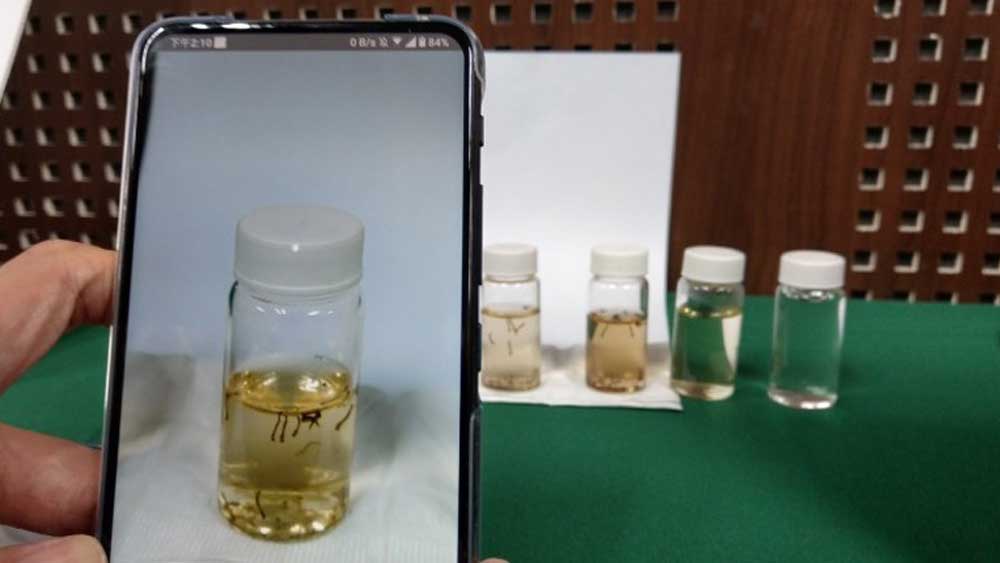
In view of this, the Tainan City Government, Microsoft Taiwan, Wistron and Linker Networks Inc. from the United States collaborated to create the first “AI Dengue Fever Prevention Platform,” which combines the needs of public health with AI, and uses self-built and developed AI image recognition technology to quickly identify wiggler eggs of aedes mosquitoes.
The inspectors can simply take images of eggs and wigglers with their mobile phones and upload them to the cloud to make immediate judgments, which significantly reduces the time required for the inspectors to work in the field.
Source: ICF Taiwan