 How to resolve AdBlock issue?


Articles
Avatars and Smart Cities: The Digital Evolution of Human Interaction and Urban Living
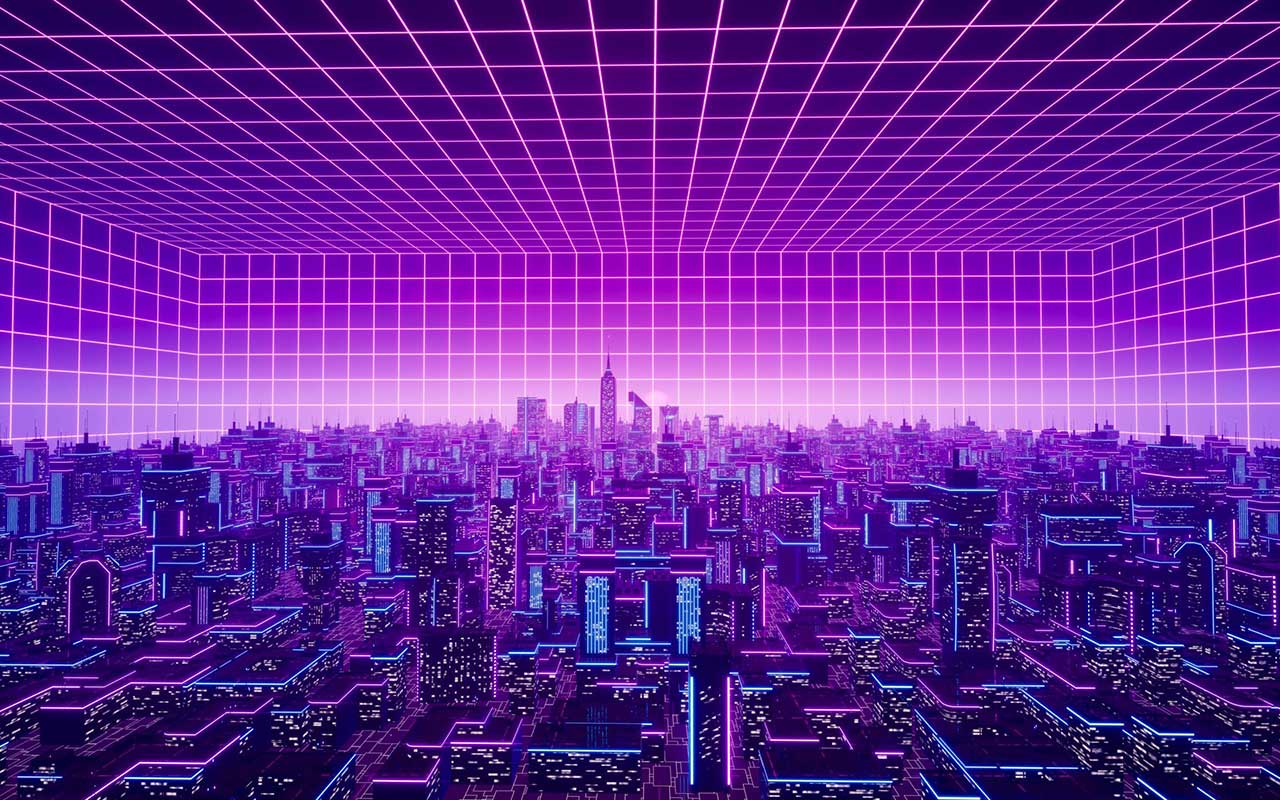
As the digital and physical realms increasingly intertwine, we’re witnessing not just technological evolution, but a metamorphosis of human identity itself. The concept of digital avatars, once relegated to the realms of science fiction and online gaming, now stands as a profound metaphor for our own evolution within this burgeoning metaverse.
Drawing inspiration from an enlightening piece on Hackernoon about the next phase of human evolution through digital avatars, it becomes evident that our digital selves could represent more than mere representations; they might very well become our primary mode of interaction within a digitized society. This notion isn’t as far-fetched as it sounds. If history has shown us anything, it’s that evolution doesn’t discriminate between the biological and technological.
Consider our beloved smart cities, where the integration of IoT and AI transforms urban environments into responsive, interactive ecosystems.
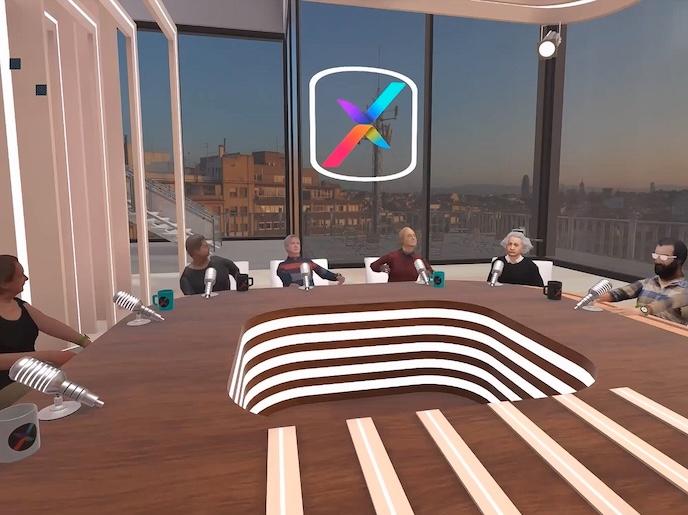
Let’s look at the data from BizzTech’s strategy papers on transport, energy, and 3D scanning. They illustrate a bold and exciting future where every facet of city life is integrated into the digital domain. With the application of AI-augmented metaverse platforms, we can see how virtual stages can revolutionize industries by allowing for real-time collaboration, immersive training, and enhanced stakeholder engagement without geographical constraints.
How can the Metaverse Transform our Cities?
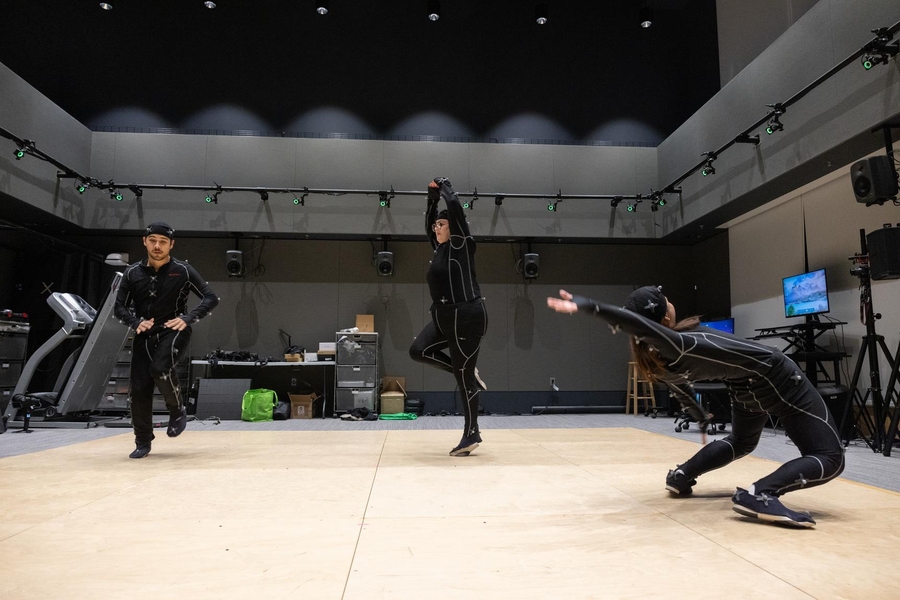
The transport sector, for instance, could leverage avatars and virtual environments to conduct everything from pilot training to infrastructure planning and environmental assessments—all within a metaverse that mimics and models real-world dynamics. Imagine the efficiency gains when physical prototypes are replaced by their digital counterparts, accessible from anywhere in the world.
In the energy sector, the potential for avatars to perform remote inspections and manage disaster responses could not only reduce risks but also dramatically increase operational efficiency. The ability to simulate various disaster scenarios in a controlled virtual space prepares real-world teams like never before, merging preparedness with innovation.
Perhaps most intriguing is the application of these technologies in 3D scanning and landscape architecture. Here, virtual site visits and collaborative design processes are not just possible—they are superior. Clients can explore a fully interactive 3D model of their project, tweaking and experimenting in real-time, a process that reduces costs and accelerates timelines.
The Identity Shift: Avatars as Extensions of Self
Yet, the most profound change may lie in how we perceive our own identities in relation to these technologies. As our digital avatars undertake more of our professional and social interactions, they become more than tools; they evolve into facets of our identity, influencing how we perceive ourselves and others in both the digital and physical worlds. This duality of existence challenges our traditional notions of self, urging us to reconsider what it means to be human in a digitally augmented reality.
The interplay between digital and physical realities promises a future where the line between the two blurs, creating a seamless continuum of existence. In this context, avatars become more than just digital agents; they represent the next step in human evolution, an adaptation to the digital environment that is as natural as breathing air is to our biological forms.
Smart cities, with their digital-first approach, are the perfect incubators for this new type of human experience. As urban environments become more responsive and interactive, our avatars could become our primary interfaces with the world, conducting transactions, engaging in social activities, and managing our professional tasks.
Embracing Our Digital Destiny
Like our next phase of digital twinning, the metaverse is not just transforming our tools and environments; it is reshaping the very fabric of human identity and society. As we navigate this new frontier, we must be mindful of the evolutionary changes it heralds—not only for our technologies but for ourselves. In this digital Darwinism, it's not just the survival of the fittest but the survival of the most adaptable. The future beckons not just a new world but a new kind of smarter human being, thriving in the nexus of atoms and bits.
Opinion Article by Joe Appleton

Joe Appleton is the Smart City Director at BizzTech, dreaming of new Smart City applications for the Urban Metaverse. With a background as a journalist in the Smart City sector, he offers insights into the future of our cities, focusing on citizen engagement and social equity. Joe has written for publications like Smart Cities World, The Independent, bee smart city, and Tech For Good. Today, he is also the editor-in-chief of the newly established Urbanaut Magazine.
Tags :
Related Articles
25 June 2025