 How to resolve AdBlock issue?

Smart Mobility
The Future of Barcelona: Innovation in Sustainable and Smart Mobility

The city is leading the way towards a future of cleaner, safer, and more accessible mobility with creative solutions that enhance the user experience
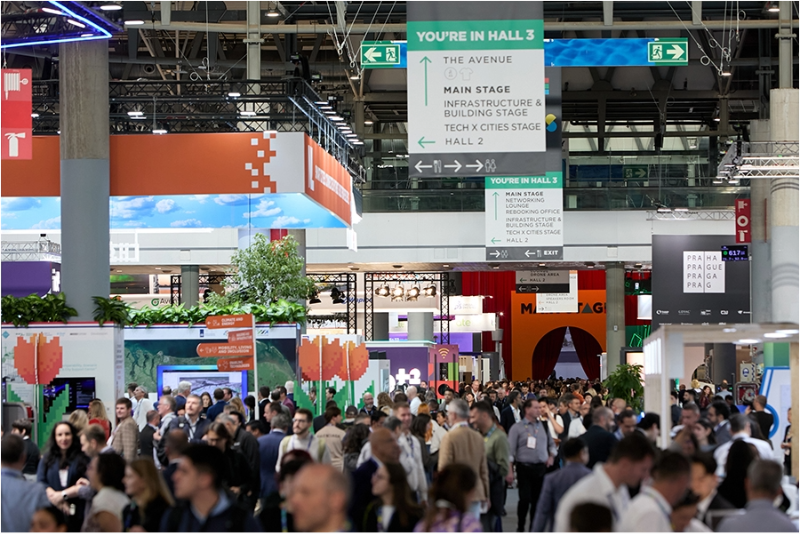
Barcelona continues to establish itself as one of the leading cities in driving sustainable and smart urban mobility. Recently, the city presented its latest innovations at the side event of the Smart City Expo, the Tomorrow.Mobility World Congress, which brought together experts from around the world with the goal of accelerating the transition to more efficient and environmentally friendly mobility.
At this event, within the forum of the Barcelona Innova Lab Mobility, the City Council of Barcelona presented innovative initiatives aimed at improving urban quality of life through technological solutions in the mobility sector.
One of the initiatives presented was proposed by the Canadian company Buspas, one of the winners of the urban challenge "Improving the Bus Network Service in the City of Barcelona," launched by BIT Habitat, a foundation that promotes urban innovation to address the social, economic, technological, and environmental challenges facing the city.
The solution proposed by Buspas involves innovative, structured, and scalable technology that is deployed at bus stops to support the development of integrated, smart, and shared mobility in the city.
This technology, called Smart Sign, will be deployed in collaboration with Transports Metropolitans de Barcelona (TMB) at several bus stops in the city using a Passenger Information Display (PID) screen. The screen will act as a data hub and transform the existing infrastructure at bus stops (shelters, poles, bollards, etc.) into connected environments.
The solution will be solar-powered and will provide real-time information, thanks to artificial intelligence, in an accessible manner (both auditory and visual). Additionally, it will allow for interaction with passengers, enhance the user experience during wait times, improve public space safety, and generate new sources of historical and real-time data that will help improve planning and urban mobility.
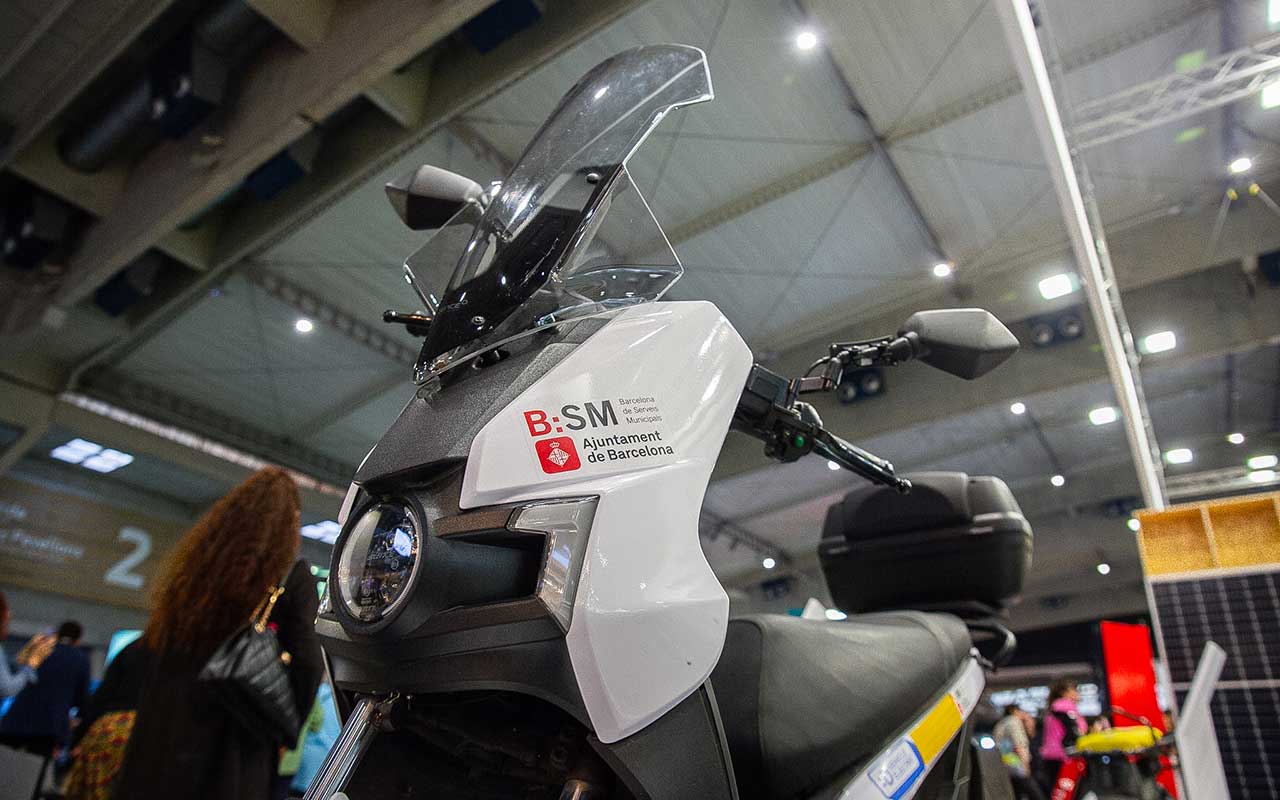
Another example of municipal innovation presented as part of the Barcelona Innova Lab Mobility is the Rider Dome system, a motorcycle driver assistance technology that is being tested in Barcelona. Rider Dome was one of the winning projects of the challenge promoted by the Fundació BIT Habitat to encourage startups, universities, and innovation centers to present solutions aimed at reducing motorcycle-related accidents.
Equipped with computer vision sensors and artificial intelligence, the Rider Dome system alerts riders in real time to nearby hazards, such as vehicles in blind spots, safe distance, or potential collision risks. This technology not only helps prevent accidents but also collects valuable data to improve road safety in the city.
These two initiatives are part of a broader effort by the City Council of Barcelona, which, through the Barcelona Innova Mobility Lab project, aims to diversify the local economy and consolidate the city as a leader in smart mobility innovation in Southern Europe.
Barcelona is thus at a key stage of transformation towards a smarter, connected, and more sustainable city model. With a budget of up to 100,000 euros for the winning proposals and a deadline of 18 months for implementation, the City Council of Barcelona is laying the foundations for urban mobility that sets a global standard.
In 2025, the City Council will launch two new challenges aimed at finding creative solutions in acoustic detection and urban goods distribution. All information can be found here: bithabitat.barcelona